Google Fit sits in a strange but powerful position in 2026. It is not a watch brand, not a training platform, and not a replacement for the app that came with your smartwatch. Instead, it is the connective tissue that lets Android users mix devices and apps without committing to a single closed ecosystem.
If you have ever wondered why your steps show up from multiple devices, why some workouts merge cleanly while others duplicate, or why Google Fit feels invisible until something breaks, this section is your grounding layer. By the end, you will understand exactly what Google Fit does behind the scenes, what kinds of data it handles well, and where its limits still matter when building a reliable fitness setup.
What Google Fit is in 2026 (and why it still matters)
At its core, Google Fit is a health data platform and system-level hub, not a destination app. The Google Fit app itself is now lightweight by design, acting mainly as a dashboard and permission manager rather than a full-featured training tool.
Most of the real work happens through Google’s Health Connect layer, which has effectively become the default plumbing for health data on Android. Google Fit sits on top of that layer, reading and writing standardized data so apps and devices can talk to each other without custom integrations.
🏆 #1 Best Overall
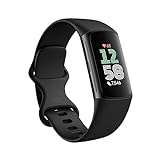
- Find your way seamlessly during runs or rides with turn-by-turn directions from Google Maps on Fitbit Charge 6[7, 8]; and when you need a snack break on the go, just tap to pay with Google Wallet[8, 9]
This matters because it allows you to use, for example, a Pixel Watch for daily activity, a third-party running app for training plans, and a smart scale for weight tracking, all without manually exporting files or choosing a single brand’s ecosystem.
The main data types Google Fit understands well
Google Fit handles foundational health and activity metrics better than anything else on Android. Steps, distance, active minutes, calories burned, and basic workout sessions are its strongest categories, and these tend to sync reliably across devices.
Heart rate data is supported both as continuous background samples and as workout-specific recordings. Google Fit does not analyze heart rate in depth, but it stores timestamps and values accurately, making it useful as a neutral repository for apps that do deeper analysis elsewhere.
Sleep data is supported at a summary level. Duration, sleep stages when provided by the source app, and bedtime windows can be stored, but Google Fit does not attempt advanced sleep scoring or trend interpretation.
Body metrics like weight, body fat percentage, and BMI sync cleanly from smart scales and nutrition apps. Manual entry is still supported, which makes Google Fit useful as a long-term health log even if you change devices over time.
What sync logic actually looks like day to day
Google Fit does not simply add everything together. It applies a priority and deduplication system that decides which data source “wins” when multiple devices report similar metrics.
If you wear a smartwatch and also carry your phone, Google Fit typically prioritizes the wearable for steps and heart rate during overlapping time windows. The phone fills in gaps when the watch is not worn, which is why step counts often look seamless rather than doubled.
Workout sessions are treated as discrete events. If two apps record the same run at the same time, Google Fit usually keeps one based on data richness and source priority, but this is also where most user confusion comes from if apps are not configured carefully.
Sync timing is not instant. Some apps push data in near real time, while others sync in batches, often when charging or connected to Wi‑Fi. This delay is normal and does not usually indicate a problem.
What Google Fit effectively replaces
For many users, Google Fit replaces the need for a single “master” fitness app that tries to do everything. You no longer need one app for steps, another for workouts, and a spreadsheet for weight history if all of those apps feed into Google Fit.
It also replaces manual data migration when switching devices. If you move from one Wear OS watch to another, or from a fitness band to a smartwatch, Google Fit keeps your historical data intact as long as the apps sync correctly.
For casual and moderately active users, Google Fit can replace daily activity tracking apps entirely. Steps, active time, and general movement trends are clear enough that you can rely on it as your primary health overview.
What Google Fit does not replace (and never really tried to)
Google Fit is not a training platform. It does not offer adaptive plans, performance modeling, VO₂ max interpretation, race predictions, or recovery coaching. Apps like Garmin Connect, Strava, or specialized running and cycling platforms still dominate here.
It is also not a device control app. You still need your watch manufacturer’s app for firmware updates, sensor calibration, battery management, and hardware-specific features like ECG, skin temperature, or advanced sleep metrics.
Nutrition tracking remains basic. Google Fit can store calories and macros if another app provides them, but it does not compete with dedicated food logging apps in usability or depth.
Privacy, permissions, and why setup matters more than ever
In 2026, Google Fit permissions are granular and explicit. Each app must be allowed to read and write specific data types, and misconfigured permissions are the most common cause of missing or partial data.
Health Connect makes it easier to see which app is contributing what, but it also means you need to be intentional. Allowing three apps to write steps and workouts usually creates noise rather than insight.
The upside is control. You can let a smartwatch write heart rate and workouts, allow a scale to write weight, and restrict everything else to read-only access, creating a clean, trustworthy data flow that scales as you add or remove devices.
Core Google Fit Metrics Explained: Steps, Heart Rate, Workouts, Sleep, and Body Data—What Syncs Reliably
Once permissions are dialed in, Google Fit becomes less about flashy insights and more about dependable aggregation. Understanding which metrics sync cleanly, which ones merge intelligently, and which still need a single “source of truth” is what separates a smooth ecosystem from a noisy one.
What follows is a practical breakdown of Google Fit’s core data types, how they behave in real-world use, and which apps and devices tend to handle each metric best.
Steps: The most forgiving metric, but also the easiest to duplicate
Steps are Google Fit’s oldest and most resilient metric. Nearly every smartwatch, fitness band, and phone-based tracker can write steps to Fit, and Google’s backend is generally good at deduplicating overlapping sources.
Problems arise when multiple devices write steps simultaneously. A phone in your pocket plus a watch on your wrist can inflate totals unless one source is set to read-only via Health Connect.
In practice, wrist-based steps from Wear OS watches, Fitbit devices, and fitness bands like Xiaomi or Amazfit are the most consistent for daily totals. Phone-only tracking is fine for casual users, but tends to undercount during workouts and overcount during travel or commuting.
Heart rate: Reliable trends, not medical-grade history
Heart rate syncing into Google Fit is solid for resting trends, daily averages, and workout context. Continuous heart rate data from Wear OS watches, Fitbit, and many third-party fitness trackers sync reliably as long as background permissions are intact.
What Google Fit does not preserve well is raw, high-frequency heart rate detail. You will see averages, zones, and timestamps, but not beat-to-beat data or advanced variability metrics.
For ecosystem builders, the best approach is to let one wearable write heart rate data and allow other apps to read it. This keeps Fit useful for long-term trends while leaving detailed analysis to the manufacturer’s app or a training platform.
Workouts and activities: Structured data works best
Workout syncing is where Google Fit starts to show its strengths. Activities with clear start and stop times, GPS tracks, duration, and calorie estimates integrate cleanly and remain readable over time.
Wear OS watches, Fitbit, Strava, and many gym equipment apps map well to Fit’s activity model. You will see activity type, duration, distance, heart rate zones, and energy burn without manual cleanup.
Edge cases appear with overlapping workouts from multiple apps. If you record the same run on a watch and a phone app, Fit may keep both. The fix is simple: designate one app as the workout writer and set the rest to read-only.
Sleep: Functional summaries, not deep analysis
Sleep tracking in Google Fit has improved, but it remains a summary layer rather than a diagnostic tool. Total sleep time, start and end times, and basic stages sync reliably from Fitbit, Wear OS watches, and some third-party sleep apps.
Advanced sleep metrics often stay behind. Respiratory rate, skin temperature changes, sleep scores, and readiness-style insights usually live only in the manufacturer’s app.
For most users, Google Fit works best as a long-term sleep archive. You can see consistency, duration trends, and rough quality over months, while relying on the original app for nightly interpretation.
Body data: Weight, body fat, and measurements are surprisingly robust
Body data is one of Google Fit’s quiet strengths. Weight, body fat percentage, and other measurements from smart scales sync cleanly and persist without distortion.
Popular Wi-Fi and Bluetooth scales from brands like Withings, Xiaomi, and Eufy integrate well either directly or via Health Connect. Manual entries also coexist without issue.
The key rule is singular ownership. Let one scale or app write body metrics, and avoid mixing manual edits with automated syncs. Done right, Google Fit becomes a reliable long-term body composition log even if you change scales later.
Calories and energy burn: Directionally useful, not absolute
Calories burned are calculated differently by every device, and Google Fit does not normalize them aggressively. As a result, calorie data is best treated as comparative rather than precise.
Workout calories tend to be more consistent than daily burn estimates. Active calories from structured workouts sync more reliably than passive daily totals.
If nutrition tracking matters, Google Fit should be a passive recipient rather than the control center. Let a food logging app handle intake, and use Fit only to contextualize activity over time.
What merges well, and what should stay single-source
Google Fit excels when it aggregates different categories from different specialists. A watch writes steps, heart rate, and workouts. A scale writes weight. A sleep app writes sleep summaries.
Where users run into trouble is letting multiple apps write the same metric. Steps and workouts are the most common offenders, followed by heart rate.
A clean setup mirrors a clean watch collection. Each piece has a role, overlaps are intentional, and nothing exists purely for redundancy. When configured that way, Google Fit becomes a stable backbone rather than another app you have to babysit.
Best Smartwatches That Natively Integrate With Google Fit (Wear OS, Battery Life, and Real-World Trade‑offs)
If Google Fit is your aggregation backbone, the smartwatch you choose should act as a clean, single-source writer for steps, heart rate, and workouts. This is where Wear OS still matters, even as Google increasingly routes health data through Health Connect.
The watches below either write directly to Google Fit or integrate so tightly through Google’s own health services that duplication and data drift are easy to avoid. The differences come down to battery life, comfort, sensor quality, and how much vendor software you’re willing to tolerate alongside Fit.
Google Pixel Watch and Pixel Watch 2: The reference experience, with caveats
Pixel Watch hardware is designed by Google, but its fitness identity is Fitbit-first rather than Google Fit-first. Out of the box, workouts, heart rate, sleep, and activity live in Fitbit and only reach Google Fit if you explicitly bridge them using Health Connect.
In real-world use, this works reliably as long as Fitbit is the sole writer for those metrics. The Pixel Watch 2’s improved sensors, especially heart rate accuracy during intervals, make it a strong data source even if Fit is not the primary app.
Battery life remains the limiting factor. Expect roughly 24 hours with always-on display enabled, closer to a day and a half if you are conservative. The compact 41mm case wears comfortably on smaller wrists, but the lightweight build and proprietary strap system feel more lifestyle-focused than sports-driven.
Rank #2

- Inspire 3 is the tracker that helps you find your energy, do what you love and feel your best. All you have to do is wear it.Operating temperature: 0° to 40°C
- Move more: Daily Readiness Score(1), Active Zone Minutes, all-day activity tracking and 24/7 heart rate, 20+ exercise modes, automatic exercise tracking and reminders to move
- Stress less: always-on wellness tracking, daily Stress Management Score, mindfulness sessions, relax breathing sessions, irregular heart rhythm notifications(2), SpO2(3), menstrual health tracking, resting heart rate and high/low heart rate notifications
- Sleep better: automatic sleep tracking, personalized Sleep Profile(1), daily detailed Sleep Score, smart wake vibrating alarm, sleep mode
- Comfortably connected day and night: calls, texts & smartphone app notifications(4), color touchscreen with customizable clock faces, super lightweight and water resistant to 50 meters, up to 10 day battery life(5)
This is the right choice if you want Google’s cleanest hardware and are comfortable letting Fitbit do the heavy lifting behind the scenes.
Samsung Galaxy Watch 5 and Watch 6 series: Excellent hardware, indirect Fit integration
Samsung’s Galaxy Watch line runs Wear OS, but Samsung Health is the default data owner. Google Fit integration happens through Health Connect, not direct sync, which makes setup discipline essential.
When configured properly, Samsung Health writes steps, workouts, heart rate, and sleep once, and Google Fit becomes a stable read-only mirror. Problems only arise if you also enable Google Fit tracking on the watch itself, which should be avoided.
Hardware is a strong selling point. The Watch 6 Classic, with its stainless steel case and rotating bezel, feels like a proper daily watch, while the aluminum Watch 6 is lighter and more fitness-oriented. Battery life is typically 36 to 40 hours, depending on size and display settings.
Choose Samsung if you value build quality, display brightness, and a refined smartwatch experience, and are willing to accept that Google Fit is downstream rather than central.
Mobvoi TicWatch Pro 5: Battery life first, Google Fit friendly
Mobvoi remains one of the few manufacturers that still treats Google Fit as a first-class citizen. The TicWatch Pro 5 can write steps, heart rate, and workouts directly to Fit without requiring a parallel ecosystem app to own the data.
The dual-display system is the defining feature. A low-power LCD handles basic metrics while the AMOLED only activates when needed, enabling real-world battery life of three to four days with mixed use. That is rare in Wear OS.
The 50mm case is unapologetically large, and the resin-and-aluminum construction prioritizes durability over elegance. Comfort is good for workouts but less discreet for sleep tracking.
This is an excellent choice for users who want long battery life and minimal data routing complexity, especially if Google Fit is the primary dashboard.
Fossil Gen 6 and Gen 6 Wellness Edition: Clean Fit integration, aging hardware
Fossil’s Gen 6 lineup integrates cleanly with Google Fit and avoids heavy vendor overlays. Steps, workouts, and heart rate can be written directly to Fit, making it easy to maintain single-source ownership.
Design is a strength. Case sizes around 44mm wear well on most wrists, and Fossil’s traditional watch aesthetics blend easily into everyday wear. Strap compatibility is standard, making it easy to swap between leather, silicone, and steel.
The trade-off is battery life and longevity. Expect about 24 hours, and performance is adequate rather than fast by current standards. These watches feel best suited to casual fitness tracking rather than intensive training.
They remain a good option if aesthetics matter and your Google Fit needs are straightforward.
OnePlus Watch 2: Surprisingly strong Fit pairing with standout battery life
The OnePlus Watch 2 takes an unusual approach, pairing Wear OS with a secondary real-time operating system for background tasks. Google Fit integration is direct, and activity data syncs cleanly without aggressive duplication.
Battery life is a standout feature. Real-world use often reaches three to four days, even with sleep tracking and frequent workouts. The stainless steel case and sapphire crystal give it a more premium, tool-watch feel than most Wear OS devices.
The software experience is slightly less polished than Pixel or Samsung, and the watch is physically large and heavy. For users with smaller wrists, comfort during sleep may be an issue.
This is a compelling option for Fit-centric users who want long battery life without abandoning Wear OS entirely.
What to prioritize when choosing a Google Fit-friendly smartwatch
The most important decision is not brand, but data ownership. Decide which app writes steps, workouts, and heart rate, and ensure Google Fit is either the writer or a passive recipient, never both.
Battery life directly affects data continuity. A watch that dies daily will fragment your activity record, no matter how good the sensors are. Two to four days of real-world endurance makes Google Fit far more useful as a long-term log.
Finally, comfort matters more than specs. Case size, weight, and strap flexibility determine whether you actually wear the watch to sleep and during recovery days. The best Google Fit setup is the one you forget about, because it just keeps collecting clean data in the background.
Fitness Bands and Non‑Wear OS Devices That Play Nicely With Google Fit (Fitbit, Xiaomi, Amazfit, and More)
If Wear OS watches feel like overkill, fitness bands and proprietary smartwatches can still slot neatly into a Google Fit–centric setup. The key difference is how data flows: most of these devices rely on their own companion apps first, then pass selected metrics into Google Fit.
This extra layer is not automatically a downside. Many non‑Wear OS devices offer better battery life, lighter hardware, and more consistent sleep tracking than full smartwatches, as long as you understand what syncs and what does not.
Fitbit: still the most complicated Google Fit relationship
Fitbit is now owned by Google, but direct integration with Google Fit remains surprisingly limited. Fitbit does not natively write data into Google Fit in the same way Wear OS watches do.
Steps, heart rate, and sleep can be synced using third‑party tools like Health Sync on Android. Workouts usually transfer as activity sessions, but granular metrics such as heart rate zones and detailed sleep stages often remain locked inside the Fitbit app.
From a hardware perspective, Fitbit bands like the Charge and Inspire series are excellent daily wear devices. They are thin, light, and comfortable for 24/7 tracking, with five to seven days of battery life and reliable optical heart rate sensors for casual to moderate training.
The problem is ecosystem friction. If Google Fit is your primary dashboard, Fitbit works best as a background data source rather than a first‑class citizen. This setup is viable, but it requires acceptance that Fitbit’s app will always be the authoritative record.
Xiaomi and Redmi bands: budget hardware, flexible syncing
Xiaomi Smart Bands and Redmi Watch devices integrate with Google Fit more cleanly than many expect. Using the Mi Fitness app, users can enable direct Google Fit sync without third‑party bridges in most regions.
Steps, heart rate, sleep duration, and workouts usually transfer reliably. Advanced metrics like stress, blood oxygen trends, and proprietary sleep scores stay within Xiaomi’s app, but core Fit data remains consistent.
Hardware value is where Xiaomi excels. Bands like the Smart Band 8 are slim, extremely light, and comfortable enough for sleep tracking every night. Battery life often exceeds a week even with continuous heart rate tracking enabled.
Accuracy is solid for walking, running, and general activity, though GPS on Xiaomi watches is serviceable rather than class‑leading. For Google Fit users who want affordable hardware that does not fight the ecosystem, Xiaomi is one of the easiest recommendations.
Amazfit and Zepp devices: strong hardware with configurable data flow
Amazfit watches and bands use the Zepp app, which supports Google Fit integration either directly or via Health Connect, depending on model and region. Steps, workouts, heart rate, and sleep generally sync without manual intervention once permissions are set.
The strength of Amazfit lies in hardware diversity. Slim bands like the Band 7 coexist alongside larger sports watches such as the GTR and T‑Rex series, offering AMOLED displays, multi‑band GPS on higher‑end models, and battery life ranging from 10 days to several weeks.
Fit data from Amazfit devices tends to be clean and consistent, especially for endurance activities. The caveat is metric duplication. Zepp calculates its own readiness, training load, and recovery scores that do not translate into Google Fit, so Fit becomes the long‑term log rather than the coaching layer.
For users who want excellent battery life and occasional GPS workouts while keeping Google Fit as a neutral archive, Amazfit strikes a practical balance.
Huawei, Honor, and other ecosystem‑locked brands
Huawei and Honor wearables can sync with Google Fit using Health Sync, but native support is inconsistent and often region‑dependent. Steps and heart rate usually transfer, while workouts and sleep can be hit or miss.
Hardware quality is high. Devices like the Huawei Band and Watch GT series are comfortable, well‑finished, and capable of two weeks or more of battery life with continuous tracking. Materials and build often feel a step above their price point.
The trade‑off is software friction. App permissions, background battery restrictions, and regional app limitations can disrupt syncing. These devices are best for users who prioritize hardware and battery life over seamless ecosystem integration.
Rings, straps, and niche trackers: selective Google Fit value
Devices like Oura Ring, Whoop, and other niche trackers do not prioritize Google Fit, but limited integration is possible. Steps, sleep duration, and basic activity data may sync through Health Connect or third‑party apps.
These products excel in form factor and recovery tracking rather than traditional workouts. Rings and straps are extremely comfortable for sleep and all‑day wear, but Google Fit will only ever reflect a simplified version of their data.
If Google Fit is your central hub, these devices make more sense as complementary trackers rather than primary activity recorders.
How to avoid data chaos with non‑Wear OS devices
The most important rule is single‑source writing. Only one app should write steps and workouts into Google Fit, even if multiple devices are connected. Disable duplicate writes wherever possible.
Accept that Google Fit is best used as a timeline, not a coach. Proprietary apps will always provide deeper insights, but Fit excels at unifying movement, heart rate, and sleep across hardware generations.
Non‑Wear OS devices work best with Google Fit when expectations are realistic. Prioritize comfort, battery life, and consistency, then let Fit quietly collect the essentials in the background.
Essential Fitness & Training Apps That Sync With Google Fit (Running, Strength, Cycling, and Cardio)
Once hardware is sorted, apps are where Google Fit becomes genuinely useful rather than just passive. The best Google Fit–compatible apps treat Fit as a shared activity ledger, not the place where training plans or performance analysis live.
The goal here is reliability and clarity. These apps write clean, well-labeled workouts into Google Fit, avoid excessive duplication, and make it easy to mix devices without breaking your data history.
Running apps: consistent GPS workouts without ecosystem lock‑in
Strava remains the most important running app in a Google Fit ecosystem. Runs sync automatically with distance, duration, pace, elevation, heart rate, and route maps, making it an ideal bridge between Wear OS watches, phone GPS, and third‑party hardware like Wahoo and Polar.
Rank #3

- 【BUILT-IN GPS SMART WATCH – GO FURTHER, FREER, SMARTER】No phone? No problem. This fitness watch for women, featuring the latest 2025 technology, includes an advanced professional-grade GPS chip that precisely tracks every route, distance, pace (real-time & average), and calorie burned—completely phone-free. Whether you're chasing new personal records or exploring off the beaten path, your full journey is automatically mapped and synced in the app. Train smarter. Move with purpose. Own your progress. Own your journey.
- 【BLUETOOTH 5.3 CALLS & SMART NOTIFICATIONS】Stay effortlessly connected with this smart watch for men and women, featuring dual Bluetooth modes (BT 3.0 + BLE 5.3) and a premium microphone for crystal-clear calls right from your wrist—perfect for driving, workouts, or busy days. Receive instant alerts for calls, texts, and popular social apps like WhatsApp and Facebook. Just raise your wrist to view notifications and never miss an important moment.
- 【100+ SPORT MODES & IP68 WATERPROOF & DUSTPROOF】This sport watch is a versatile activity and fitness tracker with 100+ modes including running, cycling, yoga, and more. It features quick-access buttons and automatic running/cycling detection to start workouts instantly. Accurately track heart rate, calories, distance, pace, and more. Set daily goals on your fitness tracker watch and stay motivated with achievement badges. With IP68 waterproof and dustproof rating, it resists rain and sweat for any challenge. Not suitable for showering, swimming, or sauna.
- 【24/7 HEALTH ASSISTANT & SMART REMINDERS】This health watch continuously monitors heart rate, blood oxygen, and stress levels for comprehensive wellness tracking. Sleep monitoring includes deep, light, REM sleep, and naps to give you a full picture of your rest. Stay on track with smart reminders for sedentary breaks, hydration, medication, and hand washing. Women can also monitor menstrual health. Includes guided breathing exercises to help you relax. Your ultimate health watch with event reminders for a healthier life.
- 【ULTRA HD DISPLAY, LIGHTWEIGHT & CUSTOMIZABLE DIALS】This stylish wrist watch features a 1.27-inch (32mm) 360×360 ultra HD color display with a 1.69-inch (43mm) dial, offering vivid details and responsive touch. Its minimalist design fits both business and casual looks. Switch freely among built-in designer dials or create your own DIY watch face using photos, colors, and styles to showcase your unique personality. Perfect as a cool digital watch and fashion wrist watch.
What matters is predictability. When Strava is the sole workout writer, Google Fit becomes a clean chronological log of runs regardless of which device recorded them. Battery impact depends on the recording device, not Fit itself.
Nike Run Club offers a more guided experience and also syncs runs reliably to Google Fit. Distance, time, pace, and heart rate transfer cleanly, though advanced coaching metrics stay inside NRC.
For users who prefer audio coaching and structured plans over social features, NRC works well as a primary run recorder while Google Fit quietly aggregates the history.
Adidas Running (formerly Runtastic) and MapMyRun both provide native Google Fit syncing. They are especially useful for casual runners using phone GPS, with clear activity labeling and minimal background drain.
These apps shine when paired with budget phones or entry‑level Wear OS watches where simplicity and stability matter more than deep analytics.
Cycling apps: indoor, outdoor, and sensor‑heavy setups
Strava again does the heavy lifting for outdoor cycling, syncing rides from phones, Wear OS watches, and bike computers into Google Fit with speed, distance, elevation, and heart rate intact. Power data is recorded in Strava but only summarized in Fit.
This limitation is important to understand. Google Fit is not a power analysis platform, but it does preserve ride duration and intensity trends over time.
Zwift integrates smoothly with Google Fit for indoor cycling. Virtual rides sync with duration, distance, estimated calories, and heart rate, keeping indoor and outdoor training unified in Fit’s timeline.
The strength here is continuity. A winter on the trainer still counts toward your overall activity picture without manual imports or third‑party sync tools.
Wahoo’s ecosystem deserves special mention. Activities recorded on Wahoo ELEMNT bike computers sync through the Wahoo Fitness app and write cleanly into Google Fit, making it one of the most reliable hardware‑to‑app‑to‑Fit pipelines available on Android.
Strength training apps: structured logging without overcomplication
Strength apps vary wildly in Google Fit quality, but a few stand out for clean integration. Strong writes strength workouts with duration, exercise categories, and calories burned, without flooding Fit with individual set data.
This keeps Google Fit readable while preserving detailed logs inside Strong itself. It pairs well with Wear OS watches used primarily for heart rate and timers during lifting.
JEFIT offers a similar approach with more program depth. Workouts sync to Google Fit as strength sessions, making it suitable for users running long‑term routines who still want a unified activity record.
Freeletics syncs bodyweight and HIIT sessions effectively, recording session type, duration, and calories. It is especially useful for users training at home with no wearable beyond a phone or basic smartwatch.
Cardio, classes, and hybrid training platforms
Peloton’s Android app syncs workouts directly to Google Fit, including cycling, treadmill, rowing, and guided cardio classes. Duration, calories, and heart rate transfer reliably when permissions are set correctly.
This makes Peloton viable even without Peloton hardware. Phone‑based workouts still appear alongside runs, rides, and strength sessions in Fit’s timeline.
Wahoo SYSTM and similar guided training platforms also integrate through their companion apps, writing structured cardio and cross‑training sessions into Google Fit without requiring Wear OS.
These apps work best when they are clearly defined as workout writers, with steps and passive heart rate left to your watch or tracker.
Navigation and adventure apps that still play nicely with Fit
Komoot deserves attention for hikers, trail runners, and bikepackers. Activities sync into Google Fit with distance, duration, elevation gain, and heart rate, making it ideal for outdoor users who don’t fit neatly into “run” or “ride” categories.
Google Fit benefits here as a long‑term movement archive. A weekend hike logged in Komoot sits naturally next to weekday gym sessions without manual editing.
Practical rules for app selection and setup
Choose one primary workout recorder per activity type whenever possible. Let Strava handle endurance, a single strength app handle lifting, and your watch handle passive metrics like steps and resting heart rate.
Check Google Fit’s activity list after the first few workouts. Clean labels and consistent durations are signs of a healthy integration, while duplicate entries usually mean two apps are writing the same session.
When set up carefully, these apps turn Google Fit into a durable fitness backbone. You gain flexibility to change watches, phones, or training styles without losing the continuity that keeps long‑term progress meaningful.
Health, Sleep, and Recovery Apps That Add Depth Beyond Google Fit’s Basics
Once workouts and activities are flowing cleanly into Google Fit, the next layer is health context. This is where sleep quality, resting trends, and recovery signals turn raw activity data into something you can actually act on.
Google Fit covers the fundamentals, but it deliberately avoids deeper interpretation. Pairing it with the right health and recovery apps lets Fit remain your central archive while specialists handle analysis.
Sleep tracking apps that complement Fit instead of replacing it
Sleep as Android remains one of the most flexible sleep trackers in the Android ecosystem. It writes sleep duration, sleep stages (on supported devices), and sleep windows into Google Fit while keeping advanced features like smart alarms, snore detection, and sleep debt analysis inside its own app.
It works particularly well with Wear OS watches, older Fossil and Mobvoi hardware, and even phone-only setups placed on a bedside table. Battery impact is manageable, but overnight watch charging habits matter more than app efficiency here.
Fit receives clean, readable sleep blocks, while Sleep as Android becomes the place you go to understand patterns, consistency, and disruptions over weeks rather than nights.
Fitbit as a sleep and recovery layer, even without full ecosystem buy-in
Fitbit devices sync sleep stages, resting heart rate, and basic readiness-style metrics into Google Fit through account linking. You don’t get Fitbit’s full Daily Readiness Score inside Fit, but the underlying data transfers reliably.
This pairing makes sense if you like Fitbit’s sleep accuracy and comfort-focused hardware but don’t want to abandon Google Fit as your long-term health record. Lightweight trackers like the Inspire series or Charge models are easy to sleep in, with soft straps and multi-day battery life that avoids nightly charging.
Fit becomes the archive, Fitbit remains the interpreter. You check trends and scores in Fitbit, then rely on Fit to unify that data with workouts logged elsewhere.
Oura, rings, and passive recovery tracking
Oura’s Google Fit integration focuses on sleep duration, heart rate, and activity summaries rather than full readiness metrics. The ring’s comfort, low-profile titanium build, and week-long battery life make it ideal for users who dislike sleeping with a watch.
What Fit gets is clean, consistent sleep timing and passive heart rate data. What stays in Oura is temperature deviation, recovery scoring, and detailed readiness insights.
This setup works best for users who value passive recovery tracking and want Fit to reflect their overall health rhythm without becoming a second analytics dashboard.
Withings and health-first devices that write meaningful data
Withings devices, including ScanWatch and its sleep-focused pads and scales, integrate neatly with Google Fit. Sleep duration, resting heart rate, weight, body composition, and even ECG flags (region-dependent) can sync through the Withings Health Mate app.
ScanWatch deserves special mention for hybrid-watch fans. Its stainless steel case, sapphire crystal, long battery life measured in weeks, and subtle OLED window make it one of the few watches that feels like a traditional timepiece while quietly feeding Fit with health data.
This pairing suits users who prioritize long-term health monitoring over sport-specific metrics, with Google Fit acting as a neutral hub.
Recovery analytics apps that read Fit data instead of writing noise
Welltory takes a different approach by primarily reading data from Google Fit rather than aggressively writing into it. It uses heart rate variability, resting heart rate, sleep, and activity load to generate stress and recovery insights.
Because it doesn’t flood Fit with synthetic workouts or duplicate entries, it’s a good example of a “read-only” companion. Google Fit remains clean, while Welltory becomes a lens for understanding how your lifestyle and training interact.
This is especially useful for users mixing devices, such as a Wear OS watch for daily wear and a chest strap or bike computer for hard sessions.
Samsung Health, Polar Flow, and indirect bridges that still make sense
Samsung Health can sync core metrics like steps, sleep, heart rate, and workouts into Google Fit, though the integration works best when Samsung Health is treated as the primary recorder on Galaxy Watch hardware. The hardware itself offers solid sleep tracking, good comfort, and reliable overnight battery for most users.
Polar Flow also connects to Google Fit, passing structured workouts, heart rate, and training duration. Polar’s strength lies in heart rate accuracy and training load models, while Fit simply stores the results alongside everything else.
These indirect bridges are most effective when you resist the urge to let every app write everything. Let the manufacturer app own the device experience, and let Google Fit own the archive.
Practical setup rules for health and recovery data
Avoid stacking multiple sleep writers unless you have a clear reason. One watch, ring, or sleep app should be responsible for sleep sessions to prevent fragmented or overlapping nights in Fit.
Recovery apps should generally read from Google Fit, not write to it. If an app creates artificial activities or stress events, it usually adds clutter without improving long-term insight.
When configured this way, Google Fit becomes a quiet but reliable foundation. Sleep, health, and recovery apps add depth and interpretation without turning your data into an unreadable mess.
Rank #4

- 24H Accurate Heart Rate Monitoring: Go beyond basic tracking. Our watch automatically monitors your heart rate, blood oxygen (SpO2), and sleep patterns throughout the day and night. Gain deep insights into your body's trends and make informed decisions for a healthier lifestyle.
- Practical Sports Modes & Smart Activity Tracking: From running and swimming to yoga and hiking, track a wide range of activities with precision. It automatically records your steps, distance, calories burned, and duration, helping you analyze your performance and crush your fitness goals.
- 1-Week Battery Life & All-Day Wear: Say goodbye to daily charging. With an incredible up to 7-10 days of battery life on a single charge, you can wear it day and night for uninterrupted sleep tracking and worry-free travel. Stay connected to your data without the hassle.
- Comfortable to Wear & IP68 Waterproof: The lightweight, skin-friendly band is crafted for all-day comfort, even while you sleep. With IP68 waterproof, it withstands rain, sweat, It is not suitable for swimming or showering.
- Ease of Use and Personalized Insights via Powerful App: The display is bright and easy to read, even outdoors. Unlock the full potential of your watch. Sync with our dedicated app to view detailed health reports, customize watch faces, set sedentary reminders, and manage your preferences with ease.
Nutrition, Weight, and Body Composition Apps That Feed Google Fit Meaningful Context
Once activity, sleep, and recovery data are flowing cleanly into Google Fit, nutrition and body composition are what turn that raw movement into something interpretable. Calories, weight trends, and body fat changes don’t need to be perfect to be useful, but they do need to be consistent and non-duplicated.
The goal here isn’t to turn Google Fit into a full food diary or a medical-grade body analysis tool. It’s to give Fit enough context to make energy balance, long-term trends, and habit changes visible alongside your workouts and daily activity.
MyFitnessPal: the most flexible calorie bridge
MyFitnessPal remains one of the most reliable ways to push calorie intake and weight data into Google Fit. When linked correctly, it writes daily calorie totals and weight entries without generating artificial workouts or step data.
This pairing works best when MyFitnessPal is treated strictly as a nutrition logger. Let Google Fit handle activity calories and movement, and let MyFitnessPal supply intake and scale-based weight, creating a clean energy-in versus energy-out view.
For users wearing a Wear OS watch all day, this setup avoids the classic trap of double-counted calories. You get Fit’s activity tracking, MyFitnessPal’s food database, and a combined long-term picture without clutter.
Cronometer: micronutrients for users who want precision
Cronometer also integrates with Google Fit, syncing calorie intake and body weight while keeping detailed nutrient analysis inside its own app. Fit doesn’t display vitamins or minerals, but the calorie and weight context still matters.
This pairing is particularly useful for athletes, endurance users, or anyone managing body composition deliberately. You can log highly structured nutrition in Cronometer while Fit quietly tracks how that intake aligns with training load and daily movement.
Cronometer’s restrained write behavior makes it a good citizen in a mixed ecosystem. It complements Fit instead of competing with it, especially when paired with a watch that already tracks heart rate and activity well.
Lose It and Lifesum: simpler logging with cleaner visuals
Lose It and Lifesum both connect to Google Fit with a lighter-touch approach than MyFitnessPal. They focus on calorie totals, basic macros, and weight trends, feeding just enough data into Fit to support habit tracking.
These apps work well for casual users who want awareness rather than optimization. If you’re using a Pixel Watch, Galaxy Watch, or a Fitbit-derived Wear OS device, this setup keeps daily usability high without requiring constant manual input.
The key is consistency. Pick one food logger, connect it once, and avoid switching frequently, as Fit’s strength is trend analysis over weeks and months, not day-to-day micromanagement.
Smart scales: where body composition becomes useful over time
Weight and body composition data are most valuable when they arrive automatically and quietly. Smart scales that sync to Google Fit remove friction and reduce the temptation to overanalyze daily fluctuations.
Withings scales integrate particularly well, syncing weight, body fat percentage, and BMI into Google Fit with minimal intervention. The hardware itself is stable, well-finished, and reliable on hard bathroom floors, with multi-user support that works passively.
Used this way, Fit becomes a long-term archive for body trends, while the Withings app handles interpretation and coaching. This mirrors the best-practice approach used earlier with recovery and sleep tools.
Fitbit, Xiaomi, and Eufy scales: indirect but still workable
Fitbit scales can still feed weight into Google Fit through account linking, though the experience is less central now that Fitbit has its own ecosystem priorities. For users already wearing a Fitbit or Pixel Watch, the convenience may outweigh the limitations.
Xiaomi and Eufy scales often rely on third-party bridges or companion apps to reach Google Fit. When configured correctly, they usually write weight and body fat estimates without polluting Fit with extra activity entries.
Accuracy across all consumer smart scales varies, especially for body fat percentage. What matters is using the same scale consistently, at the same time of day, and letting Google Fit store the long-term direction rather than the absolute number.
Practical rules for nutrition and body composition data
Only one app should write calorie intake to Google Fit. Multiple nutrition writers don’t add insight and often result in confusing or inflated totals.
Weight should come from a single source, ideally an automatic scale or one manually logged app. Mixing manual entries with smart scale syncs usually creates jagged, misleading graphs.
When kept simple, nutrition and body composition data turn Google Fit from a step counter into a lifestyle dashboard. It doesn’t need to judge your diet or diagnose your health, it just needs to hold the context so your activity data actually means something.
Gym Equipment, Scales, and Connected Hardware That Can Write Data Into Google Fit
Once weight, nutrition, and daily activity are behaving predictably inside Google Fit, the next layer is hardware that captures structured workouts and physiological context without manual logging. This is where Fit quietly works best: as a neutral data sink for machines and tools that do one thing well.
The goal isn’t to turn Google Fit into a full training platform. It’s to let your equipment contribute clean, correctly labeled data so Fit reflects what you actually did, not what you forgot to log.
Cardio machines with native Google Fit support
A small but meaningful number of commercial and home cardio machines can write workouts directly into Google Fit via their companion apps. These typically include treadmills, ellipticals, and bikes that sync duration, distance, speed, calories, and sometimes heart rate.
Brands like Technogym, Life Fitness, and Matrix often support Google Fit through their Android apps, especially on newer connected models. The quality of the sync depends heavily on the app, not the hardware, so updates matter.
When this works properly, workouts appear in Fit as distinct activity sessions rather than generic calorie blocks. That makes weekly summaries and heart point totals far more useful than manually starting a workout on your phone after the fact.
Smart indoor bikes and trainers: where Fit plays a background role
Indoor cycling hardware sits in an awkward middle ground with Google Fit. Devices like Wahoo KICKR, Tacx trainers, and Zwift-connected setups don’t write directly to Fit, but their companion apps or third-party bridges often can.
In practice, you’re better off letting the primary training app handle power curves, FTP, and structured workouts, then exporting a simplified session to Fit. Duration, calories, and heart rate are usually enough for Fit’s long-term view.
Peloton deserves special mention. Peloton workouts do not natively sync to Google Fit, but third-party services can pass basic ride or class data through. This works, but it’s fragile, and Fit should be treated as an archive, not the place to analyze performance.
Rowers, ski ergs, and specialty machines
Concept2’s PM5 monitor is one of the more reliable examples of gym hardware playing nicely with Google Fit. Through the ErgData app, rowing, SkiErg, and BikeErg sessions can sync duration, distance, stroke rate, and calories.
This data lands cleanly in Fit without duplicating steps or inflating activity totals. For mixed-training users, it helps Fit reflect non-running, non-cycling work that would otherwise be invisible.
Other specialty machines vary widely. Many rely on Bluetooth standards but lack a well-maintained app, which makes Google Fit integration inconsistent at best.
Strength training equipment and why Fit keeps it simple
Connected strength equipment, from smart racks to sensor-based dumbbells, rarely integrates deeply with Google Fit. Even when they do sync, the data is usually limited to workout duration and estimated calories.
This is intentional on Google Fit’s side. Fit doesn’t understand sets, reps, tempo, or load progression, so detailed strength data tends to get flattened anyway.
The most reliable approach is to let your strength app or hardware platform handle progression and technique, then allow only high-level session data into Fit. This keeps weekly activity totals accurate without cluttering the timeline.
Blood pressure monitors, thermometers, and health peripherals
Beyond fitness machines, several health-focused devices can write contextual data into Google Fit. Withings blood pressure monitors and smart thermometers sync readings through the Withings Health Mate app.
These entries don’t influence activity scores, but they add valuable longitudinal context. Seeing blood pressure trends alongside activity volume can be useful, especially for users managing health rather than chasing performance.
As with scales, consistency matters more than brand. One device, one app, clean writes into Fit, and no overlapping manual entries.
What to prioritize when choosing connected hardware for Google Fit
Direct Google Fit support is less important than predictable behavior. A device that syncs reliably through a well-maintained app is better than one with fragile “native” integration.
Avoid hardware that floods Fit with fragmented entries or mislabels workouts. If a machine logs ten separate activities for a single session, it will degrade the usefulness of your weekly data.
Google Fit works best when hardware contributes broad strokes: when you trained, for how long, and roughly how hard. The deeper analysis should stay with the device or app designed for it.
Common Sync Problems, Data Conflicts, and How to Build a Clean Google Fit Ecosystem Without Duplication
Once you start connecting multiple devices and apps to Google Fit, the biggest challenge stops being hardware choice and becomes data hygiene. Fit is permissive by design, which is great for flexibility but unforgiving if you let multiple sources write the same type of data.
Understanding where duplication comes from, how Fit prioritizes sources, and when to intentionally block sync is what separates a clean, useful dashboard from an unusable mess.
Why Google Fit duplicates data instead of resolving conflicts
Google Fit does not act like a referee between apps. If two connected services both write steps, workouts, or calories for the same time window, Fit assumes both are valid and logs both.
This is why users often see double-counted steps, overlapping workouts, or inflated calorie totals after adding a new watch or fitness app. Fit is a data repository first, not a judgment engine.
Unlike Garmin Connect or Apple Health, Google Fit does not enforce a “primary device” hierarchy. That responsibility sits entirely with the user.
The most common duplication scenarios
The classic problem is a smartwatch plus a phone-based app both tracking steps. Your Wear OS watch writes steps all day, while your phone’s Fit background tracking quietly does the same in your pocket.
💰 Best Value

- 【Superb Visual Experience & Effortless Operation】Diving into the latest 1.58'' ultra high resolution display technology, every interaction on the fitness watch is a visual delight with vibrant colors and crisp clarity. Its always on display clock makes the time conveniently visible. Experience convenience like never before with the intuitive full touch controls and the side button, switch between apps, and customize settings with seamless precision.
- 【Comprehensive 24/7 Health Monitoring】The fitness watches for women and men packs 24/7 heart rate, 24/7 blood pressure and blood oxygen monitors. You could check those real-time health metrics anytime, anywhere on your wrist and view the data record in the App. The heart rate monitor watch also tracks different sleep stages for light and deep sleep,and the time when you wake up, helps you to get a better understanding of your sleep quality.
- 【120+ exercise modes & All-Day Activity Tracking】There are more than 120 exercise modes available in the activity trackers and smartwatches, covering almost all daily sports activities you can imagine, gives you new ways to train and advanced metrics for more information about your workout performance. The all-day activity tracking feature monitors your steps, distance, and calories burned all the day, so you can see how much progress you've made towards your fitness goals.
- 【Messages & Incoming Calls Notification】With this smart watch fitness trackers for iPhone and android phones, you can receive notifications for incoming calls and read messages directly from your wrist without taking out your phone. Never miss a beat, stay in touch with loved ones, and stay informed of important updates wherever you are.
- 【Essential Assistant for Daily Life】The fitness watches for women and men provide you with more features including drinking water and sedentary reminder, women's menstrual period reminder, breath training, real-time weather display, remote camera shooting, music control,timer, stopwatch, finding phone, alarm clock, making it a considerate life assistant. With the GPS connectivity, you could get a map of your workout route in the app for outdoor activity by connecting to your phone GPS.
Another frequent issue comes from fitness apps that both read from and write back to Fit. Strava, Nike Training Club, and some third-party workout apps can ingest Fit data, then re-export a processed version as a new activity.
Sleep tracking conflicts are also common. A watch, a ring, and a mattress sensor can all log sleep independently, resulting in multiple sleep sessions for the same night.
Understanding read access versus write access
Not every app that connects to Google Fit needs permission to write data. Many apps function perfectly when they only read from Fit.
For example, a nutrition app may only need step totals and activity minutes to estimate calorie burn. If it also writes calories or workouts back into Fit, you risk circular data inflation.
When connecting a new app, always review whether it truly needs to write anything. If it doesn’t, deny write access from the start instead of cleaning up later.
How Google Fit decides which data you see first
When multiple entries overlap, Google Fit does not merge them. It displays them side by side or aggregates totals without context.
In practice, this means your daily step count might be an arithmetic sum of multiple sources rather than the most accurate one. Workouts can appear stacked, even if they represent the same session.
There is no reliable way to force Fit to “prefer” one device globally. The only way to control what you see is to control what gets written.
Building a single-source-of-truth model
The cleanest Google Fit setups follow a simple rule: one source per data type.
Pick one device for steps and general activity, usually your primary wearable. Pick one app for workouts, even if you train with multiple tools. Pick one device for body metrics like weight or blood pressure.
Everything else should either read from Fit or stay siloed in its own app. This preserves Fit as a summary layer rather than a battlefield of competing metrics.
Practical examples of clean ecosystem setups
A Wear OS watch handles steps, heart rate, and sleep. Strength workouts live in a dedicated lifting app that only exports session duration to Fit. A Withings scale writes weight and body composition.
In this setup, Fit shows daily movement, training frequency, and long-term trends without pretending it understands rep schemes or recovery metrics.
Another example is a Pixel Watch plus Strava. Let the watch write workouts directly to Fit, and configure Strava to read from Fit without exporting back. You still get Strava’s social and analysis features without duplication.
When to intentionally block Google Fit entirely
Some platforms are better left disconnected. Garmin Connect, WHOOP, and Oura all offer deeper analytics that do not translate cleanly into Fit’s model.
Syncing them often produces flattened or misleading summaries. In these cases, Google Fit adds little value and can actually reduce clarity.
If an ecosystem already provides excellent longitudinal tracking and insights, it may be better to treat Fit as optional rather than mandatory.
Cleaning up an already messy Google Fit account
If duplication has already crept in, start by reviewing connected apps in Google Fit’s settings. Remove write access from anything that doesn’t need it.
You can manually delete duplicated workouts and entries, but this is time-consuming and not always precise. The more effective fix is preventative: stop future duplicates at the source.
After tightening permissions, give the system a week. Fit’s trends and summaries stabilize quickly once overlapping writes stop.
Why restraint matters more than coverage
Google Fit rewards minimalism. The fewer apps writing data, the more trustworthy your activity totals become.
It’s tempting to connect everything, especially when apps advertise “Google Fit integration” as a feature. Integration quality matters more than integration quantity.
A restrained ecosystem keeps Fit fast, readable, and genuinely useful as a daily health dashboard rather than a dumping ground for half-compatible metrics.
Who Google Fit Is Best For—and When You’re Better Off Committing to Garmin, Fitbit, or Another Platform
All of this restraint and selective syncing raises a bigger question: who actually benefits most from building around Google Fit, and who ends up fighting against its limits. The answer depends less on how serious you are about fitness and more on how much interpretation and coaching you expect from your data.
Google Fit is ideal if you want a neutral, flexible health hub
Google Fit works best for Android users who value flexibility over prescription. It excels as a central ledger for steps, workouts, heart rate, and body metrics coming from multiple sources without forcing you into one brand’s worldview.
If you rotate devices, mix apps, or don’t want your history locked to a single watch maker, Fit’s openness is its biggest strength. A Pixel Watch for daily wear, a third-party chest strap for training, a Withings scale, and Strava for runs can all coexist cleanly if you control write access.
Fit is also well-suited to users who think in trends rather than scores. It shows how active you are over weeks and months, how often you train, and whether your baseline movement is rising or falling, without constantly judging you.
It’s a strong choice for casual-to-enthusiast users who self-coach
Google Fit assumes you know what to do with your data. It won’t tell you when to taper, how recovered you are, or whether today should be a rest day.
For experienced users who already understand their training, this is often a feature rather than a flaw. Fit stays out of the way, letting specialized apps handle lifting, running analysis, or mindfulness without trying to unify everything into a single readiness score.
If you enjoy assembling your own stack and reviewing your data on your own terms, Fit complements that approach rather than competing with it.
Where Google Fit starts to feel thin
Fit becomes limiting if you want deep, opinionated insights generated automatically. Its heart rate, sleep, and activity views are intentionally high-level, and recovery modeling is minimal to nonexistent.
Sleep tracking, in particular, is functional but not rich. You get duration and basic staging, but little context about consistency, debt, or how sleep quality interacts with training load.
If you expect your platform to explain your body back to you, Google Fit will feel unfinished.
When Garmin Connect is the better commitment
Garmin makes sense if structured training and performance metrics drive your motivation. Features like training readiness, body battery, VO2 max trends, and detailed recovery analysis are core to the experience and tightly integrated with Garmin hardware.
Garmin watches are built for endurance and durability, with multi-band GPS, long battery life, physical buttons, and rugged cases that favor training reliability over smartwatch polish. The ecosystem rewards commitment, but it expects exclusivity.
If you want your watch and app to actively guide your training decisions, Garmin Connect is far more complete than anything Google Fit can replicate.
When Fitbit’s ecosystem fits better than Google Fit
Fitbit appeals to users who want guidance without complexity. Its sleep tracking, readiness scores, and daily targets are easier to understand and more prescriptive than Fit’s neutral summaries.
Fitbit hardware emphasizes comfort, lightweight designs, and all-day wearability, often with excellent battery life relative to size. The software experience is cohesive, but it works best when Fitbit is the primary data source.
If you like being nudged, scored, and coached, committing to Fitbit usually produces clearer results than trying to route Fitbit data through Google Fit.
Why platforms like WHOOP and Oura should stay standalone
WHOOP and Oura are not activity trackers in the traditional sense; they are recovery and physiology platforms. Their value comes from proprietary models that interpret strain, sleep, and readiness together.
Exporting that data into Google Fit strips away most of what makes it meaningful. You end up with flattened summaries that look similar to cheaper trackers but lack the insight you’re paying for.
If you invest in one of these systems, it’s best to treat Google Fit as optional or ignore it entirely.
The bottom line: choose Fit for openness, choose others for direction
Google Fit shines when you want a clean, device-agnostic record of your health without being told how to live. It rewards users who curate their ecosystem carefully and understand that not every metric needs to sync everywhere.
If you want your platform to think for you, train you, or hold you accountable with scores and plans, committing fully to Garmin, Fitbit, or a recovery-focused system will be more satisfying. The key is alignment: the best ecosystem is the one that matches how much structure you actually want from your data.
Used intentionally, Google Fit remains one of the most flexible foundations in Android fitness. The trick is knowing when it should be the center of your setup—and when it’s better left on the sidelines.