Back when fitness trackers were still figuring out what they wanted to be, the Fitbit Charge and Fitbit Charge HR helped define the category. These were not smartwatches, and they were not simple pedometers either. They sat in the middle, offering always-on activity tracking in a slim wristband that could realistically be worn all day and all night.
If you are looking at the Charge or Charge HR today, chances are you are browsing refurbished listings, inheriting one from a family member, or simply trying to understand where these devices fit in Fitbit’s long product lineage. This section explains what these trackers were designed to do, how they differed from each other, and why they mattered at the time.
Understanding their original purpose is critical, because by modern standards they are limited devices. That said, they still represent an important moment when Fitbit shifted from clip-on trackers to wrist-based wearables that people actually wanted to keep on their wrist.
The Fitbit Charge: Fitbit’s first serious wrist tracker
The original Fitbit Charge launched in early 2014 as Fitbit’s move away from clip-style trackers like the Zip and One. It was designed as a slim, rubberized wristband with a small monochrome OLED display that showed steps, distance, calories burned, floors climbed, and the time.
🏆 #1 Best Overall
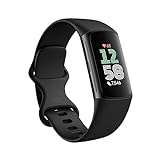
- Find your way seamlessly during runs or rides with turn-by-turn directions from Google Maps on Fitbit Charge 6[7, 8]; and when you need a snack break on the go, just tap to pay with Google Wallet[8, 9]
There was no heart rate tracking, no GPS, and no touchscreen. Navigation relied on a single side button, and the display was meant for quick glances rather than interaction, reinforcing its role as a passive, always-on fitness companion.
At the time, this was exactly what many users wanted. It offered up to 7 to 10 days of battery life, automatic sleep tracking, silent vibrating alarms, and broad compatibility with iOS, Android, and desktop syncing via Bluetooth or USB dongle.
The Fitbit Charge HR: heart rate comes to the wrist
Later in 2014, Fitbit released the Charge HR, which kept the same basic shape and philosophy but added continuous optical heart rate monitoring. This was a major step forward for Fitbit, as heart rate tracking had previously been limited to chest straps or bulkier devices.
The heart rate sensor used green LEDs on the underside of the band and tracked beats per minute throughout the day and during sleep. This enabled more accurate calorie estimates and deeper sleep insights, which were significant upgrades at the time.
The trade-off was battery life and comfort. The Charge HR typically lasted around 5 days per charge, and the band was thicker and stiffer to accommodate the sensor hardware, which some users noticed during all-day wear or sleep.
Where they fit in the wider wearable market
The Charge and Charge HR arrived before the Apple Watch, before Android Wear matured, and before GPS fitness watches became mainstream. Their primary competitors were devices like the Jawbone UP and Nike FuelBand, not full-featured smartwatches.
Fitbit’s focus was data consistency rather than apps or notifications. These trackers prioritized steps, movement trends, and long-term habit building, with minimal distractions and a simple, durable design meant for constant wear.
This context matters today, because it explains both their strengths and their limitations. They were never intended to be multifunction wrist computers, and judged by their original goals, they executed extremely well.
Discontinuation and modern relevance
Both the Fitbit Charge and Charge HR have long since been discontinued and replaced by newer Charge models with touchscreens, built-in GPS, and advanced health metrics. Fitbit’s current app still supports basic syncing for some legacy devices, but features, updates, and long-term compatibility are increasingly limited.
From a modern perspective, these trackers lack essentials many users now expect, such as smartphone notifications, SpO2 tracking, onboard workouts, or water resistance suitable for swimming. Even basic usability can be affected by aging batteries and worn bands in second-hand units.
Still, their simplicity, long battery life compared to smartwatches, and low resale prices mean they can make sense for very specific users. To understand whether that is true for you, it helps to look more closely at how the Charge and Charge HR differ in daily use, accuracy, and long-term value today.
Design, Build Quality, and Wearability: How the Original Charge Models Feel on the Wrist
Understanding whether the original Fitbit Charge or Charge HR still makes sense today starts with the most basic question: how do they actually feel to live with. These were designed to be worn constantly, not taken on and off like a traditional watch, and that philosophy shapes every part of their physical design.
Overall design language and first impressions
Both the Fitbit Charge and Charge HR share the same fundamental visual identity: a slim, rectangular tracker embedded directly into a rubberized wristband. There is no removable module, no interchangeable straps, and no attempt to resemble a conventional watch.
On the wrist, they read more like fitness equipment than jewelry. That was intentional, and at the time it aligned with Fitbit’s focus on behavior change rather than fashion.
The Charge HR looks noticeably bulkier than the standard Charge. The added thickness is subtle in photos but easy to feel in person, especially on smaller wrists, because the heart rate sensor increases both depth and stiffness.
Materials, finishing, and long-term durability
Fitbit used a flexible elastomer band paired with a plastic housing for the tracker body. The materials feel utilitarian rather than premium, but they were well suited to daily sweat, friction, and repeated flexing.
After years of real-world use, durability tends to hinge on the band rather than the electronics. Many surviving units show cracking near the clasp or along stress points where the band meets the tracker housing.
The display window is recessed slightly to protect it from scratches, which helps, but it is still prone to scuffs over time. Refurbished units often show cosmetic wear, though this rarely affects functionality.
Size, proportions, and wrist fit
By modern standards, both Charge models are narrow but long, wrapping more of the wrist than today’s compact trackers. The band sits flat, which helps stability during movement but can feel rigid compared to newer designs.
The standard Charge is easier to forget you are wearing, particularly for users with slim to average wrists. The Charge HR’s extra thickness makes it more noticeable, especially during sleep or when typing at a desk.
Fitbit offered multiple band sizes, which matters a lot here. A poorly sized band exaggerates discomfort, while a correct fit makes even the HR tolerable for all-day wear.
Strap design and clasp experience
The integrated strap uses a traditional pin-and-tuck closure, similar to a sport watch. It is secure and rarely comes undone accidentally, even during exercise.
That said, the lack of replaceable bands is a major limitation today. If the strap degrades, the entire device becomes difficult or impossible to wear comfortably.
Compared to modern Fitbit models with interchangeable bands, this feels restrictive, especially for second-hand buyers who may inherit years of wear.
Display, controls, and interaction
Both models use a small monochrome OLED display with a physical button on the side. There is no touchscreen, and interaction is limited to cycling through stats with button presses.
The screen is sharp enough indoors but can be hard to read in direct sunlight. It shows steps, distance, calories, and time, with the Charge HR adding heart rate readouts.
From a wearability perspective, the lack of constant interaction is actually a benefit. There are no buzzing notifications, no accidental touches, and no pressure to engage with the screen throughout the day.
Comfort during all-day wear and sleep
For daytime wear, the standard Charge is generally comfortable once properly fitted. Its lighter weight and slimmer profile make it easier to ignore during routine activities.
The Charge HR is more divisive. Some users adapt quickly, while others remain aware of the sensor bump against the wrist, particularly when resting their hand on hard surfaces.
Sleep tracking was a core use case, and here comfort matters most. The standard Charge performs better for overnight wear, while the HR’s added bulk is often the deciding factor for users who eventually stopped wearing it to bed.
Water resistance and everyday resilience
Neither the Charge nor the Charge HR was designed for swimming. They are splash-resistant, suitable for rain, hand washing, and sweat, but not submersion.
This limitation affects how confidently you can wear them all day. Many users developed habits around removing them near water, which breaks the “always on” tracking experience Fitbit aimed for.
In practical terms, surviving units that were treated carefully tend to age better. Water exposure is one of the most common reasons older models fail.
How the design holds up by modern standards
Viewed through a modern lens, the original Charge designs feel dated but purposeful. They lack the refinement, modularity, and comfort improvements introduced in later generations.
At the same time, their simplicity contributes to reliability and ease of use. There is very little to configure, adjust, or manage on the device itself.
For buyers considering a legacy Fitbit today, wearability often becomes the deciding factor. If the physical design works for your wrist and lifestyle, the rest of the experience becomes much easier to live with.
Display, Controls, and Daily Interaction: Buttons, Screens, and Usability by Today’s Standards
Once you move past comfort and durability, the way you actually interact with the Fitbit Charge and Charge HR becomes the next major differentiator. These devices were designed for quick glances and minimal engagement, not constant touch-based interaction.
That philosophy still defines the experience today, for better and for worse.
Screen technology and visibility
Both the Fitbit Charge and Charge HR use small, monochrome OLED displays. Resolution is low by modern standards, but the screens are sharp enough to show step counts, distance, calories, and time without ambiguity.
The displays are not always-on. They activate through wrist movement or direct interaction, which helped preserve battery life but can feel sluggish compared to modern trackers that wake instantly.
Outdoor visibility is acceptable in shade and overcast conditions, but direct sunlight can wash out the screen. Indoors and at night, the OLED contrast works well, especially for checking stats in bed without flooding the room with light.
Tap versus button: two very different control philosophies
The original Fitbit Charge relies entirely on a tap-based interface. You physically tap the front of the band to cycle through metrics, with no physical buttons at all.
In practice, this can be inconsistent. Light taps sometimes fail to register, while firmer taps can feel awkward on the wrist, especially during workouts or while walking.
The Charge HR adds a physical side button, and this single change dramatically improves usability. Pressing a button to advance screens is faster, more reliable, and far less frustrating than tapping, particularly as the devices age.
Daily interaction flow and limitations
On both models, interaction is strictly linear. You cycle through stats one screen at a time, with no shortcuts, customization, or quick access to specific metrics.
Rank #2

- Inspire 3 is the tracker that helps you find your energy, do what you love and feel your best. All you have to do is wear it.Operating temperature: 0° to 40°C
- Move more: Daily Readiness Score(1), Active Zone Minutes, all-day activity tracking and 24/7 heart rate, 20+ exercise modes, automatic exercise tracking and reminders to move
- Stress less: always-on wellness tracking, daily Stress Management Score, mindfulness sessions, relax breathing sessions, irregular heart rhythm notifications(2), SpO2(3), menstrual health tracking, resting heart rate and high/low heart rate notifications
- Sleep better: automatic sleep tracking, personalized Sleep Profile(1), daily detailed Sleep Score, smart wake vibrating alarm, sleep mode
- Comfortably connected day and night: calls, texts & smartphone app notifications(4), color touchscreen with customizable clock faces, super lightweight and water resistant to 50 meters, up to 10 day battery life(5)
There are no app notifications, no music controls, and no on-device settings beyond the basics. Everything beyond simple stat viewing happens in the Fitbit app after syncing.
By modern standards, this feels extremely limited. However, for users who want passive tracking without distraction, the simplicity can still be appealing.
Responsiveness and aging hardware realities
Responsiveness varies widely depending on the condition of the unit. Well-preserved devices still wake reliably, while heavily used ones may show delayed screen activation or missed inputs.
Tap recognition on the standard Charge tends to degrade more noticeably over time. The Charge HR’s button, while not immune to wear, generally holds up better and remains usable longer.
Screen burn-in is uncommon, but uneven brightness can appear on older units. This does not usually affect readability, but it does reinforce that these are aging devices.
Battery interaction and charging habits
Because interaction is minimal, battery life remains one of the more positive aspects of daily use. Both models typically last several days on a charge, even years later, assuming the battery is still healthy.
Charging requires removing the band and attaching a proprietary clip-style charger. This process is less convenient than modern magnetic chargers but becomes routine quickly.
The lack of frequent interaction also means fewer charging interruptions. You are not tempted to wake the screen constantly, which helps preserve battery longevity.
Usability compared to modern fitness trackers
Compared to current Fitbit models or modern budget trackers, the Charge and Charge HR feel starkly stripped down. There is no touch navigation, no color UI, and no real-time feedback beyond basic metrics.
At the same time, there is very little to misconfigure or misunderstand. For beginners, especially those new to fitness tracking, the learning curve is almost nonexistent.
If you expect smartwatch-like interaction, these devices will disappoint immediately. If you want a quiet, glanceable tracker that stays out of the way, their old-school approach still has merit.
Which interaction style ages better today?
Between the two, the Charge HR’s physical button makes it the more livable device in 2026. It reduces frustration and improves reliability during workouts and daily checks.
The standard Charge’s tap-only control is workable but increasingly dated, especially for users accustomed to modern touchscreens. It demands patience and a tolerance for occasional missed inputs.
For second-hand buyers, control method alone can be a deciding factor. If daily interaction matters to you, the Charge HR remains the more practical choice, even with its added bulk.
Fitness and Activity Tracking Features: Steps, Distance, Sleep, and Exercise Modes Compared
After understanding how you physically interact with these trackers, the next question is whether the data they collect is still useful today. This is where the Fitbit Charge and Charge HR show their age most clearly, but also where their core strengths remain intact.
Both devices were designed around passive, all-day tracking rather than guided workouts or on-screen coaching. They quietly log movement in the background and rely on the Fitbit app to turn that raw data into something meaningful.
Step counting and daily movement accuracy
Step tracking is the foundation of both models, and it remains surprisingly reliable even by modern standards. Using a 3-axis accelerometer, the Charge and Charge HR count steps consistently during walking and general daily movement.
Neither tracker is particularly good at filtering out non-walking arm motion, such as hand gestures or driving on rough roads. This was common for the era and is something modern trackers handle better with more advanced motion algorithms.
For basic daily goals like hitting 8,000 to 10,000 steps, both models perform nearly identically. There is no practical accuracy advantage to the Charge HR here, despite its added heart rate sensor.
Distance tracking and what it really measures
Distance is estimated using stride length rather than GPS, which means accuracy depends heavily on how well your profile is set up in the Fitbit app. Taller users with consistent walking patterns tend to see better results than shorter users or those with variable stride lengths.
Neither device records routes, pace maps, or real-time distance feedback during an activity. Everything is reviewed after the fact in the app, reinforcing the passive tracking philosophy.
For casual walking and daily mileage awareness, distance estimates are adequate. For runners or anyone training with precision, these trackers fall well short of modern expectations.
Sleep tracking: automatic but limited
Sleep tracking was one of Fitbit’s standout features even in this early generation, and both models support automatic sleep detection. You simply wear the tracker to bed, and it logs sleep duration and basic sleep quality metrics.
What you get is total sleep time, time awake, and restlessness, not modern sleep stages like REM or deep sleep. The data is still useful for spotting trends, such as inconsistent bedtimes or chronically short sleep.
Comfort plays a role here, and the slimmer standard Charge is slightly easier to sleep in. The Charge HR’s thicker body and heart rate sensor can be noticeable for side sleepers, especially on narrower wrists.
Exercise modes and workout tracking limitations
Both devices support a small set of exercise modes, including walking, running, and cycling. These modes mainly act as labels for activity sessions rather than changing what data is collected.
There is no real-time pace, heart rate zones on-device, or workout alerts. You start and stop workouts using the button or tap interface, and review everything later in the app.
The Charge HR adds one important layer during exercise: continuous heart rate tracking. This allows for calorie burn estimates that are more individualized, especially during sustained cardio sessions.
Heart rate tracking as a differentiator
The Charge HR’s optical heart rate sensor was a major upgrade at the time and remains the defining difference between the two models. It tracks heart rate throughout the day and during sleep, not just during workouts.
Accuracy is acceptable for steady-state activities like walking or easy jogging but struggles with interval training or rapid intensity changes. This limitation is due to early-generation optical sensor technology and slower sampling rates.
If heart rate data matters to you at all, the standard Charge feels incomplete by comparison. Without heart rate, calorie estimates and fitness insights are more generalized and less personal.
Calorie tracking and fitness insights
Both trackers estimate calories burned based on steps, movement intensity, and user profile data. The Charge HR refines this with heart rate input, making its calorie numbers more believable over a full day.
That said, neither device offers modern readiness scores, training load metrics, or recovery insights. The data is presented plainly, leaving interpretation largely up to the user.
For beginners focused on awareness rather than optimization, this simplicity can actually be a benefit. There is no data overload, only the essentials.
How these tracking features hold up today
Viewed through a 2026 lens, the fitness tracking on both devices feels basic but dependable. They excel at consistency, quietly collecting the same metrics day after day with minimal intervention.
They are best suited for users who want accountability rather than performance analytics. If your goal is to move more, sleep longer, and stay generally active, both models still deliver on that promise.
Choosing between them comes down to whether heart rate data is worth the trade-off in size and comfort. For most buyers today, the Charge HR’s richer fitness data makes it the more complete tracker, even if both feel unmistakably of their time.
Heart Rate Tracking Explained: The Key Difference Between Fitbit Charge vs Charge HR
Everything discussed so far about simplicity versus insight ultimately circles back to heart rate tracking. This single feature is what separates the Fitbit Charge from the Charge HR, not just on a spec sheet, but in how the device fits into daily life and long-term fitness habits.
Understanding how Fitbit implemented heart rate on the Charge HR, and what you lose without it on the standard Charge, is essential if you are comparing these two models today.
Why heart rate mattered so much on the Charge HR
When the Charge HR launched, built-in optical heart rate sensing was still rare on wrist-based fitness trackers. Fitbit’s PurePulse system used green LED sensors on the underside of the band to measure blood flow through the wrist, enabling continuous heart rate tracking without a chest strap.
This allowed the Charge HR to record resting heart rate trends, daytime heart rate patterns, and overnight heart rate during sleep. For many users at the time, this was their first exposure to passive, all-day heart data rather than manual workout-only readings.
Even now, heart rate remains one of the most meaningful health metrics a wearable can collect. It adds context to activity levels in a way step counts alone never can.
What the standard Fitbit Charge lacks without heart rate
The original Fitbit Charge does not measure heart rate at all. It relies entirely on motion sensors and user-entered profile data like age, height, and weight to estimate calories burned and activity intensity.
This approach works reasonably well for step counting and basic activity goals. However, it cannot detect how hard your body is actually working, especially during non-step-based activities or periods of elevated stress.
As a result, calorie burn estimates are broader approximations, and there is no visibility into resting heart rate, sleep heart patterns, or cardiovascular trends over time.
Rank #3

- 【BUILT-IN GPS SMART WATCH – GO FURTHER, FREER, SMARTER】No phone? No problem. This fitness watch for women, featuring the latest 2025 technology, includes an advanced professional-grade GPS chip that precisely tracks every route, distance, pace (real-time & average), and calorie burned—completely phone-free. Whether you're chasing new personal records or exploring off the beaten path, your full journey is automatically mapped and synced in the app. Train smarter. Move with purpose. Own your progress. Own your journey.
- 【BLUETOOTH 5.3 CALLS & SMART NOTIFICATIONS】Stay effortlessly connected with this smart watch for men and women, featuring dual Bluetooth modes (BT 3.0 + BLE 5.3) and a premium microphone for crystal-clear calls right from your wrist—perfect for driving, workouts, or busy days. Receive instant alerts for calls, texts, and popular social apps like WhatsApp and Facebook. Just raise your wrist to view notifications and never miss an important moment.
- 【100+ SPORT MODES & IP68 WATERPROOF & DUSTPROOF】This sport watch is a versatile activity and fitness tracker with 100+ modes including running, cycling, yoga, and more. It features quick-access buttons and automatic running/cycling detection to start workouts instantly. Accurately track heart rate, calories, distance, pace, and more. Set daily goals on your fitness tracker watch and stay motivated with achievement badges. With IP68 waterproof and dustproof rating, it resists rain and sweat for any challenge. Not suitable for showering, swimming, or sauna.
- 【24/7 HEALTH ASSISTANT & SMART REMINDERS】This health watch continuously monitors heart rate, blood oxygen, and stress levels for comprehensive wellness tracking. Sleep monitoring includes deep, light, REM sleep, and naps to give you a full picture of your rest. Stay on track with smart reminders for sedentary breaks, hydration, medication, and hand washing. Women can also monitor menstrual health. Includes guided breathing exercises to help you relax. Your ultimate health watch with event reminders for a healthier life.
- 【ULTRA HD DISPLAY, LIGHTWEIGHT & CUSTOMIZABLE DIALS】This stylish wrist watch features a 1.27-inch (32mm) 360×360 ultra HD color display with a 1.69-inch (43mm) dial, offering vivid details and responsive touch. Its minimalist design fits both business and casual looks. Switch freely among built-in designer dials or create your own DIY watch face using photos, colors, and styles to showcase your unique personality. Perfect as a cool digital watch and fashion wrist watch.
Real-world accuracy of Charge HR heart rate tracking
By modern standards, the Charge HR’s optical heart rate accuracy is modest. It performs best during steady, rhythmic activities such as walking, light jogging, or all-day background tracking.
During interval training, weightlifting, or activities with rapid arm movement, readings can lag or smooth over spikes. This is due to early sensor hardware, limited processing power, and slower sampling compared to current-generation trackers.
That said, for everyday use, the data is consistent enough to reveal trends. Resting heart rate changes, prolonged elevated heart rate, and general cardio intensity are captured reliably over weeks and months.
Impact on calorie burn and fitness insights
Heart rate data significantly improves calorie estimation, and this is where the Charge HR still holds an advantage today. Fitbit’s algorithms use heart rate to adjust calorie burn based on actual exertion rather than assumed intensity.
For users who walk frequently, stand for long periods, or perform low-impact exercise, this makes daily calorie totals feel more believable. Without heart rate, the standard Charge often underestimates or overestimates effort depending on movement patterns.
Neither device offers advanced analytics like VO2 max, training readiness, or recovery scoring. However, the Charge HR’s added physiological input gives its basic insights more credibility.
Heart rate and sleep tracking differences
Both devices track sleep duration and movement-based sleep stages in Fitbit’s older sleep model. The Charge HR adds overnight heart rate data, which allows for more nuanced sleep reports within the Fitbit app.
You can view sleeping heart rate trends and compare them night to night, which can reveal patterns related to stress, illness, or improved fitness. The standard Charge only reports sleep time and restlessness, offering a flatter view of sleep quality.
For users interested in overall wellness rather than just activity counts, this distinction is more meaningful than it might first appear.
Design trade-offs created by the heart rate sensor
The inclusion of optical sensors made the Charge HR thicker and slightly heavier than the standard Charge. The underside bulge is noticeable, especially on smaller wrists, and the band is less flexible as a result.
Comfort during all-day wear is still good by the standards of its era, but the standard Charge feels slimmer and less intrusive. Some users with sensitive skin also reported occasional irritation from the sensor area during extended wear.
This is the core trade-off: richer data versus a cleaner, more minimal wearing experience.
Battery life implications of continuous heart rate tracking
Continuous heart rate monitoring consumes more power, and the Charge HR reflects that compromise. Battery life typically lands around four to five days, depending on usage and screen interaction.
The standard Charge, without heart rate sensors, can often stretch closer to seven days on a single charge. For users who dislike frequent charging, this difference is noticeable in daily ownership.
Even so, both devices outperform most modern smartwatches when it comes to endurance, reinforcing their appeal as low-maintenance trackers.
Who heart rate tracking actually matters for today
If you care about understanding how your body responds to activity, stress, and rest, the Charge HR remains the more informative device. Its heart rate data adds depth that makes the tracker feel purposeful rather than purely motivational.
If your goals are limited to counting steps, staying lightly active, and wearing the most comfortable band possible, the standard Charge still does the job. The absence of heart rate simplifies the experience but also limits long-term insight.
For most buyers considering these models in 2026, heart rate tracking is not a luxury feature anymore. It is the deciding factor that makes the Charge HR feel complete, while the original Charge feels like a snapshot of fitness tracking before biometrics became the norm.
Accuracy and Real-World Performance: How These Trackers Hold Up in Everyday Use
Once heart rate enters the equation, expectations naturally rise beyond simple step counting. This is where the Fitbit Charge and Charge HR start to diverge not just on features, but on how trustworthy and useful their data feels in daily life.
These trackers come from an era before multi-band GPS, advanced algorithms, and machine-learned activity detection. That context matters, because judged by the standards of their time, both devices were considered reliable, but their limitations are easier to spot today.
Step counting accuracy in day-to-day movement
Both the Fitbit Charge and Charge HR rely on a basic three-axis accelerometer for step tracking. In real-world use, step counts tend to be consistently close to reality during normal walking, commuting, and casual activity.
Short bursts of movement, like pacing while on the phone or cooking, are sometimes overcounted. This behavior is typical of early-generation fitness trackers and not unique to Fitbit.
On longer walks or full-day wear, the totals usually land within a reasonable margin, making them dependable for motivation and trend tracking rather than precise measurement. For users focused on hitting daily movement goals, both trackers still deliver a clear, understandable signal.
Heart rate accuracy on the Fitbit Charge HR
The Charge HR uses one of Fitbit’s first-generation optical heart rate sensors, and its performance reflects that early-stage technology. During steady-state activities like walking, light jogging, or general daily movement, readings are broadly accurate and consistent.
Accuracy drops during high-intensity workouts, rapid pace changes, or exercises involving wrist flexion. Spikes and brief dropouts are not uncommon, especially compared to modern trackers or chest straps.
For resting heart rate trends, which many users still value today, the Charge HR performs better than expected. Over time, the baseline data is stable enough to identify changes in fitness, stress, or illness, even if moment-to-moment precision is limited.
Sleep tracking reliability and limitations
Sleep tracking on both models is based on movement rather than heart rate variability or sleep staging. As a result, the data focuses on total sleep duration and restlessness rather than detailed sleep phases.
In practice, bedtime and wake-up times are usually captured accurately, especially for users with consistent schedules. Periods of tossing and turning are reflected as restlessness, though quiet wakefulness is often misclassified as sleep.
The Charge HR does not meaningfully outperform the standard Charge for sleep accuracy, despite its heart rate sensor. This makes sleep tracking more of a general awareness tool than a diagnostic feature, even by the standards of legacy devices.
Activity recognition and workout tracking
Neither tracker offers automatic activity recognition in the modern sense. Workouts must be logged manually or inferred later in the Fitbit app based on step patterns and duration.
Distance estimates rely on stride length rather than GPS, which works reasonably well for consistent walkers but becomes less accurate for runners or variable terrain. Treadmill use, in particular, can skew results unless stride length is carefully calibrated.
For casual fitness routines, these limitations are manageable. For structured training or performance tracking, they quickly feel restrictive compared to newer devices.
Consistency over time and long-term data trust
One of Fitbit’s historical strengths was consistency, and that applies here as well. While individual readings may not always be precise, trends over weeks and months are generally reliable.
Step averages, resting heart rate trends on the Charge HR, and overall activity levels form a coherent picture when viewed longitudinally. This makes the data useful for habit-building and lifestyle awareness rather than athletic optimization.
It is important to note that refurbished units may show more variance due to aging sensors and batteries. Real-world accuracy today depends as much on the condition of the device as the original hardware design.
Everyday usability and real-life wear scenarios
In daily wear, both trackers perform best when expectations are set appropriately. They excel at passive tracking, minimal interaction, and providing a gentle nudge toward activity.
The small monochrome display limits on-device feedback, so most interpretation happens in the app. Sync reliability remains decent, though slower and less seamless than modern Bluetooth implementations.
For users coming from no tracker at all, the experience still feels surprisingly complete. For anyone accustomed to newer Fitbit models or smartwatches, the performance feels basic but functional, anchored more in consistency than sophistication.
Battery Life, Charging, and Longevity: What to Expect from Aging Hardware
All of the everyday usability points above eventually circle back to one unavoidable reality with legacy wearables: battery condition now plays a bigger role in the experience than the original spec sheet ever did. With the Fitbit Charge and Charge HR long discontinued, real-world battery life today is as much about age and prior use as it is about design.
Understanding what these trackers were capable of when new, and how that has changed over time, is critical if you are considering a used or refurbished unit.
Original battery life claims versus today’s reality
When new, the Fitbit Charge was rated for up to seven days of use on a single charge. In practice, most users saw five to six days with continuous step tracking, sleep monitoring, and periodic syncing.
The Charge HR, with its always-on optical heart rate sensor, launched with a shorter quoted battery life of around five days. Real-world use often landed closer to four days, especially for users who wore it continuously and synced frequently.
Fast forward to today, and those numbers are optimistic. Many surviving units deliver anywhere from one to three days of battery life, depending on cell health, sensor use, and ambient temperature.
Battery degradation and what it looks like in daily use
Lithium-ion batteries degrade slowly but inevitably, and these devices are now well beyond their intended lifespan. Capacity loss typically shows up as faster-than-expected drain, sudden drops from 20 percent to zero, or the device shutting down during sync.
The Charge HR tends to show degradation sooner and more dramatically than the standard Charge. Continuous heart rate monitoring places a constant load on the battery, and aging sensors often require more power to maintain readings.
Rank #4

- 24H Accurate Heart Rate Monitoring: Go beyond basic tracking. Our watch automatically monitors your heart rate, blood oxygen (SpO2), and sleep patterns throughout the day and night. Gain deep insights into your body's trends and make informed decisions for a healthier lifestyle.
- Practical Sports Modes & Smart Activity Tracking: From running and swimming to yoga and hiking, track a wide range of activities with precision. It automatically records your steps, distance, calories burned, and duration, helping you analyze your performance and crush your fitness goals.
- 1-Week Battery Life & All-Day Wear: Say goodbye to daily charging. With an incredible up to 7-10 days of battery life on a single charge, you can wear it day and night for uninterrupted sleep tracking and worry-free travel. Stay connected to your data without the hassle.
- Comfortable to Wear & IP68 Waterproof: The lightweight, skin-friendly band is crafted for all-day comfort, even while you sleep. With IP68 waterproof, it withstands rain, sweat, It is not suitable for swimming or showering.
- Ease of Use and Personalized Insights via Powerful App: The display is bright and easy to read, even outdoors. Unlock the full potential of your watch. Sync with our dedicated app to view detailed health reports, customize watch faces, set sedentary reminders, and manage your preferences with ease.
Cold environments exaggerate these issues. A Charge or Charge HR worn outdoors in winter may lose charge rapidly or power off entirely, even if the battery appears partially full indoors.
Charging system quirks and long-term wear
Both models rely on a proprietary snap-in charging cradle that connects via USB. The charger aligns metal contacts on the underside of the tracker, held in place by friction rather than magnets.
This design works well when new but is sensitive to wear. Dirty contacts, slightly warped housings, or loose cables can result in inconsistent charging or the device failing to charge unless positioned just right.
Replacement chargers are still available online, but quality varies. Third-party cables can work, though some deliver slower charging speeds or require more careful alignment.
Charging time and day-to-day convenience
Even with an aging battery, charging remains relatively quick. A near-empty unit typically reaches full charge in one to two hours, making short top-ups feasible if you build them into a daily routine.
However, frequent charging becomes unavoidable as battery health declines. What was once a weekly habit may turn into an every-other-day or daily task, which changes how convenient these trackers feel compared to modern devices.
Because there is no fast charging or quick-boost feature, planning becomes part of ownership. Forgetting to charge overnight often means losing a full day of tracking.
Longevity of internal components beyond the battery
The battery is not the only aging component. Displays can develop uneven contrast, buttons may become less responsive, and vibration motors can weaken over time.
On the Charge HR, heart rate sensors are especially vulnerable. Degraded LEDs or photodiodes can lead to intermittent readings or longer lock-on times, which in turn increases battery drain.
None of these components are user-replaceable. Once internal wear reaches a certain point, replacement rather than repair becomes the only practical option.
Water resistance, sweat exposure, and long-term durability
Neither the Fitbit Charge nor Charge HR was designed for swimming. They were marketed as sweat-resistant and splash-resistant, suitable for rain or hand washing but not submersion.
Over years of use, repeated exposure to sweat and moisture can compromise seals and charging contacts. This is a common cause of charging failures in older units, even if the battery itself remains functional.
Second-hand buyers should be cautious of trackers that show corrosion near charging pins or inconsistent charging behavior, as moisture damage tends to worsen rather than stabilize.
Software support and its impact on longevity
While Fitbit still allows these devices to sync with the app, they no longer receive firmware updates. This means battery optimization improvements seen on newer models never made their way here.
Syncing is also less efficient than modern Bluetooth implementations. Longer sync times translate to more screen-on time and radio use, subtly increasing power consumption on already weakened batteries.
Compatibility with current smartphones is generally stable, but as operating systems evolve, there is always the risk that support could become more limited over time.
What to expect when buying used or refurbished
Condition matters more than branding or cosmetic appearance. A lightly scuffed tracker with a healthy battery will outperform a pristine-looking unit that has lived on a charger for years.
Ask sellers about real-world battery life, not just whether the device “holds a charge.” A claim of two days of use is far more meaningful than a vague statement that it still works.
Refurbished units from reputable sellers may include battery testing or replacement, but many simply reset and clean the device. Pricing should reflect that uncertainty, especially when compared to entry-level modern trackers with fresh batteries.
Who battery limitations matter most for
For casual users focused on basic step counts and occasional heart rate trends, reduced battery life is an inconvenience rather than a deal-breaker. Charging every couple of days may be acceptable if the price is right.
For users who value uninterrupted sleep tracking, consistent heart rate data, or hands-off ownership, aging batteries quickly become frustrating. In those cases, even a budget modern Fitbit will feel dramatically more reliable.
Battery life, more than any other factor, defines whether the Fitbit Charge or Charge HR still fits into your daily routine today.
Software, App Support, and Compatibility in 2026: Fitbit App Limitations and Syncing Issues
Battery health sets the baseline for daily usability, but software support ultimately determines whether these trackers still feel functional in a modern ecosystem. In 2026, the Fitbit Charge and Charge HR exist in a state of technical allowance rather than active support.
They still sync, still log data, and still appear in the Fitbit app, but the experience is clearly frozen in time. Understanding those limits is essential before committing to either device today.
Fitbit app support in 2026: what still works
Both the Fitbit Charge and Charge HR can still pair with the current Fitbit app on Android and iOS, provided the device firmware is already installed and functioning. Core metrics like steps, distance, calories, basic sleep duration, and heart rate (on the Charge HR) continue to upload reliably.
Historical data remains accessible, which matters for long-time Fitbit users who want continuity in their activity records. The app still presents daily totals and long-term trends, even if the visualizations feel increasingly simplified compared to newer devices.
That said, these trackers are locked into an older feature set. They do not support newer Fitbit app features like advanced sleep staging, readiness-style insights, stress tracking, or modern workout summaries.
No firmware updates and why that matters now
Neither the Fitbit Charge nor the Charge HR has received firmware updates for many years, and that stagnation shows more with each app revision. There are no bug fixes, no Bluetooth stability improvements, and no optimization for newer phones or operating systems.
As a result, syncing behavior can feel inconsistent. Some days sync completes in seconds, while other days it requires keeping the app open, toggling Bluetooth, or restarting the phone.
Because firmware cannot be updated, any syncing quirks you experience today are likely permanent. This becomes especially noticeable on phones with aggressive background app management, where older Fitbit devices struggle to maintain a stable connection.
Android and iOS compatibility realities
On modern Android phones, compatibility is generally better, particularly with mid-range and flagship devices that still allow persistent Bluetooth Low Energy connections. However, battery optimization settings can interrupt background syncing, requiring manual adjustments to keep the Fitbit app active.
iPhone users tend to face stricter limitations. iOS updates increasingly deprioritize older Bluetooth peripherals, and the Fitbit app sometimes fails to auto-sync unless opened manually.
Neither platform guarantees long-term compatibility. While Fitbit has not announced an end-of-life cutoff for these models, OS-level changes are the most likely reason syncing could degrade further over time.
Account changes and data management limitations
By 2026, Fitbit’s transition toward Google-linked accounts is largely complete. Older devices like the Charge and Charge HR still function under this system, but the setup process can be less intuitive than it was years ago.
Some users report needing to re-pair devices during account migrations, especially if the tracker was previously inactive. Once paired, data uploads normally, but troubleshooting options are limited compared to newer Fitbit models.
Exporting data is still possible through Fitbit’s tools, but integrations with third-party fitness platforms are minimal. Automatic syncing to services like Strava or Apple Health is either unsupported or requires manual workarounds.
Desktop support and legacy features that are gone
The old Fitbit desktop app and dongle-based syncing are fully retired. All syncing now relies on smartphones, which removes a once-useful fallback for users with older computers or unstable phone connections.
Live dashboards that once felt central to the Fitbit experience have been simplified. The focus is now on mobile-first summaries, which can feel sparse when paired with trackers that already collect limited data.
Notifications, alarms, and silent alerts still work on-device, but they lack the reliability and customization found on newer trackers. Call notifications, in particular, can be hit or miss depending on phone model and OS version.
Real-world syncing experience in daily use
In everyday wear, syncing typically works best when treated as a manual habit rather than an automatic background process. Opening the app once or twice a day and waiting for a full sync reduces missed data and connection errors.
Longer sync times also contribute to battery drain, especially on aging units. Screen-on time and prolonged Bluetooth activity add up, reinforcing the close relationship between software limitations and declining battery performance.
For users who expect a modern, invisible syncing experience, this can feel dated. For those comfortable with a more hands-on routine, the process remains manageable.
Who software limitations matter most for
First-time fitness tracker users may not notice what’s missing if their expectations are modest. Basic activity tracking, heart rate trends on the Charge HR, and step goals still function as intended.
More experienced wearable users, or anyone coming from a recent Fitbit or smartwatch, will immediately feel the gaps. Missing features, slower syncing, and occasional connection issues can quickly erode confidence in daily tracking.
In 2026, the Fitbit Charge and Charge HR are best understood as legacy devices operating on borrowed software time. They still work, but only if you’re willing to accept the friction that comes with aging app support and frozen firmware.
💰 Best Value

- 【Superb Visual Experience & Effortless Operation】Diving into the latest 1.58'' ultra high resolution display technology, every interaction on the fitness watch is a visual delight with vibrant colors and crisp clarity. Its always on display clock makes the time conveniently visible. Experience convenience like never before with the intuitive full touch controls and the side button, switch between apps, and customize settings with seamless precision.
- 【Comprehensive 24/7 Health Monitoring】The fitness watches for women and men packs 24/7 heart rate, 24/7 blood pressure and blood oxygen monitors. You could check those real-time health metrics anytime, anywhere on your wrist and view the data record in the App. The heart rate monitor watch also tracks different sleep stages for light and deep sleep,and the time when you wake up, helps you to get a better understanding of your sleep quality.
- 【120+ exercise modes & All-Day Activity Tracking】There are more than 120 exercise modes available in the activity trackers and smartwatches, covering almost all daily sports activities you can imagine, gives you new ways to train and advanced metrics for more information about your workout performance. The all-day activity tracking feature monitors your steps, distance, and calories burned all the day, so you can see how much progress you've made towards your fitness goals.
- 【Messages & Incoming Calls Notification】With this smart watch fitness trackers for iPhone and android phones, you can receive notifications for incoming calls and read messages directly from your wrist without taking out your phone. Never miss a beat, stay in touch with loved ones, and stay informed of important updates wherever you are.
- 【Essential Assistant for Daily Life】The fitness watches for women and men provide you with more features including drinking water and sedentary reminder, women's menstrual period reminder, breath training, real-time weather display, remote camera shooting, music control,timer, stopwatch, finding phone, alarm clock, making it a considerate life assistant. With the GPS connectivity, you could get a map of your workout route in the app for outdoor activity by connecting to your phone GPS.
Fitbit Charge vs Fitbit Charge HR: Side-by-Side Comparison and Key Specs Breakdown
After understanding the software limitations and day-to-day syncing realities, the hardware differences between the Fitbit Charge and Fitbit Charge HR become even more important. These two trackers look similar at a glance, but they were designed for slightly different users, and those differences still matter when choosing a legacy Fitbit today.
This comparison focuses on what separates them in real-world use rather than just spec-sheet bullet points. Heart rate tracking, comfort, battery life, and long-term wearability are where the experience meaningfully diverges.
Core differences at a glance
The most important distinction is simple: the Fitbit Charge HR adds continuous optical heart rate tracking, while the original Fitbit Charge does not. Everything else builds outward from that single upgrade, including battery behavior, thickness, and the depth of health insights available in the Fitbit app.
Below is a clear side-by-side snapshot to ground the discussion.
| Feature | Fitbit Charge | Fitbit Charge HR |
|---|---|---|
| Release year | 2014 | 2015 |
| Heart rate tracking | No | Yes (continuous optical) |
| Activity tracking | Steps, distance, calories, floors | Steps, distance, calories, floors |
| Sleep tracking | Yes (manual start) | Yes (automatic with HR data) |
| Display | OLED, tap-to-wake | OLED, tap-to-wake |
| Battery life (rated) | Up to 7 days | Up to 5 days |
| Water resistance | Splash-resistant | Splash-resistant |
| Notifications | Calls, alarms, basic alerts | Calls, alarms, basic alerts |
| Band material | Textured elastomer | Smooth elastomer |
Design, dimensions, and comfort on the wrist
Physically, the two trackers share nearly identical footprints, with the Charge HR only slightly thicker to accommodate the heart rate sensor. On paper the difference is minor, but on smaller wrists the HR model feels denser and more noticeable during all-day wear.
The original Charge uses a textured elastomer band that feels more utilitarian and slightly stiffer. The Charge HR’s smoother band wears more like a continuous strap, which many users find more comfortable for sleeping and extended use.
Neither tracker offers interchangeable bands in the modern sense. The strap and module are integrated, which limits customization and makes second-hand condition especially important to check.
Display and on-device interaction
Both models use a small monochrome OLED display with a tap-to-wake gesture. The screen shows steps, distance, calories, time, and floors climbed, cycling through metrics with repeated taps.
In practice, responsiveness varies based on age and wear. Older units can require firmer taps, and the display brightness is modest by modern standards, especially outdoors.
There is no touchscreen or button-based navigation. Interaction is functional, but minimal, reinforcing that these trackers were designed to be checked briefly rather than actively used.
Health and fitness tracking differences
This is where the Charge HR earns its name and its continued relevance. Continuous heart rate tracking unlocks resting heart rate trends, basic cardio fitness insights, and more detailed sleep data inside the Fitbit app.
The original Charge relies entirely on motion-based tracking. It can count steps, estimate calories, and track sleep duration, but it lacks intensity data and heart rate zones entirely.
For users interested in general activity awareness, the Charge still delivers the basics. For anyone monitoring fitness progress, stress, or cardiovascular trends, the Charge HR is meaningfully more informative.
Sleep tracking and recovery insights
Sleep tracking works differently between the two models, even though both technically support it. The Charge requires manual sleep mode activation, which is easy to forget and leads to gaps in data.
The Charge HR uses heart rate variability and movement to automatically detect sleep. While far less advanced than modern Fitbit sleep stages, it provides a more complete overnight picture with less effort.
In long-term use, this difference alone often determines which device feels sustainable for daily wear.
Battery life and real-world aging behavior
At launch, the original Charge had a rated battery life of up to seven days, compared to five days for the Charge HR. In 2026, those numbers should be treated as optimistic ceilings rather than expectations.
Heart rate tracking places constant demand on the Charge HR’s battery, and aging cells can reduce real-world life to two or three days. The original Charge generally fares better, especially for users who disable frequent syncing.
Charging is done via proprietary clip-on chargers, which are easy to misplace and increasingly inconsistent in quality on the second-hand market.
Durability and water resistance limitations
Neither tracker is swim-proof. Both are rated only for splashes, sweat, and rain, which limits their usefulness for pool workouts or regular shower wear.
Over time, moisture exposure has been one of the most common failure points, particularly for the Charge HR due to its exposed heart rate sensor window. Careful use matters more now than it did when these trackers were new.
For buyers considering refurbished units, visible corrosion or clouding near the sensor is a red flag.
Compatibility and daily usability today
Both trackers rely entirely on smartphone syncing via Bluetooth and the Fitbit app. They are compatible with modern iOS and Android versions, but syncing is slower and less reliable than with current-generation devices.
Notifications are limited to call alerts and basic alarms. There is no app ecosystem, no message previews, and no customization beyond vibration on or off.
In daily use, the hardware differences between the Charge and Charge HR shape how tolerable those software constraints feel. The HR model offers more insight per sync, which helps justify the extra friction.
Which one makes more sense now
Between the two, the Fitbit Charge HR is almost always the better choice if prices are similar. Heart rate tracking fundamentally changes what the device can offer, even within today’s constrained software environment.
The original Fitbit Charge still has a place for users who want the longest possible battery life, fewer sensors, and the simplest step-counting experience. It is closer to a digital pedometer than a health tracker.
Understanding these differences upfront helps set realistic expectations. These are not modern fitness trackers, but when chosen carefully, one can still fit the right kind of user.
Are the Fitbit Charge or Charge HR Still Worth Buying Today? Who They’re For—and Who Should Avoid Them
Seen in the context of their age, the Fitbit Charge and Charge HR sit in a narrow but still relevant niche. They are no longer general-purpose fitness trackers, but for certain buyers with specific expectations, they can still make sense.
The key is understanding that you are buying into a stripped-down, legacy Fitbit experience. When expectations align, satisfaction follows; when they don’t, frustration is almost guaranteed.
Who the Fitbit Charge or Charge HR still makes sense for
These trackers are best suited to first-time wearable users who want the simplest possible introduction to activity tracking. Step counts, distance estimates, basic sleep tracking, and daily movement goals are front and center, without menus, apps, or configuration overhead.
Budget-conscious buyers shopping refurbished or second-hand can also find value here. When priced low enough, the Charge HR in particular offers heart rate-based metrics that still integrate cleanly into the modern Fitbit app.
They also work well for users who prefer a discreet, band-like form factor over a watch-style device. At under 22 mm wide with a lightweight elastomer strap, both models disappear on the wrist in a way many modern trackers no longer do.
For longtime Fitbit users who want a secondary device for walking, commuting, or low-stakes daily wear, these models can still slot into an existing Fitbit account without retraining habits. The familiarity of the interface and dashboard remains a strength.
Why the Charge HR is almost always the smarter pick
If choosing between the two today, the Charge HR is the more defensible purchase in nearly every scenario. Continuous heart rate tracking unlocks resting heart rate trends, calorie estimates tied to exertion, and more meaningful sleep data.
Those metrics make the slower syncing and limited display feel worthwhile. Without heart rate data, the original Charge often feels like a passive step counter rather than an active health device.
Battery life is slightly shorter on the HR, but in real-world use the difference is rarely deal-breaking. For most users, charging every four to five days versus five to seven is a reasonable trade-off for the added insight.
Who should avoid both models entirely
Anyone expecting modern fitness features should look elsewhere. There is no GPS, no swim tracking, no guided workouts, no SpO2, and no stress or recovery metrics by today’s standards.
Users who rely on smartwatch-style notifications will be disappointed. Call alerts are basic, and there are no message previews, quick replies, or app integrations.
These trackers are also a poor choice for athletes or data-driven users. The lack of exercise modes, real-time stats, and export flexibility limits their usefulness beyond casual activity tracking.
Finally, buyers uncomfortable with used electronics should be cautious. Battery degradation, worn straps, and unreliable third-party chargers are real risks that can erase any initial savings.
Price matters more than nostalgia
Whether either device is “worth it” depends almost entirely on price. At very low refurbished or second-hand prices, the Charge HR can still be a functional health tracker with meaningful daily value.
Once pricing creeps close to newer devices, the equation falls apart. Entry-level modern trackers offer better displays, water resistance, longer software support, and far more robust health metrics.
As a rule of thumb, the original Charge only makes sense at bargain-bin pricing, while the Charge HR has a bit more headroom thanks to its sensor set.
The bottom line today
The Fitbit Charge and Charge HR are products of a different era, and they should be judged accordingly. They reward simplicity, patience, and modest expectations.
For the right user—especially someone new to fitness tracking or shopping on a tight budget—the Charge HR can still deliver reliable, comfortable, day-to-day insight. For everyone else, these trackers are best viewed as stepping stones, not long-term solutions.
Go in informed, buy carefully, and these aging Fitbits can still earn their place on your wrist.