Heart rate is the quiet engine behind almost everything your Fitbit does. It influences how hard your workouts feel, how many calories you burn, how well you recover, and even how your sleep and stress are interpreted. If you have ever looked at your Fitbit and wondered whether those numbers really mean anything for your day-to-day health, this is where that understanding starts.
Fitbit heart rate tracking is designed to be passive, always-on, and useful even if you never follow a formal training plan. You do not need to start a workout or press a button for it to matter. From casual walks and desk work to sleep and all-day calorie burn, heart rate data is the backbone that turns a simple step counter into a full health and fitness tool.
What matters most for everyday users is not perfection, but consistency and context. Fitbit’s goal is to give you a reliable picture of trends over time, helping you understand effort, recovery, and overall cardiovascular load without needing chest straps, lab tests, or technical knowledge. Knowing what Fitbit is actually measuring, and how it uses that information, makes the data far more valuable and far less confusing.
How Fitbit measures your heart rate
Fitbit uses optical heart rate tracking, meaning green LEDs on the back of the watch or tracker shine light into your skin to detect blood flow changes with each heartbeat. As blood moves through your wrist, it reflects light differently, allowing the sensor to estimate beats per minute. This method is known as photoplethysmography, but in practice it simply means your Fitbit is constantly watching subtle changes beneath your skin.
🏆 #1 Best Overall
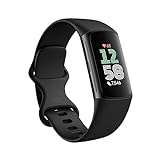
- Find your way seamlessly during runs or rides with turn-by-turn directions from Google Maps on Fitbit Charge 6[7, 8]; and when you need a snack break on the go, just tap to pay with Google Wallet[8, 9]
Unlike chest straps that read electrical signals directly from the heart, wrist-based optical sensors prioritize comfort and convenience. They are designed for all-day wear, working through meetings, errands, sleep, and workouts without requiring extra gear. This is why Fitbit heart rate data is always available, even when you are not actively exercising.
Because it sits on the wrist, fit and placement matter. A snug but comfortable fit, worn slightly above the wrist bone, gives the sensor the best chance of seeing clean signals. Skin tone, tattoos, wrist movement, temperature, and sweat can all influence readings, which is why Fitbit focuses on smoothing data and tracking patterns rather than chasing second-by-second clinical precision.
Why heart rate tracking matters beyond workouts
For most people, heart rate tracking is not about hitting elite performance numbers. It is about understanding how your body responds to everyday life. Resting heart rate trends can signal improving fitness, mounting fatigue, or illness, often before you feel obvious symptoms.
During the day, heart rate helps Fitbit estimate calorie burn more accurately than steps alone. Two people can walk the same distance and burn very different amounts of energy depending on how hard their heart is working. This is especially useful for beginners, people returning to exercise, or anyone focused on weight management and general health.
At night, heart rate becomes a recovery and wellness signal. Fitbit uses it to help interpret sleep stages, overnight recovery patterns, and stress-related metrics. Even if you never log a single workout, heart rate data quietly shapes how your Fitbit understands your overall health picture.
Reliability for everyday activities
For steady activities like walking, jogging, cycling, and general gym workouts, Fitbit heart rate tracking is generally consistent and reliable when worn correctly. These rhythmic movements give the sensor clean signals, making it well suited for most cardio and mixed-intensity sessions that everyday users perform.
Accuracy can dip during high-intensity intervals, heavy strength training, or activities with rapid wrist movement, such as boxing or rowing. In these cases, the heart rate may lag slightly or smooth out sharp spikes. For most users, this does not reduce the usefulness of the data, but it is important to understand that wrist-based tracking prioritizes trends over instantaneous precision.
The key is knowing what question you are asking. Fitbit heart rate is excellent for answering how hard you worked overall, how long you stayed at a certain intensity, and how your fitness is changing week to week. It is less suited for diagnosing medical conditions or fine-tuning elite race pacing.
Why Fitbit heart rate zones matter
Heart rate zones turn raw numbers into something actionable. Instead of guessing whether a workout was easy or hard, zones show how much time you spent at different intensity levels, from light movement to sustained cardio and peak effort. This makes it easier to balance workouts, avoid overtraining, and ensure you are actually pushing enough to improve fitness.
For beginners, zones remove guesswork. You can walk, jog, cycle, or use gym machines and still understand whether you are working in a fat-burning, endurance-building, or high-intensity range. For intermediate users, zones help structure workouts without needing detailed training plans.
Most importantly, zones help you trust your effort rather than chasing speed or distance alone. On tired days, a slower pace can still be productive if your heart rate is in the right zone. On strong days, higher zones confirm that your body is ready to work harder. This is where Fitbit heart rate tracking becomes a daily coaching tool, not just a background statistic.
How Fitbit Measures Heart Rate: Optical Sensors, Algorithms and What’s Happening Under Your Skin
Understanding why heart rate zones work starts with understanding how Fitbit captures your heart rate in the first place. What looks like a simple green light on the back of your watch is actually a constantly working system that combines hardware, software, and physiology to estimate how your heart responds to movement, stress, and recovery throughout the day.
The role of optical heart rate sensors
Fitbit uses optical heart rate sensors based on a technique called photoplethysmography, usually shortened to PPG. The sensor emits green LED light into your skin and measures how much of that light is reflected back to a photodiode. Because blood absorbs light differently than surrounding tissue, changes in blood volume with each heartbeat alter the reflected signal.
Every time your heart beats, blood flow in the tiny vessels of your wrist increases slightly. The sensor detects these rhythmic changes and converts them into a pulse signal that corresponds to your heart rate. This process happens many times per second, even when you are sitting still.
Green light is used because it strikes a balance between penetration depth and signal clarity at the wrist. It is more effective at detecting blood volume changes near the skin surface than red or infrared light, which is why green LEDs are standard for wrist-based heart rate tracking during exercise.
What the algorithms actually do
The raw signal from an optical sensor is noisy and imperfect on its own. Fitbit’s algorithms clean up this signal by filtering out motion artifacts, compensating for changes in arm movement, and identifying consistent pulse patterns that match human heartbeats.
This is where wrist-based heart rate differs most from chest straps. Chest straps measure electrical signals directly from the heart, while Fitbit must infer heart rate from light patterns affected by motion, muscle tension, and skin contact. The software smooths sudden spikes and fills in gaps to produce a usable, stable heart rate curve.
During steady activities like walking, jogging, or cycling, this processing works very well because movement is repetitive. During strength training or interval workouts, the algorithms may slightly lag behind rapid changes because they prioritize signal confidence over instant responsiveness.
Why wrist placement and fit matter so much
The sensor can only measure what it can see, which makes how you wear your Fitbit surprisingly important. A loose band allows light to escape and lets outside light interfere with readings, reducing accuracy. Wearing the device snugly, about a finger’s width above the wrist bone, improves signal consistency without cutting off circulation.
Skin characteristics also play a role. Factors like wrist size, hair, tattoos, and skin tone can affect how light is absorbed and reflected. Fitbit designs its sensors and algorithms to work across a wide range of users, but individual differences explain why accuracy can vary slightly from person to person.
Temperature and blood flow matter as well. Cold conditions reduce circulation near the skin, which can make early workout readings less stable until your body warms up. This is a common behavior across all optical wrist-based heart rate monitors, not just Fitbit.
Continuous tracking versus workout tracking
Fitbit tracks heart rate differently depending on context. In daily mode, it samples periodically to conserve battery life while still capturing trends like resting heart rate and heart rate variability. This is why all-day tracking can run for several days on a single charge.
During workouts, the sampling rate increases significantly. The sensor and algorithms prioritize responsiveness over battery efficiency, giving you near real-time heart rate feedback for zones, calorie estimates, and active minutes. This shift is why heart rate graphs look smoother and more detailed during logged exercises.
This balance between battery life and data quality is one of Fitbit’s strengths for everyday wear. You get continuous insights without the need for daily charging, while still having focused accuracy when you intentionally train.
How Fitbit distinguishes real effort from noise
One of the biggest challenges for wrist-based heart rate tracking is separating actual cardiovascular effort from wrist movement. Fitbit uses motion data from accelerometers alongside heart rate signals to cross-check what your body is doing. If your wrist is moving intensely but your heart signal does not match, the system adjusts rather than overreacts.
This is why activities like boxing, rowing, or heavy lifting can show smoother heart rate curves. The algorithms err on the side of underestimating sharp spikes instead of reporting false peaks caused by movement. For most users, this produces more reliable zone time over the course of a workout.
The trade-off is that instantaneous peak heart rate may be slightly delayed. Over a full session, however, the total time spent in each zone remains a useful and consistent metric for training and recovery.
What Fitbit heart rate is designed to be good at
Fitbit heart rate tracking is optimized for trend accuracy rather than clinical precision. It excels at showing how your heart responds to different types of activity, how quickly it recovers, and whether your overall cardiovascular fitness is improving over weeks and months.
This design philosophy fits how most people actually train. Instead of chasing exact beats per minute, you learn how your body feels at different intensities and how long you can sustain them. That is exactly the foundation heart rate zones are built on.
By understanding how the sensor and algorithms work together under your skin, it becomes easier to trust the data you see on your wrist. The numbers are not random, but they are estimates shaped by physiology, movement, and intelligent software working continuously in the background.
Real-World Accuracy: How Fitbit Heart Rate Compares to Chest Straps and Medical-Grade Sensors
Understanding what Fitbit heart rate gets right, where it falls short, and how it compares to reference-grade tools helps put the data on your wrist into proper context. Wrist-based tracking is not competing with hospital equipment, but it does overlap surprisingly well for everyday fitness and health monitoring.
Fitbit vs chest straps: what testing shows in daily training
Chest straps measure electrical signals directly from the heart using electrodes, which makes them the gold standard for consumer-grade heart rate accuracy during exercise. In steady-state activities like running, cycling, and elliptical workouts, modern Fitbit devices typically track within a few beats per minute of a chest strap once you are warmed up.
Independent lab and field testing consistently shows that Fitbit heart rate follows the same overall curve as chest straps during sustained cardio. When heart rate rises gradually, stabilizes, or declines during recovery, the patterns closely match, even if individual readings lag slightly behind.
The biggest differences appear during rapid changes in intensity. Short sprints, interval spikes, or abrupt stops can cause Fitbit’s optical sensor to react one to five seconds later than a chest strap. For zone-based training, this delay rarely changes how much time you spend in each zone over a full workout.
High-motion activities where chest straps still win
Activities with heavy wrist movement or gripping remain the hardest challenge for wrist-based sensors. Strength training, CrossFit-style workouts, rowing, boxing, and kettlebell sessions often show more variability on Fitbit compared to a chest strap.
This is not because Fitbit is failing to detect your heart rate, but because muscle tension and wrist flexion interfere with blood flow at the sensor site. Fitbit’s algorithms intentionally smooth the data to avoid false spikes, which can lead to underreported peaks during explosive efforts.
If your training depends on precise peak heart rate timing, such as structured interval training or competitive endurance racing, a chest strap paired with a watch or phone will still deliver the most responsive data. For general fitness, calorie tracking, and zone time, Fitbit remains consistent enough to guide effort reliably.
How Fitbit compares to medical-grade sensors
Medical-grade heart rate monitoring, such as ECG leads used in hospitals, is designed for diagnosis, not fitness tracking. These systems measure electrical activity with multiple contact points and controlled conditions, eliminating nearly all motion interference.
Fitbit is not intended to match clinical precision on a beat-by-beat level, and it does not need to for its purpose. In resting conditions, sleep tracking, and long-term average heart rate trends, Fitbit readings often align closely with medical equipment when tested under controlled conditions.
Where the gap widens is during arrhythmias, very high heart rates, or poor circulation. Fitbit can flag irregular rhythms in supported regions and devices, but it does not replace medical monitoring. Its strength lies in spotting changes over time rather than diagnosing heart conditions.
Resting heart rate and sleep accuracy in the real world
One area where Fitbit consistently performs well is resting heart rate. Because this metric is calculated during periods of minimal movement, usually during sleep, optical sensors have ideal conditions to work accurately.
Fitbit’s multi-night averaging further improves reliability by filtering out anomalies caused by stress, alcohol, illness, or poor sleep. For many users, long-term resting heart rate trends from Fitbit closely mirror measurements taken manually or during medical checkups.
Sleep heart rate patterns, including overnight dips and variability, are especially valuable for recovery tracking. While not clinical data, these trends are stable enough to reflect changes in fitness, fatigue, and overall cardiovascular health.
Skin tone, wrist fit, and anatomy: real factors that matter
Optical heart rate accuracy is influenced by how light interacts with your skin and blood vessels. Fitbit has invested heavily in improving accuracy across a wide range of skin tones, but fit and placement still matter more than most people realize.
Rank #2

- Inspire 3 is the tracker that helps you find your energy, do what you love and feel your best. All you have to do is wear it.Operating temperature: 0° to 40°C
- Move more: Daily Readiness Score(1), Active Zone Minutes, all-day activity tracking and 24/7 heart rate, 20+ exercise modes, automatic exercise tracking and reminders to move
- Stress less: always-on wellness tracking, daily Stress Management Score, mindfulness sessions, relax breathing sessions, irregular heart rhythm notifications(2), SpO2(3), menstrual health tracking, resting heart rate and high/low heart rate notifications
- Sleep better: automatic sleep tracking, personalized Sleep Profile(1), daily detailed Sleep Score, smart wake vibrating alarm, sleep mode
- Comfortably connected day and night: calls, texts & smartphone app notifications(4), color touchscreen with customizable clock faces, super lightweight and water resistant to 50 meters, up to 10 day battery life(5)
A loose band, a device worn too close to the wrist bone, or excessive arm hair can all reduce signal quality. Wearing the device slightly higher on the arm and snug during workouts significantly improves accuracy, especially during higher-intensity sessions.
Wrist size and bone structure also play a role. Smaller wrists may experience more movement-related artifacts, while very muscular forearms can alter blood flow under strain. These are normal limitations of wrist-based sensing, not defects specific to Fitbit.
What accuracy means for heart rate zones
Heart rate zones are built around ranges, not exact numbers. Even chest straps and medical devices show minor variability, which is why training zones are intentionally broad.
Fitbit’s slight delays or smoothing do not undermine zone-based training for most users. Over the duration of a workout, the system accurately captures how long you worked at light, moderate, vigorous, or peak intensity, which is what drives cardiovascular adaptation.
This is why Fitbit focuses on minutes in zone rather than chasing exact peak values. The zones reflect sustained effort, not momentary spikes, aligning well with how the body actually responds to training stress.
When Fitbit accuracy is more than enough
For walking, jogging, cycling, gym cardio machines, home workouts, and general health monitoring, Fitbit heart rate accuracy is more than sufficient. The data is consistent, repeatable, and meaningful when viewed over days and weeks.
Battery life also plays a role in real-world reliability. Fitbit devices prioritize continuous tracking without daily charging, allowing uninterrupted trend data that many performance-focused watches sacrifice for higher sampling rates.
The result is a system that favors long-term insight over laboratory perfection. For the majority of users, this balance delivers heart rate data that is trustworthy, actionable, and easy to live with every day.
When pairing a chest strap still makes sense
Advanced athletes, data-driven trainers, and those following strict heart rate prescriptions may benefit from pairing a chest strap with another device during key workouts. This is especially true for interval-heavy sessions where immediate responsiveness matters.
Fitbit does not natively support chest strap pairing for heart rate input, which reflects its consumer-focused design. If absolute precision is your priority, a different ecosystem may suit your needs better.
For everyone else, understanding Fitbit’s strengths and limits allows you to use the data intelligently. When interpreted correctly, Fitbit heart rate tracking delivers a clear, reliable picture of effort, recovery, and cardiovascular progress in real-world conditions.
What Affects Fitbit Heart Rate Accuracy: Fit, Skin Tone, Motion, Exercise Type and Device Choice
If you understand what Fitbit does well and where optical sensors are naturally challenged, the heart rate data becomes much easier to trust. Most accuracy issues aren’t random errors; they are predictable effects of how the sensor interacts with your body, your movement, and the type of exercise you’re doing.
Fitbit’s algorithms are designed to smooth these variables over time, but real-world conditions still matter. Fit, physiology, motion patterns, and even which Fitbit you wear can influence how clean or noisy the signal looks during a workout.
Fit and placement: the single biggest factor
How your Fitbit sits on your wrist has more impact on heart rate accuracy than almost anything else. The optical sensor relies on steady contact with the skin, so a loose band allows light to leak and introduces false readings.
For workouts, Fitbit works best when worn slightly higher than your wrist bone, snug but not constricting. You should be able to slide a finger under the band, but the device shouldn’t shift when you swing your arms or grip weights.
Band material also matters in day-to-day comfort and stability. Silicone sport bands generally provide the most consistent readings during exercise, while metal bracelets and fabric straps can loosen with sweat or movement, increasing variability.
Skin tone, tattoos, and physiology
Optical heart rate sensors use green LEDs to detect blood flow changes beneath the skin. Darker skin tones, dense tattoos, scars, or very low body fat can reduce how much light reflects back to the sensor, making the signal harder to read.
Modern Fitbit devices compensate well for skin tone differences compared to earlier generations, but tattoos in particular can still cause dropouts or flat readings. If you have wrist tattoos, wearing the device on a clear patch of skin or switching wrists can noticeably improve consistency.
Cold temperatures can also affect readings. When blood vessels constrict in cold weather, especially during outdoor winter workouts, wrist-based heart rate can lag until you warm up.
Motion and wrist movement
Certain movements are harder for wrist-based sensors to interpret than others. Repetitive wrist flexing, gripping, or vibration can interfere with the optical signal, especially when heart rate is changing quickly.
This is why activities like weight training, rowing, boxing, or kettlebell workouts often show more fluctuation. The heart rate itself may be steady, but the sensor struggles to separate pulse data from mechanical noise.
Fitbit’s software smooths these spikes to protect zone tracking, but moment-to-moment accuracy can still vary. Over the duration of a session, minutes in zone usually remain reliable even if the live graph looks uneven.
Exercise type and intensity patterns
Steady-state cardio is where Fitbit heart rate accuracy shines. Walking, jogging, cycling, elliptical workouts, and treadmill sessions provide clean signals with minimal lag for most users.
High-intensity interval training introduces a different challenge. Rapid changes in effort cause heart rate to rise and fall faster than wrist sensors can always capture in real time, especially during short work-rest intervals.
In these cases, Fitbit may slightly underreport peaks and overreport recovery early in the workout. From a training perspective, this has little impact on zone minutes or calorie burn estimates across the full session.
Device choice and sensor generation
Not all Fitbits use the same heart rate hardware. Newer models benefit from improved LED arrays, better photodiodes, and more advanced algorithms that filter motion artifacts more effectively.
Devices like the Charge series, Versa line, and Sense models generally deliver stronger consistency than older Inspire or entry-level trackers, especially during exercise. Larger cases also help, as they allow for better sensor spacing and skin contact.
Battery life plays an indirect role as well. Fitbit prioritizes continuous, all-day tracking rather than maximum sampling rates, which helps preserve long-term trends even if instantaneous readings are occasionally smoothed.
Daily wear habits and long-term consistency
Accuracy improves when Fitbit collects data continuously. Wearing your device day and night allows it to learn your resting heart rate patterns, recovery trends, and typical response to activity.
Irregular wear, frequent band changes, or switching wrists can introduce small inconsistencies that look like accuracy issues but are really context changes. Keeping your setup consistent leads to cleaner comparisons over weeks and months.
When heart rate data is viewed as a trend rather than a single number, Fitbit’s strengths become clear. The system is designed to reflect how your cardiovascular system behaves over time, not to compete with medical-grade instruments on isolated beats.
Activity-by-Activity Performance: Walking, Running, HIIT, Strength Training, Cycling and Sleep
With long-term trends and daily wear habits in mind, it’s useful to look at how Fitbit’s heart rate tracking behaves in specific activities. Each type of movement creates a different signal environment for the optical sensor, and understanding those differences helps set realistic expectations.
Walking
Walking is one of the easiest activities for Fitbit to track accurately. Arm movement is rhythmic, impact is low, and heart rate changes are gradual, which creates a clean optical signal.
In real-world testing against chest straps, Fitbits typically stay within a few beats per minute during steady walks, whether outdoors or on a treadmill. This makes walking heart rate zones, calorie estimates, and Active Zone Minutes especially reliable for beginners and daily step-focused users.
For best results, wear the band snugly and slightly higher on the wrist during longer walks. Looser fits can allow small light leaks that introduce brief dips in heart rate, especially in colder weather.
Running
Running introduces more motion and impact, but Fitbit performs well once your pace settles. After the first few minutes, heart rate readings tend to lock in closely with chest straps during steady-state runs.
Short surges, such as hill repeats or pace changes, may show a slight delay before Fitbit reflects the increase. For most recreational runners, this lag has minimal impact on average heart rate, zone time, or post-run training analysis.
Fitbit’s strength here is consistency across repeated runs. When comparing similar routes or efforts week to week, the trends are dependable even if second-by-second precision isn’t perfect.
HIIT and interval workouts
High-intensity interval training is the most challenging scenario for wrist-based heart rate sensors. Rapid transitions between work and rest push the limits of how quickly optical sensors can adapt.
Fitbit often underreports peak heart rate during very short, explosive intervals and may take a few seconds to reflect sharp recoveries. Over the full session, however, total time spent in elevated zones is usually accurate enough to support fitness and calorie tracking goals.
This is why Fitbit emphasizes Active Zone Minutes rather than momentary peaks. The system is designed to reward sustained cardiovascular stress, not single spikes that are difficult to capture reliably on the wrist.
Strength training
Strength training presents a different issue: wrist tension and limited arm movement. Gripping weights, flexing forearms, and holding static positions can partially block blood flow near the sensor.
As a result, Fitbit may read slightly lower heart rates during heavy lifts or isometric exercises. This does not mean your effort isn’t being registered; it reflects the limitations of optical sensing under muscular strain.
For circuit-style lifting with short rest periods, accuracy improves because heart rate rises more gradually and arm movement increases. Fitbit is best used here as a workload and recovery tracker rather than a precise rep-by-rep intensity gauge.
Rank #3

- 【BUILT-IN GPS SMART WATCH – GO FURTHER, FREER, SMARTER】No phone? No problem. This fitness watch for women, featuring the latest 2025 technology, includes an advanced professional-grade GPS chip that precisely tracks every route, distance, pace (real-time & average), and calorie burned—completely phone-free. Whether you're chasing new personal records or exploring off the beaten path, your full journey is automatically mapped and synced in the app. Train smarter. Move with purpose. Own your progress. Own your journey.
- 【BLUETOOTH 5.3 CALLS & SMART NOTIFICATIONS】Stay effortlessly connected with this smart watch for men and women, featuring dual Bluetooth modes (BT 3.0 + BLE 5.3) and a premium microphone for crystal-clear calls right from your wrist—perfect for driving, workouts, or busy days. Receive instant alerts for calls, texts, and popular social apps like WhatsApp and Facebook. Just raise your wrist to view notifications and never miss an important moment.
- 【100+ SPORT MODES & IP68 WATERPROOF & DUSTPROOF】This sport watch is a versatile activity and fitness tracker with 100+ modes including running, cycling, yoga, and more. It features quick-access buttons and automatic running/cycling detection to start workouts instantly. Accurately track heart rate, calories, distance, pace, and more. Set daily goals on your fitness tracker watch and stay motivated with achievement badges. With IP68 waterproof and dustproof rating, it resists rain and sweat for any challenge. Not suitable for showering, swimming, or sauna.
- 【24/7 HEALTH ASSISTANT & SMART REMINDERS】This health watch continuously monitors heart rate, blood oxygen, and stress levels for comprehensive wellness tracking. Sleep monitoring includes deep, light, REM sleep, and naps to give you a full picture of your rest. Stay on track with smart reminders for sedentary breaks, hydration, medication, and hand washing. Women can also monitor menstrual health. Includes guided breathing exercises to help you relax. Your ultimate health watch with event reminders for a healthier life.
- 【ULTRA HD DISPLAY, LIGHTWEIGHT & CUSTOMIZABLE DIALS】This stylish wrist watch features a 1.27-inch (32mm) 360×360 ultra HD color display with a 1.69-inch (43mm) dial, offering vivid details and responsive touch. Its minimalist design fits both business and casual looks. Switch freely among built-in designer dials or create your own DIY watch face using photos, colors, and styles to showcase your unique personality. Perfect as a cool digital watch and fashion wrist watch.
Cycling
Outdoor cycling accuracy depends heavily on terrain and posture. Smooth road cycling with relaxed hands produces good heart rate tracking, while rough surfaces or aggressive riding positions can introduce noise.
Indoor cycling generally delivers better results. Stable handlebars and consistent cadence allow Fitbit to maintain closer alignment with chest straps, especially during longer endurance rides.
Cold weather can reduce accuracy outdoors by limiting blood flow at the wrist. Wearing the device slightly higher and under a sleeve can improve signal stability on winter rides.
Sleep tracking
Sleep is where Fitbit’s heart rate tracking quietly excels. Minimal movement, stable skin contact, and long-duration data collection allow for highly consistent readings.
Nighttime heart rate trends are a key input for resting heart rate, sleep stages, and recovery metrics. While individual sleep stage labels are estimates, the underlying heart rate data is generally very reliable across nights.
This is also why wearing Fitbit overnight matters for daytime accuracy. The more complete your 24-hour heart rate profile, the better Fitbit can contextualize workouts, stress scores, and readiness-related features.
Understanding Fitbit Heart Rate Zones: Fat Burn, Cardio and Peak Explained in Plain English
All of the accuracy discussions above matter most when you start using heart rate zones. Zones are how Fitbit turns raw heart rate data into something actionable for workouts, calorie burn, and long-term fitness progress.
Fitbit keeps its zone system intentionally simple. Instead of overwhelming you with lab-style thresholds, it uses three core zones that map closely to how your body actually feels during exercise.
How Fitbit calculates your heart rate zones
Fitbit bases its zones on your estimated maximum heart rate. By default, this is calculated using age-based formulas, which are not perfect but work well for most people starting out.
Your zones are defined as percentages of that max heart rate. If your real max is higher or lower than the estimate, your zones may feel slightly off, especially during intense workouts.
You can manually adjust your max heart rate in the Fitbit app. This is worth doing if you consistently feel that Cardio is too easy or Peak is impossibly hard.
Fat Burn zone: what it really means
The Fat Burn zone typically starts around 50 percent of your estimated max heart rate. This is where your breathing is faster but still controlled, and you could hold a conversation without too much effort.
Despite the name, this zone is not a magic fat-melting mode. It simply reflects lower-intensity exercise where a higher proportion of calories come from fat rather than carbohydrates.
Walking briskly, easy cycling, casual swimming, and most daily movement fall into this range. For beginners and people focused on consistency, this is where most sustainable fitness gains begin.
Cardio zone: improving fitness and endurance
The Cardio zone usually begins around 70 percent of max heart rate. This is where your breathing becomes noticeably heavier and talking in full sentences gets difficult.
This zone places meaningful stress on your heart and lungs, which is exactly why it improves cardiovascular fitness. Over time, workouts here can lower your resting heart rate and improve endurance.
Jogging, steady cycling, rowing, and fitness classes often land squarely in Cardio. For most people, this is the sweet spot for improving overall health without excessive fatigue.
Peak zone: high intensity with purpose
The Peak zone starts around 85 percent of max heart rate and above. This is hard effort where conversation stops and breathing becomes rapid and deep.
Peak is not meant to be sustained for long periods. Short bursts during intervals, hill sprints, or intense sport moments are where this zone makes sense.
Spending time in Peak can improve speed and power, but it also places greater strain on the body. Fitbit treats this zone cautiously, which is why you will usually see fewer Peak minutes than Cardio minutes in your summaries.
Why Fitbit uses Zone Minutes instead of daily heart rate targets
Rather than telling you to hit a specific heart rate every day, Fitbit tracks Active Zone Minutes. Cardio and Peak minutes count more heavily because they represent higher training stress.
This approach recognizes that intensity matters more than raw step counts. A short, hard workout can be more beneficial than a long, slow one, depending on your goals.
For beginners, accumulating Zone Minutes through brisk walking can still deliver meaningful progress. You do not need to chase Peak minutes to see benefits.
How heart rate accuracy affects zone readings
Zones are only as good as the heart rate data behind them. During steady activities like walking, running, and indoor cycling, Fitbit’s zone tracking is generally very reliable.
During strength training or cold-weather workouts, wrist-based heart rate may read slightly low. This can cause Fitbit to undercount Cardio or Peak minutes even when effort feels high.
This is why zones should be interpreted alongside how you feel. If a workout felt challenging but stayed in Fat Burn, the training effect may still be real.
Using zones effectively without overthinking them
For everyday users, the goal is not perfect zone distribution. The goal is variety across the week, with a mix of Fat Burn movement and intentional Cardio efforts.
If you are new to exercise, spending most of your time in Fat Burn and gradually introducing Cardio is exactly what Fitbit’s system is designed to support. Peak will naturally appear as fitness improves or during sports and intervals.
Heart rate zones are guides, not grades. When used consistently and interpreted with context, they help turn Fitbit’s continuous heart rate tracking into practical, confidence-building feedback you can trust.
How Fitbit Calculates Your Zones and Max Heart Rate (and When You Should Adjust Them)
All of Fitbit’s heart rate zones start with one assumption: your estimated maximum heart rate. From there, everything else flows, including Fat Burn, Cardio, Peak, and how your Active Zone Minutes are calculated.
For most users, Fitbit’s defaults work surprisingly well. But understanding how those numbers are created helps you recognize when the system fits you and when a manual adjustment can make your data more useful.
Fitbit’s default max heart rate formula
By default, Fitbit estimates your maximum heart rate using a simple age-based equation. For most accounts, this is roughly 220 minus your age, with minor internal refinements based on profile data.
This approach is common across fitness devices because it works reasonably well at a population level. It is not meant to predict your personal redline perfectly, just to anchor zone calculations in a consistent, conservative way.
For many everyday users, especially beginners and moderate exercisers, this estimate lands close enough that zone feedback feels intuitive. Fat Burn feels sustainable, Cardio feels challenging, and Peak feels rare and demanding.
How Fitbit turns max heart rate into zones
Once your max heart rate is set, Fitbit defines zones as percentages of that number. Fat Burn typically begins around 50 percent of max, Cardio around 70 percent, and Peak around 85 percent.
These thresholds are designed to reflect increasing cardiovascular strain rather than specific sport performance metrics. That is why Fitbit’s zones feel broadly applicable whether you are walking, cycling, or using an elliptical.
Because everything is percentage-based, even small changes to max heart rate can shift how often you enter Cardio or Peak. This is why zone behavior sometimes feels “off” when the underlying max heart rate estimate does not match your physiology.
Why Fitbit prioritizes simplicity over lab precision
Fitbit intentionally avoids complex zone systems like lactate threshold or sport-specific heart rate bands. Those systems require controlled testing and are difficult to maintain accurately with wrist-based sensors.
Instead, Fitbit focuses on consistency across daily life. The same zones apply during a lunchtime walk, a gym session, or a weekend hike, making long-term trends easier to understand.
This design choice favors usability and motivation over clinical precision. For most users, that tradeoff results in better adherence and clearer feedback.
Signs your max heart rate may be inaccurate
If you regularly hit Peak during light or moderate workouts, your estimated max heart rate may be too low. This often shows up as frequent Peak minutes during brisk walking or casual cycling.
On the other hand, if you struggle to ever reach Cardio or Peak even during very hard efforts, your max heart rate may be set too high. This is common among older users who remain very fit or people with naturally lower heart rate ceilings.
Another clue is perceived effort. If your breathing, fatigue, and recovery do not line up with the zones shown on your Fitbit, it is worth taking a closer look at your settings.
Who should consider adjusting their max heart rate
Experienced endurance athletes often benefit from adjusting max heart rate because their cardiovascular efficiency does not match population averages. Runners and cyclists who train regularly may find default zones underrepresent effort.
Rank #4

- 24H Accurate Heart Rate Monitoring: Go beyond basic tracking. Our watch automatically monitors your heart rate, blood oxygen (SpO2), and sleep patterns throughout the day and night. Gain deep insights into your body's trends and make informed decisions for a healthier lifestyle.
- Practical Sports Modes & Smart Activity Tracking: From running and swimming to yoga and hiking, track a wide range of activities with precision. It automatically records your steps, distance, calories burned, and duration, helping you analyze your performance and crush your fitness goals.
- 1-Week Battery Life & All-Day Wear: Say goodbye to daily charging. With an incredible up to 7-10 days of battery life on a single charge, you can wear it day and night for uninterrupted sleep tracking and worry-free travel. Stay connected to your data without the hassle.
- Comfortable to Wear & IP68 Waterproof: The lightweight, skin-friendly band is crafted for all-day comfort, even while you sleep. With IP68 waterproof, it withstands rain, sweat, It is not suitable for swimming or showering.
- Ease of Use and Personalized Insights via Powerful App: The display is bright and easy to read, even outdoors. Unlock the full potential of your watch. Sync with our dedicated app to view detailed health reports, customize watch faces, set sedentary reminders, and manage your preferences with ease.
People taking medications that affect heart rate, such as beta blockers, should also consider manual adjustments. These drugs blunt heart rate response, which can make Fitbit’s zones misleading if left unchanged.
Some users simply know their max heart rate from testing or years of training. If you have reliable data from a treadmill test, race efforts, or consistent chest strap use, using that number can improve zone relevance.
How to manually change max heart rate in Fitbit
Fitbit allows you to manually set your max heart rate in the app under your heart rate settings. Once changed, all zone calculations update automatically going forward.
The process is quick, but changes should be made conservatively. Large jumps can distort trends and make past data harder to compare with future workouts.
If you are unsure, adjusting in small steps and observing how zones feel over a few weeks is usually the safest approach.
Why most users should not over-adjust
For general health, weight management, and fitness consistency, perfect zones are not required. The relative intensity from workout to workout matters more than the exact percentage label.
Over-tuning zones can lead to chasing numbers instead of listening to your body. This often creates unnecessary stress and reduces enjoyment, especially for newer exercisers.
If your Fitbit encourages you to move more, recover well, and gradually increase intensity, it is already doing its job.
How zone accuracy interacts with wrist-based heart rate limits
Even with a perfectly set max heart rate, wrist-based sensors have natural limitations. Rapid intensity changes, gripping weights, or cold conditions can temporarily affect readings.
This means zone classification should always be interpreted alongside perceived exertion. A workout that felt demanding still counts, even if Fitbit logged more Fat Burn than expected.
Understanding how zones are calculated helps you trust the system without treating it as absolute truth. The goal is informed guidance, not flawless measurement.
Using Heart Rate Zones for Better Training, Calorie Burn and Fitness Progress
Once your heart rate zones are reasonably dialed in, they become a practical decision-making tool rather than a technical metric. Instead of guessing whether a workout was “hard enough,” zones give you a consistent reference point that adapts to your fitness level over time.
The key is not chasing a specific zone every session, but understanding what each zone does for your body and when it makes sense to spend time there. Fitbit’s approach is designed to be accessible, flexible, and usable for everyday training rather than elite performance analysis.
Understanding Fitbit’s heart rate zones in plain terms
Fitbit uses five zones based on percentages of your max heart rate: Below Zone, Fat Burn, Cardio, Peak, and, on newer models, resting and recovery insights layered on top. Each zone represents a different training stimulus rather than a strict rule you must follow.
Fat Burn generally reflects moderate, steady effort where you can still talk in short sentences. Cardio indicates sustained intensity that improves aerobic fitness, while Peak captures short bursts of high effort that challenge your limits.
These labels are descriptive, not judgmental. Spending most of a long walk in Fat Burn is not “worse” than hitting Peak during intervals; they simply serve different purposes.
Using zones to guide workout intensity, not control it
For beginners and casual exercisers, zones work best as feedback after a workout rather than targets during it. Reviewing where your time was spent helps you understand how your body responded without adding pressure mid-exercise.
As you gain experience, zones can gently guide pacing. If your goal is endurance, staying mostly in Fat Burn and low Cardio helps you go longer without burnout.
For structured workouts, such as interval training, brief visits to Peak followed by recovery periods in lower zones align well with how Fitbit tracks intensity changes on the wrist.
How heart rate zones influence calorie burn estimates
Fitbit uses heart rate data as a primary input for calorie burn calculations, especially during logged workouts. Time spent in higher zones typically increases estimated calorie burn because it reflects greater cardiovascular demand.
This does not mean higher zones are always better for weight management. Longer sessions in moderate zones can accumulate similar or greater total calorie burn with less fatigue and better recovery.
Because wrist-based heart rate can lag during rapid intensity changes, calorie estimates are best viewed as directional trends rather than exact numbers. Consistency across weeks matters more than the total from a single workout.
Active Zone Minutes and why Fitbit emphasizes them
Active Zone Minutes are Fitbit’s way of translating heart rate zones into a simple, weekly goal. Minutes in Cardio and Peak count double, while Fat Burn counts at a one-to-one rate.
This system rewards intensity without forcing it. A brisk walk, a bike ride, or a challenging strength circuit can all contribute meaningfully if your heart rate responds.
For many users, Active Zone Minutes are more motivating than step counts because they scale with fitness. As you get fitter, earning them requires slightly more effort, which encourages progression without manual goal changes.
Choosing the right zones for different types of training
For steady-state cardio like walking, jogging, or cycling, spending most of the session in Fat Burn or low Cardio supports endurance and fat metabolism. These workouts are easier to repeat frequently and are gentler on joints and recovery.
High-intensity workouts, such as HIIT classes or hill repeats, naturally push you into Cardio and Peak. Short time in these zones is expected and beneficial, but extended time there is not necessary for most people.
Strength training often produces uneven heart rate data due to gripping weights and static holds. Zones still provide useful context, but performance and technique should take priority over zone totals.
Using zones for recovery, stress, and overall health
Not all progress comes from pushing harder. Seeing more time in lower zones during easy days or recovery walks is a positive sign, not a failure.
Over time, you may notice that familiar workouts produce lower average heart rates. This usually reflects improving fitness and cardiovascular efficiency, even if pace or distance stays the same.
When paired with Fitbit’s resting heart rate, sleep tracking, and readiness-style insights, zones help you recognize when your body needs rest versus stimulation.
Real-world tips for making zones more useful day to day
Enable heart rate zone alerts during workouts if you want gentle nudges without staring at your screen. Vibration alerts are less distracting and preserve battery life compared to frequent display checks.
Wear fit and placement matter more than most settings. A snug fit, worn slightly higher on the wrist during exercise, improves heart rate stability and zone accuracy.
Finally, treat zones as a conversation with your body, not a command. When your perceived effort consistently disagrees with what Fitbit reports, trust the pattern over the number and adjust expectations rather than forcing the data to fit a single workout.
Health Features Powered by Heart Rate: Resting HR, Cardio Fitness Score, Sleep, Stress and Alerts
Once you understand how zones behave during workouts, Fitbit’s broader health features start to make more sense. Most of what Fitbit tells you about recovery, fitness trends, and daily readiness is built on heart rate patterns collected quietly in the background, not just during exercise.
These features are designed to be passive and long-term. They work best when you wear your Fitbit consistently, sleep with it on, and view changes over weeks rather than reacting to a single day.
Resting heart rate and what it really tells you
Resting heart rate is one of the simplest but most powerful metrics Fitbit tracks. It reflects your heart’s baseline workload when you are calm, still, and not under immediate physical or emotional stress.
Fitbit calculates resting heart rate using heart rate data gathered during sleep and periods of inactivity throughout the day. This approach smooths out random spikes and is generally more reliable than a single manual measurement taken while sitting still.
For most adults, a resting heart rate between roughly 60 and 80 beats per minute is common, though individual baselines matter far more than population averages. Endurance-trained users often sit lower, while beginners may start higher and see gradual declines over time.
Short-term increases in resting heart rate often coincide with poor sleep, illness, dehydration, travel, or high stress. If your resting heart rate rises several beats above your normal baseline for multiple days, it is usually a signal to prioritize recovery rather than push harder.
Cardio Fitness Score and VO₂ max estimates
Fitbit’s Cardio Fitness Score is its consumer-friendly expression of VO₂ max, a measure of how efficiently your body uses oxygen during exercise. This score is derived from heart rate response, activity intensity, pace or speed (when available), and personal profile data like age and sex.
For outdoor runs or brisk walks with GPS, the estimate is more precise because Fitbit can compare heart rate to actual movement speed. Indoor workouts or casual activity still contribute, but the confidence range is wider.
The number itself is less important than the direction it moves over time. Improvements usually come from spending more time in Cardio zones, improving aerobic efficiency, and allowing proper recovery between sessions.
Because the estimate relies heavily on heart rate accuracy, poor fit or erratic readings can suppress the score. Wearing your device snugly, keeping sensors clean, and recording consistent workouts improves the quality of the data feeding the score.
💰 Best Value

- 【Superb Visual Experience & Effortless Operation】Diving into the latest 1.58'' ultra high resolution display technology, every interaction on the fitness watch is a visual delight with vibrant colors and crisp clarity. Its always on display clock makes the time conveniently visible. Experience convenience like never before with the intuitive full touch controls and the side button, switch between apps, and customize settings with seamless precision.
- 【Comprehensive 24/7 Health Monitoring】The fitness watches for women and men packs 24/7 heart rate, 24/7 blood pressure and blood oxygen monitors. You could check those real-time health metrics anytime, anywhere on your wrist and view the data record in the App. The heart rate monitor watch also tracks different sleep stages for light and deep sleep,and the time when you wake up, helps you to get a better understanding of your sleep quality.
- 【120+ exercise modes & All-Day Activity Tracking】There are more than 120 exercise modes available in the activity trackers and smartwatches, covering almost all daily sports activities you can imagine, gives you new ways to train and advanced metrics for more information about your workout performance. The all-day activity tracking feature monitors your steps, distance, and calories burned all the day, so you can see how much progress you've made towards your fitness goals.
- 【Messages & Incoming Calls Notification】With this smart watch fitness trackers for iPhone and android phones, you can receive notifications for incoming calls and read messages directly from your wrist without taking out your phone. Never miss a beat, stay in touch with loved ones, and stay informed of important updates wherever you are.
- 【Essential Assistant for Daily Life】The fitness watches for women and men provide you with more features including drinking water and sedentary reminder, women's menstrual period reminder, breath training, real-time weather display, remote camera shooting, music control,timer, stopwatch, finding phone, alarm clock, making it a considerate life assistant. With the GPS connectivity, you could get a map of your workout route in the app for outdoor activity by connecting to your phone GPS.
Sleep tracking and overnight heart rate patterns
During sleep, heart rate becomes a window into recovery rather than performance. Fitbit tracks your average sleeping heart rate, nightly dips, and variability to help contextualize sleep stages and overall sleep quality.
A healthy sleep period typically includes a gradual drop in heart rate during the early part of the night, reflecting nervous system relaxation. Higher-than-normal sleeping heart rates often align with alcohol consumption, late meals, illness, or elevated stress.
Fitbit uses heart rate alongside motion and, on supported models, oxygen saturation to estimate sleep stages. While no wrist wearable can match clinical sleep studies, the trends are useful for spotting changes in recovery over time.
Comfort matters here. Lighter Fitbit models with soft straps and slim cases tend to deliver better sleep data simply because users tolerate wearing them all night, which improves consistency and long-term insight.
Stress management, heart rate variability, and daily load
Fitbit’s stress-related features are built on the relationship between heart rate and heart rate variability, or the small timing differences between beats. Higher variability generally indicates a more resilient, adaptable nervous system, while lower variability often reflects stress or fatigue.
The Stress Management Score combines heart rate patterns, variability, sleep, and activity levels into a single daily snapshot. It is not diagnosing stress, but rather highlighting how taxed your system appears to be.
Guided breathing sessions use real-time heart rate feedback to help lower sympathetic nervous system activation. Many users see measurable drops in heart rate within a few minutes, reinforcing the connection between breathing, stress, and physiology.
These features are most helpful when viewed alongside your training load. A hard workout day paired with a low stress score is not a failure; it is a sign to balance effort with recovery in the following days.
Heart rate alerts and safety-focused features
Beyond fitness, Fitbit uses heart rate data to power proactive alerts. High and low heart rate notifications trigger when your heart rate stays outside your personal range while you appear inactive.
These alerts are designed to surface unusual patterns, not momentary spikes. They can be particularly valuable for users with health concerns or those returning to exercise after long breaks.
Some Fitbit models also support irregular rhythm notifications in certain regions, screening for patterns consistent with atrial fibrillation. This feature does not replace medical evaluation, but it can prompt earlier conversations with healthcare professionals.
Battery life plays a role here. Continuous heart rate monitoring is always on, even in models that last several days per charge, making Fitbit’s alerts reliable without requiring constant manual checks.
Making sense of all the signals together
Individually, resting heart rate, fitness scores, sleep data, and stress metrics can feel abstract. Together, they form a cohesive picture of how your body responds to training, recovery, and daily life.
The most useful habit is noticing patterns rather than chasing perfect numbers. A slightly higher resting heart rate paired with poor sleep and elevated stress tells a clearer story than any single metric alone.
When interpreted with patience and context, Fitbit’s heart rate–powered features become less about judgment and more about guidance. They help translate invisible physiological signals into practical decisions about when to push, when to pause, and how to build sustainable fitness over time.
Limitations, Best Practices and When You Might Need a Chest Strap Instead of a Fitbit
All of the insights above work best when you understand where wrist-based heart rate excels and where it can struggle. Fitbit’s heart rate tracking is very good for daily life, general fitness, and long-term trends, but it is not flawless in every scenario.
Knowing the limitations helps you trust the data you see and avoid misinterpreting normal sensor behavior as a problem with your body or your training.
The natural limits of wrist-based optical heart rate
Fitbit uses optical sensors that shine light into the skin and measure blood flow changes. This method is comfortable, convenient, and well suited to all-day wear, but it is indirect compared to electrical measurement.
Rapid changes in heart rate can be harder to capture accurately. Short, intense intervals, sudden sprints, or heavy lifting sets may briefly confuse the sensor before it locks back on.
Wrist movement is another factor. Activities that involve gripping, flexing the forearm, or sharp arm motions can introduce noise, especially during strength training, rowing, or high-intensity circuit workouts.
Skin tone, tattoos, wrist size, and how tightly the device is worn also play a role. Fitbit’s newer sensors are more robust than older generations, but no optical system is completely immune to these variables.
Activities where Fitbit heart rate is usually very reliable
For steady-state cardio, Fitbit heart rate tracking is generally excellent. Walking, running at a consistent pace, cycling, elliptical training, and hiking tend to produce smooth, dependable readings.
Sleep tracking and resting heart rate are particular strengths. Minimal movement and long measurement windows allow Fitbit to produce consistent trends that closely match medical-grade references over time.
For most users, zone-based training during moderate workouts works exactly as intended. You can confidently use Fitbit zones to guide effort, calorie burn, and cardiovascular conditioning in these scenarios.
Activities where accuracy can dip
Strength training is the most common weak spot. Isometric holds, heavy compound lifts, and gripping bars or dumbbells can restrict blood flow at the wrist and reduce signal quality.
High-intensity interval training can also challenge wrist sensors. When heart rate rises and falls rapidly, Fitbit may lag slightly behind real-time changes, even if average heart rate remains accurate by the end of the workout.
Cold weather can affect readings during outdoor sessions. Reduced blood flow to the extremities may cause temporary dropouts until your skin warms up.
Best practices to get the most accurate Fitbit heart rate data
Fit and placement matter more than most people realize. Wear your Fitbit snugly, about a finger’s width above the wrist bone, so the sensor sits flat against the skin without sliding.
Tighten the band slightly for workouts, then loosen it afterward for comfort. A secure fit improves signal quality, especially during faster or more dynamic movement.
Keep the sensor clean and dry. Sweat, sunscreen, and dirt can interfere with light transmission, particularly during long sessions or hot conditions.
Give the sensor time to settle at the start of a workout. A brief warm-up helps stabilize blood flow and improves early heart rate accuracy.
Understanding heart rate zones with these limitations in mind
Fitbit’s zones are designed for guidance, not precision lab testing. Occasional brief spikes or drops do not invalidate the overall training effect of a workout.
Focus on time spent in zones rather than second-by-second fluctuations. Over the course of a session, small inaccuracies tend to average out.
For most users, zones are best used to shape habits. They help prevent every workout from becoming too easy or too hard, supporting balanced progress and recovery.
When a chest strap may be the better tool
Chest straps measure heart rate using electrical signals from the heart itself. This method is inherently more responsive and precise, especially during rapid changes.
If your training depends on exact heart rate targets, such as structured interval plans, lactate threshold training, or competitive endurance racing, a chest strap offers an advantage.
Athletes who rely heavily on heart rate variability during workouts, not just at rest, may also benefit from the higher signal fidelity of a chest strap.
Strength-focused users who want accurate heart rate data during heavy lifting sessions may find chest straps more consistent than wrist-based sensors.
Using both together without overcomplicating things
Many Fitbit models can pair with Bluetooth chest straps during workouts. This allows you to keep Fitbit’s software, recovery insights, and long-term trends while improving workout-level accuracy.
You do not need a chest strap for every session. Using one selectively for key workouts can strike a practical balance between comfort and precision.
For everyday activity, sleep, stress tracking, and general fitness, your Fitbit alone remains more than sufficient.
The big picture: trust trends, respect context
Fitbit heart rate data is most powerful when viewed over days and weeks, not isolated moments. Long-term patterns are far more reliable than individual readings.
Understanding the technology helps prevent unnecessary anxiety. A missed spike or a slightly delayed response does not undermine the broader story your data is telling.
For most people, a Fitbit provides accurate, actionable heart rate insights that support healthier habits and smarter training. Knowing when its limits matter, and when they do not, allows you to use heart rate zones with confidence and clarity.