If you are comparing the Fitbit Versa and Versa 2 in 2026, you are not behind the curve—you are being realistic. Both models remain widely available on the second-hand and refurbished market, often at prices that undercut even budget fitness trackers, yet they still deliver core Fitbit strengths like reliable health tracking, long battery life, and lightweight comfort for all-day wear.
This comparison matters because the two watches look nearly identical on the wrist but behave very differently in daily use. Subtle changes in screen technology, onboard hardware, and software support affect everything from how readable the display is at night to how future-proof the watch feels when paired with a modern smartphone. Those differences are easy to miss on a spec sheet, but they become obvious once you live with each device.
What follows is not about which watch was “better at launch,” but which one makes more sense now. By breaking down six real-world differences that still impact usability, longevity, and overall value, this guide is designed to help you decide whether saving money on the original Versa is a smart move—or whether the Versa 2 justifies its higher asking price even years later.
Why older Fitbit models are still relevant today
Unlike many early smartwatches, the Versa and Versa 2 were built around efficiency rather than raw power, which is why they continue to function smoothly years after release. Their slim aluminum cases, lightweight construction, and simple single-button design make them comfortable for sleep tracking and long workouts, areas where bulkier modern watches still struggle.
🏆 #1 Best Overall

- Get inspired and stay accountable with Versa 4 + Premium - learn when to work out or recover, see real-time stats during exercise and find new ways to keep your routine fresh and fun.Operating temperature: -14° to 113°F. Radio transceiver: Bluetooth 5.0.Maximum operating altitude : 28,000 feet (8,534 m).
- Built for better fitness results: Daily Readiness Score(1), built-in GPS and workout intensity map, Active Zone Minutes, all-day activity tracking and 24/7 heart rate, 40+ exercise modes and automatic exercise tracking, water resistant to 50 meters
- Tools to measure and improve sleep quality: personalized Sleep Profile(1), daily sleep stages & Sleep Score, smart wake alarm and do not disturb mode. Compatibility-Apple iOS 15 or higher, Android OS 9 or higher
- Maintain a healthy body and mind: daily Stress Management Score, reflection logging, SpO2(2), health metrics dashboard(3), guided breathing sessions, menstrual health tracking and mindfulness content
- Designed for fitness & beyond: on-wrist Bluetooth calls, texts and phone notifications(4), customizable clock faces, Fitbit Pay(5), Amazon Alexa built-in(6), Google Wallet & Maps (Google Maps Android only, coming Spring 2023 to iOS), 6+ day battery(7)
Fitbit’s ecosystem also plays a major role in their staying power. Core features like step tracking, heart rate monitoring, sleep stages, SpO2 estimates, and guided breathing sessions remain supported, meaning these watches still integrate cleanly into the Fitbit app alongside newer devices.
Where small spec changes create big daily differences
On paper, the Versa and Versa 2 share the same size, similar battery ratings, and near-identical strap compatibility. In practice, differences like LCD versus AMOLED, the addition of always-on display support, and onboard microphone hardware change how often you interact with the watch and how polished it feels during everyday tasks.
Software longevity is another dividing line that matters more in 2026 than it did at launch. App compatibility, voice assistant functionality, and how gracefully each model handles newer versions of the Fitbit app all influence whether the watch feels quietly dependable or increasingly limited.
Helping you choose based on lifestyle, not launch dates
This comparison is aimed at real buyers weighing real trade-offs: price versus polish, simplicity versus smart features, and short-term savings versus long-term usability. Whether you want a no-frills fitness companion that disappears on your wrist or a more modern-feeling smartwatch that still lasts several days on a charge, understanding these differences is key.
The next sections break down the six most meaningful distinctions between the Fitbit Versa and Versa 2, focusing on how they affect daily wear, fitness tracking, and overall value—so you can make a confident decision that fits both your routine and your budget.
1. Display Technology: LCD on Versa vs AMOLED Always-On Display on Versa 2
Display technology is the first difference you notice the moment you wake either watch, and it sets the tone for how modern each model feels in daily use. While the Versa and Versa 2 share the same 1.34-inch square footprint and nearly identical bezels, the underlying panel technology creates a noticeably different ownership experience.
Versa’s LCD: functional, efficient, and easy on battery
The original Fitbit Versa uses a color LCD panel with a backlight that activates when you raise your wrist or tap the screen. In practice, it’s clear, evenly lit, and perfectly serviceable for fitness stats, notifications, and workout screens, especially indoors.
LCD’s strength here is consistency. Brightness is uniform across the display, text is easy to read at a glance, and there’s no risk of uneven aging or burn-in over long-term use, which matters if you plan to keep the watch for several years.
However, because the backlight must illuminate the entire screen, the Versa’s display feels more utilitarian than expressive. Watch faces look flatter, blacks appear closer to dark gray, and the screen never truly blends into the case when it’s inactive.
Versa 2’s AMOLED: deeper contrast and a more watch-like presence
The Versa 2 upgrades to an AMOLED panel, and this single change makes it feel like a generation leap rather than a mild refresh. Blacks are genuinely black, colors are richer, and watch faces appear sharper and more dimensional, especially in low light.
AMOLED also allows individual pixels to turn off completely, which gives the Versa 2 a cleaner, more elegant look when only the time or minimal data is displayed. On the wrist, it feels closer to a traditional watch face rather than a small illuminated screen.
Outdoors, the AMOLED panel offers better contrast in mixed lighting, though peak brightness between the two is closer than you might expect. The real advantage isn’t raw brightness, but clarity and visual separation between complications, text, and background.
Always-on display changes how often you interact with the watch
The most practical advantage of the Versa 2’s AMOLED screen is always-on display support. Instead of relying on wrist gestures or taps, the time remains visible throughout the day, dimmed intelligently to preserve battery life.
This has a subtle but meaningful impact on usability. During workouts, meetings, or quick glances while walking, the Versa 2 behaves more like a conventional watch, reducing the friction of repeated wake gestures.
The original Versa lacks this capability entirely due to its LCD hardware. Every interaction requires an active wake, which is fine for fitness tracking but less satisfying if you value passive timekeeping or discreet glances.
Battery trade-offs in real-world use
On paper, both watches are rated for around four to five days of battery life, but display behavior plays a major role in how close you get to that figure. The Versa’s LCD is predictable and efficient, often hitting its rated life without much effort.
The Versa 2 can match or exceed that endurance with always-on display disabled. With always-on enabled, battery life typically drops by about a day, depending on brightness settings, notifications, and workout frequency.
For many users, that trade-off is worth it. The Versa 2 still comfortably outlasts most full-featured smartwatches, even with its display advantage turned on.
Which display suits which type of user
If you treat your smartwatch primarily as a fitness tracker that happens to show the time, the original Versa’s LCD does the job with minimal fuss and excellent efficiency. It’s practical, readable, and still perfectly usable in 2026 for core Fitbit features.
If you want a watch that feels more refined on the wrist, with richer visuals and less interaction friction, the Versa 2’s AMOLED and always-on display elevate the entire experience. It’s the difference between checking a device and glancing at a watch, and for many buyers, that alone justifies choosing the newer model.
2. Smart Features and Voice Control: Physical Buttons vs Alexa Integration
Once you move past how the screen looks and behaves, the next big usability shift comes from how you interact with the watch itself. Here, the Versa and Versa 2 take notably different approaches, reflecting Fitbit’s transition from simple smartwatch controls to more assistant-driven experiences.
Physical controls and navigation on the original Versa
The original Fitbit Versa relies entirely on physical buttons and touch input, with no built-in microphone or voice assistant support. There are three buttons in total, one on the left and two on the right, which handle navigation, exercise shortcuts, and quick returns to the home screen.
In daily use, this setup is straightforward and reliable. Button presses work consistently during workouts, in the rain, or when your hands are sweaty, which many fitness-focused users still appreciate.
Rank #2

- Get inspired and stay accountable with Versa 4 + Premium - learn when to work out or recover, see real-time stats during exercise and find new ways to keep your routine fresh and fun.Operating temperature: -14° to 113°F.
- Built for better fitness results: Daily Readiness Score(1), built-in GPS and workout intensity map, Active Zone Minutes, all-day activity tracking and 24/7 heart rate, 40+ exercise modes and automatic exercise tracking, water resistant to 50 meters
- Tools to measure and improve sleep quality: personalized Sleep Profile(1), daily sleep stages & Sleep Score, smart wake alarm and do not disturb mode
- Maintain a healthy body and mind: daily Stress Management Score, reflection logging, SpO2(2), health metrics dashboard(3), guided breathing sessions, menstrual health tracking and mindfulness content
- Designed for fitness & beyond: on-wrist Bluetooth calls, texts and phone notifications(4), customizable clock faces, Fitbit Pay(5), Amazon Alexa built-in(6), Google Wallet & Maps (Google Maps Android only, coming Spring 2023 to iOS), 6+ day battery(7)
The trade-off is speed. Tasks like starting a timer, checking the weather, or controlling smart home devices require multiple taps and swipes, making the experience feel more utilitarian than smart.
Versa 2’s Alexa integration changes how you use the watch
The Versa 2 adds a built-in microphone and Amazon Alexa support, marking a clear shift toward hands-free interaction. You can trigger Alexa directly from the watch to set alarms, check the forecast, control compatible smart home devices, or ask quick questions without touching the screen.
This significantly reduces friction for everyday tasks. Simple actions that once required navigating menus can now be completed in seconds, which pairs well with the always-on AMOLED display discussed earlier.
Alexa on the Versa 2 is cloud-based, meaning your phone must be connected for requests to work. Responses are delivered silently on-screen rather than spoken aloud, keeping interactions discreet but also more limited than on smart speakers.
Smart features beyond voice control
Both watches support core Fitbit smart features like notifications, calendar alerts, and app integrations, but the experience differs slightly. On Android phones, both allow quick replies to messages, while iPhone users are limited to read-only notifications regardless of model.
The Versa 2 feels more fluid when handling notifications thanks to faster interaction flow and voice-based commands. The original Versa still gets the job done, but it feels more like a fitness tracker with smart extras rather than a true smartwatch companion.
Neither model supports third-party voice assistants beyond Alexa, and app ecosystems remain modest compared to Apple Watch or Wear OS. That limitation applies equally, but the Versa 2 extracts more value from Fitbit’s platform through voice control.
Battery, privacy, and real-world trade-offs
Adding a microphone and Alexa does have implications. While the Versa 2 still delivers strong battery life, frequent voice interactions and background listening can slightly increase power drain compared to the original Versa’s simpler hardware.
Privacy-conscious users may also prefer the original Versa’s lack of microphones altogether. The Versa 2 does include microphone controls and relies on push-to-activate Alexa rather than constant listening, but the difference in philosophy is still worth noting.
Ultimately, this comes down to priorities. If you value simplicity, physical reliability, and fewer connected features, the original Versa remains easy to live with. If you want quicker access to information and a more modern smartwatch experience, Alexa integration gives the Versa 2 a clear functional edge.
3. Performance and Everyday Responsiveness: Processor, UI Smoothness, and Lag
After talking about smart features and voice control, it’s worth stepping back to look at how these watches actually feel in daily use. Performance isn’t just about raw power here; it’s about how quickly the screen wakes, how smoothly menus scroll, and whether the watch keeps up with you during workouts and notifications.
Processor and internal hardware differences
The Fitbit Versa 2 uses a newer, more capable internal processor than the original Versa, paired with updated system memory. Fitbit never positioned either watch as a performance monster, but the generational upgrade is noticeable when you interact with the UI multiple times a day.
On the original Versa, basic actions like opening apps or swiping through stats can feel slightly delayed, especially after the watch has been on your wrist for a few days without a restart. The Versa 2 handles the same tasks with less hesitation, which becomes more apparent once you enable features like always-on display or Alexa.
UI smoothness and navigation
Fitbit OS runs on both watches, but it behaves differently depending on the hardware underneath. The Versa 2 delivers smoother scrolling through menus, quicker transitions between tiles, and more consistent touch responsiveness across the AMOLED display.
The original Versa isn’t unusable, but it shows its age when you move quickly between screens or try to swipe immediately after waking the display. Missed swipes and slight stutters are more common, particularly during busy moments like incoming notifications during a workout.
Notifications, apps, and everyday interactions
Handling notifications is one of the clearest real-world performance differences. On the Versa 2, notifications appear faster, animations are cleaner, and actions like dismissing or replying feel more immediate, especially on Android phones.
Third-party apps also load a bit quicker on the Versa 2, even though the overall app ecosystem is identical. On the original Versa, app launches can feel like brief pauses rather than fluid transitions, which subtly discourages frequent use beyond core fitness tracking.
Performance during workouts and tracking
Both watches track workouts reliably, but responsiveness matters when you’re starting, pausing, or checking stats mid-session. The Versa 2 reacts faster to taps and button presses, reducing friction when you’re sweaty or on the move.
With the original Versa, there’s occasionally a half-second delay between input and response, which doesn’t break the experience but can be frustrating during interval training or quick transitions. Over long-term use, these small delays add up to a less polished feel.
Long-term speed and software aging
As Fitbit OS updates rolled out, the Versa 2 handled newer features more comfortably thanks to its stronger hardware foundation. It maintains smoother performance over time, even with additional background features like always-on display and voice services enabled.
The original Versa remains functional, but software updates have pushed it closer to its performance ceiling. For buyers considering longevity and day-to-day fluidity, the Versa 2 feels better equipped to stay responsive as the platform evolves.
4. Battery Life and Charging: Real-World Endurance and Always-On Impact
After day-to-day responsiveness, battery life is where these two watches begin to separate in more subtle, lifestyle-driven ways. On paper, Fitbit rates both the original Versa and the Versa 2 at up to five days of battery life, but how you actually use them matters far more than the headline number.
In practice, both watches are strong performers compared to many full-featured smartwatches, especially if your priority is fitness tracking rather than constant screen interaction. That said, the Versa 2’s newer display technology and added features change the equation once you move beyond default settings.
Rank #3

- Learn to manage stress, sleep better and live healthier with Sense 2—our most advanced health and fitness smartwatch.Human Interface Input: Touchscreen
- Manage stress and live healthier: all-day stress detection with cEDA and daily Stress Management Score, ECG app for atrial fibrillation assessment(1), irregular heart rhythm notifications(2), SpO2(3), health metrics dashboard(4), mindfulness content
- Measure and improve sleep quality: personalized Sleep Profile(5), daily sleep stages & Sleep Score, smart wake alarm and do not disturb mode
- Enhance activity: built-in GPS and workout intensity map, Daily Readiness Score(5), Active Zone Minutes, all-day activity tracking and 24/7 heart rate, 40+ exercise modes and automatic exercise tracking, water resistant to 50 meters
- Designed for all-day wear: on-wrist Bluetooth calls, texts and phone notifications(6), customizable clock faces, Fitbit Pay(7), Amazon Alexa built-in(8), Google Wallet & Maps (Google Maps on Android only, coming Spring 2023 to iOS), 6+ day battery(9)
Typical battery life with standard use
With the screen set to wake-on-wrist-raise and a mix of notifications, workouts, and sleep tracking, both the Versa and Versa 2 comfortably land in the four to five day range. This includes daily activity tracking, a few logged workouts with connected GPS via your phone, and overnight sleep monitoring.
In side-by-side use, the Versa 2 is slightly more efficient during idle time thanks to its updated internals, but the difference is small when always-on display is disabled. For users upgrading from the original Versa and keeping similar settings, battery life will feel familiar rather than dramatically improved.
Always-on display: convenience versus endurance
The biggest battery variable is the Versa 2’s always-on display, a feature the original Versa simply doesn’t offer. When enabled, the screen remains dimly lit at all times, giving the watch a more traditional timepiece feel and making quick glances effortless during meetings or workouts.
The trade-off is significant. With always-on display active, real-world battery life on the Versa 2 drops to around two to three days, depending on notification volume and workout frequency. For some users, that visual convenience is worth charging more often, while others may find it undermines one of Fitbit’s core strengths.
Workout tracking and battery drain
Both watches handle workout-related battery drain similarly, especially for indoor workouts or outdoor sessions that rely on your phone’s GPS. A one-hour workout typically uses only a small percentage of the battery, making daily training manageable without anxiety.
Longer sessions, frequent screen wake-ups, and music controls will naturally increase drain, but neither watch feels fragile in this regard. The Versa 2’s smoother performance during workouts doesn’t come with a noticeable battery penalty unless always-on display is involved.
Charging speed and everyday practicality
Charging behavior is nearly identical between the two models. Both use Fitbit’s proprietary charging cradle and take roughly two hours to go from near-empty to full, which is easy to work into a shower or evening routine.
Neither watch supports fast charging, but the multi-day endurance makes that less of an issue. From a comfort and usability standpoint, the ability to remove the watch briefly without sacrificing sleep tracking or next-day activity data remains one of the Versa line’s practical advantages.
Battery longevity and long-term ownership
Over time, the Versa 2’s newer battery chemistry and more efficient hardware tend to age more gracefully. Users keeping their watch for several years are likely to see more consistent endurance from the Versa 2 compared to early Versa units that have already been through multiple software updates.
For buyers weighing long-term value, the original Versa still holds up if battery life is your primary concern and always-on display isn’t important. However, the Versa 2 gives you more flexibility, letting you choose between maximum endurance or enhanced visual convenience depending on how you use the watch day to day.
5. Software Support and Ecosystem Longevity: Updates, Apps, and Fitbit OS Futures
Battery life and hardware age naturally feed into a bigger ownership question: how long the software experience will remain usable and relevant. This is where the gap between the original Versa and Versa 2 becomes more about longevity than day-to-day features.
Fitbit OS maturity and update cadence
Both the Versa and Versa 2 run Fitbit OS, and functionally they feel very similar today. Core features like activity tracking, sleep metrics, notifications, and watch faces behave almost identically, especially after years of incremental updates that brought feature parity.
The difference is less about what each watch can do now and more about how long Fitbit is likely to keep refining the experience. The Versa 2, with its newer chipset and display controller, has historically been prioritized for stability tweaks and small quality-of-life improvements, while the original Versa has largely plateaued.
Feature ceilings and frozen functionality
The original Versa has effectively reached its feature ceiling. Major additions such as always-on display, advanced watch face animations, or voice assistant support were never brought over, and at this stage are unlikely to be.
Versa 2 owners aren’t seeing major new features either, but the watch feels more complete rather than capped. Alexa support, smoother UI transitions, and better compatibility with newer watch faces give it a slightly more modern software feel, even if development has slowed.
App ecosystem and third-party support
Fitbit’s app ecosystem is modest on both watches, and that’s an important expectation to set. You’ll find essentials like timers, weather apps, basic productivity tools, and a range of watch faces, but nothing approaching the depth of Apple Watch or Wear OS.
That said, newer and better-optimized apps tend to favor the Versa 2. Developers targeting AMOLED-friendly faces or smoother animations often skip the original Versa, which means the app gallery feels more stagnant on the older model.
Platform direction after Google’s acquisition
Google’s ownership of Fitbit has reshaped the long-term outlook for Fitbit OS. The company’s clear focus is now on Wear OS-powered devices like the Pixel Watch, leaving Fitbit OS in a maintenance-first phase rather than active expansion.
In practical terms, this affects the original Versa more harshly. The Versa 2 sits closer to the end of Fitbit’s supported hardware curve, while the original Versa feels increasingly detached from where the ecosystem is heading.
Compatibility with modern phones and services
Both watches still work with current Android and iOS devices through the Fitbit app. Sync reliability, notifications, and health data uploads remain consistent, and neither model feels broken or obsolete in daily use.
However, newer Fitbit services and subscription-driven features tend to assume more recent hardware. Versa 2 owners are more likely to retain compatibility with future app updates, while original Versa users may eventually encounter limitations tied to OS or hardware constraints.
Security updates and long-term confidence
Neither watch receives frequent security-focused updates anymore, but Fitbit has historically kept core services running even on older devices. That said, when support eventually winds down, the original Versa is almost certain to be first in line.
For buyers thinking in multi-year terms, this matters. The Versa 2 offers greater confidence that your watch will remain fully functional, compatible, and supported for longer, even if Fitbit OS itself is no longer evolving aggressively.
Rank #4
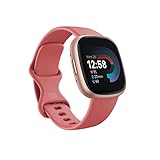
- Get inspired and stay accountable with Versa 4 + Premium - learn when to work out or recover, see real-time stats during exercise and find new ways to keep your routine fresh and fun
- Built for better fitness results: Daily Readiness Score(1), built-in GPS and workout intensity map, Active Zone Minutes, all-day activity tracking and 24/7 heart rate, 40+ exercise modes and automatic exercise tracking, water resistant to 50 meters
- Tools to measure and improve sleep quality: personalized Sleep Profile(1), daily sleep stages & Sleep Score, smart wake alarm and do not disturb mode
- Maintain a healthy body and mind: daily Stress Management Score, reflection logging, SpO2(2), health metrics dashboard(3), guided breathing sessions, menstrual health tracking and mindfulness content
- Designed for fitness & beyond: on-wrist Bluetooth calls, texts and phone notifications(4), customizable clock faces, Fitbit Pay(5), Amazon Alexa built-in(6), Google Wallet & Maps (Google Maps Android only, coming Spring 2023 to iOS), 6+ day battery(7)
Software value in real-world ownership
From a comfort and usability standpoint, software longevity affects everything from syncing reliability to how responsive the watch feels over time. The Versa 2’s smoother interface and slightly broader app compatibility make it feel less dated during daily wear.
The original Versa still delivers Fitbit’s core strengths, but its software experience increasingly feels locked in place. If long-term ownership and ecosystem stability matter to you, this is one of the clearest areas where the Versa 2 justifies its newer status.
6. Design, Build, and Wearability: Case, Controls, Comfort, and Strap Compatibility
After software longevity, the next question most buyers ask is whether the watch still feels good to wear every day. The Versa and Versa 2 look similar at a glance, but Fitbit made several physical changes that meaningfully affect comfort, usability, and long-term satisfaction.
Case shape, materials, and finishing
Both watches use an aluminum case with softly rounded corners and a square silhouette that prioritizes screen legibility over fashion-forward design. The Versa 2 refines that shape slightly, with smoother transitions along the edges and a more unified, pebble-like profile on the wrist.
In hand, the difference is subtle but noticeable. The Versa 2 feels more cohesive and modern, while the original Versa’s flatter sides and sharper breaks give it a more utilitarian, first-generation feel.
Thickness, weight, and on-wrist balance
Despite adding a microphone and speaker, the Versa 2 remains very close in size and weight to the original Versa. Both sit comfortably in the sub-40 gram range without a strap, and neither feels top-heavy during workouts or sleep tracking.
The original Versa is fractionally thinner, but the difference disappears once a strap is fitted. In real-world wear, both watches distribute weight evenly and avoid pressure points, even during all-day use.
Controls: three buttons versus one
One of the biggest physical differences is control layout. The original Versa uses three physical buttons, one on the left and two on the right, offering quick shortcuts and tactile navigation without relying entirely on the touchscreen.
The Versa 2 simplifies this to a single left-side button, pushing more interaction onto the display. This makes the watch feel cleaner and more modern, but users who prefer physical controls during workouts or wet conditions may miss the extra buttons.
Comfort during exercise and sleep
Both models are water-resistant to 50 meters, making them equally suitable for swimming, sweat-heavy workouts, and daily wear without worry. The case backs are smooth and gently curved, helping both watches sit flat against the wrist without digging in.
For sleep tracking, neither watch feels bulky, but the Versa 2’s slightly more rounded profile reduces edge awareness when sleeping on your side. It is a small change, yet one that frequent sleep trackers tend to appreciate over time.
Strap system and compatibility
Fitbit uses the same proprietary strap attachment system on both the Versa and Versa 2. This means bands are fully interchangeable between the two models, and there is a wide third-party ecosystem offering silicone, woven, leather, and metal options.
While the proprietary system limits use of standard watch straps without adapters, it ensures a secure fit and easy swaps. For buyers upgrading from the original Versa, existing bands carry over seamlessly, reducing the cost of switching.
Everyday wearability and style versatility
Neither watch aims to compete with traditional timepieces in terms of luxury presence, but both work well as low-profile, everyday wearables. The Versa 2’s darker finishes and smoother case design make it easier to dress up slightly, especially with leather or metal bands.
The original Versa still looks fine in casual and fitness settings, but its design shows its age more clearly. If wearability across work, workouts, and sleep matters to you, the Versa 2 feels like a more polished evolution rather than a cosmetic refresh.
Price, Availability, and Value for Money in 2026
After considering comfort, design maturity, and day-to-day usability, the buying decision between the Versa and Versa 2 in 2026 comes down to a more practical question: what do they cost today, how easy are they to find, and what do you realistically get for your money this far into their lifecycle.
Both watches are long discontinued by Fitbit, which shifts the conversation away from official retail pricing and toward the realities of the second-hand and refurbished market.
Current pricing on the used and refurbished market
In 2026, the original Fitbit Versa is firmly positioned as a budget entry point into the Fitbit ecosystem. Clean used units typically sell for very little, often closer to the price of a basic fitness tracker than a modern smartwatch.
The Versa 2 still commands a noticeable premium by comparison. Refurbished units in good condition remain common, reflecting higher demand driven by the AMOLED display, better battery efficiency, and broader smart feature support.
That price gap matters because it mirrors the experience gap. Even when the difference is modest in absolute terms, the Versa 2 delivers a more modern-feeling watch for the extra spend.
Availability and condition considerations
Availability is no longer an issue for either model, but condition absolutely is. Most Versas on the market are older, with more visible wear on the aluminum case and less predictable battery health after years of daily charging cycles.
Versa 2 units tend to fare better here. Many were sold later, used longer into Fitbit’s software transition period, and are more likely to have healthier batteries and cleaner AMOLED panels with fewer brightness or uniformity issues.
Buyers should also factor in accessories. Original chargers are easier to find for the Versa 2, while some older Versa listings rely on third-party charging cables that can be slower or less reliable.
💰 Best Value

- Inspire 3 is the tracker that helps you find your energy, do what you love and feel your best. All you have to do is wear it.Operating temperature: 0° to 40°C
- Move more: Daily Readiness Score(1), Active Zone Minutes, all-day activity tracking and 24/7 heart rate, 20+ exercise modes, automatic exercise tracking and reminders to move
- Stress less: always-on wellness tracking, daily Stress Management Score, mindfulness sessions, relax breathing sessions, irregular heart rhythm notifications(2), SpO2(3), menstrual health tracking, resting heart rate and high/low heart rate notifications
- Sleep better: automatic sleep tracking, personalized Sleep Profile(1), daily detailed Sleep Score, smart wake vibrating alarm, sleep mode
- Comfortably connected day and night: calls, texts & smartphone app notifications(4), color touchscreen with customizable clock faces, super lightweight and water resistant to 50 meters, up to 10 day battery life(5)
Software support and long-term usability
Software longevity plays a critical role in value for money, especially in 2026. While both watches still function within the Fitbit app, the original Versa is closer to the edge in terms of compatibility and feature relevance.
The Versa 2 benefits from a longer runway of software support and better alignment with Fitbit’s later feature set. Voice assistant support, improved watch faces, and smoother app performance all contribute to a watch that feels less dated in everyday use.
Neither watch should be bought with the expectation of major future updates. However, the Versa 2 remains the safer choice if you want stable performance and fewer compromises over the next couple of years.
Battery health, maintenance costs, and ownership reality
Battery life was strong on both models when new, but age changes the equation. The original Versa is more likely to struggle to reach its advertised multi-day endurance, especially with frequent notifications and workout tracking.
The Versa 2’s more efficient display technology helps it age more gracefully. Even with some battery degradation, most units still manage a comfortable few days between charges, which matters for sleep tracking and daily convenience.
Replacement costs also favor the Versa 2. Its continued popularity means easier access to bands, chargers, and replacement parts, reducing friction and expense over long-term ownership.
Which offers better value for money in 2026?
The original Versa only makes sense if price is the primary driver and expectations are modest. It still handles core fitness tracking reliably, but its older screen, shorter remaining software relevance, and greater risk of battery fatigue limit its appeal.
The Versa 2 represents better overall value for most buyers. The AMOLED display, Alexa support, improved battery efficiency, and more refined software experience justify the higher second-hand price and make it easier to live with day after day.
For buyers weighing longevity, usability, and comfort rather than just the cheapest entry point, the Versa 2 remains the more sensible investment in 2026.
Final Verdict: Which Fitbit Versa Is Right for Your Lifestyle?
By this point, the decision between the Fitbit Versa and Versa 2 comes down less to raw specifications and more to how you plan to live with the watch day in and day out. Both devices share the same core Fitbit DNA, but the differences meaningfully shape the ownership experience over time.
Choose the original Fitbit Versa if you want the basics at the lowest cost
The original Versa still makes sense for buyers who want simple fitness tracking, reliable step and heart-rate data, and a lightweight smartwatch that feels comfortable all day. Its aluminum case, square proportions, and soft-touch bands remain easy to wear, especially for smaller wrists or all-day use.
However, this is a watch best suited to users with modest expectations. If you are comfortable with an LCD screen, slower app performance, and a shrinking software ecosystem, the savings can still be worthwhile.
Choose the Fitbit Versa 2 if you want a smoother, more modern experience
The Versa 2 is the better everyday companion for most people, particularly those who plan to wear their watch constantly rather than only during workouts. The AMOLED display dramatically improves visibility, battery efficiency, and overall polish, making the watch feel more refined despite similar dimensions.
Alexa support, faster navigation, and better-aligned software features also translate into less friction during daily use. Whether checking notifications, tracking sleep, or logging workouts, the Versa 2 simply feels more responsive and less dated.
For fitness-focused users: small upgrades that add up
Both watches handle core fitness tracking well, including heart rate monitoring, sleep tracking, and automatic exercise recognition. In real-world use, accuracy is comparable, and neither model offers built-in GPS, which remains a key limitation for outdoor runners.
Where the Versa 2 pulls ahead is consistency. Better battery efficiency and smoother software mean fewer interruptions, fewer missed sleep sessions, and less anxiety about charging before workouts.
For smartwatch features and daily usability
If notifications, voice commands, and watch faces matter to you, the Versa 2 is the clear winner. Alexa integration may not be essential, but it adds genuine convenience for timers, reminders, and quick questions without pulling out your phone.
The original Versa still delivers notifications and basic apps, but its slower interface and more limited feature set feel increasingly restrictive. Over time, these small frustrations tend to outweigh the initial cost savings.
Long-term ownership and peace of mind
In 2026, longevity matters more than launch-era specs. The Versa 2 benefits from better battery aging, easier access to replacement accessories, and broader compatibility with Fitbit’s later software features.
The original Versa is closer to the end of its comfortable lifespan, especially if you rely heavily on notifications or sleep tracking. For buyers who want fewer compromises over the next couple of years, that difference matters.
The bottom line
If budget is tight and your needs are simple, the original Fitbit Versa can still get the job done. It remains a competent fitness tracker with smartwatch basics, as long as expectations are realistic.
For most users, though, the Fitbit Versa 2 is the smarter choice. Its better display, improved daily usability, and stronger long-term value make it easier to recommend as a watch you will enjoy wearing, not just tolerate, well beyond the initial purchase.