Recommended Free Tools
Some links on this page are affiliate links: if you buy through them we may earn a commission, at no extra cost to you.
Verdict: The Garmin fēnix 8 Pro MicroLED is an exceptionally capable outdoor multisport watch, but it is not the best smartwatch for everyone. Its 4,500-nit-rated display is designed for demanding outdoor visibility, and the Pro platform adds LTE and satellite communication. In return, you get a large 51 mm watch, up to four days of battery life with the screen always on, and a current U.S. price of $1,699.99. For most buyers who want the Pro features, the 51 mm fēnix 8 Pro AMOLED is the more sensible purchase: Garmin rates it for much longer battery life and lists it $400 lower.
Prices below are U.S. figures from Garmin’s product and comparison pages; they can change and may differ by region. Garmin-rated battery figures are maximum estimates, not guaranteed real-world results.
Price and what you’re buying
Garmin lists the fēnix 8 Pro – 51 mm, MicroLED at $1,699.99 in the U.S. The 51 mm fēnix 8 Pro AMOLED is listed at $1,299.99, a $400 difference at the time reflected by those Garmin pages. The MicroLED edition is a single-size configuration, so there is no smaller MicroLED model to choose if 51 mm is too large.
The watch’s price also does not cover everything required for remote connectivity: Garmin says LTE and satellite features require an active inReach service plan. Plan costs depend on the available service and should be checked with Garmin before buying. The watch is a poor value if you will not use either its unusually bright display or its remote-communication capabilities.
#1 Best Overall
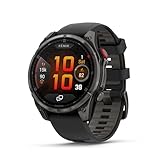
- Multisport GPS smartwatch with built-in inReach technology for two-way satellite and LTE connectivity (active subscription required; coverage limitations may apply; some jurisdictions regulate or prohibit the use of satellite communication devices)
- Rugged design with a bright 1.4" AMOLED touchscreen display, titanium bezel, scratch-resistant sapphire lens and other premium materials
- In an emergency, inReach satellite technology allows you to trigger an interactive SOS message to the Garmin ResponseSM coordination center for 24/7 assistance (active subscription required; coverage limitations may apply; some jurisdictions regulate or prohibit the use of satellite communication devices)
- LTE network connectivity lets you leave your phone behind; use your watch to exchange messages and make voice calls — plus let friends follow along with LiveTrack location sharing (30-second update rate) and location check-ins with the on-device Garmin Messenger app (active subscription required; coverage limitations may apply)
- inReach technology allows you to send messages and get location check-ins over satellite when taking on an off-grid adventure (active subscription required; coverage limitations may apply; some jurisdictions regulate or prohibit the use of satellite communication devices)
Design: premium materials, imposing dimensions
The MicroLED model measures 51 × 51 × 17.5 mm and weighs 93 g with its standard strap (68 g for the case alone, according to Garmin). It combines a titanium bezel and rear cover, sapphire crystal, and fiber-reinforced polymer case. Garmin lists 10 ATM water resistance and compatibility with 26 mm QuickFit bands. Those are robust specifications, but they do not make the watch small or light.
That size can be a drawback on a smaller wrist, under jacket cuffs, while sleeping, or during running and climbing. The thick case may interfere with wrist movement or catch on equipment, and its weight will be noticeable to some athletes. The larger display area can help when reading maps or data, but comfort is personal; anyone unsure about the fit should try the 51 mm case on before committing. If you want Garmin’s Pro features in a smaller package, compare the available AMOLED sizes rather than assuming MicroLED comes in one.
MicroLED: a practical outdoor advantage, not a free upgrade
The 1.4-inch color MicroLED screen has a 454 × 454 resolution and is rated by Garmin for up to 4,500 nits of peak brightness. That headline makes the most sense for someone who often checks a watch in intense sunlight: a bright display can make a glance at a data screen or map easier when visibility is difficult. Garmin and reviewers have emphasized this outdoor use case, including TechRadar’s review.
Free tools Windows power users keep installed
One-click scans. No signup required.
Rank #2
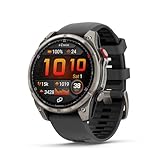
- Multisport GPS smartwatch with built-in inReach technology for two-way satellite and LTE connectivity (active subscription required; coverage limitations may apply; some jurisdictions regulate or prohibit the use of satellite communication devices)
- Rugged design with a bright 1.4" AMOLED touchscreen display, titanium bezel, scratch-resistant sapphire lens and other premium materials
- In an emergency, inReach satellite technology allows you to trigger an interactive SOS message to the Garmin ResponseSM coordination center for 24/7 assistance (active subscription required; coverage limitations may apply; some jurisdictions regulate or prohibit the use of satellite communication devices)
- LTE network connectivity lets you leave your phone behind; use your watch to exchange messages and make voice calls — plus let friends follow along with LiveTrack location sharing (30-second update rate) and location check-ins with the on-device Garmin Messenger app (active subscription required; coverage limitations may apply)
- inReach technology allows you to send messages and get location check-ins over satellite when taking on an off-grid adventure (active subscription required; coverage limitations may apply; some jurisdictions regulate or prohibit the use of satellite communication devices)
Peak brightness alone does not prove how readable a screen will be in every situation. It is not a sustained-brightness measurement, nor does it tell you about glare, color accuracy, viewing angles, or performance with sunglasses. In ordinary indoor use, notifications, sleep tracking, and casual checks are unlikely to justify the MicroLED premium by themselves. Map legibility while moving, minimum brightness at night, wet-finger or glove interaction, and the comfort of the large case are all practical considerations—not things a quoted nit figure can settle.
Most important, MicroLED does not mean better battery life in this watch. Garmin’s ratings show substantially less endurance than the same-size AMOLED Pro, particularly with the screen always on. If you want an always-visible display, consider the four-day rating carefully; if you use gesture activation, the rated maximum is ten days.
Battery life: the biggest compromise
Garmin’s official figures for the fēnix 8 Pro MicroLED are maximum estimates. Actual runtime varies with display settings, GPS mode, multi-band positioning, LTE signal, satellite use, music, Pulse Ox monitoring, notifications, LiveTrack, temperature, and phone connection behavior.
Rank #3

- Multisport GPS smartwatch features a high-resolution 1.4" MicroLED display that offers remarkable brightness and detail — up to 4,500 nits with over 400,000 individual LEDs — producing rich colors, wide viewing angles and superior readability in intense lighting conditions, such as direct sunlight
- Rugged design features a lightweight titanium bezel, scratch-resistant sapphire lens and other premium materials
- Built-in inReach technology for two-way satellite and LTE connectivity lets you keep in touch, whether you’re on- or off-grid (active subscription required; coverage limitations may apply; some jurisdictions regulate or prohibit the use of satellite communication devices)
- In an emergency, inReach satellite technology allows you to trigger an interactive SOS message to the Garmin Response℠ coordination center for 24/7 assistance (active subscription required; coverage limitations may apply; some jurisdictions regulate or prohibit the use of satellite communication devices)
- LTE network connectivity lets you leave your phone behind; use your watch to exchange messages and make voice calls — plus let friends follow along with LiveTrack location sharing (30-second update rate) and location check-ins with the on-device Garmin Messenger app (active subscription required; coverage limitations may apply)
| Mode | Garmin-rated maximum |
|---|---|
| Smartwatch, gesture display | Up to 10 days |
| Smartwatch, always-on display | Up to 4 days |
| Battery saver | Up to 14 days |
| GPS only, gesture display | Up to 44 hours |
| GPS only, always-on display | Up to 18 hours |
| All satellite systems, gesture display | Up to 37 hours |
| All satellite systems, always-on display | Up to 16 hours |
| All satellite systems + multi-band, gesture display | Up to 34 hours |
| All satellite systems + multi-band, always-on display | Up to 15 hours |
| All satellite systems + multi-band + music | Up to 19 hours gesture / 11 hours always-on |
| Max-battery GPS | Up to 53 hours |
| Expedition GPS | Up to 8 days |
| Multi-band + LTE LiveTrack | Up to 17 hours gesture / 10 hours always-on |
For comparison, Garmin rates the 51 mm fēnix 8 Pro AMOLED for up to 27 days in smartwatch mode with gesture activation and 15 days with always-on display; the MicroLED figures are 10 and 4 days. In GPS-only mode, the AMOLED model is rated for up to 78 hours with gesture activation or 56 hours always-on, versus 44 or 18 hours for MicroLED. With multi-band plus LTE LiveTrack, the estimates are 21 or 19 hours for AMOLED and 17 or 10 hours for MicroLED. The Garmin battery table contains the full set of mode-specific conditions.
Do these 3 things before closing this tab:
1Scan for outdated or missing drivers - takes under a minute2Clear out junk files and repair common Windows errors3Fix the driver behind crashes, sound loss and screen glitchesFor a multiday trip, plan around your likely mix of navigation, tracking, display settings, and communications—not the headline smartwatch maximum. The watch’s expedition mode rating is not a promise that it will last a particular expedition. Cold, weak LTE reception, frequent GPS use, music, and an always-on screen can all make a meaningful difference.
Training, health, maps, and everyday tools
The MicroLED model is built on the fēnix 8 Pro platform, not just a new screen. Garmin lists multi-band GPS, built-in maps and navigation, training readiness and training status, sleep score and insights, Pulse Ox, music storage, Garmin Pay, a built-in LED flashlight, and a speaker and microphone. The platform also includes advanced strength-training and dive-related functions. The Garmin product page and comparison page provide the current feature lists.
Rank #4

- Multisport GPS smartwatch with built-in inReach technology for two-way satellite and LTE connectivity (active subscription required; coverage limitations may apply; some jurisdictions regulate or prohibit the use of satellite communication devices)
- Rugged design with a bright 1.4" AMOLED touchscreen display, titanium bezel, scratch-resistant sapphire lens and other premium materials
- In an emergency, inReach satellite technology allows you to trigger an interactive SOS message to the Garmin ResponseSM coordination center for 24/7 assistance (active subscription required; coverage limitations may apply; some jurisdictions regulate or prohibit the use of satellite communication devices)
- LTE network connectivity lets you leave your phone behind; use your watch to exchange messages and make voice calls — plus let friends follow along with LiveTrack location sharing (30-second update rate) and location check-ins with the on-device Garmin Messenger app (active subscription required; coverage limitations may apply)
- inReach technology allows you to send messages and get location check-ins over satellite when taking on an off-grid adventure (active subscription required; coverage limitations may apply; some jurisdictions regulate or prohibit the use of satellite communication devices)
Those features suit people who train across sports, navigate on foot or by bike, or want a single watch for structured training and outdoor activity. They do not make it the universal winner for general smartwatch use: app ecosystems, convenience features, and battery expectations vary considerably between product categories. Garmin’s ECG app and some health features can also have regional or jurisdictional availability limits; check local availability and treat health measurements as wellness information, not a medical diagnosis.
The MicroLED screen may help with map and data-screen visibility outdoors, but navigation itself still consumes power. Choosing a more demanding GPS mode, keeping the display always on, or adding music and LiveTrack compounds the battery cost. If your routes stay close to cellular coverage and your phone is always with you, the Pro platform’s independent communications may matter less than the standard fēnix 8’s training and mapping tools.
Quick wins for a faster PC:
Fix the driver behind crashes, sound loss and screen glitchesFind Drivers →Repair Windows errors before they cause bigger problemsFix Now →LTE and satellite: useful safety tools with real limits
The word “cellular” can set the wrong expectation. The fēnix 8 Pro uses LTE-M for Garmin services; Garmin says it does not give the watch a conventional phone number or direct support for traditional voice calls and SMS. Capabilities depend on whether the watch is connected to a phone, LTE, or satellite, and on the feature being used. Some actions available over LTE or a phone connection are not available over satellite.
Best Value

- Multisport GPS smartwatch with built-in inReach technology for two-way satellite and LTE connectivity (active subscription required; coverage limitations may apply; some jurisdictions regulate or prohibit the use of satellite communication devices)
- Rugged design with a bright 1.4" AMOLED touchscreen display, titanium bezel, scratch-resistant sapphire lens and other premium materials
- In an emergency, inReach satellite technology allows you to trigger an interactive SOS message to the Garmin ResponseSM coordination center for 24/7 assistance (active subscription required; coverage limitations may apply; some jurisdictions regulate or prohibit the use of satellite communication devices)
- LTE network connectivity lets you leave your phone behind; use your watch to exchange messages and make voice calls — plus let friends follow along with LiveTrack location sharing (30-second update rate) and location check-ins with the on-device Garmin Messenger app (active subscription required; coverage limitations may apply)
- inReach technology allows you to send messages and get location check-ins over satellite when taking on an off-grid adventure (active subscription required; coverage limitations may apply; some jurisdictions regulate or prohibit the use of satellite communication devices)
In practical terms, the watch can use a nearby phone connection, LTE-M where service is available, and satellite connectivity where supported and where the watch can establish a suitable link. Satellite messaging and SOS require an active inReach plan. Garmin Messenger must be set up on a compatible smartphone for messaging features; Garmin’s manual describes opening Messenger on the watch, scanning its QR code with the phone, then following setup instructions. The Garmin feature-requirements page explains requirements and coverage, while the manual’s connection matrix distinguishes phone, LTE, and satellite functions.
Satellite communication is not a guarantee of instant contact from every location. Garmin says a suitable view toward the satellite is needed, and the user must orient the watch correctly. Trees, cliffs, buildings, terrain, and northern latitude can obstruct or weaken a connection. Garmin’s guidance says establishing a good link may take about 30 seconds; once established, messages generally send in less than 10 seconds if the watch remains correctly oriented. Coverage is regional—not global—and Garmin lists coverage for the continental United States, parts of Canada, most of Europe, and other specified countries. Local rules may also restrict satellite devices.
Satellite SOS and messaging can be valuable, but they should not be treated as a universal replacement for a dedicated communicator or a substitute for trip planning. Check that your destination is covered, understand which functions work over satellite, maintain an active plan, and set up and test Messenger and connectivity before relying on them outdoors. Garmin’s Messenger guidance also makes clear that setup matters.
Outdated Drivers Are Slowing You Down
One free scan finds every outdated or missing driver and matches the right update for your exact hardware.Free scan · exact hardware matchPC Slower Than It Used to Be?
A free scan shows the junk files, broken settings and background clutter dragging Windows down - then fixes them in one click.Free scan · Windows 10 & 11MicroLED versus AMOLED: which fēnix 8 Pro makes sense?
| fēnix 8 Pro MicroLED, 51 mm | fēnix 8 Pro AMOLED, 51 mm | |
|---|---|---|
| Current U.S. Garmin-listed price | $1,699.99 | $1,299.99 |
| Display | 1.4-inch MicroLED, Garmin-rated up to 4,500 nits | AMOLED |
| Smartwatch battery, gesture | Up to 10 days | Up to 27 days |
| Smartwatch battery, always-on | Up to 4 days | Up to 15 days |
| GPS-only battery, gesture / always-on | Up to 44 / 18 hours | Up to 78 / 56 hours |
| LTE and satellite Pro platform | Yes; plan required for inReach features | Yes; plan required for inReach features |
| Best fit | Frequent bright-sun use and willingness to pay for the display | Most buyers prioritizing endurance and value |
The models share the broad Pro training, mapping, and communications concept, but they are not identical: display, endurance, dimensions, and price differ. Garmin offers additional Pro case sizes in the AMOLED range, while the MicroLED option is 51 mm. Choose MicroLED if visibility in harsh daylight is central to your use and you accept the battery and price costs. Choose AMOLED if you want the Pro capabilities but value charging less often; for most serious Garmin users, it is the stronger value.
Who should buy it—and who shouldn’t
- Buy the MicroLED model if you spend substantial time outdoors in bright sunlight, want Garmin’s brightest fēnix display, need the Pro’s remote-connectivity features, and are comfortable with the 51 mm size, service-plan requirement, and premium price.
- Choose the fēnix 8 Pro AMOLED if you want the Pro training and connectivity platform but prioritize battery life, a $400 lower U.S. Garmin-listed price, or a wider choice of sizes.
- Choose a standard fēnix 8 if you want advanced sports, mapping, GPS, and health features but do not need independent LTE or satellite communication. A phone carried on every outing may make the Pro surcharge hard to justify.
- Look elsewhere if you mainly want notifications, basic sleep tracking, or ordinary gym metrics. The size, cost, and specialized outdoor features are excessive for that use. If emergency communication is your primary concern, compare a dedicated satellite communicator as well; a feature-rich watch is not automatically the best standalone safety device.
Before relying on inReach in the backcountry, check coverage, service requirements, and the distinction between satellite and LTE functions. To see the watch’s plan use on-device, Garmin’s manual gives this path: from the watch face, hold the middle-left button, then select Watch Settings → Connectivity → inReach Plan Usage. Select Refresh if you changed plans in Garmin Messenger.
Quick Recap
Product prices and availability are accurate as of the date/time indicated and are subject to change. Any price and availability information displayed on Amazon at the time of purchase will apply.

