For Pixel Watch owners, this update lands with a mix of relief and mild frustration. The hardware has been capable of these health features since day one, yet only now are SpO2 tracking and high/low heart rate notifications showing up in a meaningful, system-level way. This section is about separating what’s genuinely new from what was quietly dormant, and why Google didn’t just flip the switch earlier.
If you’ve been watching Apple, Samsung, and even Fitbit roll out similar alerts years ago, you’re not wrong to question the delay. What matters now is how these features actually behave on your wrist, how reliable they are in daily use, and whether they meaningfully change the Pixel Watch’s value as a health-focused smartwatch rather than just a Wear OS companion.
SpO2 finally moves from “sensor onboard” to usable health data
The Pixel Watch has always included the optical hardware needed to measure blood oxygen saturation, but until this update it was largely inactive or limited to background data collection without user-facing insight. The update enables overnight SpO2 tracking that logs trends rather than constant real-time readings, aligning closely with how Fitbit approaches oxygen monitoring on its devices.
In practice, this means you’ll see SpO2 data tied to sleep sessions, not on-demand spot checks during the day. That’s a deliberate trade-off to preserve battery life on a watch that already runs tight on endurance, especially with its compact case size and relatively small battery compared to Galaxy Watch or Apple Watch Ultra models.
🏆 #1 Best Overall
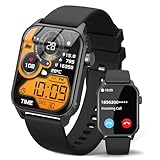
- 【1.83" HD Display & Customizable Watch Faces】Immerse yourself in a vibrant 1.83-inch IPS display, boasting a sharp resolution of 240*284 for crystal-clear visuals. Effortlessly personalize your smart watch with a wide array of customizable watch faces to suit your personal style for every occasion—whether trendy, artistic, or minimalist—ideal for casual, sporty, or professional. Its sleek, modern design complements any outfit, blending technology and fashion seamlessly for everyday wear
- 【120 Sports Modes & Advanced Health Tracking】Our TK29 smart watches for women men come equipped with 120 sports modes, allowing you to effortlessly track a variety of activities such as walking, running, cycling, and swimming. With integrated heart rate and sleep monitors, you can maintain a comprehensive overview of your health, achieve your fitness goals, and maintain a balanced, active lifestyle with ease. Your ideal wellness companion (Note: Step recording starts after exceeding 20 steps)
- 【IP67 Waterproof & Long-Lasting Battery】Designed to keep up with your active lifestyle, this smartwatch features an IP67 waterproof rating, ensuring it can withstand splashes, sweat, and even brief submersion, making it perfect for workouts, outdoor adventures, or rainy days. Its reliable 350mAh battery offering 5-7 days of active use and up to 30 days in standby mode, significantly reducing frequent charging. Ideal for all-day wear, whether you’re at the gym, outdoors, or simply on the go
- 【Stay Connected Anytime, Anywhere】Stay informed and in control with Bluetooth call and music control features. Receive real-time notifications for calls, messages, and social media apps like Facebook, WhatsApp, Twitter, and Instagram directly on your smartwatch. Easily manage calls, control your music playlist, and stay updated without needing to reach for your phone. Perfect for work, workouts, or on-the-go, this watch keeps you connected and never miss important updates wherever you are
- 【Multifunction & Wide Compatibility】Seamlessly handle heart rate monitoring, sleep tracking, and enjoy conveniences like camera/music control, Seamlessly handle heart rate monitoring, sleep tracking, and more-all directly from your wrist. This 1.83 inches HD smartwatch is compatible with iPhone (iOS 9.0+) & Android (5.0+), ensuring smooth daily connectivity and convenience throughout your day. More than just a timepiece, it’s a stylish, all-in-one wearable for smarter, healthier living
For most users, SpO2 here is about pattern recognition, not diagnosis. Drops over time may flag breathing irregularities, altitude adjustment, or illness, but it’s not designed for instant feedback during workouts or stress events.
High and low heart rate notifications add passive safety
High and low heart rate alerts are arguably the more impactful addition for day-to-day peace of mind. Once enabled, the Pixel Watch can notify you if your heart rate stays above or below personalized thresholds while you appear to be inactive, similar to Apple Watch’s long-standing system.
These alerts rely on continuous heart rate tracking and contextual awareness, meaning the watch needs enough data to understand when you’re resting versus moving. In real-world wear, that translates to fewer false alarms but also a ramp-up period before the notifications feel fully dialed in.
This feature benefits users who may not actively check their stats but want passive monitoring in the background. It’s especially relevant for those with known heart conditions or anyone using the Pixel Watch as a general wellness safety net rather than a performance tracker.
Why Google took so long to enable features the hardware already had
The delay wasn’t about missing sensors or processing power. It was about validation, algorithms, and regulatory caution. Health notifications, even non-diagnostic ones, require extensive testing to avoid false positives that could cause anxiety or missed warnings that could undermine trust.
Google also had to reconcile Fitbit’s health science stack with Wear OS system behavior. Unlike Apple, which controls hardware, software, and health frameworks end to end, Google inherited Fitbit’s algorithms and had to adapt them to a different operating system, power management model, and user interface philosophy.
Battery life played a role too. Continuous monitoring features aren’t free, and on a watch that already struggles to last beyond a full day with heavy use, Google needed to ensure these additions wouldn’t quietly degrade daily usability.
How this changes the Pixel Watch’s position versus Apple, Samsung, and Fitbit
With this update, the Pixel Watch closes a noticeable gap with Apple Watch and Galaxy Watch in baseline health monitoring. It now offers the core alerts most users expect from a modern smartwatch, rather than feeling like a stylish Android accessory with health features “coming later.”
However, it still trails Apple in proactive health analytics and Samsung in raw sensor breadth, particularly for users interested in daytime SpO2 or more granular cardiovascular insights. Where it shines is cohesion with Fitbit’s app ecosystem, which remains one of the most readable and habit-friendly health platforms available.
For existing Pixel Watch owners, this update meaningfully improves what the watch can do without changing how it feels to wear. The compact case, smooth domed glass, soft-touch straps, and lightweight comfort remain the same, but the software now better justifies the hardware’s health ambitions.
SpO2 on Pixel Watch Explained: How Blood Oxygen Tracking Works in the Real World
With heart rate alerts now acting as a baseline safety feature, SpO2 is the other half of Google’s long-promised health picture. Blood oxygen tracking has been physically present in the Pixel Watch since launch, but until this update it lived mostly in the background, collecting data without much clarity on how it was meant to help day to day.
This update doesn’t suddenly turn the Pixel Watch into a medical device, but it does make SpO2 data more visible, more contextual, and more aligned with how people actually use a smartwatch over weeks and months.
What SpO2 actually measures, and what it doesn’t
SpO2 refers to peripheral capillary oxygen saturation, essentially the percentage of oxygenated hemoglobin in your blood. In healthy adults at sea level, typical values usually fall between 95 and 100 percent during rest.
On the Pixel Watch, SpO2 is measured optically using red and infrared LEDs on the rear sensor array. These lights pass through the skin and reflect differently depending on how much oxygen is bound to red blood cells, allowing the watch to estimate oxygen saturation without needles or cuffs.
What’s important is what SpO2 does not measure. It doesn’t diagnose sleep apnea, lung disease, or COVID-related complications, and it can’t explain why a reading is low. Google frames it, correctly, as a trend-based wellness signal rather than a real-time clinical metric.
Why Pixel Watch SpO2 is sleep-focused, not all-day
Unlike some competitors that offer on-demand or continuous daytime SpO2 checks, Google limits Pixel Watch blood oxygen tracking primarily to sleep. This is a deliberate tradeoff rather than a technical shortcoming.
SpO2 readings are most stable when your body is still, warm, and relaxed, conditions that are far more consistent during sleep than during daily movement. Wrist-based sensors struggle with motion, loose fit, and ambient light, all of which can introduce noisy data during workouts or routine activity.
There’s also a battery reality. The Pixel Watch’s compact case, curved glass, and relatively small battery already walk a tightrope between comfort and endurance. Night-only SpO2 tracking allows Google to preserve overnight accuracy without shaving hours off daytime usability.
How SpO2 data appears in Fitbit, and how to read it
After the update, SpO2 data lives inside the Fitbit app rather than as a standalone watch complication. You’ll see nightly averages alongside sleep stages, breathing rate, and skin temperature variation, which is where it becomes most useful.
The key is not fixating on a single low night. Fitbit emphasizes rolling trends over time, making it easier to notice sustained changes rather than reacting to one off reading caused by poor fit, cold skin, or disrupted sleep.
In practice, this presentation makes SpO2 more approachable than on some rival platforms. It’s integrated into a broader sleep narrative instead of treated as a flashy number, which suits the Pixel Watch’s general wellness positioning.
Comfort, fit, and why they matter more than specs
SpO2 accuracy on any smartwatch is heavily dependent on fit, and the Pixel Watch’s physical design plays a role here. The small, pebble-like case and domed glass help the watch sit comfortably on slimmer wrists, while the soft fluoroelastomer straps encourage overnight wear without pressure points.
However, the curved underside also means the watch needs to be worn snugly to avoid light leakage. Users who prefer loose straps or fabric bands may see inconsistent readings, especially if the watch shifts during sleep.
This is one area where the Pixel Watch’s comfort-first design can work both for and against it. It’s easy to forget you’re wearing it, which is great for sleep tracking, but only if the fit is dialed in correctly.
How Pixel Watch SpO2 compares to Apple, Samsung, and Fitbit
Apple Watch offers spot SpO2 checks and background readings throughout the day, but the data is often fragmented and less contextual unless you actively dig into Health. Samsung allows manual checks and integrates SpO2 into sleep tracking, but its presentation can feel more clinical and less habit-driven.
Fitbit’s approach, now fully inherited by the Pixel Watch, sits somewhere in between. It lacks daytime SpO2 snapshots, but its overnight trends are among the clearest and easiest to interpret, especially for users focused on sleep quality and long-term health patterns.
For former Fitbit owners, this will feel familiar and reassuring. For Apple or Galaxy Watch converts, it may initially feel limited, but it trades breadth for consistency and battery-friendly reliability.
Who SpO2 on Pixel Watch actually helps
This feature is most valuable for users interested in sleep health, altitude adaptation, or spotting subtle changes during illness or stress. It’s not designed for athletes chasing marginal performance gains or users who want instant oxygen readings during workouts.
Paired with breathing rate, resting heart rate, and sleep stages, SpO2 becomes a quiet background signal that can prompt you to pay attention when something feels off. That’s exactly the role Google intends it to play, a passive indicator rather than an active metric you manage daily.
In that sense, the update doesn’t just unlock a sensor. It clarifies the Pixel Watch’s identity as a comfortable, wearable health companion that prioritizes long-term patterns over constant data checking.
High and Low Heart Rate Notifications: Detection Logic, Thresholds, and Reliability
If SpO2 is the quiet background signal, high and low heart rate notifications are the Pixel Watch’s most actionable health alerts. They are designed to surface moments when your cardiovascular system behaves unexpectedly at rest, not during workouts or obvious exertion.
This distinction matters, because it defines both how the alerts are triggered and how much trust you should place in them day to day.
What the Pixel Watch is actually monitoring
High and low heart rate notifications on the Pixel Watch are inherited directly from Fitbit’s health algorithms, rather than being a new Google-built system. The watch continuously tracks your heart rate using its optical sensor and looks for sustained deviations from your normal resting range.
Crucially, these alerts only trigger when the watch believes you are inactive. Walking, exercising, or even mild movement will suppress notifications to avoid false positives.
Default thresholds and timing
Out of the box, a high heart rate alert is triggered when your heart rate stays above 120 beats per minute for around 10 minutes while you appear to be at rest. A low heart rate alert triggers if your heart rate drops below 40 beats per minute for a similar sustained period during inactivity or sleep.
Rank #2
![Apple Watch Series 11 [GPS 46mm] Smartwatch with Jet Black Aluminum Case with Black Sport Band - M/L. Sleep Score, Fitness Tracker, Health Monitoring, Always-On Display, Water Resistant](https://m.media-amazon.com/images/I/312K597M2uL._SL160_.jpg)
- HYPERTENSION NOTIFICATIONS — Apple Watch Series 11 can spot signs of chronic high blood pressure and notify you of possible hypertension.*
- KNOW YOUR SLEEP SCORE — Sleep score provides an easy way to help track and understand the quality of your sleep, so you can make it more restorative.
- EVEN MORE HEALTH INSIGHTS — Take an ECG anytime.* Get notifications for a high and low heart rate, an irregular rhythm,* and possible sleep apnea.* View overnight health metrics with the Vitals app* and take readings of your blood oxygen.*
- STUNNING DESIGN — Thin and lightweight, Series 11 is comfortable to wear around the clock — while exercising and even when you’re sleeping, so it can help track your key metrics.
- A POWERFUL FITNESS PARTNER — With advanced metrics for all your workouts, plus features like Pacer, Heart Rate Zones, training load, Workout Buddy powered by Apple Intelligence from your nearby iPhone,* and more. Series 11 also comes with three months of Apple Fitness+ free.*
These thresholds are not currently user-adjustable on the Pixel Watch. Google and Fitbit intentionally keep them conservative, aiming to flag potentially concerning patterns rather than normal individual variation.
Why sustained duration matters more than spikes
Short heart rate spikes happen all the time, from standing up too quickly to brief stress responses. The Pixel Watch deliberately ignores these, focusing instead on sustained elevation or suppression that may indicate illness, overtraining, medication effects, or underlying cardiac issues.
In practice, this makes the alerts feel rare rather than noisy. Many users may go weeks or months without seeing one, which is exactly the point.
How reliable the alerts are in real-world use
When the watch fit is solid, reliability is generally strong, especially overnight. The Pixel Watch’s curved caseback and lightweight build make it comfortable for sleep, which improves data continuity compared to bulkier designs.
That same comfort-first approach can also introduce errors if the strap is worn too loosely. Fabric bands, in particular, can shift during sleep and cause brief dropouts or misreads, though the sustained-duration requirement helps filter most of these out.
Battery impact and background processing
Continuous heart rate monitoring is always on, but these notifications do not meaningfully impact battery life. The Pixel Watch already samples heart rate frequently for sleep tracking, stress metrics, and daily trends, so the alert logic runs on top of existing data.
In day-to-day use, enabling high and low heart rate notifications does not change the watch’s one-day battery reality in any noticeable way.
Who should take these alerts seriously
These notifications are especially relevant for users with known heart conditions, those starting new medications, or anyone monitoring recovery during illness or prolonged stress. They can also be useful for endurance athletes during heavy training blocks, where an elevated resting heart rate can signal overreaching.
For healthy users, the alerts function more as a safety net than a diagnostic tool. Google is careful to position them as prompts to check in with your body or a medical professional, not as medical diagnoses.
How Pixel Watch compares to Apple and Samsung here
Apple Watch offers similar high and low heart rate notifications, with slightly more customizable thresholds depending on region. Apple’s alerts tend to feel more tightly integrated into the broader Health app, but they can also surface more frequently for sensitive users.
Samsung’s Galaxy Watch supports comparable alerts, though its detection logic has historically been more variable, particularly overnight. Fitbit’s long experience with passive health monitoring gives the Pixel Watch an edge in consistency, even if it lags behind Apple in configurability.
Limitations worth understanding upfront
These notifications are not available in all countries and typically require users to be over a certain age, reflecting regulatory constraints. They also rely on several days of baseline data before becoming active, so new owners should not expect immediate alerts.
Most importantly, no wrist-based optical sensor can match medical-grade equipment. The Pixel Watch does a good job of flagging patterns worth paying attention to, but it is not designed to replace clinical monitoring or professional advice.
Day-to-Day Impact: When These Health Alerts Are Genuinely Useful (and When They’re Not)
Once the novelty of new health toggles wears off, the real question is how often these alerts actually change what you do. The Pixel Watch’s SpO2 tracking and high/low heart rate notifications are quiet by design, which makes them easy to forget until the moment they matter.
Low SpO2: Most useful while you’re asleep, not during the day
On the Pixel Watch, SpO2 measurements are taken passively during sleep rather than on-demand. That immediately frames their usefulness: this is about spotting overnight trends, not reacting to a single low reading while you’re awake.
Where it helps is in identifying patterns tied to breathing disruptions, altitude changes, or illness. If your nightly oxygen saturation drops consistently below your normal range, it can explain why you feel unusually fatigued or foggy, and it gives you a concrete data point to discuss with a clinician.
Where it does not help is moment-to-moment reassurance. The lack of real-time SpO2 checks means it’s not suited for anxiety-driven spot checks or managing known respiratory conditions that require active monitoring.
High heart rate alerts: A quiet warning sign, not a panic trigger
High heart rate notifications typically surface when your heart rate stays elevated while you appear inactive. In real life, that often means getting an alert while sitting at a desk, watching TV, or lying in bed, not during exercise.
This can be genuinely useful during illness, dehydration, high stress, or early overtraining, when your resting heart rate creeps upward before you consciously feel “off.” For endurance athletes or anyone in a heavy training cycle, it adds context to recovery metrics without demanding constant attention.
What it is not good at is explaining why your heart rate is high. Caffeine, poor sleep, anxiety, and a warm room can all trigger alerts, so interpretation still matters more than the notification itself.
Low heart rate alerts: Relevant for some, noise for others
Low heart rate notifications are most meaningful for users without a history of athletic bradycardia. If you are not endurance-trained and receive repeated low heart rate alerts while awake, that is a legitimate prompt to follow up.
For well-trained runners or cyclists, however, these alerts can feel redundant. A resting heart rate in the 40s is normal for many athletes, and while the Pixel Watch does a reasonable job of learning baselines, it can still flag values that are expected rather than concerning.
This is one area where understanding your own physiology matters more than the feature itself. The alert is the start of a conversation, not the conclusion.
How often you’ll actually see these alerts
For most healthy users, days or even weeks can pass without a single notification. That is not a failure of the system; it is exactly how it is supposed to work.
Compared to Apple Watch, which can feel more proactive and occasionally intrusive, the Pixel Watch errs on the side of restraint. Fitbit’s influence shows here, with alerts reserved for sustained deviations rather than short-lived spikes or dips.
Battery life and comfort: Why this matters for long-term usefulness
Because SpO2 tracking happens overnight and heart rate alerts rely on existing sensors, there is no noticeable hit to daily battery life. In practical terms, the Pixel Watch still feels like a one-day device, but not a worse one after enabling these features.
Comfort matters just as much. The relatively compact case, smooth caseback, and flexible straps make it realistic to wear the watch all night, which is essential for SpO2 data to be meaningful in the first place.
When these alerts are not worth stressing over
If you are checking your watch constantly or feeling anxious about every fluctuation, these features can do more harm than good. Wrist-based optical sensors are sensitive to movement, fit, skin tone, and temperature, and no amount of software polish eliminates false positives entirely.
In those cases, the healthiest choice may be leaving alerts on but mentally downgrading their importance. Used as background signals rather than daily performance scores, they fit more naturally into real life.
The real value: Long-term patterns, not single moments
Taken together, SpO2 trends and heart rate alerts work best when you think in weeks, not hours. They are most effective at nudging you to notice changes you might otherwise ignore, especially when combined with sleep quality, stress metrics, and resting heart rate trends.
That framing is where the Pixel Watch update quietly succeeds. It does not turn the watch into a medical device, but it does make it a more attentive companion for people who want subtle, actionable health awareness without constant interruptions.
Limitations, Caveats, and Accuracy Considerations Pixel Watch Owners Should Know
All of this added awareness works best when you understand where the edges are. Google has expanded what the Pixel Watch can surface, but it has not changed the underlying realities of wrist-based health tracking, nor has it turned these features into diagnostic tools.
SpO2 is passive, overnight, and trend-based only
The Pixel Watch still does not offer on-demand SpO2 spot checks like some competitors. Oxygen saturation is measured automatically during sleep, aggregated quietly in the background, and presented as nightly values and longer-term trends.
That means you cannot use it to check oxygen levels during workouts, illness, or altitude exposure in real time. If you wake up feeling off and want an immediate reading, the Pixel Watch is not designed to answer that question.
Fit and wear consistency matter more than sensor specs
Optical SpO2 and heart rate readings depend heavily on how the watch sits on your wrist. A loose fit, rotated case, or wearing the watch too close to the wrist bone can all degrade signal quality overnight.
Rank #3

- Bluetooth Call and Message Alerts: Smart watch is equipped with HD speaker, after connecting to your smartphone via bluetooth, you can answer or make calls, view call history and store contacts through directly use the smartwatch. The smartwatches also provides notifications of social media messages (WhatsApp, Twitter, Facebook, Instagram usw.) So that you will never miss any important information.
- Smart watch for men women is equipped with a 320*380 extra-large hd full touch color screen, delivering exceptional picture quality and highly responsive touch sensitivity, which can bring you a unique visual and better interactive experience, lock screen and wake up easily by raising your wrist. Though “Gloryfit” app, you can download more than 102 free personalised watch faces and set it as your desktop for fitness tracker.
- 24/7 Heart Rate Monitor and Sleep Tracker Monitor: The fitness tracker watch for men has a built-in high-performance sensor that can record our heart rate changes in real time. Monitor your heart rate 26 hours a day and keep an eye on your health. Synchronize to the mobile phone app"Gloryfit", you can understand your sleep status(deep /light /wakeful sleep) by fitness tracker watch develop a better sleep habit and a healthier lifestyle.
- IP68 waterproof and 110+ Sports Modes: The fitness tracker provides up to 112+ sports modes, covering running, cycling, walking, basketball, yoga, football and so on. Activity trackers bracelets meet the waterproof requirements for most sports enthusiasts' daily activities, such as washing hands or exercising in the rain, meeting daily needs (note: Do not recommended for use in hot water or seawater.)
- Multifunction and Compatibility: This step counter watch also has many useful functions, such as weather forecast, music control, sedentary reminder, stopwatch, alarm clock, timer, track female cycle, screen light time, find phone etc. The smart watch with 2 hrs of charging, 5-7 days of normal use and about 30 days of standby time. This smart watches for women/man compatible with ios 9.0 and android 6.2 and above devices.
This is where the Pixel Watch’s smaller case and domed back help, but strap choice matters too. Flexible silicone bands tend to outperform fabric or metal bracelets for sleep tracking, simply because they maintain even pressure as you move.
Skin tone, tattoos, and temperature still affect readings
Google, like Apple and Samsung, uses green and infrared LEDs that can struggle with certain skin tones, dense wrist tattoos, and colder peripheral temperatures. These factors do not invalidate the data, but they do increase the likelihood of gaps or softened readings.
If your SpO2 graph shows missing nights or unusually flat lines, it is often a signal-quality issue rather than a meaningful physiological change. Fitbit’s algorithms are conservative, and they will discard questionable data rather than guess.
Heart rate alerts are intentionally slow to trigger
High and low heart rate notifications on the Pixel Watch are not real-time alarms. They are triggered only after sustained periods of elevated or depressed heart rate while you appear inactive.
This design reduces false positives but also means brief episodes may never surface. Compared to Apple Watch, which can feel more aggressive with notifications, Google’s approach favors fewer alerts at the cost of immediacy.
These are not medical alerts, despite regulatory language
Even where features have regulatory clearance, they are not designed to diagnose conditions or replace clinical monitoring. A low heart rate alert does not confirm bradycardia, and a drop in SpO2 does not diagnose sleep apnea.
The practical value is in prompting follow-up, not self-diagnosis. If alerts repeat or trends shift noticeably, that is the moment to bring data to a professional, not to rely on the watch alone.
Regional availability and account requirements can limit access
SpO2 tracking and heart rate notifications are not enabled in every country at launch, and availability can vary by model generation. Some features also require a Google account paired with a Fitbit profile, even if you never use Fitbit Premium.
The rollout has been server-side for many users, which means two identical Pixel Watches can behave differently for days or weeks. That inconsistency can be frustrating if you expect instant parity after installing an update.
Battery habits can undermine overnight data
Because SpO2 data is collected during sleep, charging routines matter. If you top up overnight or routinely fall asleep with the battery below 20 percent, you may miss entire nights of data.
This is an unavoidable tradeoff on a one-day smartwatch. Apple, Samsung, and Google all face the same tension between overnight health tracking and charging convenience.
How this compares to Apple Watch, Fitbit, and Galaxy Watch accuracy
In broad terms, Pixel Watch accuracy sits comfortably in the same tier as Apple Watch and Galaxy Watch for resting heart rate and SpO2 trends. Fitbit’s influence shows in the smoothing and restraint of alerts, which can feel less dramatic but often more livable long term.
Where Apple excels is immediacy and ecosystem depth, while Samsung offers more manual health tools. Google’s strength here is coherence: the features are quieter, slower, and less likely to dominate your relationship with the device.
Who should temper expectations the most
If you are managing a known heart or respiratory condition and want continuous, proactive monitoring, the Pixel Watch may feel too subtle. Likewise, users who expect nightly SpO2 numbers to behave like fingertip pulse oximeters may be disappointed.
For everyone else, understanding these limits makes the update easier to appreciate. The features are designed to blend into daily wear, not to turn the watch into something it physically cannot be.
Battery Life and Performance Trade‑Offs After Enabling SpO2 and Heart Rate Alerts
Once you understand the limits of SpO2 and heart rate alerts, the next practical question is whether leaving them on meaningfully changes how the Pixel Watch behaves day to day. On a device already operating on a tight one‑day battery budget, even background features matter.
What actually changes when SpO2 and alerts are enabled
SpO2 on the Pixel Watch is not a continuous daytime measurement. It relies on intermittent infrared sampling during sleep, when movement is minimal and the watch can downclock other systems.
That means daytime battery life is largely unaffected by SpO2 itself. The real impact shows up overnight, when the sensors, algorithms, and skin temperature compensation are all active at once.
High and low heart rate notifications are different. They rely on continuous background heart rate monitoring, but the Pixel Watch already tracks heart rate 24/7, so the additional load comes from alert logic rather than extra sensor time.
Overnight drain: small but cumulative
In real‑world use, enabling SpO2 typically adds a low single‑digit percentage hit to overnight battery drain compared to sleep tracking alone. On a healthy battery, that usually translates to waking up with roughly 5 to 10 percent less charge than you might otherwise expect.
That sounds minor, but on a watch that often starts the night at 40 to 50 percent, it can be the difference between making it to morning or not. This reinforces the earlier point about charging habits becoming more rigid once you rely on overnight health data.
If you already charge the Pixel Watch to near full before bed, the SpO2 impact is unlikely to disrupt your routine. If you cut things closer, it absolutely can.
Daytime performance and responsiveness
From a performance standpoint, enabling these features does not change how the Pixel Watch feels in hand. App launches, scrolling, Google Assistant responsiveness, and haptic delivery remain the same, with no noticeable lag introduced by the update.
Heart rate alerts are event‑driven rather than constantly pinging the system. The watch checks trends against thresholds and only escalates when conditions are met, which keeps CPU and memory overhead low.
This is an area where Google’s more conservative approach pays off. Unlike some early Galaxy Watch health features that could feel chatty or intrusive, Pixel Watch alerts stay in the background until they truly need your attention.
Heat, comfort, and overnight wear
Sensor‑heavy overnight tracking can sometimes introduce subtle warmth on the wrist, especially with dense cases and smaller air gaps. The Pixel Watch’s domed glass and compact aluminum case help here, dispersing heat more evenly than flatter, thicker designs.
Even with SpO2 enabled, the watch remains comfortable for sleep, provided the band fits correctly. Silicone bands breathe well enough, but tightly cinched sport bands can exaggerate any warmth or pressure, which in turn affects data quality and comfort.
This is not a new issue introduced by the update, but the more you ask the watch to do overnight, the more fit and strap choice matter.
How it compares to Apple Watch and Galaxy Watch battery trade‑offs
Apple Watch users face a similar overnight penalty when SpO2 and sleep tracking are active, but Apple offsets this with faster top‑up charging that makes short pre‑bed or morning charges more forgiving.
Samsung’s Galaxy Watch models often have larger batteries, but they also tend to run more frequent background health checks, which can erode that advantage depending on settings. In practice, all three platforms land in roughly the same place once advanced health features are enabled.
The Pixel Watch’s trade‑off is not worse than its rivals, but it is less flexible. Slower charging and a smaller battery mean you feel the margin more acutely if your routine slips.
Who should reconsider leaving everything on
If you already struggle to make it through a full day and night on a single charge, enabling SpO2 may push the Pixel Watch past its comfort zone. In that case, prioritizing heart rate alerts and disabling SpO2 can preserve most of the safety value with less overnight cost.
For users with predictable charging habits and consistent sleep schedules, the performance and battery impact is modest enough to justify leaving both features enabled. The key is recognizing that this update does not come with free battery headroom.
As with most Pixel Watch features, the update rewards intentional use. When aligned with how you actually wear and charge the watch, the trade‑offs remain manageable rather than frustrating.
How Pixel Watch Health Tracking Now Compares to Apple Watch, Fitbit, and Galaxy Watch
Viewed in isolation, Google’s addition of SpO2 tracking and high/low heart rate notifications feels overdue. Viewed in context, it finally puts the Pixel Watch on roughly equal footing with its closest rivals, albeit with some important differences in philosophy, execution, and day‑to‑day usefulness.
Rank #4
![Apple Watch Series 11 [GPS 42mm] Smartwatch with Rose Gold Aluminum Case with Light Blush Sport Band - S/M. Sleep Score, Fitness Tracker, Health Monitoring, Always-On Display, Water Resistant](https://m.media-amazon.com/images/I/31J+F-pXaWL._SL160_.jpg)
- HYPERTENSION NOTIFICATIONS — Apple Watch Series 11 can spot signs of chronic high blood pressure and notify you of possible hypertension.*
- KNOW YOUR SLEEP SCORE — Sleep score provides an easy way to help track and understand the quality of your sleep, so you can make it more restorative.
- EVEN MORE HEALTH INSIGHTS — Take an ECG anytime.* Get notifications for a high and low heart rate, an irregular rhythm,* and possible sleep apnea.* View overnight health metrics with the Vitals app* and take readings of your blood oxygen.*
- STUNNING DESIGN — Thin and lightweight, Series 11 is comfortable to wear around the clock — while exercising and even when you’re sleeping, so it can help track your key metrics.
- A POWERFUL FITNESS PARTNER — With advanced metrics for all your workouts, plus features like Pacer, Heart Rate Zones, training load, Workout Buddy powered by Apple Intelligence from your nearby iPhone,* and more. Series 11 also comes with three months of Apple Fitness+ free.*
What matters now is not whether Pixel Watch has the features, but how they behave compared to Apple Watch, Fitbit, and Samsung’s Galaxy Watch once you live with them.
Pixel Watch vs Apple Watch: maturity versus integration
Apple Watch has offered background SpO2 sampling and heart rate notifications for years, and that maturity still shows. Apple’s alerts tend to be more conservative, with fewer false positives, and the Health app does a better job contextualizing trends over weeks rather than isolated nights.
Pixel Watch’s new notifications feel closer to Apple’s approach than earlier Wear OS efforts, particularly in how they rely on long‑term baselines rather than single spikes. However, Google’s presentation remains more fragmented, split between the Pixel Watch app and Fitbit, which adds friction when reviewing data over time.
Hardware also plays a role. Apple Watch’s flatter back and larger sensor array distribute pressure more evenly during sleep, which can improve overnight consistency for some wrist shapes. The Pixel Watch’s domed case is comfortable, but smaller contact area means fit and strap tension matter more for reliable SpO2 readings.
Pixel Watch vs Fitbit: shared DNA, different priorities
In many ways, Pixel Watch is now a Fitbit wearing a smartwatch shell. The SpO2 measurements, resting heart rate trends, and alert logic are clearly inherited from Fitbit’s long experience with passive health tracking.
Where Pixel Watch differs is cadence. Dedicated Fitbit trackers and watches often sample more consistently overnight because they are built around multi‑day battery life and simpler displays. Pixel Watch makes similar measurements, but with tighter power constraints and more aggressive scheduling.
For users coming from a Fitbit Sense or Charge, the health insights will feel familiar, but the maintenance burden is higher. You gain a smoother Wear OS experience, Google services, and a brighter display, but you give up some of Fitbit’s “set it and forget it” reliability unless your charging habits are disciplined.
Pixel Watch vs Galaxy Watch: depth versus breadth
Samsung’s Galaxy Watch lineup tends to win on sheer feature volume. In addition to SpO2 and heart rate alerts, Samsung layers on skin temperature estimates, body composition scans, and more granular sleep staging, especially when paired with a Samsung phone.
Pixel Watch’s advantage is restraint. Google’s alerts are simpler, easier to interpret, and less likely to overwhelm users with metrics that lack clear actionability. For health‑conscious users who want warnings rather than dashboards, this can actually be a benefit.
That said, Samsung’s larger cases and batteries give Galaxy Watch models more headroom. You can enable more background health checks with less anxiety about making it through the next day, something Pixel Watch owners still have to actively manage.
Accuracy, alerts, and what actually feels different day to day
In practice, the biggest difference across platforms is not raw sensor accuracy but how often you notice the system working. Apple Watch and Fitbit tend to fade into the background, surfacing alerts rarely but with confidence.
Pixel Watch sits in between. The alerts are meaningful, but you are more aware of the trade‑offs behind them, whether that’s battery planning, strap choice, or deciding which features stay enabled overnight.
Galaxy Watch, meanwhile, often feels the most proactive, sometimes to a fault, with frequent metrics that may or may not translate into behavior changes.
Where Pixel Watch still lags, and where it quietly catches up
Pixel Watch still trails Apple in longitudinal health reporting and trails Samsung in sensor variety. There is no native ECG rollout parity in all regions, and advanced sleep insights remain gated behind Fitbit Premium in ways competitors increasingly avoid.
At the same time, this update closes a psychological gap. Pixel Watch no longer feels like the platform that is “missing something obvious,” which has been its biggest weakness since launch.
For users invested in Google’s ecosystem, this update makes the Pixel Watch feel complete rather than compromised. It may not be the most advanced health watch on paper, but it is now credible in the ways that matter when you wear it every day and night.
Who Benefits Most From This Update — and Who Probably Won’t Notice a Difference
Seen in context, this update is less about transforming what the Pixel Watch can do and more about aligning it with how many people already use it. The real value depends on whether you want your watch to quietly watch over you, or actively coach you.
Health‑conscious users who value warnings over workouts
If you wear your Pixel Watch primarily as a health safety net rather than a training computer, this update lands squarely in your favor. High and low heart rate notifications and overnight SpO2 trend tracking are passive features that work best when you are not actively checking them.
For users with known heart conditions, elevated stress, sleep apnea concerns, or simple curiosity about long‑term health patterns, these alerts add meaningful peace of mind. You are not staring at charts during the day, but you gain reassurance that something unusual will surface if it matters.
This is where Pixel Watch’s restrained approach pays off. Alerts are infrequent, clearly worded, and easy to act on, which reduces alert fatigue compared to more aggressively instrumented platforms.
People who consistently wear the watch overnight
SpO2 tracking only works if the watch is on your wrist while you sleep, and the Pixel Watch’s relatively compact case and soft domed back help here. On smaller wrists especially, it remains one of the more comfortable Wear OS devices for overnight wear, particularly on the Active Band rather than metal bracelets or heavier third‑party straps.
If you already charge during a morning routine and sleep with the watch nightly, you will actually see value from this update. If overnight wear has been inconsistent due to comfort or battery anxiety, these features may exist mostly on paper.
Battery life still demands intention. Enabling SpO2 and heart rate alerts means you cannot be careless with display settings, LTE use, or late‑night charging habits.
First‑generation Pixel Watch owners feeling left behind
For original Pixel Watch owners, this update matters psychologically as much as functionally. These were features that felt conspicuously absent at launch, especially given Fitbit’s long history with both SpO2 and heart rate notifications.
While it does not extend hardware longevity in a dramatic way, it does restore parity with expectations. The watch no longer feels like a health tracker that stopped short of obvious safeguards, which changes how it is perceived day to day.
That sense of completeness counts, especially if you were debating whether your first‑gen hardware was aging prematurely compared to Apple Watch or Galaxy Watch models.
Fitbit users transitioning into the Google ecosystem
If you are coming from a Fitbit Sense or Charge and now using a Pixel Watch, this update smooths a jarring downgrade many users noticed. High and low heart rate alerts are core Fitbit features, and their absence on Pixel Watch was more noticeable to former Fitbit owners than to newcomers.
The implementation remains tied to Fitbit’s app and subscription model, which will frustrate some. Still, feature parity matters, and this update makes Pixel Watch feel less like a different philosophy and more like a continuation of familiar health tracking, just in a more premium, smartwatch‑first form.
Who probably won’t notice much difference
Athletes and data‑driven fitness users are unlikely to feel changed by this update. SpO2 trends are not surfaced in real time, and heart rate alerts are not substitutes for structured training metrics, recovery scores, or VO2 max analysis.
If you already rely on a Galaxy Watch for its broader sensor suite or an Apple Watch for its deeper longitudinal health reporting, Pixel Watch still does not close those gaps. This update improves safety awareness, not performance insight.
Users who rarely sleep with their watch, frequently let the battery dip low, or prefer heavier metal bracelets that make overnight wear uncomfortable will also see limited impact. The features exist, but they demand consistent habits to matter.
Finally, anyone expecting dramatic improvements in battery life, sensor accuracy, or medical‑grade diagnostics will come away underwhelmed. This is a refinement update, not a reinvention, and its benefits are quiet by design rather than immediately obvious.
How to Enable, Customize, and Interpret the New Health Notifications
Once you understand who these features are for, the next question is practical: where they live, how much control you actually get, and what the alerts are really telling you. Google’s implementation is deliberately conservative, borrowing more from Fitbit’s health-first philosophy than from the Apple Watch’s event-driven alerts.
Where to find the new settings
All of the new health notifications are managed through the Fitbit app on your paired Android phone, not directly on the watch. Open Fitbit, tap the Pixel Watch tile, then head into Health Metrics and Notifications, where SpO2 and heart rate alerts now appear as configurable options.
This separation matters because the watch itself acts more like a sensor hub, while interpretation and thresholds are handled in software. If you are used to Galaxy Watch settings living inside Samsung Health on-device, this feels more indirect, but it is consistent with how Fitbit has always handled health alerts.
💰 Best Value
![Apple Watch Series 11 [GPS 42mm] Smartwatch with Jet Black Aluminum Case with Black Sport Band - S/M. Sleep Score, Fitness Tracker, Health Monitoring, Always-On Display, Water Resistant](https://m.media-amazon.com/images/I/31ybzrJZckL._SL160_.jpg)
- HYPERTENSION NOTIFICATIONS — Apple Watch Series 11 can spot signs of chronic high blood pressure and notify you of possible hypertension.*
- KNOW YOUR SLEEP SCORE — Sleep score provides an easy way to help track and understand the quality of your sleep, so you can make it more restorative.
- EVEN MORE HEALTH INSIGHTS — Take an ECG anytime.* Get notifications for a high and low heart rate, an irregular rhythm,* and possible sleep apnea.* View overnight health metrics with the Vitals app* and take readings of your blood oxygen.*
- STUNNING DESIGN — Thin and lightweight, Series 11 is comfortable to wear around the clock — while exercising and even when you’re sleeping, so it can help track your key metrics.
- A POWERFUL FITNESS PARTNER — With advanced metrics for all your workouts, plus features like Pacer, Heart Rate Zones, training load, Workout Buddy powered by Apple Intelligence from your nearby iPhone,* and more. Series 11 also comes with three months of Apple Fitness+ free.*
Make sure both the Fitbit app and Pixel Watch app are fully updated, and that background permissions are enabled. If sync is restricted or battery optimization is too aggressive, alerts may silently fail even though the sensors are collecting data.
Enabling high and low heart rate notifications
High and low heart rate alerts are toggled independently, and both rely on passive monitoring rather than workout detection. The watch looks for sustained deviations from your normal resting heart rate while you appear inactive, not momentary spikes during movement or stress.
Unlike Apple Watch, Pixel Watch does not let you manually set numeric thresholds. Fitbit’s system calculates personalized ranges based on your historical resting heart rate, which reduces false positives but also limits transparency for users who want precise control.
Notifications are delivered to the watch and phone, typically after several minutes of sustained elevation or suppression. This design favors relevance over urgency, positioning these alerts as early warnings rather than emergency signals.
Understanding SpO2 tracking and alerts
SpO2 on Pixel Watch remains a sleep-focused metric. The sensor collects blood oxygen saturation data overnight, when motion is minimal and readings are more reliable, and then surfaces trends rather than real-time values.
There is no instant alert for a single low SpO2 reading. Instead, Fitbit flags repeated or notable deviations from your baseline over multiple nights, which is why consistent overnight wear is non-negotiable if you want this feature to matter.
Because SpO2 sampling happens during sleep, strap choice and comfort play a bigger role than many users expect. The default fluoroelastomer band is light and flexible enough for overnight wear, but heavier metal bracelets or third-party bands with poor curvature can introduce gaps that degrade sensor accuracy.
How to customize notifications without overloading yourself
The most important customization is deciding which alerts you actually want interrupting your day. If you already track resting heart rate trends manually, enabling both high and low alerts can feel redundant rather than helpful.
Notification timing is also influenced by system-wide Do Not Disturb and bedtime modes. Pixel Watch respects Android’s sleep schedules, which means alerts may wait until morning if they occur overnight, reinforcing their role as informational prompts rather than alarms.
For users concerned about battery life, it is worth noting that these features do not materially change daily drain. SpO2 tracking already existed in the background, and heart rate monitoring is continuous regardless of alerts, so enabling notifications adds negligible overhead to the watch’s already modest one-day endurance.
How to interpret alerts without misreading them
A high or low heart rate alert is not a diagnosis, and Google is careful with its language for a reason. These notifications are signals to pay attention, especially if they coincide with symptoms like dizziness, fatigue, or shortness of breath.
SpO2 trends are even more contextual. Temporary drops can be influenced by sleep position, altitude, alcohol consumption, or poor sensor contact, and a single flagged night is rarely meaningful on its own.
The real value emerges over weeks, not days. When alerts repeat or trends drift consistently, Pixel Watch becomes a quiet accountability device, nudging you to consult a professional or adjust habits rather than offering instant answers.
How this compares with Apple Watch and Galaxy Watch in daily use
Apple Watch still offers more immediate, event-based heart rate alerts and clearer user-facing explanations, especially for first-time smartwatch owners. Samsung’s Galaxy Watch provides broader sensor access and more on-device controls, but its health alerts can feel noisier and less personalized.
Pixel Watch sits between the two. It sacrifices granular control in favor of fewer, more context-aware notifications, leaning on Fitbit’s long-standing emphasis on baseline tracking rather than threshold chasing.
For day-to-day wear, especially if you prioritize comfort, subtlety, and integration with Google’s broader ecosystem, this approach makes the alerts easier to live with. They rarely demand attention, but when they do, they tend to be worth reading rather than dismissing.
Big Picture Verdict: Does This Update Finally Make Pixel Watch Competitive on Health?
Taken in isolation, SpO2 reporting and high or low heart rate notifications are not revolutionary features. What changes with this update is that the Pixel Watch finally uses the health sensors it has always carried in a way that feels complete, purposeful, and competitive rather than unfinished.
This is less about adding new data streams and more about closing credibility gaps. For the first time since launch, Pixel Watch health tracking feels like a coherent system instead of a collection of quietly running metrics hidden in the Fitbit app.
Health parity, not health leadership
This update brings Pixel Watch to functional parity with Apple Watch and Galaxy Watch on baseline health alerts, but it does not leapfrog either platform. Apple still leads in immediacy and clinical framing, while Samsung continues to offer deeper manual control and broader sensor exposure.
Where Pixel Watch now stands out is in restraint. Alerts are rare, contextual, and grounded in personal baselines rather than generic thresholds, which makes them easier to trust and less likely to be ignored over time.
For users who dislike constant health nudges but still want meaningful safety nets running in the background, this approach feels mature and intentional rather than underpowered.
The Fitbit effect finally shows through
The most important shift here is not technical, but philosophical. These notifications reflect Fitbit’s long-standing belief that trend awareness matters more than raw numbers, and that belief is now expressed directly on the wrist rather than buried in post-hoc charts.
SpO2 tracking, in particular, makes more sense when viewed as a long-term signal rather than a nightly score. Pixel Watch does not ask you to micromanage oxygen saturation; it simply lets you know when your normal patterns start to change.
That quiet, longitudinal emphasis aligns well with how most people actually live with a smartwatch, especially those wearing it primarily for comfort, sleep tracking, and passive health awareness rather than performance training.
Who benefits most from this update
Existing Pixel Watch owners gain the most, especially those who already rely on Fitbit for sleep, recovery, and resting heart rate trends. The update turns previously passive data into actionable context without requiring new habits or subscriptions.
Android users choosing between Pixel Watch and Galaxy Watch will also feel the impact. If you value comfort, clean design, and tighter Google ecosystem integration over raw feature density, Pixel Watch now makes a stronger health case than it did at launch.
For iPhone users, the gap remains unchanged. Apple Watch still offers deeper health integrations and broader third-party clinical support, and this update does not alter that equation.
Limitations that still matter
Battery life remains the Pixel Watch’s most practical constraint. While these features do not worsen endurance, the one-day runtime still limits how confidently users can rely on overnight SpO2 tracking without careful charging routines.
There is also no on-demand SpO2 measurement or real-time oxygen alerts, which may disappoint users coming from devices that expose sensor readings more directly. Pixel Watch continues to prioritize interpretation over inspection, for better and worse.
Finally, these alerts are informational only. They do not replace medical devices, nor do they offer advanced condition detection beyond general trend deviation.
The bottom line
This update does not transform Pixel Watch into the best health-focused smartwatch on the market. What it does is finally make it feel finished.
With SpO2 trends and heart rate alerts working quietly in the background, Pixel Watch now delivers the kind of passive, trustworthy health monitoring most people actually want from a daily-wear device. It may not shout the loudest, but it now speaks with confidence when it matters.
For current owners, this is the update that validates the hardware you already bought. For prospective buyers, it removes one of the last reasons to hesitate if health awareness is part of your smartwatch checklist.