Crashes, No Sound, or Screen Glitches?
Random freezes, missing sound and display glitches usually trace back to one bad driver. Find and replace yours safely.Free scan · under a minuteWindows Errors? Fix Them Before They Spread
Repair common Windows errors and clear accumulated junk for a smoother, more stable PC - no reinstall needed.Free scan · no reinstallSome links on this page are affiliate links: if you buy through them we may earn a commission, at no extra cost to you.
Yes, Google really did shut down Fitbit’s consumer web dashboard—but the date was July 8, 2024, not a new July 2026 closure. Fitbit.com’s browser dashboard stopped being available, while Fitbit devices, the mobile app and Fitbit’s underlying data service continued. The 2026 changes are separate: the Fitbit app transitioned to Google Health, legacy Fitbit accounts moved to Google Accounts, unmigrated accounts entered deletion processing on July 15, 2026, and the developer-facing Fitbit Web API is scheduled for decommissioning on September 30, 2026.
What shut down on July 8, 2024?
The discontinued product was the Fitbit.com dashboard opened in a desktop or mobile web browser. It was the large-screen place where users reviewed charts and logged activity, nutrition, sleep and weight.
| # | Preview | Product | Price | |
|---|---|---|---|---|
| 1 |
|
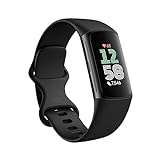
Google Fitbit Charge 6 - Fitness Tracker - Obsidian/Black | $130.14 | Buy on Amazon |
| 2 |

|
Fitbit Charge 6 Fitness Tracker (Bundle) – Black/Obsidian – Heart Rate, GPS, Sleep & Stress... | $142.99 | Buy on Amazon |
Fitbit directed users to its Android and iOS apps instead. The announcement did not say that Fitbit hardware was being bricked, that the mobile app was ending, or that all Fitbit data was being deleted. See Fitbit’s support discussion for the original explanation: Fitbit support.
What continued to work?
- Fitbit devices could continue pairing and syncing through the mobile app.
- Fitbit said activity, nutrition, sleep and weight information remained available in the Android and iOS apps.
- The dashboard closure itself was not an account-deletion event.
Availability in the app did not guarantee an identical experience. The browser dashboard’s large charts, keyboard-and-mouse workflows and navigation were replaced by an app-first interface. Users reported that chart presentation, logging and accessibility could feel different even when the underlying categories remained available. Those reports describe user experience, not a blanket confirmation that every individual dashboard feature disappeared.
#1 Best Overall
- Fitbit Charge 6 tracks key metrics from calories and Active Zone Minutes to Daily Readiness and sleep; move more with 40+ exercise modes, built-in GPS, all-day activity tracking, 24/7 heart rate, automatic exercising tracking, and more[1]
- See your heart rate in real time: Just link your Charge 6 to compatible exercise machines, like treadmills, ellipticals, and more[2]; and stay connected with YouTube Music controls[3]
- Tune into your body: Track your response to stress with a stress management score; learn about the quality of your sleep with a personalized nightly Sleep Score; and wake up more naturally with the Smart Wake alarm
- Run your routine with Google essentials: Find your way seamlessly during runs or rides with turn-by-turn directions from Google Maps on Fitbit Charge 6; and when you need a snack break on the go, just tap to pay with Google Wallet[1,4]
- Unlock more with Google Health Premium: With a premium membership, get personalized coaching that’s built with Gemini and adapts to your life[7]; get a 3-month trial at no cost to you[5] (Google Health Premium subscription sold separately)
Why the wording is confusing in 2026
Several different Fitbit milestones use “shutdown” language. They concern different products and dates:
| Date | Change | Who it affects |
|---|---|---|
| July 8, 2024 | Fitbit.com consumer web dashboard became inaccessible in a browser. | People who used Fitbit’s desktop or mobile website. |
| May 19, 2026 | The Fitbit app began transitioning to the Google Health app; legacy Fitbit-login access ended and users needed a Google Account. | Consumers with Fitbit accounts. |
| July 15, 2026 | Google began processing deletion of unmigrated legacy Fitbit accounts under its transition process. | Users who had not moved eligible data to Google. |
| September 30, 2026 | The legacy Fitbit Web API is scheduled to be fully decommissioned. | Developers and services using Fitbit authorization or API endpoints. |
Google’s account-transition details are at Google Health’s Fitbit migration help. The deletion terms are described at Google’s product documentation and its privacy FAQ.
The 2026 Google Health transition
The Fitbit app became Google Health
Beginning May 19, 2026, Google started moving the Fitbit app into the Google Health app, a redesigned hub for Fitbit, Pixel Watch and other connected health data. Google says Fitbit and Pixel devices continue to pair and work with the new app. Details are in Google’s transition notice and its Google Health announcement.
Free tools Windows power users keep installed
One-click scans. No signup required.
Legacy accounts and deletion processing
After May 19, 2026, a legacy Fitbit login was no longer the normal way to access the service. Migration to a Google Account is irreversible once completed, and users choose which eligible historical data to move. Google began processing deletion of unmigrated legacy accounts on July 15, 2026. That date has passed, so older advice telling everyone to migrate “before July 15” is no longer current. If an old account is missing, use Google’s current support process; recovery depends on whether it remains eligible or has entered deletion processing.
The Fitbit Web API is a different shutdown
The Fitbit Web API is the developer interface used by third-party applications. It is not the Fitbit.com dashboard and its decommissioning is not a consumer-device shutdown.
Google’s developer documentation says the legacy API will stop syncing data to or from Fitbit users, with the specific end date clarified as September 30, 2026. Existing integrations must move to the Google Health API and Google OAuth 2.0. Developers need to update endpoints, authentication, scopes, webhooks and consent flows. Users must grant consent again; silent migration is not supported. Start with Google’s Health API overview, the API migration announcement and the September 30 clarification.
What Fitbit owners should do now
- Install or update the Google Health app from your device’s official app store.
- Sign in with the Google Account associated with your migrated Fitbit account.
- Confirm that the Fitbit device is paired and has completed a sync.
- Review historical data, connected apps, permissions and notification settings.
- Export records you cannot afford to lose rather than relying on a single platform.
Google identifies Google Health and Google Account controls, as well as Google Takeout, as export routes. Export categories, formats and processing times can vary; an export is a backup, not a guarantee that another company can import every Fitbit metric.
Quick wins for a faster PC:
Repair Windows errors before they cause bigger problemsFix Now →Scan for outdated or missing drivers - takes under a minuteDriver Scan →Rank #2
- COMPLETE ALL-IN-ONE-BUNDLE: Includes Fitbit Charge 6 Black/Obsidian, rapid USB charger, and a premium microfiber cleaning cloth, – everything you need to start tracking in style.
If historical data is missing after migration
- Check that you are signed into the intended Google Account.
- Verify that Fitbit-account migration completed.
- Update the Google Health app and allow synchronization time.
- Review account permissions and connected devices.
- Request an available export through Google Takeout.
- Contact Google support if the migration itself failed.
Reinstalling an app cannot be assumed to restore history that is missing on the server.
Desktop viewing and alternatives
Google’s official replacement is primarily an app experience, not a restored Fitbit.com-style browser dashboard. If a large screen is essential, export your data or investigate a reputable third-party dashboard. Check its privacy policy carefully before granting health-data access.
Android users may be able to aggregate compatible records through Health Connect, while iPhone users may use compatible Apple Health apps. Google Health can connect data from Health Connect, Apple Health and other integrations, but Health Connect is an Android data-sharing layer—not a web dashboard. See Google’s data-connection explanation and Health Connect.
Switching ecosystems—such as Garmin, Apple Watch, Oura, Polar, Withings or Samsung—may provide a different desktop or training experience, but no automatic migration of every Fitbit record should be assumed. Buying a new device will not restore the discontinued Fitbit.com dashboard.
Recommended Free Tools
Older devices and privacy
Dashboard closure does not establish that an older Fitbit is unsupported. Device support varies by model; Google publishes model-specific security-support periods at its device documentation.
Migration also changes the account context from Fitbit to Google. Google says Fitbit health and wellness data remains separate from Google Ads, but users should still review Google Health permissions, connected applications, export controls and deletion settings. Google’s privacy overview is available at Google Safety.
The Bottom Line
Google did not newly announce a July 2026 shutdown of Fitbit’s consumer web dashboard. Browser access ended on July 8, 2024. In 2026, focus on Google Health account migration and data preservation; developers must meet the separate September 30, 2026 Fitbit Web API deadline.
Quick Recap
Product prices and availability are accurate as of the date/time indicated and are subject to change. Any price and availability information displayed on Amazon at the time of purchase will apply.
Do these 3 things before closing this tab:
1Clear out junk files and repair common Windows errors2Scan for outdated or missing drivers - takes under a minute3Repair Windows errors before they cause bigger problems
