Huawei has been shipping smart glasses for years, but almost all of them have played it safe. The company’s earlier Eyewear lines focused on audio, notifications, and subtle design — essentially smart headphones disguised as prescription frames. Useful, yes, but deliberately underpowered in a market that is now pivoting hard toward on-device intelligence and visual computing.
What’s changed is that Huawei no longer seems content with smart glasses as an accessory. The signals coming out of China suggest a strategic shift toward genuinely high-powered eyewear, closer to a wearable computer than a lifestyle gadget. That shift matters, because Huawei now has far more of the pieces needed to make ambitious smart glasses viable — and far fewer reasons to hold back.
A Maturing Hardware and Silicon Stack
The most important change is internal. Huawei’s recent progress in self-developed silicon, from Kirin mobile chipsets to dedicated AI accelerators, gives it far more control over performance-per-watt than it had even two years ago. Smart glasses live and die by thermal headroom, battery efficiency, and low-latency processing, and Huawei is finally in a position to tune all three together.
Unlike earlier audio-focused frames that could rely on tiny batteries and minimal compute, “high-powered” glasses imply real-time vision processing, contextual AI, and potentially lightweight AR overlays. That requires local inference rather than cloud dependence, especially in markets where latency, privacy, or connectivity are concerns. Huawei’s recent emphasis on on-device AI across phones, wearables, and cars makes smart glasses a logical next endpoint.
🏆 #1 Best Overall
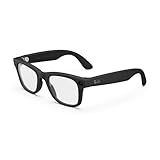
- #1 SELLING AI GLASSES - Tap into iconic style for men and women, and advanced technology with the newest generation of Ray-Ban Meta glasses. Capture photos and videos, listen to music, make hands-free calls or ask Meta AI questions on-the-go.
- UP TO 8 HOURS OF BATTERY LIFE - On a full charge, these smart AI glasses can last 2x longer than previous generations, up to 8 hours with moderate use. Plus, each pair comes with a charging case that provides up to 48 hours of charging on-the-go.
- 3K ULTRA HD: RECORD SHARP VIDEOS WITH RICH DETAIL - Capture photos and videos hands-free with an ultra-wide 12 MP camera. With improved 3K ultra HD video resolution you can record sharp, vibrant memories while staying in the moment.
- LISTEN WITH OPEN-EAR AUDIO — Listen to music and more with discreet open-ear speakers that deliver rich, quality audio without blocking out conversations or the ambient noises around you.
- ASK YOUR GLASSES ANYTHING WITH META AI - Chat with Meta AI to get suggestions, answers and reminders straight from your smart AI glasses.
HarmonyOS Is Ready for a New Class of Device
Just as critical is software. HarmonyOS has quietly evolved from a survival platform into a cross-device operating system designed for distributed computing. Smart glasses fit that vision unusually well, acting as a head-mounted interface that offloads heavy lifting to a phone, watch, or even a car — while still doing enough locally to feel instant and personal.
This is where Huawei may diverge sharply from Meta and Ray-Ban. Instead of treating glasses as a standalone social or media device, Huawei appears more interested in glasses as a node in a broader ecosystem. Navigation prompts synced from a Huawei Watch, contextual notifications filtered by a Huawei phone, and AI assistance shared across devices all align with how HarmonyOS already behaves in real-world use.
China’s Smart Eyewear Market Has Shifted Expectations
Market pressure is another factor. In China, competitors like Xiaomi and smaller AI hardware startups have pushed smart glasses beyond novelty, introducing cameras, real-time translation, and AI assistants at increasingly aggressive prices. Consumers there are becoming accustomed to glasses that do more than play music, and Huawei risks looking conservative if it doesn’t respond.
At the same time, regulatory and privacy constraints in China differ from those shaping Meta’s Ray-Ban strategy in the West. Huawei can experiment more freely with always-on AI features, object recognition, and productivity tools without the same backlash around data collection. That creates room for genuinely high-powered functionality, not just incremental upgrades.
Apple’s Shadow Is Forcing Long-Term Thinking
Finally, there’s the unspoken catalyst: Apple. Even without shipping smart glasses, Apple’s rumored trajectory toward lightweight AR eyewear is influencing the entire industry. Huawei understands that when Apple eventually enters this category, the baseline for polish, performance, and ecosystem integration will jump overnight.
Building high-powered smart glasses now allows Huawei to climb that learning curve early. Even if the first generation remains niche, it establishes expertise in optics, thermal design, battery placement, and daily wear comfort — the same fundamentals that matter in watches and high-end mechanical timepieces, just translated to the face. In that sense, Huawei’s sudden seriousness isn’t sudden at all; it’s the result of years of groundwork finally converging into a product category that’s ready to grow up.
What We Know So Far: Credible Leaks, Patents, and Official Signals
Taken together, Huawei’s recent filings, quiet executive comments, and supply-chain signals point to something more ambitious than a cosmetic refresh of its existing smart glasses. This is not yet a confirmed product, but the pattern looks familiar to anyone who has followed Huawei’s watch launches over the past decade: long groundwork, limited public teasing, then a fast move once the ecosystem pieces are ready.
What follows is a breakdown of what can be treated as reasonably solid versus what remains educated inference.
Patent Filings Suggest a Shift Toward Display-Equipped Glasses
Over the past 18 months, Huawei has published multiple patents related to optical waveguides, micro-display modules, and projection systems embedded directly into prescription lenses. Unlike earlier filings focused on audio transmission and hinge-mounted electronics, these newer documents describe monocular and binocular display layouts designed for lightweight frames.
Several patents reference low-power micro-LED or LCOS-style displays paired with waveguide lenses, indicating an intent to surface contextual information rather than full immersive AR. Think navigation arrows, notifications, translation overlays, and glanceable prompts, rather than the fully spatial interfaces seen in enterprise headsets.
Crucially, these filings also address heat dissipation and weight distribution, with electronics split between the temples and bridge. That mirrors the same ergonomic thinking Huawei applies to watch case thickness and lug balance, suggesting these glasses are being designed for all-day wear rather than short demo sessions.
HarmonyOS Clues Point to Glasses as a First-Class Device
On the software side, recent HarmonyOS updates include references to “near-eye display” device categories alongside watches, tablets, and audio wearables. While Huawei hasn’t publicly explained these additions, developers in China have noted new APIs for head-tracked interaction, quick-glance UI layers, and cross-device notification handoff optimized for small, always-visible displays.
This matters because Huawei rarely adds hardware categories to HarmonyOS without a product close behind. The same pattern preceded the Watch GT line and later the Watch Ultimate, where system-level support appeared months before launch.
The implication is that Huawei isn’t treating smart glasses as Bluetooth accessories. Instead, they appear positioned as independent HarmonyOS nodes, capable of running lightweight apps, handling AI inference locally, and syncing seamlessly with Huawei phones and watches for heavier tasks.
Supply-Chain Noise Points to Cameras and AI Hardware
Industry reporting out of Shenzhen suggests Huawei has been evaluating camera modules small enough to fit into eyewear frames without the visual prominence of Meta’s Ray-Ban cameras. These modules reportedly prioritize wide field-of-view and fast capture over high resolution, aligning with use cases like visual search, object recognition, and real-time translation.
Equally telling are references to dedicated AI co-processors optimized for on-device inference. Huawei’s recent work in watches has leaned heavily on efficiency-first silicon, trading raw performance for battery life and thermal stability. Applying that philosophy to glasses would allow features like always-on gesture detection or visual context awareness without destroying comfort or runtime.
Battery expectations remain modest. Based on component size and thermal limits, realistic daily use would likely involve a full day of mixed standby and active use, with charging cases or magnetic connectors handling overnight top-ups, similar to premium audio wearables rather than phones.
How This Compares to Meta, Xiaomi, and Apple’s Trajectory
If Huawei does ship display-equipped smart glasses, they would sit between Meta’s Ray-Ban approach and Apple’s rumored long-term vision. Meta prioritizes camera-first social capture with minimal visual feedback, while Apple is expected to push hard on polished AR experiences once the technology matures.
Huawei’s likely strategy is more pragmatic. A restrained display, deep ecosystem integration, and strong AI features would make these glasses feel closer to a face-worn extension of a Huawei Watch than a mini Vision Pro. That could resonate strongly with users already comfortable with Huawei’s notification filtering, health tracking, and cross-device continuity.
Against Xiaomi, the differentiation would be finish, software depth, and daily usability. Xiaomi has moved quickly with feature-rich glasses at aggressive prices, but often with compromises in build quality, comfort, and long-term software support. Huawei’s history suggests fewer headline features, executed with more restraint and better refinement.
Official Signals Without a Formal Announcement
Huawei executives have carefully avoided confirming smart glasses with displays, but recent comments around “next-generation personal wearables” and “multi-form factor HarmonyOS experiences” have been conspicuously non-specific. That ambiguity is typical of Huawei’s pre-launch posture, especially for categories that sit at the intersection of hardware, software, and regulatory scrutiny.
Notably, Huawei’s consumer business presentations increasingly place eyewear alongside watches and earbuds, rather than under experimental or audio-only categories. That subtle shift signals internal confidence that glasses are graduating from novelty to core product line.
What Potential Buyers Should Realistically Expect
Based on everything currently visible, these glasses are unlikely to be mass-market on day one. Expect premium pricing, limited regional availability, and a clear emphasis on Huawei phone users running the latest HarmonyOS builds.
What buyers should not expect is full AR gaming or immersive media. What they may get is a genuinely useful, always-available interface for navigation, translation, notifications, and AI assistance, delivered in frames that prioritize comfort, durability, and discretion over spectacle.
In other words, if Huawei follows its established playbook, these glasses won’t try to replace your phone or watch. They’ll aim to make both feel smarter, without demanding attention — which, in the evolving smart eyewear market, may be the most powerful move of all.
From Audio Glasses to AR‑Ready Hardware: How This Would Mark a Step‑Change for Huawei Eyewear
Seen in that context, the rumored move toward display-equipped glasses would not be an incremental update but a fundamental repositioning of Huawei Eyewear. Up to now, Huawei’s glasses have behaved more like discreet wearables with sound, leaning heavily on design, comfort, and battery efficiency rather than visual computing.
Adding visual output changes the entire product category they compete in, and raises expectations around processing power, software intelligence, and real-world usefulness in a way audio alone never could.
What Huawei’s Audio Glasses Got Right — and Why They Were Always Transitional
Huawei’s Smart Glasses and Eyewear series have been conservative by design, focusing on open-ear audio, call clarity, touch controls, and all-day wearability. Lightweight frames, understated styling, and strong integration with Huawei phones made them practical daily accessories rather than tech statements.
Battery life and comfort were prioritized over spectacle, with many models lasting a full workday without the heat buildup or awkward weight distribution seen in early smart glasses from rivals. That restraint earned quiet praise, but it also capped what the product could do.
Without a display, those glasses were fundamentally reactive, relaying audio notifications and commands rather than enabling glanceable information or contextual interaction. In a market now moving toward ambient computing, that limitation has become increasingly visible.
The Hardware Leap Required for AR‑Ready Glasses
Credible supply-chain chatter points to a significant internal redesign rather than a cosmetic evolution. Display-equipped glasses demand micro-OLED or waveguide optics, far more complex thermal management, and a step up in silicon capable of handling real-time visual overlays without draining the battery in an hour.
Rank #2
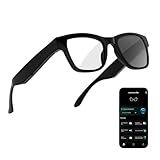
- 3-in-1 AI Glasses: Enjoy ① AI Voice Assistant (Powered by ChatGPT, Gemini & Deepseek), ② Stylish Photochromic Lenses Glasses, and ③ Bluetooth Open-Back Headphones, all in one.
- Free Talk Translation: Automatically detects and translates over 160 languages in real-time, allowing seamless work and translation without touching your phone or glasses.
- Voice, Video & Photo Translation: Supports over 98% of global languages, offering fast and accurate translations—ideal for international travel, business meetings, or cross-cultural communication.
- AI Meeting Assistant: Converts recordings from smart glasses into text and generates mind maps, making it easier to capture and organize meeting insights.
- Long Battery Life, Bluetooth 5.4 & Eye Protection: Up to 10 hours of music and 8 hours of talk time, with easy Type-C charging. Bluetooth 5.4 ensures stronger, stable connections, while photochromic lenses block UV rays and blue light, protecting your eyes in any environment.
Huawei is unusually well-positioned here thanks to its experience building efficient chips for wearables and its long-standing optics R&D across cameras and displays. If these glasses arrive, expect conservative display brightness, narrow fields of view, and an emphasis on clarity over immersion, aligning with Huawei’s history of favoring usability over headline specs.
Materials will matter more than ever. Titanium or reinforced polymer frames, careful weight balancing along the temples, and discreet housing for cameras or projectors will determine whether these feel like glasses you forget you’re wearing or a gadget you tolerate for short bursts.
HarmonyOS as the Quiet Enabler
The biggest shift may not be hardware at all, but software architecture. HarmonyOS already treats phones, watches, earbuds, and tablets as distributed components of a single system, and glasses fit naturally into that model.
Rather than running heavy apps locally, the glasses could function as a visual endpoint, pulling context from a nearby phone or watch. Navigation arrows, translation captions, calendar prompts, and AI-generated summaries could appear only when needed, keeping power consumption low while preserving responsiveness.
This approach would also sidestep many of the pitfalls that plagued earlier AR efforts, where standalone processing led to heat, latency, and short battery life. For users already invested in Huawei’s ecosystem, the appeal would be seamlessness rather than novelty.
How This Positions Huawei Against Meta, Xiaomi, and Apple’s Rumored Plans
Meta’s Ray-Ban glasses prioritize social capture and AI interaction, but still avoid displays in consumer models, keeping expectations low and wearability high. Xiaomi has pushed faster toward feature density, including displays, but often at the expense of polish and long-term software refinement.
Huawei’s rumored direction appears more measured, aiming for a middle ground where visual information is useful but not overwhelming. If successful, it would place Huawei closer to where Apple is widely believed to be heading: glasses that complement existing devices rather than attempt to replace them.
The difference is timing. Huawei may be willing to ship earlier, accept tighter constraints, and iterate in public, while Apple continues to wait for optics and power efficiency to meet its internal thresholds.
Why This Would Redefine Huawei Eyewear’s Role
With displays in play, Huawei Eyewear would no longer be an accessory category sitting adjacent to watches and earbuds. It would become a core interface layer, influencing how users navigate cities, communicate across languages, and interact with AI throughout the day.
That shift also raises the bar for durability, privacy signaling, and long-term support. Glasses worn daily must survive sweat, dust, and accidental drops, and must clearly communicate when cameras or sensors are active to avoid social friction.
If Huawei gets those fundamentals right, the jump from audio-only to AR-ready hardware would not just expand the feature list. It would redefine what Huawei Eyewear is for, and signal that the company sees smart glasses not as an experiment, but as a permanent pillar of its wearable ecosystem.
Expected Hardware: Displays, Optics, Chips, Cameras, and On‑Device AI
If Huawei is serious about elevating Eyewear from a peripheral into a true interface layer, the hardware stack has to do far more than what its audio-first glasses offer today. The shift toward visual output and contextual AI puts intense pressure on displays, optics, silicon efficiency, and thermal design, all while preserving something that still looks and feels like everyday eyewear.
What follows is a blend of what Huawei has already demonstrated in adjacent products, credible supply-chain chatter, and the technical constraints that define this category in 2026.
Displays and Optics: Subtle AR, Not Head‑Mounted Screens
The most credible expectation is a single or dual micro‑display system embedded in the lens or frame, likely using micro‑LED or LCoS rather than waveguide-heavy full AR optics. Huawei has historically favored conservative optical solutions that prioritize brightness efficiency and outdoor legibility over wide fields of view.
Rather than immersive overlays, the display is expected to surface glanceable information: navigation cues, translation text, message previews, and AI responses anchored near the periphery of vision. Think heads‑up utility, not spatial computing, keeping eye strain and social awkwardness in check.
Optically, this approach allows thinner lenses, better weight balance, and lower power draw than true waveguide AR. It also aligns with Huawei’s likely intent to ship at scale rather than wait for a generational leap in optical manufacturing yields.
Chips and Processing: Distributed Intelligence Over Raw Power
Huawei is unlikely to chase brute-force processing inside the glasses themselves. Instead, the architecture is expected to split workloads between a low‑power on‑device SoC and a paired phone, watch, or cloud service depending on latency and privacy requirements.
A custom Kirin‑derived wearable chip, optimized for AI inference, sensor fusion, and display driving, would mirror Huawei’s strategy in watches and earbuds. This kind of silicon favors sustained efficiency over peak performance, crucial for something worn on the face for hours at a time.
Thermals remain the limiting factor. Any design that runs hot undermines comfort and battery longevity, so expect aggressive clock gating, limited multitasking, and a strong reliance on HarmonyOS-level orchestration to decide where computation actually happens.
Cameras and Sensors: Functional Vision With Social Constraints
Camera inclusion feels increasingly likely, but not in the action‑cam sense popularized by early smart glasses. A single forward-facing camera, optimized for stills, short clips, and visual AI input, would fit Huawei’s measured positioning.
Resolution does not need to be extreme. What matters more is low-light performance, fast capture, and minimal rolling shutter for translation, object recognition, and contextual assistance. Huawei’s smartphone imaging pedigree gives it an advantage here, even with smaller sensors.
Equally important is signaling. Physical LED indicators, audible cues, or software-enforced capture limits are almost guaranteed, both to satisfy regulatory pressure and to avoid the social backlash that plagued earlier camera glasses.
On‑Device AI: Practical Intelligence, Not Always‑On Surveillance
On‑device AI is where Huawei can differentiate most clearly from Meta and Xiaomi. Rather than positioning the glasses as an always‑listening companion, Huawei appears to favor intent‑driven activation: translation when you look at text, navigation when you’re moving, summaries when prompted.
Expect lightweight language models running locally for wake‑word detection, basic translation, and visual classification, with more complex queries handed off to a connected device or the cloud. This hybrid model reduces latency while keeping battery drain manageable.
Crucially, this also aligns with Huawei’s privacy-first messaging. Processing more data locally, even if the models are smaller, gives the company a narrative advantage in markets increasingly sensitive to data handling in wearable AI.
Battery, Comfort, and Real‑World Wearability
All of this hardware only works if the glasses remain comfortable across a full day. Battery capacity will likely be split across both temples, using slim cells similar to those in audio eyewear, with realistic expectations of partial-day visual use rather than continuous display time.
Materials will matter. Lightweight frames, internal metal reinforcement for heat spreading, and adjustable nose pads are no longer optional once displays and cameras enter the equation. Huawei’s experience with watch ergonomics suggests it understands this, even if glasses pose a steeper challenge.
In practical terms, buyers should expect compromises. Visual features may be session-based rather than persistent, and battery life will depend heavily on how often displays and cameras are invoked. The tradeoff is glasses that still feel wearable, rather than a prototype strapped to your face.
Software and Ecosystem: HarmonyOS, Cross‑Device Features, and App Potential
If hardware and on‑device AI determine whether Huawei’s smart glasses are usable, software will determine whether they are indispensable. This is where HarmonyOS and Huawei’s broader device ecosystem quietly become the most strategic parts of the product, shaping how often the glasses are worn rather than how impressive they look on a spec sheet.
HarmonyOS as the Invisible Backbone
Huawei’s smart eyewear is almost certain to run a lightweight HarmonyOS variant, similar in philosophy to what powers its watches and audio wearables rather than a full standalone OS. The glasses themselves are unlikely to host a traditional app launcher; instead, they act as a context-aware node within a larger HarmonyOS network.
That approach suits the constraints of eyewear. Rather than forcing developers to design full visual apps for a tiny display, Huawei can surface glanceable overlays, notifications, and task-specific interfaces that appear only when relevant, minimizing distraction and battery drain.
Rank #3

- 【AI Real-Time Translation & ChatGPT Assistant】AI glasses break language barriers instantly with AI real-time translation. The built-in ChatGPT voice assistant helps you communicate, learn, and handle travel or business conversations smoothly—ideal for conferences, overseas trips, and daily use.
- 【4K Video Recording & Photo Capture 】Smart glasses with camera let you capture your world from a first-person view with the built-in 4K camera. Take photos and record videos hands-free anytime—perfect for travel moments, vlogging, outdoor adventures, and work documentation.
- 【Bluetooth Music & Hands-Free Calls 】Camera glasses provide Bluetooth music and crystal-clear hands-free calls with an open-ear design. Stay aware of your surroundings while listening—comfortable for long wear and safer for commuting, cycling, and outdoor use.
- 【IP65 Waterproof & Long Battery Life】 Recording glasses are designed for daily wear with IP65 waterproof protection against sweat, rain, and dust. The built-in 290mAh battery provides reliable performance for workdays and travel—no anxiety when you’re on the go.
- 【Smart App Control & Object Recognition】Smart glasses connect to the companion app for easy setup, file management, and feature control. They support AI object recognition to help identify items and improve your daily efficiency—perfect for travel exploration and a smart lifestyle.
HarmonyOS also gives Huawei control over latency and behavior in a way Android-based rivals often struggle with. Gesture recognition, voice prompts, and visual overlays can be tuned tightly to the hardware, creating interactions that feel intentional rather than experimental.
Cross‑Device Intelligence: Glasses as a Peripheral, Not a Phone Replacement
Huawei has been consistent about positioning its wearables as extensions, not replacements. These glasses are expected to lean heavily on nearby Huawei phones, tablets, and watches for compute-heavy tasks, connectivity, and user input.
In practice, this could mean navigation visuals driven by a phone’s GPS, message replies handled through a watch or handset, and AI queries escalated seamlessly from on-device processing to cloud-assisted results. The glasses become the interface, while other devices handle the workload.
This distributed model matters for comfort and heat management. By offloading sustained processing, Huawei can keep the frames lighter and cooler, reinforcing the idea that smart glasses should disappear on your face until you need them.
Continuity Features and Daily Utility
Expect Huawei’s existing continuity features to play a major role. Notification mirroring, call handling, quick replies, and real-time translation already exist across Huawei’s ecosystem, and smart glasses are a natural place to surface them.
More interesting is how visual context could enhance familiar tasks. Calendar reminders could appear as subtle prompts in your field of view, navigation cues could replace constant phone checking, and translation overlays could work in tandem with Huawei’s existing language services rather than reinventing them.
These are not headline-grabbing features, but they are the ones that determine whether the glasses are worn daily or left at home. Huawei’s strength has always been refinement, not spectacle.
App Ecosystem: Controlled, Focused, and Still a Question Mark
The biggest unknown remains third-party app support. Huawei’s AppGallery has matured significantly on phones and watches, but smart glasses introduce a new interaction model that many developers have yet to explore.
Rather than an open-ended app flood, Huawei is likely to curate a small set of use cases at launch: navigation, translation, fitness prompts, media control, and work-oriented utilities. This mirrors how its watches evolved, prioritizing stability and battery life over novelty.
For developers, the appeal will hinge on how much visual access Huawei allows. Limited overlays are easier to manage and socially acceptable, but they also restrict creativity. Finding the balance between usefulness and restraint will define whether the platform grows beyond first-party features.
Compatibility, Regional Realities, and Buyer Expectations
Compatibility will almost certainly favor Huawei phones, particularly in China, where HarmonyOS features are most tightly integrated. Android support outside Huawei’s ecosystem may exist, but likely with reduced functionality, especially for AI and cross-device features.
This has implications for global buyers. While the hardware may attract attention worldwide, the full experience will remain strongest inside Huawei’s walled garden. For existing Huawei watch and phone users, that cohesion is a genuine advantage; for everyone else, it is a tradeoff that needs to be weighed carefully.
In short, Huawei’s smart glasses are shaping up to be less about standalone spectacle and more about ecosystem leverage. The software story is not flashy, but it is coherent, and in wearables, coherence is often what separates devices that feel futuristic from those that quietly become indispensable.
Battery Life, Comfort, and Wearability: The Real Make‑or‑Break Factors
If software coherence is what makes smart glasses usable, battery life and comfort are what make them survivable in the real world. This is the point where many ambitious eyewear projects quietly fail, and it is also where Huawei’s track record in wearables becomes especially relevant.
Battery Life: Chasing All‑Day Credibility
Based on Huawei’s recent design language, it is highly unlikely these glasses are chasing headline-grabbing display brightness or always-on visuals. Instead, expect a conservative power budget tuned for intermittent use: notifications, navigation cues, translation bursts, and voice interaction rather than persistent AR overlays.
Industry whispers point to a dual-cell approach hidden within the temples, similar in concept to Huawei’s Eyewear 2 but scaled up to support more powerful silicon and AI workloads. Realistically, that translates to a full workday of mixed use, not continuous AR, and likely several days if used primarily for audio, notifications, and passive assistance.
This puts Huawei in a different camp from rumored Apple smart glasses, which are expected to lean heavily on iPhone offloading, and from Meta’s Ray-Ban line, which prioritizes camera use over endurance. Huawei appears to be aiming for something closer to smartwatch-style longevity, measured in days of light use rather than hours of spectacle.
Charging Strategy: Fast Top-Ups Over Marathon Sessions
Huawei’s wearables almost universally rely on fast, predictable charging rather than oversized batteries, and smart glasses are unlikely to break that pattern. Magnetic charging via a proprietary connector or compact charging case feels more plausible than USB-C ports, which introduce weight and sealing challenges.
If Huawei carries over its fast-charge tuning from watches, a 10 to 15 minute top-up delivering several hours of use would be a meaningful quality-of-life advantage. For glasses that may be worn intermittently throughout the day, quick recovery matters more than theoretical maximum capacity.
Wireless charging remains unlikely at this size and thermal envelope, but Huawei’s expertise in power management suggests charging will be engineered to feel invisible rather than impressive.
Weight Distribution and Frame Comfort
Comfort is not about raw weight alone, but about how that weight is distributed across the face and ears. Huawei’s previous eyewear designs already showed a strong understanding of balance, with thicker temples offset by lightweight fronts to avoid pressure on the nose bridge.
Expect materials like reinforced polymer frames with internal metal cores rather than full metal construction. Titanium would be desirable from a durability standpoint, but cost and RF transparency make it less practical for antenna-heavy smart glasses.
If Huawei gets this right, these should feel closer to premium optical frames than to tech prototypes. Anything north of roughly 45 to 50 grams risks fatigue over long sessions, particularly for users who already wear prescription lenses.
Thermal Management and Skin Contact Realities
More powerful processors raise uncomfortable questions about heat, especially when electronics sit millimeters from the temples and ears. Huawei has significant experience managing thermals in compact devices, but glasses leave far less margin for error than watches or earbuds.
The safest assumption is aggressive performance scaling. Short bursts of AI processing, followed by cooldown periods, will likely be the norm, with sustained workloads offloaded to the paired phone whenever possible.
This approach may limit flashy demos, but it dramatically improves long-term comfort and avoids the deal-breaking sensation of warm frames against skin, something early AR glasses have struggled with.
Durability, Daily Wear, and Prescription Integration
Smart glasses that cannot survive daily handling are non-starters, and Huawei knows this from years of selling wearables into mainstream markets. Expect at least basic water resistance for rain and sweat, hardened lenses, and hinge designs tested well beyond typical consumer eyewear cycles.
Prescription lens support will be critical outside China, where users are less willing to wear clip-ons or secondary frames. Huawei has already navigated this space before, and modular lens systems or optician-friendly designs are far more likely than fixed, non-customizable optics.
Ultimately, wearability will determine whether these glasses feel like an accessory or an obligation. If Huawei can deliver eyewear that disappears on the face, lasts through the day, and recharges quickly without fuss, it will have solved the hardest problem in smart glasses long before rivals perfect their AR illusions.
How Huawei’s Smart Glasses Could Stack Up Against Meta Ray‑Ban, Xiaomi, and Apple’s Rumored Vision
All of the comfort, thermal, and durability questions matter because Huawei would be entering a smart glasses market that is finally starting to define its lanes. The real comparison is not about who can do the most on paper, but who understands what people will actually wear for hours at a time.
Huawei’s rumored direction suggests it is aiming squarely at the “everyday smart eyewear” category, but with far more technical ambition than most current players.
Rank #4
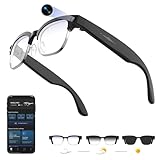
- 【8MPW Camera & 1080P Video and Audio】:These camera glasses feature an 800W camera that outputs sharp 20MP photos and smooth 1080P 30fps videos. Ultra-Clear Video + Powerful Anti-Shake tech+ Built-in dual microphones, you can capture crystal-clear video and audio together -sharply restoring details, perfect for vlogging, travel, and everyday moments
- 【Real-time AI translation Smart Glasses with Camera】:Instantly translate multiple major languages, breaking down language barriers in an instant—no phone required. Ideal for office settings, travel, academic exchanges, international conferences, watching foreign videos, and more
- 【Voice Assistant Recognition and Announcement】:Powered by industry-leading AI large models such as Doubao AI and OpenAI's GPT-4.0. AI voice wake-up lets you ask questions, recognize objects, and get answers on the go. Automatically recognizes objects, menus, landmarks, plants, and more, quickly analyzing the results and announcing them in real time. It instantly becomes your mobile encyclopedia on the go
- 【Bluetooth 5.3 Connection and Automatic Sync to Phone】:Equipped with a low-power BT5.3 chip and Wi-Fi dual transmission technology, offering ultra-low power and high-speed transmission. Captured images and videos are transferred to your phone in real time, eliminating manual export and eliminating storage worries
- 【290mAh Ultra-Long Battery Life】:Ultra-light at 42g, it's made of a durable, skin-friendly material, as light as a feather. Lenses are removable. Its simple, versatile design makes it a comfortable and comfortable wearer. 290mAh ultra-long battery life, 12 hours of music playback and 2 hours of photo or video recording, making it a perfect travel companion
Against Meta Ray‑Ban: Power Versus Simplicity
Meta’s Ray‑Ban smart glasses succeed precisely because they are restrained. They focus on audio, cameras, and basic AI features, all wrapped in frames that feel like normal eyewear and weigh roughly 48 grams depending on configuration.
Huawei appears poised to push well beyond that, likely adding visual AI overlays, more advanced sensors, and tighter system-level intelligence. That extra capability comes with risk, because Meta’s biggest win has been not trying to do too much too soon.
If Huawei can keep weight near Ray‑Ban territory while offering genuinely useful on-glass information, it could appeal to users who want more than a hands-free camera but are not ready for full AR. Miss that balance, and the Ray‑Ban model will still feel more approachable for all-day casual wear.
Xiaomi’s Smart Glasses: Spec Ambition Without Global Polish
Xiaomi has consistently shown impressive engineering concepts in smart glasses, including microLED displays and aggressive feature sets. The problem has been availability, software refinement, and long-term support outside China.
Huawei’s advantage here is maturity. HarmonyOS wearables are already sold globally, and Huawei understands regulatory hurdles, prescription partnerships, and after-sales expectations far better than Xiaomi’s experimental launches suggest.
If Huawei delivers even a slightly less ambitious display system but backs it with stable software, reliable battery life, and proper optical customization, it immediately leapfrogs Xiaomi in real-world usability rather than lab demos.
Apple’s Rumored Vision: Different Category, Different Timeline
Apple’s long-rumored smart glasses remain exactly that, rumors. Most credible reports suggest Apple is prioritizing spatial computing through Vision Pro and delaying lightweight glasses until technology catches up.
Huawei does not have the luxury of waiting for perfect waveguides or all-day AR displays. Instead, it appears to be betting on near-term practicality, delivering intelligent assistance and subtle visual cues rather than immersive experiences.
This positions Huawei well for users who want benefits now, not in three to five years. Apple may eventually redefine the category, but Huawei could define the habits that make smart glasses acceptable before Apple ever arrives.
Software Ecosystem and Daily Usability
Where Huawei could quietly outperform everyone is software cohesion. HarmonyOS already links watches, earbuds, tablets, and phones with low-latency handoffs, and smart glasses slot naturally into that network.
Expect interactions that feel closer to smartwatch glanceability than AR spectacle. Notifications, navigation prompts, translation snippets, and health or fitness cues are more likely than full app ecosystems rendered in front of your eyes.
Battery life will be the limiting factor. Realistically, anything approaching a full workday with mixed audio, AI, and light visual use would put Huawei ahead of most current offerings, even if heavy features are capped to preserve comfort.
Design, Materials, and Perceived Value
Meta relies on Ray‑Ban’s brand heritage to sell normalcy. Apple will rely on industrial design minimalism. Huawei must rely on materials, finishing, and fit.
Titanium hinges, acetate or lightweight composite frames, and discreet sensor placement would signal that these are premium eyewear first, electronics second. For users already invested in Huawei watches or phones, the perceived value comes from integration rather than fashion alone.
Price will ultimately decide adoption. If Huawei lands below Apple’s inevitable premium and close enough to Ray‑Ban pricing to feel attainable, the extra intelligence could be an easy upsell for ecosystem users.
Who Huawei’s Glasses Are Really For
These glasses are unlikely to replace phones or even smartwatches. Instead, they target users who want frictionless access to information without pulling something out of a pocket or tapping a wrist.
If Huawei executes well, its smart glasses could feel like the first genuinely useful middle ground between audio-first smart eyewear and future AR headsets. Not revolutionary in isolation, but quietly compelling as part of a broader wearable system that already lives on your wrist, in your ears, and in your pocket.
Who These Glasses Are Really For (and Who Should Probably Skip Them)
Seen in the context of Huawei’s broader wearable strategy, these glasses make the most sense when you stop thinking of them as a gadget and start thinking of them as an extension of the wrist and the ear. They are about reducing friction, not adding spectacle.
Huawei Ecosystem Loyalists Who Already Live in HarmonyOS
If you are already using a Huawei phone, Watch GT or Watch Ultimate, and FreeBuds, these glasses are aimed squarely at you. The value proposition hinges on tight system-level integration: call handling without pulling out your phone, navigation cues that don’t require glancing at your wrist, and AI assistance that understands your routines.
For these users, the glasses are less about novelty and more about convenience density. Much like a well-sized smartwatch with good battery life, their appeal grows over time rather than in the first five minutes.
Professionals Who Need Glanceable Information, Not Immersive AR
These glasses are likely to resonate with people who spend long hours moving between meetings, sites, or cities. Think consultants, sales professionals, logistics managers, or frequent travelers who benefit from translations, notifications, and subtle prompts without breaking eye contact.
They are not trying to replace a laptop or even a phone. Instead, they act like a heads-up layer for real life, closer to how a well-designed pilot watch complements a cockpit rather than dominates it.
Wearable Enthusiasts Who Care About Comfort and Battery More Than Demos
Early adopters burned by heavy, short-lived AR headsets may find Huawei’s approach refreshing. Prioritizing weight distribution, hinge durability, and all-day wear comfort suggests a product designed for eight to ten hours of use, not fifteen minutes of showroom magic.
Battery life expectations should be grounded but optimistic. If Huawei can deliver a full workday with mixed audio, AI assistance, and occasional visual prompts, that will matter far more than any flashy feature that drains the battery by lunchtime.
Users Who Want Smart Eyewear Without Looking Like They’re Wearing Tech
A restrained design philosophy will appeal to users who want their glasses to pass as normal eyewear. Materials like titanium or high-quality acetate, paired with conservative frame shapes, would make these suitable for offices, public transport, and social settings without drawing attention.
This is the same audience that prefers a 42–44mm smartwatch with good finishing over an oversized statement piece. Subtlety is part of the value.
Who Should Probably Skip Them
If you are expecting immersive AR visuals, floating app windows, or full spatial computing, these glasses will almost certainly disappoint. Huawei appears to be aiming well below Apple’s rumored Vision-level ambitions and far away from developer-heavy AR platforms.
They are also a tough sell for users outside Huawei’s ecosystem, especially in regions where app support and services are limited. Without HarmonyOS devices to anchor the experience, much of the magic fades.
Finally, if you primarily want smart glasses as a fashion accessory first and tech second, Meta’s Ray‑Ban collaboration still holds an advantage. Huawei’s strength is functional elegance, not brand-driven eyewear cachet.
Launch Timing, Pricing Expectations, and Global Availability Realities
All of the above positioning naturally leads to the practical questions: when might these glasses actually launch, how much will they cost, and who will realistically be able to buy them. On each front, Huawei’s recent product cadence offers clues, even if official confirmation remains elusive.
When a Launch Is Most Likely to Happen
Huawei typically unveils new wearable categories alongside flagship smartphones or major HarmonyOS updates, rather than in isolation. That makes a late spring or early autumn announcement window the most plausible, aligning with the company’s established rhythm for ecosystem products rather than headline-grabbing global tech expos.
💰 Best Value

- #1 SELLING AI GLASSES - Move effortlessly through life with Ray-Ban Meta glasses. Capture photos and videos, listen to music, make hands-free calls or ask Meta AI* questions on-the-go. Ray-Ban Meta glasses deliver a slim, comfortable fit for both men and women.
- CAPTURE WHAT YOU SEE AND HEAR HANDS-FREE - Capture exactly what you see and hear with an ultra-wide 12 MP camera and a five-mic system. Livestream it on Facebook and Instagram.
- LISTEN WITH OPEN-EAR AUDIO — Listen to music and more with discreet open-ear speakers that deliver rich, quality audio without blocking conversations or the ambient noises around you.
- GET REAL-TIME ANSWERS FROM META AI — The Meta AI* built into Ray-Ban Meta’s wearable technology helps you flow through your day. When activated, it can analyze your surroundings and provide context-rich suggestions - all from your smart AI glasses.
- CALL AND MESSAGE HANDS-FREE — Take calls, text friends or join work meetings via bluetooth straight from your glasses.
The smart glasses category also tends to benefit from controlled, narrative-driven launches. Expect a China-first reveal with carefully staged demos around audio quality, AI features, and daily usability, rather than a broad “future of AR” pitch that invites the wrong comparisons.
It would be surprising to see these glasses debut without at least one concurrent phone launch or HarmonyOS feature update designed to show tight integration. Huawei rarely ships hardware that depends heavily on software that is not already shipping or about to land.
Pricing: Premium, but Not Vision Pro Premium
Pricing is where Huawei is likely to walk a careful line. Based on its previous smart eyewear and high-end wearables, a starting price in the equivalent of $400 to $700 feels realistic, depending on materials, audio hardware, and whether prescription lenses are bundled or optional.
This would place the glasses well above Meta’s Ray‑Ban models in perceived hardware quality, but far below Apple’s rumored spatial computing ambitions. The value proposition is less about spectacle and more about refinement: good microphones, strong speakers, reliable hinges, comfortable weight, and software that feels mature on day one.
Expect regional pricing variance to be significant. In China, Huawei can undercut global competitors thanks to scale and tighter ecosystem control, while European pricing may creep higher once optical partnerships, certifications, and taxes are factored in.
What You’re Really Paying For
Unlike many first-generation smart glasses, much of the cost here is likely to sit in non-obvious places. Frame materials, hinge longevity, speaker tuning, and battery density matter more to real-world wearability than headline specs, and they are expensive to get right.
There is also the software layer to consider. Deep HarmonyOS integration, on-device AI processing, and reliable multi-device handoff are not flashy in marketing slides, but they directly affect whether these glasses feel indispensable or end up in a drawer.
From a value perspective, these glasses will make the most sense to users already invested in Huawei phones, watches, and earbuds. For them, the pricing will feel like an extension of an ecosystem rather than a standalone gamble.
Global Availability: The Most Complicated Variable
Availability is where expectations need to be most realistic. A mainland China launch is almost certain, followed by selective expansion into markets where Huawei’s wearable business remains strong, such as parts of Asia, the Middle East, and possibly Eastern Europe.
Western Europe is a more nuanced question. Hardware availability is possible, but software functionality may arrive in stages, particularly where voice assistants, cloud AI features, or third-party app integrations are concerned.
North America remains the least likely market. Regulatory hurdles, service limitations, and ecosystem constraints make a full-featured launch there improbable, even if parallel-import units inevitably surface.
Prescription Lenses, Opticians, and After-Sales Reality
One often-overlooked factor is how Huawei handles prescription support outside China. Partnering with opticians, ensuring proper lens fitting, and offering after-sales service are all harder globally than selling a watch or a pair of earbuds.
If Huawei limits prescription options to select regions, it could slow adoption among users who want these glasses as true daily wear. Non-prescription or clip-in solutions may exist, but they rarely offer the same comfort or optical quality over long sessions.
This is another area where a phased rollout makes sense. It allows Huawei to refine logistics and support before pushing for broader availability.
What This Means for Prospective Buyers
For users inside Huawei’s core markets, patience is likely to be rewarded with a polished product that feels thoughtfully positioned rather than rushed. For everyone else, the decision may come down to tolerance for regional limitations and reliance on imported hardware.
These glasses are shaping up to be less about being first and more about being right. In a category where many early products have overpromised and underdelivered, that restraint may end up defining their appeal more than any single feature.
The Bigger Picture: What Huawei’s Move Signals for the Future of Smart Eyewear
Stepping back from launch timing and regional constraints, Huawei’s apparent push toward more powerful smart glasses says as much about the category’s maturity as it does about a single product. This is no longer an experiment in novelty hardware; it’s a calculated attempt to define what everyday smart eyewear should look like once the hype phase has passed.
Rather than chasing spectacle, Huawei appears to be aiming for integration, longevity, and usefulness. That philosophy could reshape expectations across the entire segment.
From “Gadget Glasses” to Wearable Infrastructure
If the rumors around on-device processing, improved audio systems, and deeper HarmonyOS integration prove accurate, Huawei’s glasses would represent a shift from accessory to platform. Smart glasses stop being something you occasionally put on and start behaving more like infrastructure you build habits around, similar to a smartwatch or wireless earbuds.
This mirrors what Huawei achieved with its wearables over the past five years. Its watches succeeded not by leading on raw specs, but by nailing comfort, battery life measured in days rather than hours, and reliable health tracking that quietly improved generation after generation.
Applying that same approach to eyewear suggests glasses designed for all-day wear, with balanced weight distribution, conservative frame dimensions, durable hinge mechanisms, and materials that feel closer to premium optical frames than consumer electronics.
A Direct Response to Meta, and a Side-Step Around Apple
In competitive terms, Huawei’s strategy appears to target Meta more directly than Apple. Ray-Ban Meta glasses prioritize social capture, streaming, and cloud-dependent AI, often at the expense of battery life and offline capability.
Huawei’s rumored direction hints at more local processing, tighter device-to-device continuity with phones and watches, and fewer features that break when connectivity is limited. That matters in regions where Huawei’s ecosystem is strong but Google services are not.
Apple, meanwhile, still looms largely in rumor form. Its expected AR glasses are likely years away and almost certainly positioned as premium, tightly controlled hardware. Huawei’s move could allow it to occupy the practical middle ground long before Apple enters: smarter than camera-first glasses, but far more wearable than full AR headsets.
Why This Matters for the Broader Market
A successful Huawei launch would validate smart glasses as a viable third pillar of personal tech, alongside watches and earbuds. That has knock-on effects across the industry, encouraging better optics supply chains, more standardized prescription workflows, and software frameworks designed specifically for glanceable, audio-first interactions.
It also raises the bar for rivals. Xiaomi’s smart glasses experiments have shown technical ambition but limited polish, while smaller brands often struggle with battery life, thermal management, or long-term comfort. Huawei forcing the conversation toward refinement rather than demos could accelerate consolidation around fewer, better-executed products.
For consumers, this means fewer flashy prototypes and more wearable tech that fits into real routines: commuting, working, exercising, and traveling without demanding constant attention.
What to Expect Over the Next 12–18 Months
Assuming a China-first launch followed by selective expansion, Huawei’s smart glasses are unlikely to explode into the mainstream overnight. Adoption will be gradual, driven by ecosystem users who already trust Huawei hardware and are willing to accept some regional limitations.
Over time, expect iterative improvements rather than dramatic reinvention. Better microphones before cameras, longer battery life before displays, and software updates that quietly add capability without changing how the glasses feel on your face.
That pacing may not excite everyone, but it’s often how wearable categories actually succeed.
Closing Thoughts: A Quietly Important Moment
Huawei’s move into higher-powered smart eyewear doesn’t signal a revolution, but it does signal confidence. Confidence that the technology is ready, that users understand the trade-offs, and that smart glasses can finally earn their place alongside watches and earbuds rather than competing with them.
For prospective buyers, the takeaway is simple. If these glasses arrive as expected, they are likely to be less about showing off new tech and more about living with it comfortably, day after day.
In a category still searching for its defining products, that may turn out to be the most important signal of all.