If you have ever finished a workout, glanced at your wrist, and wondered whether that calorie number actually means anything, you are not alone. Fitness trackers present calorie burn as a clean, confident figure, yet the reality behind it is far more nuanced than most apps explain. Understanding what that number represents is the first step toward using it intelligently rather than taking it at face value.
On a smartwatch or fitness tracker, “calories burned” is not a direct measurement of energy leaving your body. It is a calculated estimate built from sensor data, personal profile inputs, and statistical models that aim to approximate how much energy someone like you would expend under similar conditions. This section will clarify what that estimate includes, what it leaves out, and why it can feel both useful and misleading at the same time.
Once you understand what your device is really counting, the differences you see between brands, activities, and even identical workouts start to make a lot more sense. That foundation matters, because everything that follows, from heart rate accuracy to workout modes, depends on this definition.
Calories versus kilocalories: the quiet terminology shortcut
When your tracker says you burned 500 calories, it is technically referring to 500 kilocalories, the unit used in nutrition and exercise science. One kilocalorie is the energy required to raise the temperature of one kilogram of water by one degree Celsius, and it equals 1,000 small “calories” in physics terms. Wearables skip this distinction for simplicity, but it is worth knowing that your watch is aligned with food labels, not laboratory terminology.
🏆 #1 Best Overall
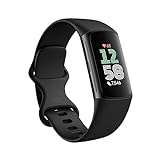
- Find your way seamlessly during runs or rides with turn-by-turn directions from Google Maps on Fitbit Charge 6[7, 8]; and when you need a snack break on the go, just tap to pay with Google Wallet[8, 9]
Total calories burned and active calories are not the same thing
Most modern trackers separate calories into two categories: resting calories and active calories. Resting calories represent the energy your body uses just to stay alive, covering breathing, circulation, brain function, and basic cellular processes throughout the day. Active calories are the additional energy attributed to movement, exercise, and elevated effort above your baseline.
Some platforms, like Apple Watch and Fitbit, prominently highlight active calories during workouts, while others, such as Garmin, often emphasize total daily burn. Confusion arises when users compare numbers across devices or apps without realizing one may be showing only activity-related energy while another includes your entire day’s metabolism.
Basal metabolism is estimated before you even move
Before motion or heart rate are factored in, your tracker estimates your basal metabolic rate using your age, sex, height, weight, and sometimes body composition if available. This baseline sets the minimum number of calories your body is assumed to burn each day at rest. Every calorie estimate your device produces is layered on top of that starting point.
Because this baseline relies on population averages rather than lab testing, it can already be off by several hundred calories for individuals with unusually high muscle mass, hormonal differences, or metabolic conditions. The tracker does not know your true metabolism; it knows what statistically similar users tend to burn.
Why “calories burned” is always an estimate, not a measurement
Unlike steps or distance, calorie burn cannot be directly sensed by a wrist-worn device. The gold standard methods, such as indirect calorimetry or doubly labeled water studies, are expensive, controlled, and impractical for daily use. Wearables instead infer energy expenditure from patterns in heart rate, motion, and historical data.
This means two people performing the same workout at the same pace can see very different calorie numbers, and both can still be reasonable within the model. Your watch is answering the question, “How much energy would someone with your profile likely expend during this activity?” rather than “How much energy did your body actually burn?”
What calorie numbers are genuinely good for
Calorie estimates excel at showing trends over time rather than delivering precise daily totals. They are useful for comparing effort between workouts, identifying whether you are generally moving more or less week to week, and supporting consistency in training or weight management habits. When used comparatively within the same device and ecosystem, they become far more meaningful.
Where they fall short is precision dieting or exact energy balance calculations. Treating tracker calories as exact inputs and outputs can lead to frustration or plateaus, especially when small errors compound over days and weeks. Understanding this limitation allows you to use the data as guidance, not judgment, which is exactly how these systems are designed to function.
The Baseline: How Trackers Estimate Your Resting Metabolic Rate (BMR)
Before your watch factors in steps, workouts, or heart rate spikes, it starts with a quiet assumption: how many calories you burn doing absolutely nothing. This is your resting metabolic rate, often shortened to BMR or RMR, and it forms the foundation of every daily calorie total your tracker shows.
Think of BMR as the “engine idling” cost of keeping you alive. Breathing, circulating blood, maintaining body temperature, and basic cellular activity all require energy, even if you never leave the couch.
What BMR actually represents inside your tracker
In physiology, BMR is the energy your body uses at complete rest in a controlled environment. Fitness trackers usually estimate something closer to resting metabolic rate, which allows for normal daily conditions rather than a lab-perfect state.
For most people, this baseline accounts for roughly 60 to 75 percent of total daily calorie burn. That means the majority of your daily calories come from simply existing, not from exercise.
The personal data your watch uses to estimate BMR
Because your tracker cannot measure metabolism directly, it relies on profile information you provide during setup. Age, sex, height, and weight are the core inputs across Apple Watch, Fitbit, Garmin, Samsung, and similar platforms.
These variables are fed into established metabolic equations derived from large population studies. The equations are adjusted slightly by each company, but the underlying logic is similar: larger bodies and more lean mass tend to burn more calories at rest, while aging generally lowers metabolic demand.
The equations behind the scenes
Most wearable platforms are built on classic formulas such as Harris-Benedict, Mifflin–St Jeor, or proprietary variations informed by them. These equations were originally developed for clinical and nutritional use, not wrist-worn sensors.
They work reasonably well at a population level, but they assume “average” body composition. If two people share the same height and weight but have very different muscle-to-fat ratios, the equation will treat them as metabolically similar even if their real-world energy needs differ meaningfully.
Why muscle mass matters more than your watch can see
Muscle tissue is metabolically active, meaning it burns more calories at rest than fat tissue. Someone with a strength-training background or athletic build often has a higher true BMR than their tracker predicts.
Conversely, users with lower muscle mass may see baseline calorie estimates that are slightly inflated. Wrist-based devices cannot directly measure body composition, so this difference remains invisible unless you manually adjust expectations.
How BMR becomes “resting calories” on your daily totals
Once your baseline is calculated, your tracker spreads that calorie burn across the day, minute by minute. Even if you sit completely still, you will see calories accumulating on your watch face or in the companion app.
This is why daily calorie totals never start at zero. Your watch is always counting background energy expenditure before it adds any movement or exercise-related burn on top.
Why different brands show different resting calorie numbers
Even with identical user profiles, Apple Watch, Fitbit, Garmin, and Samsung can display different resting calorie totals. This comes down to how each platform defines rest, applies metabolic equations, and smooths data over time.
Some ecosystems adjust baseline burn dynamically using long-term heart rate trends or activity history, while others keep it more static. Software philosophy, not sensor hardware, is the primary driver of these differences.
What BMR estimates are good at, and where they fall short
BMR estimates are very good at consistency. If your weight and profile stay stable, your resting calorie baseline will be reliable enough to compare days, weeks, and months within the same device.
They are not precise measurements of your true metabolism. Medical conditions, hormonal changes, recovery status, and genetics can all shift real energy expenditure in ways your tracker cannot detect.
Why changing your profile data matters more than most users realize
Updating your weight regularly has a direct effect on your estimated BMR. A 10-pound change can shift your resting calorie burn by dozens of calories per day, which compounds over time.
Height, age, and sex should also be accurate, even if they feel like one-time setup details. Incorrect profile data introduces baseline error before your watch even begins tracking movement or heart rate.
How BMR sets the tone for everything that follows
Every active calorie your tracker reports is added on top of this resting foundation. If the baseline is off, total daily burn will be off in the same direction, even if exercise tracking is relatively accurate.
Understanding this starting point explains why calorie numbers can feel surprisingly high on rest days or unexpectedly low despite intense workouts. The math always begins at rest, long before you take your first step.
Movement Data: Accelerometers, Gyroscopes, and Why Steps Still Matter
Once your baseline metabolism is established, your tracker starts layering movement on top. This is where the watch stops guessing based on population averages and begins reacting to what your body is actually doing minute by minute.
Before heart rate, GPS, or workout modes come into play, movement sensors quietly build the first estimate of active energy burn. They work all day, even when you never press start on a workout.
The accelerometer: the workhorse behind calorie estimates
Every modern fitness tracker contains a multi-axis accelerometer that measures changes in speed and direction dozens of times per second. In simple terms, it detects how much and how often your wrist is moving.
Those movement patterns are compared against huge datasets collected during lab testing. From this, the device estimates activity intensity, duration, and frequency, which all feed into calorie calculations.
Why wrist motion is more informative than it sounds
Not all movement looks the same to an accelerometer. Walking produces a rhythmic, repeatable pattern, while running, household chores, and gym work each generate distinct signatures.
Your tracker uses these patterns to estimate effort level, even when heart rate data is missing or unreliable. This is why calorie burn still increases during activities like pushing a stroller, walking uphill, or pacing during phone calls.
The gyroscope’s role: orientation and motion refinement
Higher-end smartwatches add a gyroscope, which measures rotation and orientation. This helps the device understand how your arm is moving in space, not just how much it is accelerating.
In practice, this improves activity classification. It helps differentiate between arm swing while walking versus repetitive hand motion while seated, reducing false step counts and exaggerated calorie estimates.
Why steps are still central to calorie math
Despite all the technology, step count remains a core input for daily energy burn. That is because walking is the most common form of human movement, and steps correlate surprisingly well with total activity volume.
Steps allow trackers to estimate distance, cadence, and mechanical work using your height and stride assumptions. Even when you never look at your step total, the algorithm is using it behind the scenes.
Calories from movement are pattern-based, not distance-based
Your watch does not calculate calories the way a treadmill does. It does not know the exact force your muscles produce or the precise work done against gravity.
Instead, it estimates energy cost by matching your movement patterns to known metabolic equivalents. Faster cadence, larger arm swings, and longer movement bouts all increase estimated burn, even if distance stays the same.
Why some activities confuse motion sensors
Certain movements break the wrist-based model. Cycling, strength training, rowing, and carrying heavy loads often produce low wrist acceleration despite high energy demand.
In these cases, calorie estimates rely more heavily on heart rate and activity profiles. This is why using the correct workout mode can significantly change reported calorie burn.
Daily wearability directly affects movement accuracy
Sensor quality matters, but fit and comfort matter more. A loose watch, a stiff strap, or wearing the device too high on the wrist can dampen motion signals and reduce accuracy.
Lightweight designs, secure bands, and good case ergonomics help sensors move with your body instead of lagging behind it. This is an underappreciated reason why two users with identical watches can see different calorie totals.
Why motion data fills the gaps heart rate cannot
Heart rate is powerful, but it is not always available or stable. Cold weather, tattoos, sweat, or poor skin contact can all disrupt optical readings.
Rank #2

- Inspire 3 is the tracker that helps you find your energy, do what you love and feel your best. All you have to do is wear it.Operating temperature: 0° to 40°C
- Move more: Daily Readiness Score(1), Active Zone Minutes, all-day activity tracking and 24/7 heart rate, 20+ exercise modes, automatic exercise tracking and reminders to move
- Stress less: always-on wellness tracking, daily Stress Management Score, mindfulness sessions, relax breathing sessions, irregular heart rhythm notifications(2), SpO2(3), menstrual health tracking, resting heart rate and high/low heart rate notifications
- Sleep better: automatic sleep tracking, personalized Sleep Profile(1), daily detailed Sleep Score, smart wake vibrating alarm, sleep mode
- Comfortably connected day and night: calls, texts & smartphone app notifications(4), color touchscreen with customizable clock faces, super lightweight and water resistant to 50 meters, up to 10 day battery life(5)
Movement sensors never stop working. They provide continuity when heart rate drops out, preventing calorie burn from flatlining during active periods.
Why step goals still influence total calories
Hitting a higher step count does more than satisfy a daily goal ring. It increases total active minutes, raises average movement intensity, and nudges your calorie estimate upward throughout the day.
This is why two people with identical workouts can see different daily calorie totals if one moves more between sessions. Incidental movement adds up faster than most users expect.
Brand differences in interpreting the same movement
Apple, Fitbit, Garmin, and Samsung all use accelerometers, but they interpret the data differently. Some platforms are more aggressive in assigning calories to low-intensity movement, while others are more conservative.
These differences reflect software philosophy, not sensor superiority. Over time, consistency within a single ecosystem matters far more than absolute agreement between brands.
How to use movement-based calories realistically
Motion-derived calories are best viewed as directional data. They tell you whether today involved more or less movement than yesterday, not exactly how much energy you expended.
When combined with heart rate and accurate profile data, movement sensors create a reliable trend line. That trend is what supports weight management, habit building, and training load awareness, even if the exact calorie number is imperfect.
Heart Rate Monitoring: The Biggest Upgrade — and Its Biggest Limitations
Once movement sensors establish that you are active, heart rate is what tells the watch how hard your body is actually working. This is where calorie estimates move from generic math to something closer to physiology.
Compared to step-only tracking, heart rate transformed calorie burn from a rough guess into a responsive, intensity-aware metric. But it also introduced new sources of error that many users do not realize they are seeing.
Why heart rate changed calorie tracking so dramatically
Your heart rate rises as your muscles demand more oxygen, which closely tracks energy expenditure across many activities. When a watch sees your heart rate climb faster or higher than expected for a given movement pattern, it assigns more calories.
This is why walking uphill, carrying weight, or pushing a hard pace produces higher calorie totals even if your step count stays the same. Heart rate adds physiological context that motion alone cannot capture.
How wrist-based heart rate sensors actually work
Most smartwatches use optical sensors that shine green light into your skin and measure changes in reflected light caused by blood flow. This method, called photoplethysmography, works best when the sensor sits snugly against stable skin.
Good case ergonomics, curved casebacks, soft straps, and appropriate sizing all matter here. A lightweight watch with a secure band often delivers more reliable heart rate data than a heavier model that shifts during movement.
The lag problem: intensity changes are not instant
Optical heart rate does not respond instantly when effort changes. During intervals, hill sprints, or sudden pace shifts, your actual exertion rises before the sensor fully catches up.
That delay can cause short bursts of hard work to be underestimated. Over a steady workout the error often balances out, but fast-changing intensity is a known weakness of wrist-based tracking.
Why strength training confuses calorie algorithms
Lifting weights raises heart rate through muscle tension and breath control, not continuous movement. Optical sensors can struggle here due to wrist flexion, gripping, and short rest periods.
The result is often erratic heart rate data and conservative calorie estimates. This is why many users notice lower-than-expected calorie burn during strength sessions compared to how taxing they feel.
Cadence lock and rhythmic movement errors
During running or cycling, some watches accidentally sync heart rate to movement rhythm instead of blood flow. This cadence lock produces suspiciously smooth heart rate curves that mirror your step or pedal rate.
When this happens, calorie estimates may still look reasonable but are no longer physiologically grounded. Higher-quality sensors and improved algorithms have reduced this issue, but it has not disappeared entirely.
Skin tone, tattoos, sweat, and fit all matter
Optical sensors are sensitive to anything that interferes with light transmission. Dark tattoos under the sensor, loose fit, heavy sweat, or cold-induced vasoconstriction can all degrade readings.
This is not a user failure, but a limitation of the technology. It also explains why the same watch can perform flawlessly on one person and inconsistently on another.
Why chest straps still set the accuracy benchmark
Chest straps measure the electrical signal of each heartbeat directly, eliminating many optical issues. For steady-state cardio, wrist sensors can be close, but for intervals and strength training, chest straps remain superior.
Some platforms allow pairing an external strap, improving calorie estimates without changing watches. The tradeoff is comfort and convenience, especially for all-day wear.
Battery life and heart rate sampling tradeoffs
Continuous heart rate monitoring consumes power, especially during workouts with high sampling rates. Watches with longer battery life may reduce measurement frequency or smooth data more aggressively.
This can slightly blunt calorie responsiveness during complex workouts. Shorter battery life models often deliver more granular heart rate data, but at the cost of charging more often.
Brand philosophies shape calorie outcomes
Apple tends to weight heart rate heavily during workouts, while Garmin often blends heart rate with historical fitness data and training status. Fitbit emphasizes all-day heart rate trends, and Samsung sits somewhere in between.
These choices influence calorie totals even with identical heart rate curves. Differences reflect design priorities rather than one platform being universally right or wrong.
How to interpret heart rate calories realistically
Heart rate-based calories are strongest during steady, rhythmic aerobic exercise. They are weakest during short bursts, heavy lifting, or situations with poor sensor contact.
Used consistently on the same device, heart rate data is excellent for spotting trends and relative effort. Treated as a lab-grade measurement, it will always disappoint.
Activity Modes and METs: How Running, Walking, Strength Training, and Cycling Are Treated Differently
Once heart rate enters the picture, the next major lever is activity mode. Selecting “Run,” “Walk,” or “Strength Training” does far more than label the workout; it changes the entire calorie model the watch applies behind the scenes.
Most platforms combine heart rate with METs, or metabolic equivalents. A MET is a standardized estimate of how much energy an activity typically costs relative to resting, and it gives the algorithm a baseline expectation before your personal data fine-tunes the result.
What METs actually do inside your watch
In simple terms, METs act as guardrails. They tell the watch what kind of calorie burn is plausible for a given activity so that heart rate spikes or drops are interpreted in context rather than taken at face value.
A high heart rate during a run is assumed to reflect sustained energy demand, while the same heart rate during weightlifting is treated more cautiously. This prevents obvious overcounting, but it also means some activities feel less “responsive” than others.
Running: the most algorithm-friendly activity
Running is where calorie estimates tend to be strongest and most consistent across brands. The movement pattern is rhythmic, arm swing is predictable, and heart rate usually tracks oxygen consumption closely.
GPS pace, distance, and elevation further reinforce the MET model. That’s why two different watches often agree closely on run calories, especially outdoors, even if their all-day totals diverge.
Walking: deceptively complex despite lower intensity
Walking seems simple, but calorie estimation here is surprisingly nuanced. Speed, incline, stride length, and arm swing all matter, and small differences can meaningfully change energy cost.
Many watches rely more heavily on step cadence and GPS speed than heart rate for walking. This is why treadmill walking, stroller walking, or hands-in-pocket walking often produces inconsistent calorie numbers.
Cycling: where sensors matter as much as physiology
Outdoor cycling benefits from GPS speed and elevation, but wrist-based heart rate is often less stable due to grip tension and vibration. Indoor cycling removes GPS entirely, forcing the algorithm to rely almost exclusively on heart rate trends.
Without a power meter, the watch has no direct measure of mechanical work. As a result, cycling calories can be conservative compared to running, even when perceived effort feels similar.
Strength training: why calories often feel undercounted
Strength training highlights the limits of MET-based modeling. Lifting involves short bursts of effort, static holds, and long rest periods, all of which break the heart rate–oxygen consumption relationship.
Most platforms assign strength training a moderate MET value and then smooth heart rate aggressively. This avoids wild overestimates but often underrepresents the true metabolic cost, especially for heavy compound lifting.
Mixed and interval workouts: algorithm compromise territory
HIIT, bootcamp, and circuit modes sit somewhere between cardio and strength logic. Watches expect variability and allow faster heart rate changes, but they still apply caps to avoid runaway calorie totals.
This is where brand philosophy becomes very visible. Some platforms reward intensity spikes more generously, while others emphasize total duration and average effort.
Why choosing the right activity mode actually matters
Leaving a workout unclassified or logged as “Other” removes many of these contextual guardrails. The watch falls back to generic movement and heart rate assumptions, which can skew calories in either direction.
Choosing the closest matching mode gives the algorithm permission to interpret your data correctly. It doesn’t make the number perfect, but it usually makes it more defensible.
Rank #3

- 【BUILT-IN GPS SMART WATCH – GO FURTHER, FREER, SMARTER】No phone? No problem. This fitness watch for women, featuring the latest 2025 technology, includes an advanced professional-grade GPS chip that precisely tracks every route, distance, pace (real-time & average), and calorie burned—completely phone-free. Whether you're chasing new personal records or exploring off the beaten path, your full journey is automatically mapped and synced in the app. Train smarter. Move with purpose. Own your progress. Own your journey.
- 【BLUETOOTH 5.3 CALLS & SMART NOTIFICATIONS】Stay effortlessly connected with this smart watch for men and women, featuring dual Bluetooth modes (BT 3.0 + BLE 5.3) and a premium microphone for crystal-clear calls right from your wrist—perfect for driving, workouts, or busy days. Receive instant alerts for calls, texts, and popular social apps like WhatsApp and Facebook. Just raise your wrist to view notifications and never miss an important moment.
- 【100+ SPORT MODES & IP68 WATERPROOF & DUSTPROOF】This sport watch is a versatile activity and fitness tracker with 100+ modes including running, cycling, yoga, and more. It features quick-access buttons and automatic running/cycling detection to start workouts instantly. Accurately track heart rate, calories, distance, pace, and more. Set daily goals on your fitness tracker watch and stay motivated with achievement badges. With IP68 waterproof and dustproof rating, it resists rain and sweat for any challenge. Not suitable for showering, swimming, or sauna.
- 【24/7 HEALTH ASSISTANT & SMART REMINDERS】This health watch continuously monitors heart rate, blood oxygen, and stress levels for comprehensive wellness tracking. Sleep monitoring includes deep, light, REM sleep, and naps to give you a full picture of your rest. Stay on track with smart reminders for sedentary breaks, hydration, medication, and hand washing. Women can also monitor menstrual health. Includes guided breathing exercises to help you relax. Your ultimate health watch with event reminders for a healthier life.
- 【ULTRA HD DISPLAY, LIGHTWEIGHT & CUSTOMIZABLE DIALS】This stylish wrist watch features a 1.27-inch (32mm) 360×360 ultra HD color display with a 1.69-inch (43mm) dial, offering vivid details and responsive touch. Its minimalist design fits both business and casual looks. Switch freely among built-in designer dials or create your own DIY watch face using photos, colors, and styles to showcase your unique personality. Perfect as a cool digital watch and fashion wrist watch.
How this affects real-world daily calorie totals
Because MET assumptions differ by activity, two workouts with identical heart rate curves can produce very different calorie counts. This isn’t inconsistency; it’s the system acknowledging that effort does not equal energy cost across movement types.
Understanding this helps recalibrate expectations. Calorie burn is best compared within the same activity, on the same device, over time, rather than across radically different workouts or platforms.
Your Personal Profile: Why Age, Sex, Height, Weight, and Fitness Level Change the Numbers
Once activity type sets the framework, your personal profile becomes the lens through which every heartbeat and movement is interpreted. Two people doing the same workout, side by side, can legitimately see very different calorie totals because the watch is estimating energy cost relative to the body doing the work.
This is why setting up your profile accurately matters more than most users realize. These inputs don’t fine-tune the number by a few calories; they shape the baseline math underneath everything your tracker reports.
Age: how metabolic assumptions shift over time
Age influences calorie estimates because resting metabolic rate generally declines as we get older. Most platforms bake age into their baseline energy equations, assuming a gradual reduction in daily calorie needs over time.
This doesn’t mean older users burn dramatically fewer calories during workouts. It means the watch expects slightly lower baseline energy expenditure at rest and adjusts total daily calories accordingly.
If your age is wrong in your profile, your daily calorie burn can drift consistently high or low, even if workout calories look reasonable.
Sex: different physiological averages, not stereotypes
Sex affects calorie estimation largely due to population-level differences in body composition, hormone profiles, and average muscle mass. On average, male profiles are assumed to have higher lean mass, which increases both resting and active energy expenditure.
Female profiles are typically assigned slightly lower basal metabolic rates at the same height and weight. This isn’t a value judgment; it’s a statistical starting point based on large metabolic datasets.
For individuals who don’t fit these averages, the number will never be perfect. The goal of the algorithm is to be directionally correct across millions of users, not physiologically precise for every body type.
Height and weight: mechanical work still matters
Weight is one of the strongest drivers of calorie burn during movement. Moving a heavier body requires more mechanical work, so most algorithms scale calorie estimates upward as body mass increases.
Height plays a subtler role. Taller users tend to have longer limbs and different stride mechanics, which affects step length, accelerometer interpretation, and estimated work per movement.
If your weight hasn’t been updated in months, especially during weight loss or gain, your calorie estimates can quietly drift away from reality. This is one of the simplest fixes most users overlook.
Fitness level: why being fitter can lower calorie burn
This is one of the most misunderstood aspects of calorie tracking. As your cardiovascular fitness improves, your heart becomes more efficient, meaning you can do the same external work with a lower heart rate.
To the algorithm, lower heart rate at a given pace or power often looks like lower energy cost. In many cases, that’s actually true. You’re doing the work more efficiently.
This is why long-term users sometimes see calorie burn decrease over months, even as performance improves. The watch isn’t punishing you; it’s reflecting adaptation.
How watches estimate fitness level behind the scenes
Some platforms explicitly track fitness through VO2 max estimates, pace-to-heart-rate relationships, or power data if available. Others infer fitness more passively by watching how your heart rate responds to repeated activities over time.
As this internal fitness model updates, calorie calculations often shift subtly in the background. This can make calorie trends look inconsistent if you’re not aware that the algorithm itself is learning.
This is also why brand differences matter. Apple, Garmin, Fitbit, and Samsung weigh fitness adaptation differently, leading to diverging calorie numbers even with similar sensor data.
Body composition: the missing variable most watches can’t see
Lean mass burns more calories than fat mass, both at rest and during activity. Unfortunately, most wrist-based wearables can’t directly measure body composition.
Some ecosystems allow manual body fat input or sync with smart scales, but these values are usually applied conservatively. The watch still defaults to population averages to avoid overconfidence.
If you are particularly muscular or have undergone significant body recomposition, calorie estimates may systematically under- or over-shoot despite perfect profile setup.
Why profile accuracy matters more than brand debates
Small profile errors compound across every minute of the day. A slightly wrong age or weight doesn’t just affect workouts; it affects resting calories, background activity, and daily totals.
This is why two people comparing calorie burn across different watches often talk past each other. The number isn’t just about the device. It’s about the assumptions that device is making about the person wearing it.
Getting your profile right doesn’t make calorie burn exact, but it makes it honest. And for long-term tracking, honesty beats precision every time.
The Algorithm Layer: Why Apple, Garmin, Fitbit, and Samsung All Give Different Results
By the time heart rate, motion, and your personal profile reach the calorie counter, the biggest variable is no longer the sensor. It’s the software interpreting that data.
Every major platform uses proprietary calorie models built on different assumptions about fitness, efficiency, and how humans move. Even with identical raw inputs, those assumptions can produce meaningfully different results.
Same sensors, different math
Modern smartwatches largely rely on the same hardware stack: optical heart rate sensors, accelerometers, gyroscopes, and sometimes GPS and barometers. From a pure sensing perspective, Apple, Garmin, Fitbit, and Samsung are closer than most users realize.
Where they diverge is how aggressively they trust heart rate, how they interpret movement patterns, and how they blend the two together. Some algorithms lean heavily on heart rate once it rises above resting levels, while others prioritize motion consistency and known activity models.
This is why two watches can record nearly identical heart rate graphs during a run yet report calorie totals that differ by 10–20 percent.
Apple Watch: dynamic, heart-rate-forward, and adaptive
Apple’s calorie model is highly dynamic and strongly heart-rate driven, especially during workouts. Once an activity is detected or manually started, heart rate becomes the primary driver of energy expenditure, with motion data used to validate intensity rather than define it.
Apple also adjusts calculations continuously as it learns your cardio fitness over time. If your heart rate drops for a given pace, Apple assumes improved efficiency and gradually lowers calorie burn for similar future efforts.
This approach works well for steady-state cardio and mixed-intensity workouts, but it can overestimate calories during activities that spike heart rate without sustained mechanical work, such as heavy upper-body lifting or high-stress situations.
Garmin: activity-specific models and conservative energy accounting
Garmin uses a more segmented approach, applying different calorie equations depending on the activity profile selected. Running, cycling, strength training, and walking each have distinct models that weight pace, power (when available), and heart rate differently.
The company tends to be more conservative with calorie totals, especially for trained users. As Garmin’s estimate of your VO2 max and training status improves, it often assumes higher efficiency and reduces burn estimates for the same workload.
This makes Garmin particularly consistent for endurance athletes tracking long-term trends, but some users perceive the numbers as “low” compared to other brands, especially during gym-based or non-cyclical activities.
Fitbit: population-based smoothing with lifestyle emphasis
Fitbit’s algorithm places strong emphasis on heart rate zones and time spent at elevated effort levels. Rather than modeling each activity in fine detail, Fitbit often applies broader population-based energy curves tied to heart rate ranges.
This smoothing effect makes Fitbit calorie data feel stable and predictable day to day. It also aligns well with Fitbit’s historical focus on weight management, daily activity goals, and long-term behavior change.
The trade-off is precision during complex workouts. Activities with irregular movement patterns or rapid intensity shifts may not be as finely resolved as on platforms that use more granular activity modeling.
Samsung: hybrid detection with cautious heart rate weighting
Samsung’s calorie estimation blends automatic activity detection with generalized metabolic equations. Heart rate is used, but often with tighter guardrails to prevent large swings from short-lived spikes.
Samsung watches tend to rely more heavily on motion consistency and detected activity type before fully trusting elevated heart rate. This can reduce false positives during daily life but may undercount high-effort sessions that lack clean movement signatures.
For users focused on general wellness and daily activity rather than structured training, this approach favors stability over aggressive calorie attribution.
Why efficiency assumptions matter more than brand loyalty
At the core of every algorithm is an assumption about how quickly humans become more efficient. Some platforms update this assumption rapidly, others slowly, and some barely at all.
If a watch assumes rapid adaptation, calorie burn will drop noticeably as fitness improves. If it assumes slower adaptation, calorie numbers remain higher for longer, even if performance improves.
Neither approach is inherently right or wrong. They simply reflect different philosophies about how to balance individual adaptation against population averages.
Rank #4

- 24H Accurate Heart Rate Monitoring: Go beyond basic tracking. Our watch automatically monitors your heart rate, blood oxygen (SpO2), and sleep patterns throughout the day and night. Gain deep insights into your body's trends and make informed decisions for a healthier lifestyle.
- Practical Sports Modes & Smart Activity Tracking: From running and swimming to yoga and hiking, track a wide range of activities with precision. It automatically records your steps, distance, calories burned, and duration, helping you analyze your performance and crush your fitness goals.
- 1-Week Battery Life & All-Day Wear: Say goodbye to daily charging. With an incredible up to 7-10 days of battery life on a single charge, you can wear it day and night for uninterrupted sleep tracking and worry-free travel. Stay connected to your data without the hassle.
- Comfortable to Wear & IP68 Waterproof: The lightweight, skin-friendly band is crafted for all-day comfort, even while you sleep. With IP68 waterproof, it withstands rain, sweat, It is not suitable for swimming or showering.
- Ease of Use and Personalized Insights via Powerful App: The display is bright and easy to read, even outdoors. Unlock the full potential of your watch. Sync with our dedicated app to view detailed health reports, customize watch faces, set sedentary reminders, and manage your preferences with ease.
Resting calories and background burn: the hidden divergence
Workout calories are only part of the story. Resting energy expenditure and background activity can account for more than half of daily burn.
Apple and Fitbit actively adjust resting calories based on measured heart rate trends throughout the day. Garmin tends to anchor resting burn more closely to profile-based basal metabolic estimates, with smaller dynamic adjustments.
Samsung generally sits between the two, offering modest daily variability without dramatic swings. Over weeks and months, these differences compound, leading to daily totals that can diverge even if workout calories look similar.
Why switching brands often breaks calorie continuity
When users move from one ecosystem to another, calorie history rarely lines up cleanly. This isn’t because one watch is suddenly wrong, but because the underlying model has changed.
Each platform recalibrates what “normal effort” looks like, how quickly efficiency improves, and how much background activity counts. The result is a step change in reported burn that reflects software philosophy, not a sudden change in physiology.
Understanding this helps prevent the common mistake of chasing higher calorie numbers rather than focusing on consistent trends within a single system.
What these differences mean for real-world use
No consumer smartwatch is measuring calories directly. All of them are estimating energy expenditure through layered assumptions built on incomplete data.
The most reliable insight comes from consistency, not absolute values. Using one platform over time allows its algorithm to learn you, even if its numbers differ from another brand’s interpretation of the same effort.
Once you understand that calorie burn is a model, not a measurement, the differences between Apple, Garmin, Fitbit, and Samsung stop looking like errors and start looking like design choices.
Where Fitness Trackers Are Accurate — and Where They Commonly Get It Wrong
Once you accept that calorie burn is an estimate built on models rather than a direct measurement, it becomes easier to see patterns in when trackers perform well and when their numbers drift. Accuracy is not random. It is highly dependent on activity type, signal quality, and how closely your behavior matches the assumptions baked into the algorithm.
Steady, rhythmic cardio is where trackers shine
Fitness trackers are most reliable during activities with consistent movement and a stable heart rate. Walking, steady-state running, outdoor cycling, and elliptical sessions tend to produce calorie estimates that align reasonably well with lab-based averages.
In these scenarios, accelerometer data is clean, cadence is predictable, and heart rate rises in a smooth, linear way. That makes it easier for the algorithm to map effort to oxygen consumption using established population models.
This is why treadmill runs and outdoor walks often feel “about right” across Apple Watch, Fitbit, Garmin, and Samsung, even if the exact numbers differ.
Long-duration efforts benefit from averaging effects
Accuracy improves over longer sessions. A 60-minute brisk walk will generally be closer to reality than a 6-minute burst at the same pace.
Short sessions magnify sensor noise, delayed heart rate response, and classification errors. Over longer periods, those fluctuations smooth out, allowing the model to converge on a more reasonable average burn.
This is especially noticeable on devices with strong optical heart rate hardware and stable wrist fit, where sustained contact reduces signal dropouts.
Heart-rate-driven activities outperform motion-only estimates
When an activity meaningfully elevates heart rate, calorie estimates tend to be better. Cardio classes, tempo runs, rowing machines, and hiking with elevation gain fall into this category.
Heart rate acts as a physiological anchor, helping the algorithm distinguish between light movement and true metabolic demand. This is why two activities with similar step counts can show very different calorie totals.
Devices that rely more heavily on heart rate, such as Apple Watch and Fitbit, often handle these scenarios more convincingly than models that emphasize motion patterns alone.
Strength training remains a major blind spot
Weight training is one of the most commonly misestimated activities across all platforms. Calorie burn during lifting depends heavily on load, rest periods, technique, and muscular efficiency, none of which wrist sensors can see.
Heart rate during strength sessions is often spiky and misleading, rising due to breath holding or short bursts of effort rather than sustained oxygen demand. Accelerometers struggle because much of the work happens without large arm movement.
As a result, calorie estimates during lifting are often inflated, sometimes dramatically, especially for users who move their arms a lot between sets.
High-intensity intervals confuse even advanced algorithms
HIIT workouts combine rapid effort changes, anaerobic bursts, and recovery periods that do not follow steady-state assumptions. Heart rate lags behind actual effort, often peaking after the hardest work is already done.
Trackers tend to over-credit recovery periods and under-credit explosive efforts, leading to totals that can look plausible but are physiologically mismatched.
Chest straps paired with watches can improve heart rate fidelity, but even then, calorie models are still based on aerobic equations that struggle with anaerobic work.
Non-arm-dominant activities skew motion data
Cycling, pushing a stroller, hiking with poles, or carrying groceries all disrupt wrist-based motion tracking. The watch may see minimal movement even though energy expenditure is high.
Heart rate helps compensate, but only if optical readings are clean and uninterrupted. Tight grip, wrist flexion, and vibration can all degrade signal quality.
This is one reason calorie estimates for cycling vary more widely between brands and why indoor cycling without a connected power meter is particularly inconsistent.
Daily life calories are directionally useful, not precise
Background burn from standing, pacing, chores, and fidgeting is one of the hardest things to estimate. Small movements add up metabolically, but they are difficult to classify reliably.
Some platforms aggressively count these micro-activities, while others are conservative. Over the course of a day, this can create large differences in total calories burned without any obvious behavioral change.
These numbers are best interpreted as relative indicators of activity level rather than exact reflections of metabolic cost.
Individual physiology introduces unavoidable error
Two people of the same height and weight can burn very different calories doing the same workout due to differences in muscle mass, biomechanics, efficiency, and hormonal factors.
Trackers attempt to personalize using age, sex, weight, and sometimes fitness level, but they cannot directly measure VO₂ max, muscle fiber composition, or metabolic flexibility in real time.
The more you deviate from population averages, the more likely your calorie numbers are to be systematically high or low, even if they are consistent day to day.
Wrist fit, materials, and comfort quietly affect accuracy
Loose bands, rigid straps, or poor sensor contact reduce heart rate accuracy, especially during movement. Silicone sport bands tend to perform better than metal bracelets or stiff leather straps during exercise.
Watch size and case thickness also matter. Larger, heavier watches can shift on smaller wrists, introducing noise that affects both heart rate and motion data.
Comfort and wearability are not just design concerns; they directly influence the quality of the physiological data feeding the calorie model.
What accuracy really means in practical terms
In controlled, steady activities, calorie estimates are often close enough to guide habits and trends. In complex, stop-start, or strength-based workouts, they are best treated as rough context rather than hard numbers.
The value of calorie data lies in consistency, comparison, and behavior change, not precision. Understanding where your tracker performs well allows you to trust it appropriately without letting misleading numbers drive decisions.
This distinction is what separates informed use from frustration, and it explains why the same watch can feel incredibly accurate one day and wildly off the next.
How to Use Calorie Burn Data Realistically for Weight Loss, Training, and Daily Activity
Once you understand where calorie estimates come from and why they are imperfect, the next step is learning how to use them without letting the numbers mislead you. The goal is not to chase precision, but to extract reliable patterns that support better decisions over time.
Calorie burn data works best when it informs behavior, not when it dictates it. Used correctly, it can support weight loss, training progression, and daily movement without becoming a source of frustration or false confidence.
Using calorie data for weight loss without sabotaging progress
For weight loss, the biggest mistake is treating calorie burn as a literal permission slip to eat more. If your watch says you burned 700 calories, that number could easily be 15–30 percent off in either direction, especially during mixed or strength-based workouts.
A more realistic approach is to use calorie burn as a consistency check rather than a budget. If your daily active calories are trending higher week to week while body weight is gradually moving in the right direction, the system is working regardless of the exact numbers.
Many successful users intentionally “discount” their tracker’s exercise calories by a fixed amount when planning food intake. This buffer accounts for estimation error and helps prevent overeating driven by optimistic readings.
💰 Best Value

- 【Superb Visual Experience & Effortless Operation】Diving into the latest 1.58'' ultra high resolution display technology, every interaction on the fitness watch is a visual delight with vibrant colors and crisp clarity. Its always on display clock makes the time conveniently visible. Experience convenience like never before with the intuitive full touch controls and the side button, switch between apps, and customize settings with seamless precision.
- 【Comprehensive 24/7 Health Monitoring】The fitness watches for women and men packs 24/7 heart rate, 24/7 blood pressure and blood oxygen monitors. You could check those real-time health metrics anytime, anywhere on your wrist and view the data record in the App. The heart rate monitor watch also tracks different sleep stages for light and deep sleep,and the time when you wake up, helps you to get a better understanding of your sleep quality.
- 【120+ exercise modes & All-Day Activity Tracking】There are more than 120 exercise modes available in the activity trackers and smartwatches, covering almost all daily sports activities you can imagine, gives you new ways to train and advanced metrics for more information about your workout performance. The all-day activity tracking feature monitors your steps, distance, and calories burned all the day, so you can see how much progress you've made towards your fitness goals.
- 【Messages & Incoming Calls Notification】With this smart watch fitness trackers for iPhone and android phones, you can receive notifications for incoming calls and read messages directly from your wrist without taking out your phone. Never miss a beat, stay in touch with loved ones, and stay informed of important updates wherever you are.
- 【Essential Assistant for Daily Life】The fitness watches for women and men provide you with more features including drinking water and sedentary reminder, women's menstrual period reminder, breath training, real-time weather display, remote camera shooting, music control,timer, stopwatch, finding phone, alarm clock, making it a considerate life assistant. With the GPS connectivity, you could get a map of your workout route in the app for outdoor activity by connecting to your phone GPS.
Why weekly and monthly trends matter more than daily totals
Day-to-day calorie numbers are noisy, influenced by sleep, stress, hydration, sensor contact, and algorithm quirks. Reacting to a single high or low burn day often leads to unnecessary adjustments that cancel each other out.
When you zoom out to weekly or monthly averages, the noise smooths out. This is where wearables shine, revealing whether your overall activity level is rising, stagnating, or quietly declining.
Platforms like Apple Health, Fitbit, Garmin Connect, and Samsung Health all visualize long-term trends well, even if their daily calorie estimates differ. Comparing trends within the same ecosystem is far more useful than comparing absolute numbers across devices.
Using calorie burn to support training, not replace it
For training, calorie data should never be the primary metric of workout quality. Calories do not tell you whether you improved strength, technique, aerobic efficiency, or recovery.
Where calorie burn helps is context. A higher-than-usual calorie cost for a familiar workout can signal fatigue, heat stress, or poor recovery, while a lower cost may reflect improved efficiency or better pacing.
Endurance athletes often see calorie burn gradually decrease for the same pace as fitness improves. That is not a failure of effort, but a sign the body is becoming more economical, even if the watch makes the workout look “easier.”
Strength training and the calorie illusion
Strength training is where calorie estimates are most commonly misunderstood. Wrist-based trackers struggle to capture the true metabolic cost of lifting because heart rate spikes do not always align with energy expenditure.
Heavy compound lifts, isometric holds, and rest periods confuse algorithms built around continuous motion. The result is often a calorie number that feels insultingly low compared to perceived effort.
This does not mean strength training is ineffective for body composition. It means calorie burn during the session is only part of the equation, and post-exercise effects like muscle repair and increased resting metabolism are largely invisible to your watch.
Daily activity calories and the power of non-exercise movement
Daily active calories often matter more than workouts, especially for weight management. Walking, standing, chores, and general movement accumulate steadily and are easier for trackers to estimate reliably.
Most wearables are surprisingly good at capturing step-based activity because accelerometer data is consistent and repeatable. This makes daily movement goals one of the most actionable uses of calorie data.
If your watch shows that active calories drop sharply on busy workdays or weekends, that insight is more valuable than any single workout estimate. Small changes in daily movement often outperform occasional intense sessions.
Comparing calorie numbers across different watches and platforms
Different brands use different models, assumptions, and sensor fusion strategies. An Apple Watch, Garmin, Fitbit, and Samsung device can all be worn on the same wrist and produce meaningfully different calorie totals.
This does not mean one is “right” and the others are wrong. Each is internally consistent, which is what matters for personal tracking.
Switching platforms mid-journey often creates confusion because historical baselines change. If consistency matters to your goals, sticking with one ecosystem usually delivers better long-term insight than chasing the most flattering number.
Practical rules for using calorie burn data without overthinking it
Treat calorie burn as a range, not a point value. Assume some error is always present, even on your best days.
Use the same watch, worn the same way, with a snug and comfortable fit to reduce variability. Sensor contact, strap material, and case stability matter more than many users realize.
Most importantly, judge success by outcomes you can measure directly, such as body weight trends, performance improvements, energy levels, and recovery. Calorie burn data should support those outcomes, not override them.
How to Improve Your Calorie Estimates: Setup Tips, Wear Position, and Device Choice
If calorie burn is always an estimate, the goal is not perfection but consistency and reduction of avoidable error. Small setup and usage decisions can shift your numbers by hundreds of calories per day, which matters far more than most algorithm differences between brands.
Think of your watch as a measurement tool that needs proper calibration, stable placement, and the right job assignment. When those basics are handled well, the data becomes far more useful for real-world decisions.
Get your profile details right (and keep them updated)
Your age, sex, height, weight, and sometimes fitness level form the foundation of every calorie calculation. These values directly influence resting metabolic rate and how heart rate is interpreted during movement.
If your weight has changed meaningfully and your profile still reflects last year’s data, your calorie estimates are drifting further from reality each day. Updating weight every few weeks is usually enough for most users.
Some platforms also allow VO₂ max estimates or activity class settings. These help the algorithm understand whether a given heart rate reflects high effort or normal movement for you.
Wear position matters more than most people realize
For wrist-based trackers, wear the watch snugly, about one to two finger widths above the wrist bone. This reduces sensor movement and improves optical heart rate accuracy, especially during exercise.
A loose strap allows the watch to shift, breaking consistent skin contact and introducing heart rate spikes or dropouts. Those errors ripple directly into calorie estimates.
Material choice plays a role too. Soft silicone, fluoroelastomer, or well-fitted fabric straps generally outperform stiff leather or loose metal bracelets during workouts due to better stability and sweat management.
Choose the right wrist and be consistent
Most platforms assume you wear your watch on the non-dominant wrist, where movement noise is lower. If you switch wrists without changing the setting, step counts and activity detection can skew.
What matters most is consistency. Wearing the watch on the same wrist, with the same strap tension, day after day helps the algorithm learn your movement patterns and smooth out anomalies.
Use workout modes deliberately, not constantly
Workout modes activate higher sensor sampling rates and activity-specific models. This improves calorie estimates for running, cycling, strength training, and structured cardio.
However, starting workouts for casual walking or daily chores can sometimes inflate numbers by applying exercise assumptions where they do not belong. Let daily activity tracking handle low-intensity movement unless you are intentionally training.
For strength training, calorie estimates are still rough due to limited wrist motion and delayed heart rate responses. Logging the session is useful for consistency, but do not expect lab-level precision.
Understand when heart rate helps and when it hurts
Heart rate dramatically improves calorie estimates during steady-state cardio like running, brisk walking, and cycling. In these cases, heart rate tracks oxygen demand closely.
During stress, caffeine intake, heat exposure, or poor sleep, heart rate can rise without a matching increase in energy expenditure. The watch cannot fully separate these factors, so calorie burn may be overstated.
This is why trends over time matter more than single sessions. If your watch consistently reports higher calories on stressful days, that pattern itself is informative.
Battery life and sensor behavior affect data quality
Watches with longer battery life often use lower sensor sampling rates outside of workouts. This is a reasonable trade-off, but it means all-day calorie estimates rely more heavily on motion data.
Devices that require daily charging may capture more frequent heart rate readings, but only if they are actually worn consistently. A watch left on the charger for half the day collects no useful data.
Choose a device whose battery life matches your lifestyle. Reliable wear time beats marginal sensor advantages every time.
Device choice: what different platforms do best
Apple Watch excels at heart-rate-driven calorie estimates during mixed-intensity activity and integrates tightly with iOS health data. Its short battery life is the main trade-off for rich sensor usage.
Garmin devices lean heavily on activity classification, fitness metrics, and long-term physiological modeling. They shine for endurance athletes and users who value consistency across weeks and months.
Fitbit prioritizes simplicity, comfort, and passive tracking, making it effective for daily movement and weight management. Samsung sits somewhere in between, offering broad features with improving health algorithms.
No platform is universally “most accurate.” The best choice is the one you will wear daily, sleep with comfortably, and keep for the long term.
External sensors can improve estimates, but only in specific cases
Chest heart rate straps provide more accurate heart rate data during high-intensity exercise and interval training. This can improve calorie estimates for serious athletes.
For most users, the improvement is modest outside of structured workouts. Chest straps add complexity and reduce convenience, which often leads to inconsistent use.
If calorie tracking supports weight management or general fitness rather than performance optimization, wrist-based sensors are usually sufficient.
Use calorie data as a decision tool, not a scoreboard
Calorie estimates work best when used to compare days, weeks, and habits rather than to justify a specific meal or indulgence. Precision is less important than direction.
If increased daily movement consistently raises your active calories and body weight trends respond as expected, the system is doing its job. If not, adjust behavior, not expectations.
In the end, your fitness tracker is not measuring calories burned so much as modeling them. When you set it up correctly, wear it well, and choose a device that fits your life, that model becomes a powerful guide rather than a source of confusion.