Huawei’s most reliable leaks rarely come from anonymous tips or blurry factory photos. They come from Huawei itself, quietly embedded in the company’s own software long before marketing is ready to speak out loud. That pattern is repeating with the Band 11 Pro, which surfaced not through regulatory filings or retailer listings, but through Huawei’s official companion apps used by millions of existing wearable owners.
If you already use a Huawei Band or Watch, you are closer to this leak than you might realize. The Band 11 Pro appeared in plain sight inside production app builds, revealing naming conventions, device classes, and feature flags that typically only surface weeks before a coordinated launch. Understanding how and where this data appeared is key to judging how real these leaks are and what they actually tell us.
Huawei Health app updates exposed the Band 11 Pro early
The primary source of the leak is recent Huawei Health app updates distributed through AppGallery and mirrored APK repositories. Within the device pairing database, a previously unknown product entry labeled “Band 11 Pro” appeared alongside existing models like Band 9 and Band 10, using Huawei’s standard internal naming format rather than placeholder strings.
This matters because Huawei Health only adds device identifiers when firmware integration is already underway. These entries are not speculative; they exist so the app can recognize the device during Bluetooth pairing, manage firmware updates, and expose the correct health metrics. Historically, every Huawei wearable that appeared this way went on to launch publicly with the same product name.
🏆 #1 Best Overall
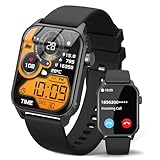
- 【1.83" HD Display & Customizable Watch Faces】Immerse yourself in a vibrant 1.83-inch IPS display, boasting a sharp resolution of 240*284 for crystal-clear visuals. Effortlessly personalize your smart watch with a wide array of customizable watch faces to suit your personal style for every occasion—whether trendy, artistic, or minimalist—ideal for casual, sporty, or professional. Its sleek, modern design complements any outfit, blending technology and fashion seamlessly for everyday wear
- 【120 Sports Modes & Advanced Health Tracking】Our TK29 smart watches for women men come equipped with 120 sports modes, allowing you to effortlessly track a variety of activities such as walking, running, cycling, and swimming. With integrated heart rate and sleep monitors, you can maintain a comprehensive overview of your health, achieve your fitness goals, and maintain a balanced, active lifestyle with ease. Your ideal wellness companion (Note: Step recording starts after exceeding 20 steps)
- 【IP67 Waterproof & Long-Lasting Battery】Designed to keep up with your active lifestyle, this smartwatch features an IP67 waterproof rating, ensuring it can withstand splashes, sweat, and even brief submersion, making it perfect for workouts, outdoor adventures, or rainy days. Its reliable 350mAh battery offering 5-7 days of active use and up to 30 days in standby mode, significantly reducing frequent charging. Ideal for all-day wear, whether you’re at the gym, outdoors, or simply on the go
- 【Stay Connected Anytime, Anywhere】Stay informed and in control with Bluetooth call and music control features. Receive real-time notifications for calls, messages, and social media apps like Facebook, WhatsApp, Twitter, and Instagram directly on your smartwatch. Easily manage calls, control your music playlist, and stay updated without needing to reach for your phone. Perfect for work, workouts, or on-the-go, this watch keeps you connected and never miss important updates wherever you are
- 【Multifunction & Wide Compatibility】Seamlessly handle heart rate monitoring, sleep tracking, and enjoy conveniences like camera/music control, Seamlessly handle heart rate monitoring, sleep tracking, and more-all directly from your wrist. This 1.83 inches HD smartwatch is compatible with iPhone (iOS 9.0+) & Android (5.0+), ensuring smooth daily connectivity and convenience throughout your day. More than just a timepiece, it’s a stylish, all-in-one wearable for smarter, healthier living
Device classification hints at a step above standard fitness bands
Digging deeper, the Band 11 Pro is categorized differently from Huawei’s non-Pro bands inside the app’s device taxonomy. It is grouped closer to hybrid smartwatch-band devices rather than entry-level trackers, suggesting expanded functionality beyond basic step counting and heart rate monitoring.
This internal classification often dictates which UI modules are activated. Features like advanced sleep analysis, enhanced HRV tracking, and multi-day workout summaries require more processing headroom and sensor access. The Band 11 Pro’s placement strongly implies hardware upgrades, not just cosmetic changes or a renamed Band 10.
Regional configuration files point toward a global launch
One of the more telling signs is the presence of regional configuration flags tied to Europe, Southeast Asia, and Latin America. These are not used for China-only releases and usually appear when Huawei is preparing certification pathways for international markets, including language packs, regulatory health disclaimers, and region-specific health metrics.
This aligns with Huawei’s recent strategy of positioning its Band series as a global value leader, offering long battery life, broad phone compatibility, and aggressive pricing. A Pro model launching globally would signal Huawei’s intent to push deeper into markets dominated by Xiaomi, Samsung, and Fitbit at the sub-smartwatch tier.
Feature hooks suggest software readiness, not just placeholders
The leaked app strings reference modules associated with enhanced workout modes, improved skin temperature trend tracking, and refined SpO2 sampling behavior. While not all features are guaranteed to ship at launch, their presence indicates that the Band 11 Pro firmware is already being tested against real app functionality rather than mock interfaces.
Importantly, these hooks align with Huawei’s recent health algorithm updates rolled out to Watch GT and Watch Fit models. That consistency strengthens the case that the Band 11 Pro will inherit higher-end software experiences, potentially narrowing the gap between fitness bands and lightweight smartwatches in daily usability.
Why app-based leaks carry more weight than rumors
Unlike supply chain rumors or speculative spec sheets, official app leaks require engineering coordination across hardware, firmware, and software teams. Huawei does not add devices to Huawei Health casually, and doing so prematurely risks confusing existing users if pairing attempts fail.
For enthusiasts and buyers tracking the next Band upgrade, this leak origin is about as credible as it gets without an official announcement. It tells us not only that the Band 11 Pro exists, but that Huawei is already preparing the ecosystem support needed for a full public rollout.
What Exactly Was Found in the Apps: Firmware Strings, Device Profiles, and Hidden Assets
With the credibility of the leak source established, the next step is understanding what Huawei actually left behind inside its own software. The findings go well beyond a single device name and instead paint a layered picture of a product that appears deep into pre-launch validation rather than early experimentation.
Firmware identifiers point to a near-final hardware profile
Within the Huawei Health app’s device registry, multiple firmware strings explicitly reference “Band 11 Pro,” using a consistent internal naming convention that matches how Huawei labels shipping Band and Watch Fit hardware. These strings are not generic placeholders and include versioned firmware branches, suggesting parallel testing builds rather than a single internal prototype.
The firmware identifiers also follow the same regional suffix patterns seen on recent global Huawei wearables. That typically indicates radio tuning, regulatory compliance, and language support are already being finalized, which is a strong signal that the hardware design itself is locked.
Distinct device profiles separate it from the standard Band line
Alongside the firmware strings, the apps include a dedicated device profile rather than an extension of the existing Band 10 or Band 10 Pro entries. Huawei usually only creates separate profiles when screen resolution, sensor configuration, or input behavior differs enough to require independent UI scaling and control logic.
This separation hints at more than cosmetic upgrades. A Pro profile often correlates with a larger display, higher peak brightness, or a different aspect ratio, all of which affect daily usability for workouts, notifications, and quick-glance interactions during activity.
Sensor and health module references suggest expanded tracking depth
Digging deeper into the health-related assets reveals references to advanced sampling modes tied to SpO2 stability and skin temperature trend analysis. These are not one-off strings but part of structured modules, implying the Band 11 Pro is expected to support longer-term trend tracking rather than simple spot measurements.
There are also indications of refined sleep staging parameters and recovery metrics, aligning with Huawei’s recent push toward holistic health insights. If these features make it to release, they would place the Band 11 Pro closer to Watch Fit territory in terms of health depth while retaining the slimmer band form factor.
Workout assets hint at broader activity support and better on-band guidance
The app bundles include expanded workout icon sets and classification tables that are not currently used by existing Band models. These assets typically correspond to new activity types or enhanced metrics within familiar modes like running, cycling, and strength training.
More interestingly, some strings reference on-device prompts and post-workout summaries, suggesting improved real-time feedback. For users, this could translate into less reliance on the phone screen during sessions and a more smartwatch-like training experience on the wrist.
Hidden UI assets reveal design and usability intentions
Beyond raw text strings, the apps contain dormant UI assets sized for multiple display resolutions. The presence of higher-resolution layout elements implies a screen upgrade, potentially with thinner bezels or a slightly taller panel that improves readability for notifications and data-heavy views.
These assets also suggest refinements in navigation gestures and glanceable cards. That matters for comfort and daily wearability, especially on a device intended to be worn continuously for sleep, workouts, and all-day health tracking.
What the absence of certain assets tells us
Equally telling is what does not appear in the app data. There are no references to LTE profiles, eSIM provisioning, or third-party app installation frameworks, reinforcing the idea that the Band 11 Pro remains firmly in the fitness band category rather than crossing into full smartwatch functionality.
This restraint is consistent with Huawei’s Band philosophy: prioritize battery life, comfort, and affordability over features that add complexity and drain power. For many users, that balance is precisely the appeal, especially when paired with improved sensors and a refined software experience.
Why these findings matter ahead of launch
Taken together, the firmware strings, device profiles, and hidden assets suggest the Band 11 Pro is not only real but nearing software completeness. The depth and coherence of the assets point to active internal testing with production-intent hardware, rather than speculative groundwork.
For the global fitness band market, this positions Huawei to challenge rivals not through flashy hardware alone, but through a mature ecosystem that blurs the line between bands and entry-level smartwatches. The apps reveal a product designed to feel finished on day one, which is often where competitors stumble in this price-sensitive segment.
Design and Hardware Clues: Display Size, Materials, and Physical Upgrades Over Band 10
Building on the UI and firmware evidence, the physical design clues hidden inside Huawei’s own apps suggest the Band 11 Pro is more than a cosmetic refresh. Several hardware-related parameters point to subtle but meaningful refinements that align with Huawei’s recent push to make its bands feel closer to compact smartwatches without sacrificing comfort or battery life.
Rank #2
![Apple Watch Series 11 [GPS 46mm] Smartwatch with Jet Black Aluminum Case with Black Sport Band - M/L. Sleep Score, Fitness Tracker, Health Monitoring, Always-On Display, Water Resistant](https://m.media-amazon.com/images/I/312K597M2uL._SL160_.jpg)
- HYPERTENSION NOTIFICATIONS — Apple Watch Series 11 can spot signs of chronic high blood pressure and notify you of possible hypertension.*
- KNOW YOUR SLEEP SCORE — Sleep score provides an easy way to help track and understand the quality of your sleep, so you can make it more restorative.
- EVEN MORE HEALTH INSIGHTS — Take an ECG anytime.* Get notifications for a high and low heart rate, an irregular rhythm,* and possible sleep apnea.* View overnight health metrics with the Vitals app* and take readings of your blood oxygen.*
- STUNNING DESIGN — Thin and lightweight, Series 11 is comfortable to wear around the clock — while exercising and even when you’re sleeping, so it can help track your key metrics.
- A POWERFUL FITNESS PARTNER — With advanced metrics for all your workouts, plus features like Pacer, Heart Rate Zones, training load, Workout Buddy powered by Apple Intelligence from your nearby iPhone,* and more. Series 11 also comes with three months of Apple Fitness+ free.*
Slightly larger display with denser layouts
Multiple UI assets appear scaled for a marginally taller display than the Band 10, hinting at a screen increase rather than a simple resolution bump. This suggests Huawei may be stretching the panel vertically, improving data density for workout metrics, notifications, and health charts without dramatically increasing wrist footprint.
If accurate, this would mirror the strategy used on recent Huawei Watch Fit models, where extra vertical space improves legibility while preserving a slim profile. For daily wear, especially during workouts and sleep tracking, that balance matters more than headline screen size alone.
Refined materials and a more “Pro” case finish
References within the device profiles point toward multiple chassis variants, which often correlate with different case materials or finishes. Compared to the Band 10’s aluminum-alloy body, the Band 11 Pro is likely to introduce a higher-grade metal finish or improved surface treatment, potentially with better resistance to micro-scratches.
This would align with Huawei’s broader naming convention, where “Pro” models typically receive more premium tactile materials even if internal hardware changes are incremental. For users upgrading from older Bands, the difference would be felt less in specs and more in how the device ages over time.
Dimensions, weight, and long-term comfort
While exact measurements are not exposed, the absence of drastically different strap geometry suggests Huawei is prioritizing continuity in fit. That implies similar lug spacing and strap width to the Band 10, which helps existing users reuse accessories and ensures a familiar on-wrist feel.
Any slight increase in display size is likely offset by case thinning or weight optimization. This is critical for sleep tracking accuracy and all-day wear, areas where heavier or top-heavy designs tend to undermine even the best health features.
Strap system and durability expectations
The app assets still reference standard quick-release band configurations, reinforcing that Huawei is not moving to proprietary or magnetic-only attachment systems here. That decision keeps replacement straps affordable and widely available, a practical advantage in the fitness band segment.
Durability cues, including repeated references to water-based activity modes, suggest water resistance at least on par with the Band 10. While no dive-specific hardware is implied, the Band 11 Pro appears positioned for swimming, sweat-heavy workouts, and daily exposure without concern.
Incremental hardware, deliberate positioning
Taken together, the design clues paint a picture of controlled evolution rather than reinvention. Huawei seems focused on refining the Band formula with a better screen, improved materials, and small ergonomic gains, rather than chasing dramatic form-factor changes.
This approach reinforces the idea that the Band 11 Pro is meant to feel immediately familiar yet noticeably more polished. For a global audience weighing value, comfort, and longevity, these understated physical upgrades may end up being just as important as any headline feature.
Health and Fitness Features Leaked: Sensors, Metrics, and New Tracking Capabilities
If the hardware story points to refinement, the health and fitness leaks are where the Band 11 Pro starts to feel meaningfully upgraded. Strings and feature flags surfaced inside Huawei Health and related service modules indicate a broader sensing stack and more granular metrics, even if the physical sensor array itself remains familiar.
The pattern is consistent with Huawei’s recent playbook: incremental sensor improvements paired with deeper software interpretation. For daily users, that often matters more than adding a headline sensor that drains battery or complicates wearability.
Optical heart rate and blood oxygen: familiar hardware, expanded context
References to continuous heart rate tracking align with Huawei’s latest TruSeen algorithms rather than a brand-new optical module. What’s notable in the leaked app text is how often heart rate is cross-referenced with recovery, fatigue, and training load indicators, rather than being treated as a standalone stat.
Blood oxygen monitoring also appears unchanged at the hardware level, relying on spot checks and scheduled background readings. However, the firmware hooks suggest tighter integration with sleep stages and respiratory metrics, allowing SpO2 dips to be contextualized instead of logged in isolation.
Sleep tracking moves beyond duration and stages
Sleep analysis looks set to receive one of the most meaningful upgrades. App references point to expanded sleep continuity scoring, breathing irregularity detection, and more explicit links between sleep quality and daytime readiness indicators.
Huawei has been steadily refining sleep tracking across its wearables, and the Band 11 Pro appears positioned to inherit those higher-end insights. The emphasis is less on adding new charts and more on translating overnight data into actionable prompts inside the Health app.
Stress, HRV, and recovery indicators come into focus
Several newly exposed metrics revolve around autonomic balance, including stress trends and heart rate variability-derived insights. While HRV is not explicitly labeled in consumer-facing strings, the structure mirrors how Huawei presents HRV-adjacent data on its watches.
This suggests the Band 11 Pro will quietly collect the necessary data in the background, surfacing simplified interpretations rather than raw numbers. For a fitness band audience, that balance between depth and approachability is crucial.
Skin temperature and women’s health tracking references
Leaked assets also reference nightly temperature deviation tracking, framed as trend-based rather than medical-grade measurement. This aligns with Huawei’s cautious positioning, using baseline shifts to support wellness insights without overpromising diagnostic value.
These temperature trends appear to feed directly into cycle tracking and women’s health features. The Band 11 Pro seems designed to offer more predictive insights over time, particularly when worn consistently during sleep.
Workout modes and activity recognition refinements
On the activity side, the Band 11 Pro inherits Huawei’s broad catalog of workout modes, but the leaks point to smarter auto-detection thresholds and improved segmentation for interval-style training. This should reduce false positives while still catching spontaneous activity.
Swimming metrics receive repeated mentions, including stroke recognition and rest detection, reinforcing expectations of full pool tracking rather than casual water exposure support. There is still no indication of onboard GPS, which keeps the Band firmly in fitness band territory rather than smartwatch crossover.
Battery-aware tracking and real-world usability
One recurring theme across the leaked health features is power-aware scheduling. Many advanced metrics are flagged as adaptive, scaling sampling rates based on activity, sleep, and remaining battery rather than running at full intensity all day.
This design choice directly supports the Band’s core promise of multi-day endurance. Rather than chasing exhaustive data capture, Huawei appears focused on delivering insights that remain reliable without compromising comfort or forcing frequent charging.
Rank #3

- Bluetooth Call and Message Alerts: Smart watch is equipped with HD speaker, after connecting to your smartphone via bluetooth, you can answer or make calls, view call history and store contacts through directly use the smartwatch. The smartwatches also provides notifications of social media messages (WhatsApp, Twitter, Facebook, Instagram usw.) So that you will never miss any important information.
- Smart watch for men women is equipped with a 320*380 extra-large hd full touch color screen, delivering exceptional picture quality and highly responsive touch sensitivity, which can bring you a unique visual and better interactive experience, lock screen and wake up easily by raising your wrist. Though “Gloryfit” app, you can download more than 102 free personalised watch faces and set it as your desktop for fitness tracker.
- 24/7 Heart Rate Monitor and Sleep Tracker Monitor: The fitness tracker watch for men has a built-in high-performance sensor that can record our heart rate changes in real time. Monitor your heart rate 26 hours a day and keep an eye on your health. Synchronize to the mobile phone app"Gloryfit", you can understand your sleep status(deep /light /wakeful sleep) by fitness tracker watch develop a better sleep habit and a healthier lifestyle.
- IP68 waterproof and 110+ Sports Modes: The fitness tracker provides up to 112+ sports modes, covering running, cycling, walking, basketball, yoga, football and so on. Activity trackers bracelets meet the waterproof requirements for most sports enthusiasts' daily activities, such as washing hands or exercising in the rain, meeting daily needs (note: Do not recommended for use in hot water or seawater.)
- Multifunction and Compatibility: This step counter watch also has many useful functions, such as weather forecast, music control, sedentary reminder, stopwatch, alarm clock, timer, track female cycle, screen light time, find phone etc. The smart watch with 2 hrs of charging, 5-7 days of normal use and about 30 days of standby time. This smart watches for women/man compatible with ios 9.0 and android 6.2 and above devices.
Credibility of the leaks and what they signal
Because these features appear inside official Huawei apps rather than third-party leaks, their credibility is relatively high. That said, Huawei has a history of region-specific feature gating, so not every metric referenced may be enabled globally at launch.
Even with that caveat, the Band 11 Pro is shaping up as a software-forward upgrade. For users comparing it against older Huawei Bands or entry-level rivals, the value proposition increasingly rests on how intelligently it interprets familiar sensor data rather than how many sensors it can list on a spec sheet.
Battery Life, Charging, and Efficiency Expectations Based on App Data
If the health and workout leaks point to smarter data collection, the battery-related strings buried in Huawei’s official apps explain how that ambition stays practical. Rather than advertising a raw battery capacity figure, the Band 11 Pro appears to lean heavily on dynamic power management tied directly to user behavior and feature usage.
Across multiple app references, battery endurance is framed as a system-level outcome, not a fixed promise. That positions the Band 11 Pro less as a spec-sheet contender and more as a wearable designed to stay on-wrist with minimal interruption.
Estimated multi-day endurance profiles
Within the Huawei Health app, several preset usage profiles are referenced, including standard use, intensive health tracking, and an always-on display scenario. These profiles mirror Huawei’s previous Band Pro models, which typically landed in the 7 to 14 day range depending on feature load, suggesting similar expectations here.
What stands out is how often endurance estimates are paired with conditional language. Battery projections appear to adjust in real time based on sleep tracking depth, SpO₂ monitoring frequency, and workout intensity, implying that the Band 11 Pro continuously recalculates remaining runtime rather than relying on static assumptions.
Charging method and expected refill times
App imagery and device references point to the familiar Huawei magnetic pogo-pin charger rather than a switch to wireless charging. That aligns with the Band’s slim form factor and lightweight build, prioritizing comfort and flexibility over premium charging theatrics.
While exact charging times are not listed, prior Huawei Bands using similar charging hardware typically reached a full charge in roughly 45 to 60 minutes. The absence of fast-charging callouts suggests Huawei is sticking with predictable, thermally conservative charging behavior rather than pushing higher wattage in a compact chassis.
Smart power modes and background efficiency
One of the more revealing aspects of the app data is how granular the power management appears to be. Individual features such as continuous heart rate tracking, blood oxygen sampling, stress monitoring, and even notification sync are each tagged with independent power cost indicators.
This implies users may be able to fine-tune endurance beyond simple presets. For experienced Huawei wearable users, this level of control often translates into meaningfully longer battery life without sacrificing core health metrics, especially for those who prioritize sleep and daily activity over constant screen interaction.
Display behavior and its battery impact
Although display specifications are not explicitly outlined in the battery sections, the references to always-on display modes strongly suggest an AMOLED panel. The app differentiates between wrist-raise activation, scheduled AOD windows, and continuous display operation, each with distinct battery implications.
This tiered approach reinforces the idea that Huawei expects users to actively manage visibility versus endurance. For a fitness band worn day and night, that flexibility matters more than peak brightness figures, particularly for sleep comfort and overnight drain.
How this compares to earlier Huawei Bands
Taken together, the app-based clues suggest incremental but meaningful efficiency gains rather than a dramatic leap. Huawei has historically favored stable multi-day endurance over chasing headline numbers, and the Band 11 Pro seems to continue that philosophy with more intelligence layered on top.
For users upgrading from older Bands, the real-world benefit is likely fewer unexpected low-battery warnings and more confidence in wearing the device continuously. In a crowded global fitness band market where charging fatigue is a common pain point, that kind of reliability may prove just as compelling as any new sensor or feature unlock.
Software Experience: HarmonyOS Integration, Watch Faces, and App Ecosystem Implications
If the battery and power management clues hint at Huawei’s priorities, the software layer revealed through its official apps makes those priorities far more explicit. The Band 11 Pro appears to sit closer to Huawei’s smartwatch line than earlier Bands, at least in how HarmonyOS features are being scaled down and adapted for a slimmer, always-on fitness form factor.
Rather than treating the Band as a peripheral display, the leaked menus suggest Huawei is continuing to collapse the experience gap between its watches and bands. That has implications not just for features, but for long-term platform support and daily usability.
HarmonyOS under the hood, not just in name
References within Huawei Health and associated plugin files point to a HarmonyOS-based runtime rather than a legacy RTOS-style environment. This matters because it explains the more granular background task controls and the modular power toggles surfaced in earlier sections.
For users, the practical benefit is smoother notification handling, more consistent behavior across Android and Huawei phones, and fewer edge-case sync issues. It also aligns the Band 11 Pro with Huawei’s broader wearable update cadence, rather than leaving it functionally frozen a year after launch.
Watch face system hints at smartwatch-grade customization
One of the more telling leaks involves watch face management. The Band 11 Pro is referenced alongside devices that support layered and data-rich faces, including configurable complications, animated elements, and dynamic color states tied to health metrics.
This suggests the Band 11 Pro may finally break away from the “single-row data strip” aesthetic of older Bands. For a device worn 24/7, richer faces are not just cosmetic; they reduce the need to tap into menus during workouts, commuting, or sleep tracking, improving real-world comfort and interaction efficiency.
App ecosystem: controlled, but expanding at the edges
Huawei’s wearable ecosystem remains tightly curated, and the Band 11 Pro does not appear to change that philosophy. There is no indication of open third-party app sideloading, but there are signs of deeper system-level integrations for first-party services like music control, calendar sync, and workout data export.
The leaked app structures show more hooks for region-specific services, which is especially relevant for a global launch. This flexibility allows Huawei to tailor features by market without fragmenting the core software, something that has historically helped its wearables perform well outside China despite ecosystem restrictions.
Cross-device consistency and phone compatibility
Another notable detail is how the Band 11 Pro is categorized within Huawei Health. It shares configuration pathways with recent Watch Fit and Watch GT models, rather than legacy Band entries, implying a unified interaction model.
For Android users, this typically translates into fewer feature discrepancies between phone brands. For Huawei phone owners, especially those on HarmonyOS smartphones, it hints at deeper continuity features like faster pairing, shared health dashboards, and more stable background syncing.
Rank #4
![Apple Watch Series 11 [GPS 42mm] Smartwatch with Rose Gold Aluminum Case with Light Blush Sport Band - S/M. Sleep Score, Fitness Tracker, Health Monitoring, Always-On Display, Water Resistant](https://m.media-amazon.com/images/I/31J+F-pXaWL._SL160_.jpg)
- HYPERTENSION NOTIFICATIONS — Apple Watch Series 11 can spot signs of chronic high blood pressure and notify you of possible hypertension.*
- KNOW YOUR SLEEP SCORE — Sleep score provides an easy way to help track and understand the quality of your sleep, so you can make it more restorative.
- EVEN MORE HEALTH INSIGHTS — Take an ECG anytime.* Get notifications for a high and low heart rate, an irregular rhythm,* and possible sleep apnea.* View overnight health metrics with the Vitals app* and take readings of your blood oxygen.*
- STUNNING DESIGN — Thin and lightweight, Series 11 is comfortable to wear around the clock — while exercising and even when you’re sleeping, so it can help track your key metrics.
- A POWERFUL FITNESS PARTNER — With advanced metrics for all your workouts, plus features like Pacer, Heart Rate Zones, training load, Workout Buddy powered by Apple Intelligence from your nearby iPhone,* and more. Series 11 also comes with three months of Apple Fitness+ free.*
Implications for daily usability and long-term value
When viewed alongside the refined power controls discussed earlier, the software leaks paint a picture of a device designed for continuous wear rather than occasional interaction. HarmonyOS integration allows the Band 11 Pro to handle notifications, health sampling, and face rendering more intelligently without constant user intervention.
In practical terms, this positions the Band 11 Pro as a hybrid between a traditional fitness band and an entry-level smartwatch. If Huawei delivers this software experience consistently at launch, it could pressure competitors to rethink how much software depth users should expect from sub-watch wearables, especially in global markets where value and longevity matter as much as headline features.
Global Launch Signals: Regional Listings, Language Packs, and Market Readiness
All of that software cohesion would mean little if it were confined to a single market, and this is where the latest app-side leaks become especially telling. Buried within updated Huawei Health regional packages are multiple indicators that the Band 11 Pro is being prepared not as a China-first device, but as a synchronized global release.
Rather than the staggered rollout Huawei has occasionally used for its bands, the evidence points toward near-simultaneous availability across key regions. That has implications not just for launch timing, but for how complete the feature set will be on day one.
Regional product listings and internal market flags
Several Huawei Health APKs and HarmonyOS companion modules now reference the Band 11 Pro under region-agnostic device IDs, rather than China-only placeholders. This is a small but significant detail, as Huawei typically locks early prototypes to CN-specific identifiers until regulatory and localization work is finished.
More notably, the Band 11 Pro appears in the same internal market tables as recent Watch Fit and GT launches that debuted globally within weeks of their first sightings. Historically, bands that remain China-exclusive sit in separate test branches far longer.
These listings also include region toggles tied to NFC availability, payment frameworks, and location-based services. That suggests Huawei is actively planning feature differentiation by market, rather than stripping functionality back for international models.
Expanded language packs and localization depth
Language support is often the clearest signal of launch readiness, and here the Band 11 Pro looks unusually complete for a pre-announcement device. The leaked firmware references a broader set of system languages than previous Band generations at the same stage.
Beyond the expected European languages, there are optimized packs for Southeast Asia, Latin America, and the Middle East. These are not placeholder translations; string lengths and UI scaling parameters appear tuned for the Band 11 Pro’s screen resolution and aspect ratio.
This matters for daily usability. Proper localization affects everything from workout labels and sleep metrics to notification previews and calendar sync, and Huawei’s attention here suggests the Band 11 Pro is meant to feel native in each market, not merely compatible.
Regulatory readiness and feature gating
Another quiet but important clue is how health features are conditionally enabled based on region codes. SpO₂ tracking, stress monitoring, and advanced sleep metrics appear controlled via the same compliance framework used on Huawei’s higher-end watches.
That implies regulatory filings are either underway or already completed in multiple jurisdictions. Huawei tends not to finalize this logic until certification timelines are relatively firm, as late-stage changes can delay launches by months.
It also hints that international buyers should expect parity in core health tracking, rather than watered-down metrics outside China. Any differences are more likely to revolve around services like NFC payments or voice assistants, not baseline fitness functionality.
Market positioning and ecosystem preparedness
Taken together, the regional listings and language infrastructure suggest Huawei views the Band 11 Pro as more than a low-cost accessory. Its placement alongside Watch Fit models in global planning tools indicates a strategic push to blur the line between fitness band and lightweight smartwatch across markets.
For consumers, this translates into better long-term support. Devices launched globally tend to receive more consistent firmware updates, broader accessory availability, and stronger third-party compatibility, even within Huawei’s curated ecosystem.
From a competitive standpoint, this readiness positions the Band 11 Pro to challenge global incumbents like Xiaomi and Samsung at launch, rather than playing catch-up months later. If pricing aligns with Huawei’s usual value-focused strategy, the Band 11 Pro could arrive not just early, but fully formed for international buyers.
How Credible Are These Leaks? Assessing Reliability Compared to Past Huawei Pre-Launch Discoveries
Given how mature the regional and regulatory groundwork appears, the next obvious question is whether these Band 11 Pro details deserve to be taken at face value. In Huawei’s case, history provides a useful yardstick, because the company has a well-documented pattern when products surface inside official apps rather than third‑party leaks or supply chain rumors.
Official app leaks have historically been high-confidence for Huawei
When Huawei devices appear inside Huawei Health, AI Life, or companion service frameworks, they are usually close to launch. Past examples include the Watch Fit series, Band 8, and even regional variants of the Watch GT line, all of which were first exposed through device lists, onboarding animations, or firmware strings weeks—not months—before announcement.
In most of those cases, the hardware form factor, display size class, and core health features shown in the apps matched the final retail products almost exactly. Late changes tended to be cosmetic or market-specific, such as strap options, case finishes, or whether NFC was activated outside China.
Firmware depth suggests late-stage validation, not placeholders
What elevates the Band 11 Pro leaks beyond speculation is the level of software completeness. These are not empty product names or greyed-out icons, but fully localized strings, region-aware health toggles, and device-specific UI logic tied to screen resolution and control layouts.
Huawei typically locks down these elements after industrial design and internal hardware validation are finished. At this stage, battery profiles, sensor polling intervals, and workout algorithms are already tuned for the final chipset and sensor stack, which makes a major hardware pivot extremely unlikely.
Consistency with Huawei’s annual refresh cadence
The timing of the Band 11 Pro’s appearance also aligns with Huawei’s established release rhythm. Huawei refreshes its fitness bands on a roughly annual cycle, often slotting them between Watch GT updates and larger ecosystem announcements to maintain momentum in the affordable segment.
Previous bands surfaced in apps roughly one to two months before global rollout, often followed by staggered regional launches. The current Band 11 Pro sightings fit that same window, reinforcing the idea that this is not an abandoned prototype or internal test SKU.
Where caution is still warranted
That said, not every leaked detail should be treated as final. Huawei has a track record of quietly disabling or region-locking features right before launch, especially around NFC payments, voice assistants, and third-party service integrations.
💰 Best Value
![Apple Watch Series 11 [GPS 42mm] Smartwatch with Jet Black Aluminum Case with Black Sport Band - S/M. Sleep Score, Fitness Tracker, Health Monitoring, Always-On Display, Water Resistant](https://m.media-amazon.com/images/I/31ybzrJZckL._SL160_.jpg)
- HYPERTENSION NOTIFICATIONS — Apple Watch Series 11 can spot signs of chronic high blood pressure and notify you of possible hypertension.*
- KNOW YOUR SLEEP SCORE — Sleep score provides an easy way to help track and understand the quality of your sleep, so you can make it more restorative.
- EVEN MORE HEALTH INSIGHTS — Take an ECG anytime.* Get notifications for a high and low heart rate, an irregular rhythm,* and possible sleep apnea.* View overnight health metrics with the Vitals app* and take readings of your blood oxygen.*
- STUNNING DESIGN — Thin and lightweight, Series 11 is comfortable to wear around the clock — while exercising and even when you’re sleeping, so it can help track your key metrics.
- A POWERFUL FITNESS PARTNER — With advanced metrics for all your workouts, plus features like Pacer, Heart Rate Zones, training load, Workout Buddy powered by Apple Intelligence from your nearby iPhone,* and more. Series 11 also comes with three months of Apple Fitness+ free.*
Battery life estimates shown in pre-release firmware can also shift once mass production tolerances are factored in. While core metrics like multi-day endurance and fast charging behavior usually hold, real-world longevity can vary depending on display brightness tuning and always-on features.
Comparing credibility to third-party and supply chain leaks
Compared to factory schematics, certification listings, or retailer placeholders, official app leaks sit at the top of the reliability ladder for Huawei wearables. They originate from the same software stack end users will rely on daily, meaning inaccuracies directly increase post-launch support risk—something Huawei tends to avoid.
In practical terms, this makes the Band 11 Pro leaks more dependable than early regulatory filings, which often lack feature context, and far more trustworthy than speculative renders or anonymous component claims.
What this means for buyers watching the launch
For consumers tracking the Band 11 Pro as a potential upgrade, the credibility level here is high enough to inform real purchasing decisions. Expectations around display size class, health tracking depth, international compatibility, and overall positioning against rivals like Xiaomi’s Smart Band Pro line are unlikely to change materially.
The remaining unknowns are price, exact market rollout order, and a few service-level features. But as far as hardware intent and software maturity go, Huawei’s own apps are effectively signaling that the Band 11 Pro is not just coming—it is ready.
What the Band 11 Pro Could Mean for the Global Fitness Band Market and Huawei’s Positioning
Taken together, the credibility of the app-based leaks and the apparent readiness of the software stack point to something more significant than a routine annual refresh. The Band 11 Pro looks positioned to blur the line between traditional slim fitness bands and entry-level smartwatches in a way that directly challenges how this category is defined globally.
This matters not just for Huawei fans, but for the wider fitness band market, which has become increasingly crowded and increasingly conservative in recent product cycles.
Raising expectations for what a “band” should offer
If the leaked feature set holds, the Band 11 Pro reinforces a trend where premium bands are no longer judged solely on step counts and battery life. Larger displays with refined UI scaling, expanded health metrics, and deeper training insights are becoming baseline expectations rather than upsell features.
Huawei’s strength here has historically been sensor quality and data interpretation rather than app ecosystem breadth. By leaning into richer sleep analysis, continuous health tracking, and improved workout structure, the Band 11 Pro could reset buyer expectations for sub-watch pricing without demanding smartwatch-level compromises on comfort or endurance.
In practical daily wear, this approach favors users who want a lightweight device that disappears on the wrist, maintains multi-day battery life, and still delivers credible health insights without the bulk, heat, or charging anxiety of a full smartwatch.
Direct pressure on Xiaomi, Samsung, and emerging brands
The most immediate competitive pressure lands on Xiaomi’s Smart Band Pro series, which has dominated the “large-screen band” niche globally. Huawei’s apparent emphasis on software polish, display optimization, and health depth suggests a more holistic experience rather than a spec-sheet-driven one.
Samsung, meanwhile, has largely ceded the true fitness band segment in favor of Galaxy Watches. A strong Band 11 Pro could widen that gap by reminding consumers that not everyone wants Wear OS complexity just to track workouts and sleep reliably.
For newer brands and ODM-driven entrants, the bar is raised even further. Competing on price alone becomes harder when established players are delivering premium materials, refined finishing, durable construction, and cohesive software at aggressive mid-range pricing.
Huawei’s strategic positioning outside China
Globally, Huawei’s wearable strategy has quietly shifted from ecosystem lock-in to platform resilience. The Band 11 Pro leaks suggest a product designed to function well across Android and iOS, minimizing reliance on Huawei Mobile Services while still showcasing Huawei Health as a capable standalone platform.
This is critical in regions where Huawei smartphones are less common but Huawei wearables continue to sell strongly on merit. A polished Band 11 Pro strengthens Huawei’s presence in Europe, Southeast Asia, and parts of Latin America as a hardware-first brand that prioritizes reliability, battery longevity, and comfort over app-store breadth.
It also reinforces Huawei’s reputation for delivering devices that feel complete at launch, rather than requiring months of post-release firmware fixes to reach their intended functionality.
Value-driven premium without crossing into smartwatch territory
Perhaps the most important signal from the Band 11 Pro leaks is restraint. Rather than chasing full app ecosystems, LTE, or voice assistants that complicate battery life and regional support, Huawei appears focused on refining the core experience.
That positioning allows the Band 11 Pro to remain a true fitness band in terms of weight, strap comfort, and charging cadence, while still feeling meaningfully upgraded in daily use. For many buyers, that balance represents better long-term value than entry-level smartwatches that promise more than they consistently deliver.
If pricing lands competitively, the Band 11 Pro could become a default recommendation for users who want serious health tracking and a premium feel without committing to a smartwatch lifestyle.
Why this launch could resonate beyond specs
The significance of the Band 11 Pro is not just what features it includes, but what it signals about Huawei’s confidence in the category. Official app leaks rarely surface this late unless internal validation is largely complete, suggesting Huawei believes the product can stand on its own in a competitive global market.
For consumers, this translates into a safer buying window with fewer unknowns. For competitors, it signals that the fitness band segment remains strategically important and far from commoditized.
Assuming the final hardware and pricing align with what the software already implies, the Band 11 Pro is shaping up to be less about incremental upgrades and more about redefining what global buyers should reasonably expect from a modern fitness band in 2026.