The Tool Desk
Outbyte Driver Updater FREEScan for outdated or missing drivers - takes under a minuteDriver Scan →Outbyte PC Repair FREERepair Windows errors before they cause bigger problemsFix Now →Choosing between the Galaxy Watch 6 and the Huawei Watch GT 4 isn’t just about specs or price, it’s about deciding what you actually want a smartwatch to do every day. Both sit firmly in the mainstream, both look polished on the wrist, and both promise serious health tracking, yet they approach the idea of a smartwatch from opposite directions.
Samsung treats the Galaxy Watch 6 as a miniature extension of your phone, prioritizing apps, notifications, and deep system integration. Huawei, with the Watch GT 4, leans toward a modern sports watch philosophy, where battery life, passive health monitoring, and elegance take precedence over app overload. Understanding this difference early makes the rest of the comparison far clearer.
What follows breaks down how these two philosophies shape everything from software behavior and health tracking to comfort, battery endurance, and long‑term value, especially depending on whether you’re an Android power user or someone who wants a low‑maintenance wearable that just works.
Software-first versus endurance-first thinking
The Galaxy Watch 6 runs Wear OS with Samsung’s One UI Watch layered on top, delivering a familiar, smartphone-like experience. You get Google Play access, third-party apps, voice assistants, mobile payments, smart replies, and tight integration with Samsung phones that goes well beyond basic notifications. The trade-off is complexity and power consumption, which shows up quickly in daily use.
What’s actually slowing this PC down?
Pick the symptom - the matching free tool is one click away.
#1 Best Overall

- Rotating Bezel Design: Classic rotating bezel enables precise control and smooth navigation.
Huawei’s Watch GT 4 uses HarmonyOS in a much more controlled way. There’s no true app ecosystem in the Wear OS sense, but the interface is fast, visually refined, and focused on glanceable information. It feels closer to a traditional sports watch with smart features added, rather than a phone strapped to your wrist.
Health tracking priorities and accuracy
Samsung positions the Galaxy Watch 6 as a comprehensive health hub, with ECG, body composition analysis, irregular heart rhythm notifications, and skin temperature tracking tied into Samsung Health. Some features are region-locked or require a Samsung phone, but when fully unlocked, it’s one of the most data-rich consumer smartwatches available. The sensors are capable, though accuracy can vary depending on fit and calibration.
Huawei emphasizes consistency and long-term trend tracking. Heart rate, SpO2, sleep staging, and stress monitoring run continuously with minimal user input, and the GT 4’s optical sensor array is tuned for stability rather than experimental metrics. You don’t get ECG in most regions, but the day-to-day health data is reliable and easy to interpret without digging through menus.
Design language and real-world wearability
The Galaxy Watch 6 looks unmistakably like a modern smartwatch, with a slim aluminum or stainless steel case, curved glass, and a bright AMOLED display that dominates the wrist. Sizes are compact and comfortable, making it easy to wear all day and night, though the design prioritizes screen real estate over traditional watch aesthetics. It works well with casual and sporty outfits but rarely passes for a classic timepiece.
The Watch GT 4 leans into traditional watch proportions with a larger case, flatter crystal, and more pronounced lugs. Finishing is clean and restrained, with brushed surfaces and well-integrated straps that make it feel closer to a conventional wristwatch. It’s slightly bulkier, but many users find it more comfortable over long periods due to its balanced weight distribution.
Battery life as a defining difference
Battery behavior alone can dictate which of these watches makes sense for you. The Galaxy Watch 6 typically lasts one to two days with normal use, less if you lean heavily on GPS workouts, LTE models, or always-on display. Charging is fast, but frequent top-ups become part of the routine.
The Watch GT 4 operates on a completely different schedule. Expect close to a week of use with notifications, workouts, and continuous health tracking enabled, and even longer if you’re conservative with GPS. This fundamentally changes how you live with the watch, especially for travel, sleep tracking, or users who simply don’t want another device to charge daily.
Compatibility and ecosystem commitment
Samsung’s watch is best experienced with a Samsung phone, where features like ECG, advanced sleep insights, and seamless syncing work as intended. It does function with other Android phones, but with notable limitations, and it’s effectively off-limits for iPhone users. Buying into the Galaxy Watch 6 is also buying into Samsung’s broader ecosystem.
Free tools Windows power users keep installed
One-click scans. No signup required.
Huawei takes a more platform-agnostic approach. The Watch GT 4 works with both Android and iOS, offering nearly identical core functionality across platforms. While the companion app lacks the depth of Samsung Health, the consistency and cross-platform support make it appealing for users who value flexibility over ecosystem lock-in.
Design, Case Sizes, Materials, and Wearability on the Wrist
Design is where the philosophical split between these two watches becomes immediately tangible. Samsung prioritizes a modern, screen-first smartwatch aesthetic that blends into the broader Galaxy ecosystem, while Huawei intentionally borrows cues from traditional wristwatches to appeal to users who want their wearable to pass as a conventional timepiece. That difference shapes everything from case geometry to how each watch feels after a full day on the wrist.
Case sizes and proportions
The Galaxy Watch 6 comes in 40mm and 44mm case sizes, both notably slim at roughly 9mm thick. The compact footprint, narrow bezels, and curved caseback help it sit low and close to the wrist, especially appealing for smaller wrists or users who dislike bulky wearables. The overall look emphasizes display area rather than physical presence.
The Watch GT 4 is offered in 41mm and 46mm variants, with the larger model clearly aimed at those who prefer a traditional sports watch scale. It is slightly thicker at just under 10mm, but the flatter crystal and longer lugs give it a more classic silhouette. On-wrist, it reads more like a mechanical watch than a piece of consumer electronics.
Do these 3 things before closing this tab:
1Scan for outdated or missing drivers - takes under a minute2Clear out junk files and repair common Windows errors3Fix the driver behind crashes, sound loss and screen glitchesMaterials and finishing quality
Samsung uses an aluminum case for the Galaxy Watch 6, paired with a sapphire crystal up top. The aluminum keeps weight down and resists corrosion, but it does lack the cold, premium feel of steel. Finishing is clean and uniform, though deliberately minimal, reinforcing its modern and functional identity.
Huawei opts for stainless steel on the Watch GT 4, which immediately adds visual weight and a more premium tactile experience. Brushed surfaces dominate, with polished accents kept subtle rather than flashy. The sapphire crystal sits flatter than Samsung’s, reinforcing the Watch GT 4’s traditional watch inspiration.
Buttons, bezels, and physical interaction
The Galaxy Watch 6 relies on two low-profile side buttons and touch gestures for navigation. There is no physical rotating bezel on this model, so interaction is driven primarily through the touchscreen and software UI. It feels intuitive and fast, but less tactile than earlier Samsung designs.
Huawei includes a rotating-style crown on the Watch GT 4, paired with a secondary button. The crown is used for scrolling menus and feels purposeful, adding a mechanical interaction that traditional watch fans often appreciate. It also reduces reliance on touch input during workouts or when hands are wet.
What’s actually slowing this PC down?
Pick the symptom - the matching free tool is one click away.
Straps, lugs, and customization
Samsung uses a proprietary one-click strap system that still supports standard 20mm bands. The included silicone strap is soft, flexible, and comfortable for workouts, but its integrated look slightly limits the aesthetic flexibility without swapping bands. Changing straps is quick, but you are encouraged to stay within Samsung’s ecosystem for the cleanest fit.
The Watch GT 4 uses standard lugs, with 20mm on the 41mm model and 22mm on the 46mm version. This opens the door to a wide range of third-party leather, nylon, and metal straps. Huawei’s included straps are well-finished and comfortable, but the real advantage is how easily the watch can be dressed up or down.
Weight, balance, and all-day comfort
The Galaxy Watch 6 is impressively light, weighing roughly 29 grams for the 40mm and 33 grams for the 44mm without straps. That low weight makes it easy to forget you’re wearing, particularly during sleep tracking or long workdays. The downside is that it can feel almost too insubstantial for users who want a watch with presence.
The Watch GT 4 is heavier at around 37 grams for the smaller version and close to 48 grams for the 46mm model. Despite that, weight distribution is excellent, and the flatter caseback spreads pressure evenly across the wrist. Over long periods, many users find it surprisingly comfortable, especially if they prefer the reassuring heft of a traditional watch.
The Tool Desk
Outbyte PC Repair FREEClear out junk files and repair common Windows errorsFree Scan →Outbyte Driver Updater FREEFix the driver behind crashes, sound loss and screen glitchesFind Drivers →Durability and everyday wearability
Both watches offer 5ATM water resistance and sapphire crystals, making them suitable for swimming and everyday abuse. Samsung’s lighter build favors comfort and discretion, while Huawei’s steel construction feels better suited to users who are hard on their gear. Neither feels fragile, but their durability is expressed in very different ways.
In daily wear, the Galaxy Watch 6 blends seamlessly into an active, tech-forward lifestyle, disappearing under cuffs and excelling during workouts and sleep. The Watch GT 4 makes a stronger visual statement, pairing more naturally with office attire or casual wear where a traditional watch would normally sit. The choice ultimately comes down to whether you want your smartwatch to blend in, or stand in as a watch first and a smart device second.
Display Technology, Brightness, and Everyday Legibility
After comfort and durability, the display is where these two watches most clearly reveal their different priorities. Both use high‑quality AMOLED panels protected by sapphire, but the way each screen is tuned, framed, and used in daily life feels distinct. This isn’t just about sharpness on a spec sheet; it’s about how often you glance at your wrist and instantly get the information you need.
Panel type, size, and visual character
The Galaxy Watch 6 uses a Super AMOLED display in both sizes, measuring 1.3 inches on the 40mm and 1.5 inches on the 44mm. Colors are saturated, blacks are deep, and Samsung’s long experience with OLED tuning shows in how crisp text and UI elements look, even at smaller font sizes. The slimmer bezels introduced on the Watch 6 also make the screen feel larger than its physical dimensions suggest.
Quick wins for a faster PC:
Fix the driver behind crashes, sound loss and screen glitchesFind Drivers →Clear out junk files and repair common Windows errorsFree Scan →Huawei fits the Watch GT 4 with an AMOLED panel as well, sized at 1.32 inches on the 41mm and 1.43 inches on the 46mm. The visual presentation is slightly more restrained, with more natural color calibration that suits its traditional watch faces. Paired with the polished steel bezel, the display feels framed like a conventional timepiece rather than a floating digital panel.
Resolution, sharpness, and fine detail
Samsung’s displays run at 432 x 432 pixels on the smaller model and 480 x 480 on the larger one, resulting in very high pixel density. Fine details like complication text, notification previews, and workout metrics remain sharp even when viewed at an angle. This benefits users who rely heavily on dense data screens during workouts or navigation.
Rank #2
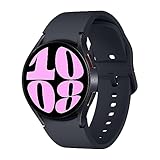
- Larger Super AMOLED Display: Expanded screen area with slimmer bezels for improved visibility and usability.
The Watch GT 4’s resolution is slightly lower, but in everyday use it rarely feels lacking. Huawei leans into bold typography and clean layouts, which play well with the panel’s strengths. Watch faces emphasize symmetry and legibility, aligning with the GT 4’s more analog-inspired design language.
Brightness and outdoor visibility
Brightness is where the Galaxy Watch 6 clearly flexes its muscle. With peak brightness pushing well beyond 1,500 nits, it remains legible in direct sunlight, even during midday runs or cycling sessions. Automatic brightness adjustments are quick and reliable, reducing the need for manual tweaks.
Windows Errors? Fix Them Before They Spread
Repair common Windows errors and clear accumulated junk for a smoother, more stable PC - no reinstall needed.Free scan · no reinstallCrashes, No Sound, or Screen Glitches?
Random freezes, missing sound and display glitches usually trace back to one bad driver. Find and replace yours safely.Free scan · under a minuteThe Watch GT 4 is bright enough for most outdoor scenarios, but it doesn’t reach the same eye-searing levels as Samsung’s panel. In strong sunlight, especially with darker watch faces, you may need to tilt your wrist slightly to catch the light. That said, Huawei’s consistent brightness behavior avoids sudden jumps that some users find distracting.
Always-on display and power trade-offs
Both watches support always-on display, but they approach it differently. Samsung’s AOD is information-rich, often mirroring the main watch face with simplified animations. The trade-off is battery life, as keeping that vivid display active noticeably impacts daily endurance.
Huawei’s always-on mode is more conservative, favoring minimal, static designs that echo classic watch dials. This restraint pays dividends in battery life, allowing the GT 4 to maintain strong legibility without the constant power drain seen on more aggressive AOD implementations. For users who want a watch that looks alive at all times without frequent charging, this matters.
Touch responsiveness and daily interaction
In day-to-day use, the Galaxy Watch 6 feels extremely responsive. Touch inputs register instantly, scrolling is fluid, and the display works seamlessly with gestures and the rotating bezel or touch controls, depending on the model. The screen feels like an extension of the Wear OS interface, built for frequent interaction.
Recommended Free Tools
The Watch GT 4 is slightly less reactive but still smooth and predictable. Touch accuracy is solid, and the UI avoids clutter, which helps prevent mis-taps. It encourages fewer interactions overall, aligning with Huawei’s philosophy of quick glances rather than constant engagement.
Legibility across lifestyles
For users who prioritize data density, rich notifications, and high visibility in all conditions, the Galaxy Watch 6 delivers a more technically impressive display. It excels as a mini smartphone on the wrist, especially for Android users deeply invested in Google and Samsung services.
The Watch GT 4, by contrast, focuses on clarity, balance, and visual harmony. Its display complements the watch’s traditional proportions and long battery life, making it ideal for those who want a smartwatch that reads cleanly at a glance and looks appropriate in more formal settings. The difference isn’t about better or worse, but about whether you want your screen to shout information or quietly present it when needed.
Software Experience: Wear OS with One UI Watch vs. Huawei HarmonyOS
The differences in display philosophy naturally extend into how each watch behaves once you start navigating the software. Samsung treats the Galaxy Watch 6 as an extension of your Android phone, while Huawei positions the Watch GT 4 as a self-contained device designed to do its core tasks efficiently and quietly in the background.
Platform foundations and ecosystem reach
The Galaxy Watch 6 runs Wear OS with Samsung’s One UI Watch layered on top, combining Google’s app ecosystem with Samsung-specific features. This means native access to Google Maps, Google Wallet, Gmail notifications, and a growing library of third‑party apps from the Play Store. If you live inside Google services or use Samsung apps like SmartThings and Samsung Pay, the experience feels cohesive and familiar.
Huawei’s Watch GT 4 uses HarmonyOS, which is tightly optimized but far more closed. App selection is limited to Huawei’s AppGallery, and most third‑party options are lightweight utilities rather than full-feature apps. The upside is consistency and stability, but the trade-off is flexibility, especially for users accustomed to expanding their watch’s capabilities over time.
Smartphone compatibility and setup experience
Samsung’s watch works best with Android phones and is clearly optimized for Samsung Galaxy devices. Some features, such as ECG, blood pressure monitoring, and deeper system integrations, are locked behind Samsung phones, which can feel restrictive if you use another Android brand. iPhone compatibility is not supported at all, making the Galaxy Watch 6 a non-starter for Apple users.
The Watch GT 4 supports both Android and iOS, though the experience is more balanced on Android. Setup is straightforward through the Huawei Health app, and core features remain consistent across platforms. However, iOS users should expect limited notification interaction and no app expansion, reinforcing Huawei’s focus on passive tracking rather than active smartwatch use.
Interface design and navigation logic
One UI Watch builds on Wear OS with Samsung’s visual language, emphasizing widgets, swipe-based navigation, and customizable tiles. Information density is high, and the system encourages frequent interaction, whether you’re replying to messages, checking calendar events, or controlling smart home devices. The interface feels modern and powerful, but it can also feel busy if you prefer simplicity.
HarmonyOS on the GT 4 is calmer and more traditional in structure. Menus are clean, animations are restrained, and navigation prioritizes speed over flair. It feels closer to a digital instrument than a wrist computer, which aligns well with the watch’s physical design and long battery life goals.
Notifications, communication, and daily smarts
On the Galaxy Watch 6, notifications are rich and actionable. You can reply to messages with voice dictation, preset responses, or a full on-screen keyboard, and many apps support inline actions. This makes the watch genuinely useful for handling communication without reaching for your phone.
The Watch GT 4 treats notifications as view-only alerts. You can read messages clearly, but replies and interactions are not part of the experience. For users who want to stay informed without feeling tethered to their wrist, this limitation can actually feel refreshing rather than restrictive.
Health and fitness software depth
Samsung Health on the Galaxy Watch 6 is feature-packed, offering detailed sleep analysis, body composition readings, advanced heart metrics, and integration with third-party fitness platforms. The software rewards users who enjoy digging into charts and trends, though some insights require consistent charging due to higher power consumption.
Huawei Health emphasizes long-term consistency and battery efficiency. Health metrics are presented clearly, with strong sleep tracking, reliable heart rate monitoring, and excellent multi-day activity summaries. The data may be less granular, but it’s easier to trust when the watch stays on your wrist for days at a time.
Updates, longevity, and real-world ownership
Samsung promises regular Wear OS updates and security patches, giving the Galaxy Watch 6 a longer functional lifespan in terms of features. New apps and services continue to arrive, but updates can sometimes introduce heavier system demands that impact battery life.
Huawei’s update cadence is quieter and more conservative. Features evolve slowly, but stability remains high, and performance stays consistent over time. Owners are less likely to see dramatic changes, which suits users who value predictability over constant software evolution.
Health Tracking and Sensor Accuracy: Fitness, Sleep, and Wellness Features Compared
With software philosophy already setting these two watches apart, their approach to health tracking reinforces that split. Both the Galaxy Watch 6 and Watch GT 4 cover the expected fitness and wellness basics, but they differ sharply in sensor ambition, data depth, and how much they ask of the battery in return.
Heart rate monitoring and workout accuracy
The Galaxy Watch 6 uses Samsung’s latest BioActive Sensor, combining optical heart rate, electrical heart signals, and bioelectrical impedance into a single module. In steady-state activities like walking, cycling, and gym sessions, heart rate tracking is responsive and generally consistent with chest strap benchmarks, though brief spikes can still appear during interval training.
Huawei’s Watch GT 4 relies on its TruSeen 5.5+ optical heart rate system, and this is where Huawei’s sports heritage shows. During continuous workouts, heart rate curves are smooth and stable, with fewer short-lived anomalies, especially in outdoor running and long cardio sessions.
Both watches support a wide range of activity modes, but their emphasis differs. Samsung leans into versatility, supporting everything from HIIT and circuit training to guided running plans, while Huawei prioritizes endurance sports with particularly strong metrics for running dynamics and cycling efficiency.
Rank #3

- Rotating Bezel Design: Classic rotating bezel enables precise control and smooth navigation.
GPS performance and outdoor tracking reliability
For outdoor fitness, both watches now support dual-band GNSS, which significantly improves route accuracy in urban areas and under tree cover. The Galaxy Watch 6 locks on quickly and integrates GPS data tightly with pace, heart rate, and elevation metrics inside Samsung Health.
The Watch GT 4’s GPS tracking is exceptionally consistent over long sessions, with clean route maps and minimal drift. Combined with its lighter system load, it maintains accuracy deep into multi-hour workouts without noticeable battery anxiety, which endurance athletes will immediately appreciate.
Sleep tracking depth and overnight comfort
Sleep tracking is an area where the Galaxy Watch 6 goes all-in on analysis. It tracks sleep stages, blood oxygen, skin temperature changes, and sleep consistency, then wraps it all in coaching insights that aim to improve long-term habits rather than just nightly scores.
Huawei’s TruSleep system takes a calmer approach. Sleep stages, breathing quality, and overnight heart rate variability are presented clearly, with trends emphasized over raw data density. The lighter watch body and longer battery life also mean users are more likely to wear it every night, which quietly improves real-world sleep accuracy.
Free tools Windows power users keep installed
One-click scans. No signup required.
Advanced health metrics and wellness monitoring
Samsung’s health feature list is undeniably longer. The Galaxy Watch 6 supports ECG readings, irregular heart rhythm notifications, body composition scans, and blood pressure tracking in supported regions, though several of these require compatible Samsung phones and regulatory approval.
The Watch GT 4 skips ECG and body composition entirely, focusing instead on continuous heart rate, SpO2, stress tracking, and skin temperature trends. While this limits medical-style insights, it also avoids calibration friction and keeps daily monitoring consistent across Android and iOS devices.
Sensor reliability versus battery impact
All of Samsung’s advanced sensors come at a cost. With continuous heart rate tracking, sleep monitoring, and regular workouts enabled, the Galaxy Watch 6 typically requires daily charging, and pushing features like GPS or body composition regularly can shorten that window further.
Huawei’s sensor strategy is tuned for efficiency. Continuous tracking barely dents the Watch GT 4’s battery, allowing most users to gather heart rate, sleep, and SpO2 data for close to a week without compromise. That reliability over time can outweigh deeper metrics for users who value consistency over clinical-style measurements.
Quick wins for a faster PC:
Scan for outdated or missing drivers - takes under a minuteDriver Scan →Repair Windows errors before they cause bigger problemsFix Now →Health insights, trust, and long-term usability
Samsung Health excels at surfacing correlations between activity, sleep, and recovery, making it ideal for users who enjoy actively managing their wellness data. The experience feels modern and powerful, but it does demand engagement, charging discipline, and comfort with a dense interface.
Huawei Health prioritizes clarity and long-term trends, presenting data in a way that’s easy to check and then forget. The Watch GT 4 may offer fewer headline features, but its sensor accuracy, low-maintenance nature, and strong overnight wearability make it a dependable health companion rather than a demanding one.
Sports and Training Capabilities: GPS Performance, Workout Depth, and Metrics
Where health tracking focuses on passive monitoring, sports and training expose how well a smartwatch performs under sustained load. This is where GPS accuracy, workout structure, and post‑exercise metrics matter more than headline features, and the Galaxy Watch 6 and Watch GT 4 take very different approaches.
GPS accuracy and real‑world route tracking
The Galaxy Watch 6 delivers reliable GPS performance for everyday runners and cyclists, with fast satellite lock and generally clean route traces in open environments. In dense cities or wooded areas, tracks can show mild smoothing and occasional corner clipping, which is consistent with its emphasis on compact hardware and battery efficiency rather than sports‑first antenna design.
Huawei’s Watch GT 4 is more clearly tuned for outdoor training. Its multi‑constellation GNSS support and larger case architecture, especially on the 46mm model, tend to produce more stable tracks in challenging environments, with fewer dropouts and tighter adherence to mapped routes. For runners who train in parks, urban corridors, or mixed terrain, the difference is noticeable over longer sessions.
Workout modes and sport‑specific depth
Samsung offers a broad catalogue of workouts, covering everything from strength training and HIIT to swimming, rowing, and treadmill running. Auto‑detection works well for common activities, and manual customization allows users to build interval workouts directly on the watch or in the Samsung Health app.
Huawei counters with fewer headline modes but deeper sport‑specific features where it counts. Running and cycling profiles include structured training plans, pace guidance, and real‑time performance prompts, while outdoor modes benefit from route tracking, training load estimates, and recovery time suggestions. The Watch GT 4 feels more purpose‑built for repetitive endurance training rather than casual activity logging.
Training metrics and performance insights
The Galaxy Watch 6 tracks the expected core metrics: heart rate zones, VO2 max estimates, cadence, pace, elevation, and post‑workout recovery insights. Strength training support includes automatic rep counting for some exercises, though accuracy varies depending on movement type and form.
Huawei’s metrics lean more toward long‑term performance management. Training load, aerobic and anaerobic effect, recovery time, and trend‑based VO2 max tracking are presented clearly and consistently. The emphasis is less on granular per‑set detail and more on helping runners and cyclists avoid overtraining while improving steadily.
On‑watch experience during workouts
Samsung’s AMOLED display and Wear OS interface make it easy to glance at live metrics, switch screens, or control music mid‑workout. Touch responsiveness is excellent, but sweaty fingers can still introduce friction, especially during fast intervals, making button reliance important.
The Watch GT 4’s simpler interface and rotating crown prioritize legibility and stability during motion. Data screens are clean, customizable, and less prone to accidental input, which suits longer outdoor sessions where consistency matters more than app multitasking.
Battery impact during GPS training
Extended GPS use is where the Galaxy Watch 6 shows its limits. A long run or ride noticeably dents battery life, and users who train frequently with GPS will almost certainly need daily charging, sometimes sooner if music streaming or LTE is involved.
The Tool Desk
Outbyte Driver Updater FREEFix the driver behind crashes, sound loss and screen glitchesFind Drivers →Outbyte PC Repair FREEClear out junk files and repair common Windows errorsFree Scan →Huawei’s efficiency advantage becomes clear here. Multi‑hour GPS workouts barely disrupt the Watch GT 4’s multi‑day endurance, allowing users to train, recover, and sleep‑track without planning their charging schedule around workouts. For athletes who train often, that freedom materially changes daily usability.
Sports tracking philosophy and user fit
The Galaxy Watch 6 is ideal for users who mix workouts with smart features and want training to live alongside notifications, apps, and broader lifestyle tracking. Its sports features are capable, but they share space with a demanding software ecosystem.
The Watch GT 4 prioritizes training continuity and outdoor reliability over smartwatch breadth. Its sports tracking feels calmer, more focused, and better suited to runners, walkers, and cyclists who care about trends, GPS integrity, and battery longevity more than third‑party app access.
Battery Life and Charging: Daily Smartwatch vs. Multi‑Day Endurance
That contrast in training philosophy carries straight into day‑to‑day power management. How often you charge these watches is not a minor inconvenience but a defining part of ownership, shaping sleep tracking consistency, workout spontaneity, and overall trust in the device.
Do these 3 things before closing this tab:
1Clear out junk files and repair common Windows errors2Fix the driver behind crashes, sound loss and screen glitches3Repair Windows errors before they cause bigger problemsRated battery life versus real‑world use
The Galaxy Watch 6 is firmly a daily smartwatch in practice, even if Samsung’s quoted figures suggest longer. With the always‑on AMOLED display enabled, frequent notifications, background health tracking, and occasional GPS workouts, most users will see around 24 hours of reliable use, sometimes stretching to a day and a half if settings are conservative.
Huawei’s Watch GT 4 plays a different game entirely. Depending on size, it realistically delivers between 7 and 10 days of use with continuous heart‑rate monitoring, sleep tracking, notifications, and regular workouts. That endurance holds up impressively in real‑world wear, not just in lab conditions.
Rank #4

- Rotating Bezel Design: Classic rotating bezel enables precise control and smooth navigation.
Impact of display technology and software efficiency
Samsung’s advantage in visual richness comes at a cost. The bright, high‑refresh AMOLED panel paired with Wear OS, background services, and app syncing demands constant energy, especially when gesture wake and animated UI elements are left on.
Huawei offsets its AMOLED display with aggressive software optimization and a lightweight operating system. Animations are simpler, background processes are tightly controlled, and third‑party app activity is limited by design, all of which contribute directly to its multi‑day stamina without feeling sluggish or compromised during normal use.
Sleep tracking and overnight confidence
Sleep tracking highlights the psychological difference between the two approaches. Galaxy Watch 6 owners often go to bed with an eye on remaining battery percentage, particularly if they trained earlier that day or forgot an afternoon top‑up.
The Watch GT 4 removes that concern entirely. You can track sleep for a full workweek, stack multiple workouts, and still have headroom left, which makes continuous health tracking feel effortless rather than something you have to manage.
Charging speed and convenience
Samsung counters shorter battery life with faster, more predictable charging. The Galaxy Watch 6 can recover a meaningful portion of its battery in around 30 minutes, making desk or pre‑bed charging a viable daily habit, especially for users accustomed to topping up phones and earbuds.
Huawei’s charging is slower, but far less frequent. A single charge session every week or so feels more like maintaining a traditional watch than managing a gadget, even if the puck‑based charger still requires removal from the wrist.
What’s actually slowing this PC down?
Pick the symptom - the matching free tool is one click away.
Travel, routines, and long‑term wearability
For users who travel frequently, attend long events, or simply dislike carrying chargers, the Watch GT 4 is liberating. Its endurance aligns well with its stainless steel construction and more traditional proportions, reinforcing the idea of a watch you wear continuously rather than manage daily.
The Galaxy Watch 6 suits a more connected routine. If your lifestyle already involves nightly charging cycles and you value rich smartwatch interactions over autonomy, its battery limitations feel manageable rather than restrictive, but they are ever‑present.
Who battery life favors most
Battery life alone will steer many buyers. The Galaxy Watch 6 prioritizes immediacy, interactivity, and ecosystem depth, accepting daily charging as the trade‑off for a full Wear OS experience.
The Watch GT 4 prioritizes endurance, consistency, and low‑maintenance ownership. For users who care deeply about uninterrupted health tracking, frequent outdoor training, and the freedom to forget about charging, Huawei’s approach delivers a tangible quality‑of‑life advantage that shows up every single week.
Outdated Drivers Are Slowing You Down
One free scan finds every outdated or missing driver and matches the right update for your exact hardware.Free scan · exact hardware matchWindows Errors? Fix Them Before They Spread
Repair common Windows errors and clear accumulated junk for a smoother, more stable PC - no reinstall needed.Free scan · no reinstallSmart Features and App Ecosystem: Notifications, Payments, Music, and Voice Assistants
That difference in battery philosophy feeds directly into how each watch handles “smart” features day to day. The Galaxy Watch 6 treats the watch as an extension of your phone, while the Watch GT 4 treats smart functions as carefully chosen companions to its core tracking and endurance strengths.
Notifications and interaction depth
The Galaxy Watch 6 delivers one of the most complete notification experiences available on a non‑Apple smartwatch. Notifications arrive instantly, support rich previews, inline images, emojis, and actionable replies, and allow full responses via on‑screen keyboard, voice dictation, or canned replies depending on the app.
Huawei’s Watch GT 4 handles notifications reliably but more conservatively. You can read messages clearly on the AMOLED display, dismiss them, and use quick replies on Android phones, but there’s no full keyboard input and interaction remains one‑way for most third‑party apps.
In real-world wear, the Samsung feels like a device you can actively manage conversations on, even during short meetings or commutes. The Huawei behaves more like a notification window on your wrist, keeping you informed without encouraging constant interaction.
Recommended Free Tools
Payments and wallet support
Contactless payments are a clear dividing line. The Galaxy Watch 6 supports Samsung Wallet, including NFC payments, transit cards in supported regions, and loyalty passes, making it genuinely viable to leave your phone at home for short errands.
The Watch GT 4 lacks widespread NFC payment support outside limited regional use cases. For most buyers, that means payments simply aren’t part of the experience, reinforcing Huawei’s positioning as a fitness‑first, phone‑adjacent device rather than a phone replacement.
If wrist-based payments matter to your daily routine, Samsung’s ecosystem integration offers functionality Huawei currently can’t match in most markets.
Music playback and offline listening
Samsung’s advantage continues with music handling. The Galaxy Watch 6 supports offline Spotify and YouTube Music downloads, onboard storage for MP3s, Bluetooth headphone pairing, and seamless handoff between phone and watch during workouts.
Huawei allows local music storage and Bluetooth playback, which works well for runners who want phone‑free sessions. However, the lack of native offline streaming support from major global services limits flexibility unless you’re willing to manage files manually.
For gym users and commuters already invested in streaming platforms, Samsung’s software convenience outweighs Huawei’s simpler, but more self‑contained approach.
Voice assistants and hands‑free control
The Galaxy Watch 6 ships with Google Assistant, and in some regions Bixby remains available for system-level controls. Assistant is fast, context-aware, and deeply integrated with Android services, making it genuinely useful for reminders, smart home controls, navigation queries, and quick replies.
Huawei relies on its own voice assistant, which is far more limited and region-dependent. It handles basic tasks like starting workouts or checking weather, but lacks the conversational depth and third‑party integrations Android users may expect.
In practice, Samsung’s voice experience encourages spontaneous use, while Huawei’s is more of an occasional convenience than a core interaction method.
App ecosystem and long-term flexibility
Wear OS gives the Galaxy Watch 6 access to the Google Play Store, with apps spanning fitness, productivity, navigation, payments, and smart home control. Not every app is perfectly optimized, but the breadth of choice and ongoing developer support gives the platform longevity and adaptability.
Huawei’s AppGallery for wearables is tightly curated and limited in scope. The upside is consistency, performance stability, and excellent battery efficiency; the downside is that what you buy today is largely what you’ll still be using years down the line.
This difference mirrors each watch’s physical character. The Galaxy Watch 6 feels like a compact, modern gadget designed to evolve through software, while the Watch GT 4, with its stainless steel case and traditional proportions, behaves more like a digital watch with fixed, dependable capabilities that prioritize endurance and simplicity over expansion.
Quick wins for a faster PC:
Repair Windows errors before they cause bigger problemsFix Now →Scan for outdated or missing drivers - takes under a minuteDriver Scan →Best Value

- Smart watch with Wear OS by Samsung, Made of aluminum in Gold color Frame (Cream Band).
- Offers Bluetooth 5.3, Wi-Fi 2.4GHz and 5GHz, GPS and NFC. Ultra-durable sapphire crystal glass makes for a resilient and sturdy watch display, while IP68 and 5ATM ratings mean your watch is tough enough to stay with you on your adventures.
- Understand your nights to make the most of your days; wear your Galaxy Watch6 to bed and monitor your nightly sleep stage, sleep score and sleep consistency to improve your sleep.
- Sync your Galaxy Watch with your Galaxy smartphone, Tab, and Buds for a completely connected experience.
Phone Compatibility and Ecosystem Lock‑In: Android, Samsung Phones, and iPhone Considerations
The differences in software philosophy explored earlier become far more tangible once you factor in which phone you actually use day to day. This is where the Galaxy Watch 6 and Watch GT 4 diverge most sharply, and where long‑term satisfaction is often decided.
Galaxy Watch 6: Android‑only, Samsung‑first
The Galaxy Watch 6 is strictly an Android watch, and iPhone users are excluded entirely. Pairing requires a relatively recent Android version, and setup assumes access to Google Mobile Services, the Play Store, and Samsung’s own companion apps.
Within Android, Samsung phone owners get the most complete experience. Features like ECG readings, blood pressure tracking, advanced sleep insights, and some gesture controls require Samsung Health Monitor and a Galaxy smartphone to unlock them fully.
On non‑Samsung Android phones, the core experience remains strong but slightly trimmed. You still get Wear OS apps, Google Assistant, notifications, and fitness tracking, yet the watch constantly reminds you that it was designed with Samsung’s ecosystem as its home base.
What’s actually slowing this PC down?
Pick the symptom - the matching free tool is one click away.
Huawei Watch GT 4: Broad compatibility, fewer dependencies
Huawei takes a more inclusive approach, with official support for both Android and iPhone. Pairing is handled through the Huawei Health app, and the watch behaves consistently across platforms in terms of fitness tracking, battery life, and core smartwatch functions.
Android users will need to install Huawei Health via AppGallery rather than the Play Store, which adds an extra step but is largely a one‑time inconvenience. Once set up, the watch runs independently of Google services, which helps explain its strong endurance and smooth performance.
On iPhone, compatibility is functional but intentionally restrained. Notifications are reliable and health data syncs cleanly, but interactive replies, deep system integration, and background flexibility are limited by iOS, making the experience closer to a smart fitness watch than a full smartwatch.
iPhone users: limited choices, clearer winner
For iPhone owners, the decision is straightforward. The Galaxy Watch 6 is not an option, while the Watch GT 4 offers a stable, battery‑efficient alternative to the Apple Watch if you value long runtimes and traditional watch aesthetics over app depth.
That said, iOS users should temper expectations. Huawei’s ecosystem does not bypass Apple’s platform restrictions, so features like quick message replies, third‑party app expansion, and system‑level integrations remain constrained.
Ecosystem lock‑in and long‑term ownership
Choosing the Galaxy Watch 6 effectively means committing to Android, and ideally Samsung’s version of it. The upside is access to a living software platform that evolves with updates, services, and new integrations, but the cost is reduced flexibility if you ever plan to switch phones.
The Watch GT 4, by contrast, is more ecosystem‑agnostic but also more static. Its stainless steel case, traditional proportions, and week‑long battery life reinforce the idea of a watch that works reliably across devices, even if its capabilities change little over time.
Ultimately, the Galaxy Watch 6 rewards ecosystem loyalty with deeper features, while the Watch GT 4 prioritizes compatibility and independence. Your phone choice doesn’t just affect pairing; it defines what each watch can realistically become on your wrist.
The Tool Desk
Outbyte PC Repair FREEClear out junk files and repair common Windows errorsFree Scan →Outbyte Driver Updater FREEFix the driver behind crashes, sound loss and screen glitchesFind Drivers →Pricing, Value for Money, and Which Watch Makes Sense for Your Lifestyle
With ecosystem strengths and limitations clearly defined, the buying decision ultimately comes down to price, longevity, and how each watch fits into your daily routine. On paper, these two sit in a similar mid‑range bracket, but they justify their cost in very different ways.
Launch pricing vs. real‑world street prices
The Samsung Galaxy Watch 6 launched at a premium smartwatch price, with smaller Bluetooth models typically starting around the mid‑$300 range and climbing with LTE, larger sizes, or higher storage variants. Street pricing has softened since launch, but it still commands a noticeable premium, especially if you opt for LTE or official accessories.
The Huawei Watch GT 4 entered the market at a lower starting point, generally hovering closer to the low‑to‑mid $200 range depending on size and finish. Discounts are common, and bundled straps or retailer promotions often push it further into value‑focused territory.
What you are actually paying for
With the Galaxy Watch 6, much of the cost is tied to software depth rather than materials alone. You are paying for Wear OS, Google app access, regular platform updates, and tight integration with Samsung Health, Samsung Pay, and Android services.
Free tools Windows power users keep installed
One-click scans. No signup required.
The Watch GT 4 channels its budget into hardware longevity and efficiency. A stainless steel case, excellent OLED display, and multi‑day battery life form the core value, even if the software experience remains deliberately streamlined and less extensible.
Battery life as a value multiplier
Battery endurance plays a quiet but important role in long‑term satisfaction. Charging a Galaxy Watch 6 daily or every other day is manageable, but it does add friction over years of ownership, especially if sleep tracking is a priority.
The Watch GT 4’s ability to last close to a week on a charge dramatically reduces that friction. For many buyers, fewer charging cycles and slower battery degradation translate directly into better long‑term value.
Fitness users vs. smartwatch power users
If your lifestyle revolves around apps, notifications, voice assistants, and frequent interaction, the Galaxy Watch 6 justifies its higher price. It behaves like an extension of your phone, offering richer interaction, deeper customization, and better support for third‑party services.
If your routine prioritizes workouts, recovery tracking, and a watch that quietly does its job, the Watch GT 4 feels more cost‑effective. Its health metrics are reliable, GPS performance is strong, and the experience stays consistent regardless of how often you interact with it.
Design, comfort, and everyday wearability
The Galaxy Watch 6 is compact, light, and ergonomic, particularly in its smaller sizes, making it comfortable for sleep tracking and all‑day wear. Its aluminum case and sport‑focused strap options reinforce its identity as a modern digital device.
The Watch GT 4 wears more like a traditional timepiece. Its larger stainless steel case, classic proportions, and refined finishing make it easier to pair with formal or office wear, though smaller wrists may notice the added weight over long days.
Which watch makes sense for your lifestyle
Choose the Samsung Galaxy Watch 6 if you are an Android user who wants maximum functionality, frequent software updates, and deep integration with Google and Samsung services. It is the better option for users who see their watch as an interactive tool rather than a passive tracker.
Recommended Free Tools
Choose the Huawei Watch GT 4 if you value battery life, design longevity, and cross‑platform compatibility over app ecosystems. It makes the most sense for users who want a dependable health and fitness companion that feels like a watch first and a smartwatch second.
In the end, neither watch is overpriced for what it offers, but their value lies in alignment. The Galaxy Watch 6 rewards users who live inside Android’s ecosystem, while the Watch GT 4 delivers quiet, long‑lasting value for those who prefer simplicity, endurance, and timeless wearability.