Two years is an uncomfortably long time to live with a wearable you don’t fully trust, especially one that doesn’t even tell the time. I committed to Whoop 4.0 because I was tired of short-term reviews that told me what a device could do, not what it actually changes once the novelty wears off. This was a deliberate long-haul test to see whether recovery-first metrics meaningfully improved training decisions, sleep habits, and long-term health awareness.
I’m writing this from the perspective of someone who has owned and tested nearly every major fitness wearable category, from GPS-first sports watches to lifestyle-driven smartwatches. What follows isn’t a honeymoon impression or a feature rundown, but the context that led me to lock into Whoop’s subscription model and wear it continuously through real training cycles, setbacks, plateaus, and everyday life.
My Training Background and Data Bias
My baseline going into Whoop was endurance-heavy, with a mix of structured running, cycling, and strength training layered around work and family life. Weekly volume fluctuated between 6 and 10 hours depending on the season, with deliberate blocks focused on aerobic base, threshold work, and occasional race prep.
I’m also unapologetically data-driven, but not blindly so. I’ve used heart rate variability, resting heart rate, training load models, and sleep staging long enough to understand both their power and their limitations, especially when sensors drift or algorithms oversimplify human physiology.
🏆 #1 Best Overall
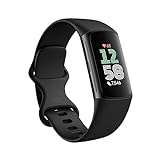
- Find your way seamlessly during runs or rides with turn-by-turn directions from Google Maps on Fitbit Charge 6[7, 8]; and when you need a snack break on the go, just tap to pay with Google Wallet[8, 9]
Before Whoop, my daily wear was typically a Garmin or Polar on the wrist, paired with occasional chest strap sessions. Those platforms excelled at activity tracking and performance metrics, but they treated recovery as a secondary dashboard rather than the organizing principle.
Why Whoop Specifically, Not Just Another Tracker
What drew me to Whoop wasn’t the hardware, which is intentionally minimal, but the philosophical bet it was making. Instead of asking how hard I trained, Whoop centered everything around how ready my body was to absorb that training, using HRV trends, sleep consistency, and resting metrics as the primary inputs.
The 4.0 hardware revision also addressed earlier hesitations I had with Whoop’s accuracy and comfort. The smaller sensor pod, softer edges, improved photodiodes, and expanded wear locations suggested the company was serious about 24/7 compliance rather than just workouts.
Battery life and charging design mattered more than I expected at the time. The external battery pack that slides over the band meant uninterrupted wear, which is critical when HRV and sleep consistency are the core value propositions.
Why I Was Willing to Commit to a Subscription
The subscription model was the biggest mental hurdle. Paying monthly for something that doesn’t function without an active plan forces you to believe the insights will continue to earn their place in your routine long after the first few weeks.
I justified the cost by framing Whoop less as a device and more as an ongoing coaching layer. If it could genuinely reduce overtraining, improve sleep regularity, and help me make better decisions on low-readiness days, it would offset its cost through consistency rather than performance gains alone.
I also wanted to see how software iteration played out over time. A two-year window allowed me to evaluate not just where Whoop started, but how responsive it was to user feedback, feature gaps, and evolving health science.
What I Expected Going In
I didn’t expect Whoop to replace a GPS sports watch for structured training or racing. My expectation was that it would live alongside other tools, quietly collecting cleaner baseline data and nudging my behavior in small but compounding ways.
Accuracy mattered, but trend reliability mattered more. I was less concerned with whether my HRV number was perfectly calibrated and more interested in whether changes in recovery scores aligned with how I felt, trained, and adapted over weeks and months.
Most importantly, I expected friction. Wearing a screenless band 24/7, trusting color-coded readiness scores, and letting an algorithm influence rest days all require a degree of surrender, and I wanted to see whether that tradeoff paid off once discipline turned into habit.
Living With a Screenless Wearable: Daily Wear, Comfort, and Habit Formation Over Time
Committing to a screenless wearable is less about what you see and more about what you stop checking. After the initial novelty faded, Whoop’s lack of a display fundamentally reshaped how it fit into my day, and that shift became the defining factor in whether it stuck long term.
What Screenless Actually Feels Like After the First Month
The first few weeks felt oddly incomplete. Years of glancing at a wrist for time, steps, or notifications had trained a reflex that Whoop simply didn’t satisfy.
By month two, that reflex disappeared. Whoop stopped competing for attention and instead became ambient, something I remembered only when I opened the app or felt the vibration cue for bedtime.
Over two years, that absence became its biggest strength. There’s no dopamine loop, no mid-meeting stat checks, and no temptation to turn training into a constant performance review.
Physical Comfort: Size, Weight, and Materials Over Long Wear
The Whoop 4.0 sensor pod is genuinely small, especially compared to watches with displays, measuring roughly the size of a thick USB thumb drive. At around 25 grams with the standard knit band, it’s one of the lightest wearables I’ve tested for continuous wear.
That low mass matters most during sleep. I’m a side sleeper, and unlike bulkier watches, Whoop never dug into my wrist or forced me to adjust position.
The fabric band deserves credit here. It’s soft, breathable, and stretches just enough to maintain consistent sensor contact without feeling constrictive during overnight swelling.
24/7 Wear Reality: Showering, Training, and Daily Life
Whoop’s expectation of true 24/7 wear sounds simple until you live it. Showering, desk work, typing, lifting, cooking, and sleeping all test whether a wearable earns its place.
In the shower, the band dries quickly but not instantly. Early on, I learned to loosen it slightly post-shower to avoid damp compression, which helped prevent skin irritation over time.
During training, especially barbell work or kettlebells, wrist placement can be awkward. Over the long term, rotating to a bicep band for strength sessions improved both comfort and heart rate consistency.
Skin Health and Irritation Over Months, Not Days
Skin irritation doesn’t show up in week one. It appears after months of friction, sweat, and imperfect hygiene routines.
I experienced mild redness during hot weather blocks when I wore the band too tight for too long. Regularly washing the band, switching wrists, and loosening it during sleep eliminated the issue entirely.
The sensor itself stayed smooth and never caused pressure sores. That’s not something I can say for every optical HR device I’ve worn overnight for extended periods.
Battery, Charging, and Habit Continuity
The slide-on battery pack sounds like a gimmick until you live with it. Being able to charge while wearing the device preserved data continuity in a way that plug-in chargers never have for me.
In practice, I charged every four to five days, usually during a morning routine. That rhythm became automatic and removed the mental overhead of planning charge windows around sleep or training.
Over two years, I missed fewer than a handful of nights due to a dead battery. For a recovery-first platform, that consistency is non-negotiable.
How the Lack of Notifications Changes Behavior
Whoop doesn’t buzz for messages, calls, or calendar alerts. Initially, that felt like a limitation.
Over time, it became a form of cognitive relief. My wrist stopped being an extension of my phone, and training sessions felt less fragmented.
The only haptic feedback that remained was intentional, mainly bedtime reminders or occasional alerts tied to recovery behaviors. Those cues felt purposeful rather than intrusive.
From Discipline to Habit: When It Stops Feeling Like a Device
The biggest shift happened somewhere around month four. Wearing Whoop stopped being a decision and became default behavior.
I no longer thought about putting it on or taking it off. It was just there, quietly collecting data while my attention stayed on training, work, or rest.
That’s the real test of a screenless wearable. If it demanded attention, it would have failed, but by disappearing into the background, it earned long-term compliance without friction.
Strain, Recovery, and Sleep After Two Years: What the Data Gets Right – and Where It Still Falls Short
Once Whoop fades into the background physically, the question becomes whether the data it surfaces actually earns a place in your decision-making. After two years of daily wear, I’ve stopped judging it on novelty and started judging it on whether its metrics still influence how I train, rest, and adjust.
The short answer is yes, but not uncritically. Strain, recovery, and sleep remain Whoop’s core strengths, yet they also expose the limits of algorithm-driven guidance when physiology, psychology, and real life collide.
Strain: Consistent, Comparable, and Sometimes Blind to Context
Whoop’s strain score is one of the most internally consistent workload metrics I’ve used across wearables. Because it’s driven primarily by cardiovascular load rather than steps or arbitrary activity points, it scales well from endurance training to mixed-modal sessions.
Long runs, tempo rides, interval work, and even hard rucks reliably landed in predictable strain ranges once my baseline was established. That consistency made week-to-week and block-to-block comparisons genuinely useful.
Where strain still struggles is in recognizing mechanical or neuromuscular stress. Heavy strength sessions, especially low-rep compound lifts, often register as modest strain despite leaving my legs trashed for days.
The device isn’t wrong from a heart-rate perspective, but the score can underrepresent fatigue that matters for recovery planning. Over time, I learned to mentally annotate strain with session type rather than treating the number as a complete load proxy.
That limitation hasn’t changed much in two years. Whoop’s strength trainer features improved labeling, but strain itself remains cardio-centric by design.
Recovery: Directionally Accurate, Not a Daily Commandment
Whoop’s recovery score is where long-term use reshapes how you interpret it. Early on, it’s tempting to treat green, yellow, and red as a permission system for training.
Two years in, I use it more as a directional signal than a rule. When recovery aligns with how I feel, it reinforces good decisions rather than dictating them.
The biggest value comes from spotting trends rather than reacting to single mornings. Consecutive yellow recoveries paired with suppressed HRV and elevated resting heart rate almost always corresponded with accumulating fatigue, poor sleep, or mounting stress.
Conversely, occasional red recoveries after hard blocks didn’t always mean training was off-limits. With sufficient experience, it became clear when low recovery reflected productive overload versus genuine overreaching.
Where recovery still falls short is psychological context. Travel anxiety, late work nights, or emotional stress can tank HRV without necessarily impairing physical readiness in the same way injury risk would.
Whoop surfaces the signal accurately, but it can’t interpret why the signal exists. That interpretation still rests with the user.
Rank #2

- Inspire 3 is the tracker that helps you find your energy, do what you love and feel your best. All you have to do is wear it.Operating temperature: 0° to 40°C
- Move more: Daily Readiness Score(1), Active Zone Minutes, all-day activity tracking and 24/7 heart rate, 20+ exercise modes, automatic exercise tracking and reminders to move
- Stress less: always-on wellness tracking, daily Stress Management Score, mindfulness sessions, relax breathing sessions, irregular heart rhythm notifications(2), SpO2(3), menstrual health tracking, resting heart rate and high/low heart rate notifications
- Sleep better: automatic sleep tracking, personalized Sleep Profile(1), daily detailed Sleep Score, smart wake vibrating alarm, sleep mode
- Comfortably connected day and night: calls, texts & smartphone app notifications(4), color touchscreen with customizable clock faces, super lightweight and water resistant to 50 meters, up to 10 day battery life(5)
HRV and Resting Heart Rate: Longitudinal Strength Over Instant Insight
Whoop’s real power with HRV only emerges after months, not weeks. Once my baseline stabilized, deviations became far more meaningful than absolute numbers.
Seasonal training cycles, altitude exposure, illness, and taper periods all showed up clearly in the data. That longitudinal clarity is something few wearables handle as cleanly.
Resting heart rate trends were similarly reliable. Subtle elevations often preceded feelings of fatigue by a day or two, which made them more useful for planning than for post-hoc explanation.
That said, day-to-day HRV noise still exists, especially during periods of disrupted sleep or alcohol intake. Two years in, I’ve learned to trust the rolling patterns and ignore the temptation to overreact to single dips.
Sleep Tracking: Strong Macro Accuracy, Weak on Nuance
Whoop’s sleep duration and consistency tracking remains excellent. Bedtime drift, sleep debt accumulation, and recovery impact from short nights were all reflected accurately over long stretches.
The sleep coach nudged me toward more consistent schedules, and over time that behavior change stuck. Even without checking the app, I became more aware of how late nights echoed into subsequent training days.
Sleep staging, however, still feels more illustrative than diagnostic. Deep and REM trends move in expected directions during heavy training or recovery weeks, but I wouldn’t base interventions on stage percentages alone.
Nighttime disturbances like brief awakenings or restlessness were sometimes underreported compared to my subjective experience. It’s good at the big picture, less convincing at fine-grained sleep quality.
Behavior Change: Where the System Actually Delivers
The real test after two years isn’t accuracy in isolation, but whether the data still shapes behavior. In that regard, Whoop succeeds more often than it fails.
I drink less alcohol, prioritize consistent bedtimes, and respect recovery weeks more than I did before wearing it. Those shifts didn’t happen because of fear of red scores, but because patterns became impossible to ignore.
The journal feature helped early on, though I use it less now. Once you internalize which behaviors reliably hurt recovery, logging becomes redundant.
What matters is that the feedback loop remains intact even after the novelty fades. Whoop still influences choices without demanding constant attention.
Where Expectations Still Need Calibration
Whoop excels at showing physiological response, not prescribing perfect action. It won’t tell you how sore is too sore, when motivation matters more than metrics, or how to balance ambition with intuition.
After two years, I trust it as a mirror, not a coach. It reflects patterns honestly, but the responsibility to act wisely on that information remains human.
If you expect certainty, you’ll eventually be frustrated. If you expect clarity over time, Whoop delivers more often than most wearables in its class.
Accuracy Over the Long Haul: Heart Rate, HRV, Sleep Staging, and Training Load Compared to Other Wearables
After two years, accuracy stops being about spot checks and starts being about consistency under fatigue, stress, travel, and changing routines. That’s where wearables quietly separate themselves, and where Whoop 4.0 has shown both real strengths and clear limitations compared to watches I’ve rotated alongside it.
I’ve worn Whoop concurrently with Garmin (Fenix and Forerunner lines), Apple Watch, Polar, and Oura for extended stretches. Not for lab-grade validation, but to see how trends, decisions, and long-term signals lined up in real life.
Heart Rate Accuracy: Strong at Rest, Context-Dependent Under Load
For resting heart rate and low-intensity activity, Whoop has been reliably consistent. Overnight RHR trends align closely with Garmin and Oura, often within one beat per minute when worn correctly.
During steady-state endurance work like zone 2 running or cycling, Whoop generally tracks well, especially when worn snugly on the bicep band rather than the wrist. The optical sensor struggles more on the wrist during arm swing or vibration, something Garmin and Polar partly mitigate with bulkier housings and tighter straps.
High-intensity intervals are where cracks still appear. Sudden spikes, sprints, or strength training can lag or smooth peaks compared to chest straps, and even Apple Watch tends to catch sharper transitions more quickly.
Over two years, I stopped expecting Whoop to be my primary real-time heart rate tool. It’s accurate enough for load accumulation and recovery context, but not something I’d trust for precise zone enforcement without a chest strap.
HRV: One of Whoop’s Strongest Long-Term Metrics
HRV is where Whoop has earned my trust the most, not for absolute values, but for trend stability. Nightly HRV baselines are remarkably consistent, and long-term shifts correlate strongly with training blocks, illness, accumulated stress, and poor sleep.
Compared to Garmin, Whoop feels less reactive day-to-day but more coherent over weeks. Garmin’s HRV Status can be useful, but it sometimes swings aggressively after a single poor night.
Oura and Whoop track closely, though Whoop’s emphasis on rolling baselines and recovery context makes interpretation easier without overthinking raw numbers. Apple Watch HRV, while improving, still feels fragmented due to irregular sampling.
If HRV is a primary reason you’re considering Whoop, it holds up exceptionally well over time, provided you respect that it’s a directional signal, not a readiness oracle.
Sleep Tracking and Staging: Reliable Patterns, Soft Edges
Total sleep time and sleep consistency are areas where Whoop performs well long-term. Bedtimes, wake times, and sleep debt trends line up closely with Oura and Apple Watch, and better than most Garmin models I’ve used.
Sleep staging is more nuanced. Over months, trends make sense: deep sleep dips during heavy training blocks, REM increases during recovery or reduced load. But night-to-night staging percentages can feel noisy.
Compared to Oura, Whoop slightly underreports awakenings and restlessness, especially during light sleep. Apple Watch tends to catch micro-awakenings more aggressively, sometimes to the point of being discouraging.
After two years, I use Whoop’s sleep staging as context, not diagnosis. It’s valuable for pattern recognition, but I wouldn’t adjust training based solely on a low REM night unless other signals agreed.
Training Load and Strain: Cohesive, Not Perfect
Whoop’s strain metric shines in its simplicity. It does a good job translating cardiovascular load into a single, understandable scale, especially for endurance athletes.
Compared to Garmin’s Training Load and Acute Load metrics, Whoop is less granular but more intuitive. Garmin offers deeper breakdowns, but they require more interpretation and trust in proprietary models.
Strength training remains a challenge. Whoop has improved strength tracking with the dedicated strength trainer, but heart-rate-based strain still struggles to reflect mechanical load, especially for low-rep, high-force sessions.
Over time, I learned how Whoop “thinks.” Once you understand its biases, strain becomes a useful comparative tool across weeks rather than a precise reflection of every session’s difficulty.
Long-Term Consistency vs Short-Term Precision
The key distinction after two years is that Whoop prioritizes longitudinal coherence over moment-to-moment precision. It’s less interested in perfect intervals and more focused on cumulative physiological response.
Garmin excels at training prescription and performance forecasting. Apple Watch shines in day-to-day versatility and raw sensor capability. Oura dominates passive recovery tracking.
Whoop’s strength is how these imperfect measurements converge into a stable narrative over time. The longer you wear it, the more accurate it feels in context, even if individual data points occasionally miss.
That tradeoff won’t suit everyone. But for understanding how your body responds across months rather than moments, Whoop’s accuracy holds up better than its critics often admit.
How Whoop Changed (and Sometimes Failed to Change) My Training Decisions
Living with Whoop for this long reshaped how I interpret readiness, but it didn’t replace my coaching instincts or training plan. Instead, it acted like a persistent second opinion that was sometimes insightful, sometimes conservative, and occasionally flat-out wrong.
The real impact wasn’t that it dictated my training. It was that it forced me to justify my decisions more clearly to myself.
When I Actually Let Recovery Scores Influence Training
In the first six months, I followed Whoop’s recovery guidance almost religiously. Green days meant harder sessions, yellow meant aerobic restraint, and red days pushed me toward mobility work or rest.
For endurance blocks, this approach worked surprisingly well. During marathon and long-course cycling phases, backing off on low-recovery days reduced the accumulation of non-functional fatigue, especially when work stress or poor sleep crept in unnoticed.
Over time, I stopped using recovery as permission to train hard and started using it as a reason to avoid digging holes. That shift alone probably prevented more burnout than any single metric.
Where Recovery Scores Became Too Conservative
The longer I trained with Whoop, the more I noticed a bias toward caution. Multi-day intensity blocks, altitude exposure, heat adaptation, or deliberate overreaching phases often triggered extended yellow or red streaks.
Physiologically, that wasn’t wrong. Subjectively and performance-wise, it sometimes was.
There were weeks where I felt robust, power numbers were stable, and technique was sharp, yet Whoop consistently advised restraint. In those moments, following it blindly would have compromised training intent.
Rank #3

- 【BUILT-IN GPS SMART WATCH – GO FURTHER, FREER, SMARTER】No phone? No problem. This fitness watch for women, featuring the latest 2025 technology, includes an advanced professional-grade GPS chip that precisely tracks every route, distance, pace (real-time & average), and calorie burned—completely phone-free. Whether you're chasing new personal records or exploring off the beaten path, your full journey is automatically mapped and synced in the app. Train smarter. Move with purpose. Own your progress. Own your journey.
- 【BLUETOOTH 5.3 CALLS & SMART NOTIFICATIONS】Stay effortlessly connected with this smart watch for men and women, featuring dual Bluetooth modes (BT 3.0 + BLE 5.3) and a premium microphone for crystal-clear calls right from your wrist—perfect for driving, workouts, or busy days. Receive instant alerts for calls, texts, and popular social apps like WhatsApp and Facebook. Just raise your wrist to view notifications and never miss an important moment.
- 【100+ SPORT MODES & IP68 WATERPROOF & DUSTPROOF】This sport watch is a versatile activity and fitness tracker with 100+ modes including running, cycling, yoga, and more. It features quick-access buttons and automatic running/cycling detection to start workouts instantly. Accurately track heart rate, calories, distance, pace, and more. Set daily goals on your fitness tracker watch and stay motivated with achievement badges. With IP68 waterproof and dustproof rating, it resists rain and sweat for any challenge. Not suitable for showering, swimming, or sauna.
- 【24/7 HEALTH ASSISTANT & SMART REMINDERS】This health watch continuously monitors heart rate, blood oxygen, and stress levels for comprehensive wellness tracking. Sleep monitoring includes deep, light, REM sleep, and naps to give you a full picture of your rest. Stay on track with smart reminders for sedentary breaks, hydration, medication, and hand washing. Women can also monitor menstrual health. Includes guided breathing exercises to help you relax. Your ultimate health watch with event reminders for a healthier life.
- 【ULTRA HD DISPLAY, LIGHTWEIGHT & CUSTOMIZABLE DIALS】This stylish wrist watch features a 1.27-inch (32mm) 360×360 ultra HD color display with a 1.69-inch (43mm) dial, offering vivid details and responsive touch. Its minimalist design fits both business and casual looks. Switch freely among built-in designer dials or create your own DIY watch face using photos, colors, and styles to showcase your unique personality. Perfect as a cool digital watch and fashion wrist watch.
Learning to Separate Fatigue From Unreadiness
One of the most important distinctions Whoop taught me was the difference between being tired and being unprepared. High strain with stable HRV and resting heart rate often meant accumulated fatigue, not systemic stress.
Once I recognized that pattern, I stopped cancelling quality sessions just because I felt flat. Instead, I adjusted warm-ups, reduced volume slightly, or focused on execution over output.
Ironically, Whoop became more useful once I stopped treating recovery as a yes-or-no gatekeeper and started treating it as context.
Strength Training: Useful Trends, Limited Prescription
Strength work is where Whoop influenced my decisions the least. Even with the improved strength trainer, strain still struggles to reflect neural fatigue, joint stress, or eccentric load.
Heavy squats, deadlifts, and low-rep Olympic lifts often registered as modest strain despite leaving me sore and neurologically taxed. Conversely, high-rep circuits could inflate strain without meaningful strength stimulus.
Over two years, I learned to use Whoop to track how lifting phases affected sleep and recovery trends, not to decide whether I should lift on a given day.
Behavioral Changes That Stuck
The most durable training changes Whoop drove weren’t about workouts at all. Alcohol reduction, consistent bedtimes, and respecting deload weeks became non-negotiable once I saw their direct impact on recovery metrics.
Seeing HRV suppressed for multiple days after poor sleep hygiene was more convincing than any article or coach reminder. The feedback loop was immediate, personal, and hard to rationalize away.
Those changes persisted even during periods when I trained without actively checking the app, which says more about Whoop’s long-term influence than any single score.
When I Ignored Whoop—and Was Glad I Did
There were races, key sessions, and training camps where Whoop advised caution and I trained anyway. In most of those cases, performance validated the decision.
Whoop doesn’t understand competitive context, psychological readiness, or the value of occasionally pushing through controlled fatigue. It also doesn’t account well for athletes with high training age and predictable recovery patterns.
Ignoring Whoop selectively, rather than reactively, became part of using it well.
The Net Effect After Two Years
Whoop didn’t make me train harder. It made me train more deliberately.
It reduced reckless intensity, reinforced recovery discipline, and highlighted stressors outside training that directly affected performance. At the same time, it never fully earned the authority to override experience, coaching input, or long-term programming.
Used as an advisor rather than a decision-maker, Whoop genuinely improved how I think about training load and recovery. Used as a rulebook, it would have held me back.
Battery Life, Charging, and Durability After 24 Months of Real-World Abuse
After two years of letting Whoop inform my training decisions, it had also earned the right to be judged on something far less glamorous: whether it could physically keep up with the life I asked it to live. Data quality and insights don’t matter much if the device becomes annoying, fragile, or unreliable over time.
This is where long-term ownership separates marketing claims from reality.
Battery Life: Gradual Decline, Still Functional
Out of the box, my Whoop 4.0 consistently delivered just under five days of battery life with continuous heart rate, sleep, and strain tracking enabled. That lined up with Whoop’s claims and felt generous compared to most screen-based wearables.
At the two-year mark, battery life has clearly degraded, but not catastrophically. I now average roughly three to three-and-a-half days per charge, occasionally dipping closer to three during heavy training blocks with multiple daily sessions.
The important part is consistency. The battery didn’t suddenly fall off a cliff; degradation was slow and predictable, which made adapting habits easy rather than frustrating.
The Slide-On Battery Pack: Still Whoop’s Secret Weapon
Whoop’s removable battery pack remains one of the most underrated design choices in wearables, especially long-term. Being able to charge without taking the strap off means uninterrupted data capture, which matters if you care about trends rather than isolated days.
Even after hundreds of charging cycles, my original battery pack still holds a usable charge. I did buy a second pack around month 18, not because the first failed, but because its capacity had noticeably declined and I wanted redundancy during travel.
Charging speed hasn’t changed meaningfully over time. A full charge still takes about 90 minutes, and a 20–30 minute top-up is enough to carry me through a full day and night.
Durability of the Sensor Module: Quietly Impressive
The Whoop 4.0 sensor itself has taken a level of abuse that would have destroyed most smartwatches I’ve owned. It’s been worn through pool sessions, open-water swims, heavy rain, sauna heat, and countless showers without a single failure.
The resin housing shows cosmetic wear, mostly fine scratches and some dulling around the edges, but nothing structural. The optical sensor window remains clear enough that I’ve seen no measurable degradation in heart rate or HRV signal quality.
Importantly, the sensor never loosened inside the strap mount. There’s no rattle, no connection instability, and no charging issues tied to wear over time.
Strap Longevity: The Weakest Link, by Design
If anything on Whoop is going to wear out, it’s the fabric strap, and that’s not a criticism so much as a reality of textile materials. Over two years, I went through three straps.
The first showed noticeable stretching and fraying around the adjustment points after about nine months of daily wear, especially during summer training with heavy sweat exposure. The second lasted slightly longer, likely because I rotated straps and washed them more frequently.
Whoop’s straps are comfortable, lightweight, and breathable, but they are consumables. If you’re budgeting for long-term ownership, occasional strap replacement should be assumed.
Comfort and Skin Contact Over Time
One concern I had early on was whether wearing a band 24/7 would eventually cause irritation or pressure issues. Over two years, that never materialized.
The low-profile sensor, lack of a screen, and even weight distribution meant I frequently forgot I was wearing it. I experienced occasional mild irritation during heatwaves or multi-day endurance events, but adjusting strap tightness and cleaning the sensor solved it every time.
Compared to watches with metal cases, rigid lugs, or heavier builds, Whoop remains one of the least intrusive wearables for continuous wear.
Water, Sweat, and Heat Resistance in Practice
Whoop’s water resistance is functionally unlimited for fitness use. Chlorinated pools, saltwater, and repeated submersion never caused connection issues or sensor dropouts.
Sauna use, often cited as risky for electronics, didn’t cause any noticeable long-term damage either. I regularly wore it through 80–90°C sessions, letting it cool naturally afterward, and saw no battery swelling or performance decline tied specifically to heat exposure.
Sweat ingress was also a non-issue, though rinsing the strap regularly proved essential to prevent odor and skin irritation.
Software Stability and Battery Management Over Time
One subtle factor in long-term battery experience is firmware efficiency, and Whoop has quietly improved here. Several updates over the past two years reduced idle drain and improved Bluetooth stability, especially during overnight syncing.
I’ve had very few instances of unexplained battery loss, and none that persisted beyond a single charge cycle. That’s more than I can say for many GPS watches that develop erratic drain patterns as they age.
Battery health isn’t directly reported in the app, which is a missed opportunity for transparency, but real-world behavior suggests reasonable long-term power management.
What Broke, What Didn’t, and What I’d Replace Again
After two years, nothing critical failed. The sensor still works, the battery pack still charges, and the data remains consistent enough to trust for trend analysis.
What I did replace were consumables: straps and eventually a spare battery pack. I never needed a sensor replacement, repair, or warranty claim.
That matters when evaluating Whoop’s subscription model. The hardware doesn’t feel disposable, and it hasn’t forced me into upgrades due to physical failure, which makes the ongoing cost easier to justify than it might appear on paper.
In daily life, that reliability is what allowed Whoop to stay in the background. I didn’t think about charging anxiety, water exposure, or fragility. I just wore it, trained, slept, and let the data accumulate, which is exactly what a long-term health wearable needs to do.
The Whoop App Evolution: Software Updates, New Metrics, and Whether Insights Improved With Time
Because the hardware faded into the background, the real long-term Whoop experience has lived inside the app. Over two years, the software changed more than the band on my wrist, and those changes mattered far more than any incremental sensor tweak.
What I cared about wasn’t feature count, but whether the insights matured as my data history grew. In that sense, Whoop’s app evolution has been uneven, but ultimately meaningful.
Early App Experience vs. Two Years In
When I first started using Whoop 4.0, the app felt narrow but focused. Recovery, strain, and sleep were presented cleanly, yet the insights often felt generic, especially during the first few months when baseline calibration dominated the narrative.
Rank #4

- 24H Accurate Heart Rate Monitoring: Go beyond basic tracking. Our watch automatically monitors your heart rate, blood oxygen (SpO2), and sleep patterns throughout the day and night. Gain deep insights into your body's trends and make informed decisions for a healthier lifestyle.
- Practical Sports Modes & Smart Activity Tracking: From running and swimming to yoga and hiking, track a wide range of activities with precision. It automatically records your steps, distance, calories burned, and duration, helping you analyze your performance and crush your fitness goals.
- 1-Week Battery Life & All-Day Wear: Say goodbye to daily charging. With an incredible up to 7-10 days of battery life on a single charge, you can wear it day and night for uninterrupted sleep tracking and worry-free travel. Stay connected to your data without the hassle.
- Comfortable to Wear & IP68 Waterproof: The lightweight, skin-friendly band is crafted for all-day comfort, even while you sleep. With IP68 waterproof, it withstands rain, sweat, It is not suitable for swimming or showering.
- Ease of Use and Personalized Insights via Powerful App: The display is bright and easy to read, even outdoors. Unlock the full potential of your watch. Sync with our dedicated app to view detailed health reports, customize watch faces, set sedentary reminders, and manage your preferences with ease.
Fast forward two years, and the app behaves very differently. Trends, not daily scores, now anchor the experience, and that shift only works because Whoop has accumulated enough historical data to contextualize anomalies.
This is where long-term use pays off. A low recovery score no longer triggers anxiety; it triggers pattern recognition.
Recovery, Strain, and the Slow Refinement of Core Metrics
The Recovery score itself hasn’t changed structurally, but the interpretation around it has improved. Whoop’s messaging moved away from rigid green-yellow-red thinking toward explaining why recovery is suppressed or elevated, particularly in relation to sleep consistency, alcohol, illness, and travel.
Strain guidance has also matured. Early on, daily strain targets felt optimistic and occasionally misaligned with how my body felt, especially during endurance blocks.
Over time, those targets became more conservative and realistic, particularly when stacked fatigue accumulated. That tells me Whoop’s modeling improved, not just its UI.
The Arrival of Health Monitor and Illness Detection
One of the most impactful additions was the Health Monitor dashboard. Resting heart rate, respiratory rate, SpO2, skin temperature deviation, and HRV finally lived together in a way that made sense.
More importantly, deviations were framed as signals rather than alarms. I’ve had multiple instances where elevated respiratory rate and suppressed HRV flagged an oncoming illness before symptoms appeared.
This isn’t magic, but over long-term use, it became reliable enough to influence training decisions. I backed off before getting sick more than once, and that alone justified Whoop’s passive monitoring approach.
Sleep Coaching Got Smarter, Not Just Louder
Sleep has always been Whoop’s strongest pillar, but the coaching evolved. Early recommendations leaned heavily on sleep duration, often pushing impractical bedtimes without nuance.
Later updates introduced consistency, sleep debt trends, and more realistic guidance around behavior change. The app became better at acknowledging real life rather than prescribing idealized routines.
After two years, I stopped chasing perfect sleep scores and started using sleep trends as guardrails. That’s a healthier relationship with data, and Whoop deserves credit for nudging users in that direction.
Strength Trainer: A Late but Meaningful Addition
Strength Trainer arrived late in my ownership, and initially felt bolted on. Manual exercise selection, rep counting, and set tracking were clunky compared to dedicated gym apps or Garmin’s newer strength profiles.
However, the value wasn’t in logging workouts. It was in how muscular load began influencing overall strain and recovery modeling.
For the first time, heavy lifting days registered appropriately taxing strain, instead of being undervalued compared to cardio. That closed a major gap in Whoop’s ecosystem, even if the interface still needs refinement.
Behavioral Insights and the Maturation of the Journal
The Journal feature quietly became one of the most useful parts of the app. Early correlations felt noisy and often statistically weak.
With two years of consistent entries, patterns became clearer. Alcohol, late meals, and inconsistent bedtimes showed repeatable impacts on recovery and HRV.
This is where Whoop rewards patience. The insights are only as good as your data discipline, but over time, they stopped feeling anecdotal and started feeling predictive.
What Still Feels Underdeveloped
Not every update landed well. Some new insights leaned too heavily on narrative explanations without giving advanced users access to raw context or confidence intervals.
I still want more transparency in how certain scores are weighted, especially when recommendations contradict subjective readiness. The app occasionally explains outcomes without fully justifying them.
Whoop also remains iOS-centric in polish, with Android lagging slightly in performance and feature rollout, something long-term users can’t ignore.
Did the App Actually Get Smarter?
After two years, the answer is yes, but not because of flashy updates. The app got smarter because it learned me, and because Whoop gradually improved how it interprets longitudinal data.
If you expect instant insight gratification, Whoop can feel underwhelming. If you commit long-term, the app evolves from a daily scorecard into a decision-support tool.
That transformation doesn’t happen in the first month or even the first quarter. It happens quietly, over seasons of training, illness, travel, and life, which is exactly where Whoop’s software finally earns its place.
The Subscription Question: Two Years of Paying Monthly – Value, Fatigue, and Opportunity Cost
Once the app started feeling genuinely adaptive, the subscription stopped being an abstract complaint and became a concrete question. Was the ongoing cost justified now that Whoop was delivering better insights, or was I paying out of habit?
Two years is long enough for novelty to disappear and for the recurring charge to feel real. This is where Whoop’s business model either makes sense to you—or quietly becomes the reason you leave.
What I Actually Paid Over Two Years
Over 24 months, I paid more for Whoop than I’ve paid outright for several full-featured fitness watches. Even on an annual plan discount, the total landed squarely in high-end smartwatch territory.
The difference is that at the end of those two years, I don’t own anything independent of the subscription. The hardware has no standalone value, no resale market, and no “good enough without paying” mode.
That framing matters more over time than it does at signup.
What the Subscription Genuinely Funds
To be fair, the subscription isn’t just unlocking features that already exist. Over two years, I saw meaningful backend changes: improved strength tracking, better recovery modeling, cleaner sleep detection, and a Journal that actually learned from long-term behavior.
Whoop’s value lives in longitudinal analysis. The subscription funds cloud processing, ongoing model refinement, and feature development that a one-time purchase wouldn’t realistically support.
When the system works, it feels closer to a service than a gadget. That’s the strongest argument Whoop has.
The Slow Creep of Subscription Fatigue
Even when I was happy with the data, I felt the psychological weight of paying every month. It’s subtle at first, then persistent.
Miss a few workouts, get sick, or take a low-training month, and the charge feels punitive. The device doesn’t stop working, but your sense of extracting value absolutely does.
That fatigue compounds over time, especially for users whose training isn’t consistent year-round.
Opportunity Cost: What Else Could That Money Buy?
This is where Whoop faces its hardest comparison. Over two years, the subscription cost overlaps with devices like a Garmin Forerunner, Fenix, or an Apple Watch Ultra.
Those alternatives offer robust training metrics, excellent sensors, onboard GPS, and full smartwatch utility without ongoing fees. They may not match Whoop’s recovery-first philosophy, but they cover far more use cases.
Choosing Whoop means intentionally giving up hardware versatility in exchange for depth in one domain: recovery and readiness.
Who the Subscription Makes Sense For
For athletes who train frequently, track sleep obsessively, and adjust behavior based on recovery metrics, the subscription can justify itself. I used the data to change alcohol intake, bedtime consistency, deload timing, and travel recovery strategies.
If you enjoy daily interpretation and long-term pattern spotting, Whoop becomes a coaching layer rather than a tracker. In that context, the monthly cost feels more like software than hardware rent.
But if you mostly want accurate activity tracking with occasional insights, it’s a tough sell.
The Lack of an Exit Ramp
What bothered me most after two years wasn’t the price itself, but the lack of flexibility. Pause options are limited, and once you stop paying, the device becomes inert.
There’s no legacy mode, no basic tracking without analysis, and no way to keep historical data visible without an active plan. That all-or-nothing structure raises the stakes of every renewal decision.
It turns a fitness tool into a long-term commitment, whether you intended that or not.
My Honest Two-Year Take
I kept paying because the data continued to influence my decisions. That’s the cleanest justification I can offer.
But I never stopped questioning it, and I don’t think that’s a flaw in my mindset. The subscription is Whoop’s biggest strength and its biggest risk, and after two years, you feel both sides of that equation very clearly.
💰 Best Value

- 【Superb Visual Experience & Effortless Operation】Diving into the latest 1.58'' ultra high resolution display technology, every interaction on the fitness watch is a visual delight with vibrant colors and crisp clarity. Its always on display clock makes the time conveniently visible. Experience convenience like never before with the intuitive full touch controls and the side button, switch between apps, and customize settings with seamless precision.
- 【Comprehensive 24/7 Health Monitoring】The fitness watches for women and men packs 24/7 heart rate, 24/7 blood pressure and blood oxygen monitors. You could check those real-time health metrics anytime, anywhere on your wrist and view the data record in the App. The heart rate monitor watch also tracks different sleep stages for light and deep sleep,and the time when you wake up, helps you to get a better understanding of your sleep quality.
- 【120+ exercise modes & All-Day Activity Tracking】There are more than 120 exercise modes available in the activity trackers and smartwatches, covering almost all daily sports activities you can imagine, gives you new ways to train and advanced metrics for more information about your workout performance. The all-day activity tracking feature monitors your steps, distance, and calories burned all the day, so you can see how much progress you've made towards your fitness goals.
- 【Messages & Incoming Calls Notification】With this smart watch fitness trackers for iPhone and android phones, you can receive notifications for incoming calls and read messages directly from your wrist without taking out your phone. Never miss a beat, stay in touch with loved ones, and stay informed of important updates wherever you are.
- 【Essential Assistant for Daily Life】The fitness watches for women and men provide you with more features including drinking water and sedentary reminder, women's menstrual period reminder, breath training, real-time weather display, remote camera shooting, music control,timer, stopwatch, finding phone, alarm clock, making it a considerate life assistant. With the GPS connectivity, you could get a map of your workout route in the app for outdoor activity by connecting to your phone GPS.
Whether it’s worth it depends less on your budget and more on how deeply you plan to integrate recovery data into your daily life.
Whoop vs Alternatives After Long-Term Use: Garmin, Apple Watch, Oura, and Why I Still Kept (or Didn’t Keep) Whoop
After about a year with Whoop, comparisons stopped being hypothetical. I’d already rotated through Garmin and Apple Watch cycles before Whoop, and during year two I deliberately wore alternatives again to pressure-test whether Whoop was still earning its place on my body.
That context matters, because on paper these devices overlap. In real life, they feel fundamentally different once the novelty wears off.
Whoop vs Garmin: Training Control vs Recovery Interpretation
Garmin is still the gold standard if your training revolves around structured workouts, pace targets, GPS accuracy, and performance progression. Devices like the Forerunner and Fenix give you granular control during sessions, not just reflections afterward.
Whoop, by contrast, never once helped me execute a workout better in the moment. There’s no screen, no pacing guidance, no interval alerts, and no post-run metrics like ground contact time or training effect that actually change how you train tomorrow.
Where Whoop pulled ahead was in explaining why some Garmin sessions felt harder than expected. Chronic strain accumulation, suppressed HRV, and poor sleep quality often lined up days before Garmin’s training readiness flags reacted.
After two years, I trusted Garmin to guide my training and Whoop to police my recovery. If I had to choose only one, Garmin wins for most athletes because it works even when you stop paying attention.
Whoop vs Apple Watch: Lifestyle Power vs Physiological Depth
The Apple Watch is a better device in almost every conventional sense. It’s a smartwatch, communication hub, safety device, and capable fitness tracker with excellent optical heart rate and improving sleep metrics.
But Apple’s health data still feels fragmented. Recovery insights exist, but they’re buried, optional, and not behaviorally enforced the way Whoop’s daily flow demands.
Whoop’s advantage is obsession by design. You wake up to recovery, you check strain accumulation, and you’re nudged toward earlier bedtimes whether you want to be or not.
After wearing both long term, the Apple Watch fit better into my life. Whoop demanded that my life adapt to it, which was both its strength and its weakness.
Whoop vs Oura Ring: Passive Insight vs Active Coaching
Oura came closest to replacing Whoop during year two. The ring is lighter, more discreet, easier to live with, and far less intrusive during sleep and daily movement.
For sleep staging, resting heart rate, and long-term HRV trends, Oura and Whoop told broadly similar stories. On a pure data accuracy level, I didn’t see a consistent winner.
The difference was behavioral. Oura is observational, while Whoop is prescriptive. Whoop pushed me to interpret and act every single day, whereas Oura let me check in when I felt like it.
If you want recovery awareness without lifestyle friction, Oura is easier to live with long term. If you want recovery to actively shape your decisions, Whoop stays louder.
Why I Kept Whoop Longer Than I Expected
I kept Whoop because it continued to change my behavior even after the honeymoon phase ended. Bedtime consistency, alcohol timing, travel recovery, and deload weeks were all measurably better in year two than year one.
The strap format also mattered more than I expected. Being able to wear it during contact sports, under sleeves, or 24/7 without screen fatigue kept data continuity high.
Battery performance stayed stable over two years, and the slide-on charger remained one of the best implementations in wearables. I never altered my routine to charge it, which kept compliance near perfect.
Why I Still Questioned It—and Eventually Took Breaks
Despite keeping it, I never stopped evaluating whether it was worth it. The lack of offline utility, historical lockout without subscription, and inability to scale usage down made every renewal feel heavier over time.
As my training knowledge improved, I relied less on daily readiness scores and more on subjective fatigue and performance markers. At that point, Whoop started confirming decisions rather than informing them.
I eventually paused not because Whoop failed, but because its role became redundant alongside Garmin and my own experience. That’s not a knock on the data—it’s a reflection of diminishing marginal returns.
The Real Question After Two Years
The question isn’t whether Whoop is better than Garmin, Apple Watch, or Oura. It’s whether you want a device that prioritizes recovery interpretation above everything else, and whether you’re willing to pay indefinitely for that focus.
Whoop excels when recovery data actively changes your behavior. When it stops doing that, its value drops faster than any screen-based wearable.
After two years, I didn’t regret wearing Whoop. But I also learned exactly when it deserves a place in your ecosystem—and when it doesn’t.
Final Verdict After Two Years: Who Should Commit to Whoop 4.0 – and Who Should Absolutely Skip It
After two years, the value of Whoop 4.0 became very clear to me—not as a gadget, but as a system. It either meaningfully shapes how you live and train, or it quietly becomes an expensive background app you stop checking.
This isn’t a fence-sitting verdict. Whoop is exceptional for a narrow type of user, and a poor long-term choice for everyone else.
Who Should Commit to Whoop 4.0
You should commit to Whoop if recovery data genuinely drives your decisions. If sleep timing, alcohol intake, travel, stress, and training load are variables you actively manage, Whoop’s strain and recovery model still feels best-in-class over time.
It’s especially strong for endurance athletes, hybrid athletes, and high-volume trainers who already understand programming but want guardrails against overreaching. In those cases, the daily recovery signal doesn’t replace coaching—it reinforces discipline when fatigue lies to you.
Whoop also makes sense if you value 24/7 wear above all else. The lightweight strap, lack of screen, and flexible placement kept my data continuity higher than any watch I’ve worn, including Garmin and Apple Watch.
If you dislike screens, notifications, or the temptation to constantly “check” your wrist, Whoop’s screenless design is a feature, not a limitation. Two years in, that mental quiet still felt refreshing.
Finally, Whoop is worth it if you’re comfortable paying for software, not hardware. You’re subscribing to interpretation, long-term trends, and behavioral feedback—not sensors alone.
Who Should Absolutely Skip It
You should skip Whoop if you want flexibility or ownership. The subscription lock-in, historical data loss when paused, and inability to downgrade usage make it unforgiving compared to nearly every competitor.
If you’re already experienced at autoregulating training through RPE, performance metrics, and subjective fatigue, Whoop’s readiness score will quickly become confirmatory rather than instructive. When that happens, the monthly cost feels much heavier.
Screen-dependent users should also look elsewhere. If you want GPS maps, structured workouts, pace alerts, or real-time performance feedback, a Garmin or Apple Watch will simply do more with less friction.
Casual users often overestimate Whoop’s value. If your training is inconsistent, sleep is irregular by necessity, or lifestyle changes aren’t realistically actionable, the data can feel judgmental rather than helpful.
And if subscription fatigue already bothers you, Whoop will not age well in your ecosystem. After two years, that recurring cost is impossible to ignore.
Where Whoop 4.0 Still Stands After Two Years
From a hardware standpoint, Whoop 4.0 held up impressively. Battery life stayed consistent, the materials aged well, and the slide-on charger remained one of the most user-friendly designs in wearables.
Software evolved slowly but meaningfully. Insights became clearer, journaling correlations improved, and recovery explanations felt more actionable than they did in year one.
Accuracy was never the issue. Heart rate, HRV trends, and sleep staging were directionally reliable long-term, which matters far more than day-to-day perfection.
The real limiter was not performance—it was relevance. As my own training intuition sharpened, Whoop’s marginal utility narrowed.
What I’d Do Today If I Were Starting Fresh
If recovery education is still a gap for you, I’d recommend Whoop without hesitation—for at least six to twelve months. That period alone can permanently improve sleep hygiene, load management, and stress awareness.
If you already own a capable smartwatch and primarily want deeper health context, I’d think carefully. Whoop works best as a primary lens, not a redundant one.
Personally, I don’t regret two years with Whoop. It shaped habits that stuck even after I took breaks.
The Bottom Line
Whoop 4.0 is not a universal wearable—it’s a specialized instrument. When recovery insight actively changes how you live, it’s one of the most powerful tools available.
When it stops influencing decisions, its value drops faster than almost any screen-based tracker. After two years, I learned exactly where that line is—and that clarity alone made the experience worth it.