Smart rings have quietly shifted from curiosity to credible daily health tools, especially for people who want meaningful biometric insight without another screen on their wrist. If you’ve lived with an Oura Ring, experimented with Ultrahuman, or are watching Samsung’s Galaxy Ring push the category mainstream, you already know the appeal and the frustrations: excellent sleep data, improving recovery metrics, but uneven fitness tracking and wildly different software philosophies. That’s the landscape Luna Ring Gen 2 is entering, and expectations are no longer forgiving.
Luna’s first-generation ring arrived at a time when smart rings were still proving their relevance, but it also revealed the growing pains of a young platform. Battery life claims didn’t always align with real-world use, health insights felt surface-level compared to category leaders, and the app leaned more toward promise than polish. Gen 2 isn’t being judged as an experiment; it’s being judged as a contender, and that distinction matters.
What follows in this review is a clear-eyed look at whether Luna Ring Gen 2 meaningfully closes the gap with established players, or simply refines the edges. Design, comfort, sensor reliability, app intelligence, battery endurance, and long-term usability all matter here, because smart ring buyers tend to live with their devices far longer than smartwatch upgraders.
A smart ring market that’s finally maturing
The smart ring category in 2026 is defined by specialization rather than novelty. Oura has doubled down on sleep, readiness, and long-term health trend analysis, while Ultrahuman has leaned aggressively into metabolic health, recovery, and athlete-adjacent features. Samsung’s Galaxy Ring brings ecosystem leverage, polished hardware, and mainstream visibility, but also reinforces how tightly software quality and data interpretation define the experience.
🏆 #1 Best Overall

- Two-Way Audio: Communicate easily with visitors or pets through built-in speakers and microphone.
- Motion Detection: Receive instant alerts when movement is detected, enhancing security.
- Night Vision: Captures clear video in low-light environments, ensuring visibility after dark.
- Cloud Storage: Safely stores recordings online, providing easy access and backup options.
- IP65 Weather Resistant: Designed to endure harsh weather conditions, ensuring durability for outdoor use.
Against this backdrop, Luna Ring Gen 2 isn’t competing on brand recognition alone. It’s competing on whether its sensors can deliver consistent heart rate variability, skin temperature trends, blood oxygen estimates, and sleep staging that users can trust night after night. In this market, “good enough” data is no longer good enough, especially for health-focused users making behavior changes based on these numbers.
What Gen 2 needs to prove after Gen 1
For existing Luna users, Gen 2 carries a quiet but significant burden. Improvements need to be tangible in daily wear: more stable Bluetooth syncing, fewer dropped nights of data, and battery life that doesn’t demand lifestyle adjustments. Comfort also matters more than ever, because smart rings are now expected to disappear on the finger during sleep, workouts, showers, and workdays.
There’s also a software expectation shift. Gen 2 launches into a world where users expect actionable insights, not just charts. Recovery scores need context, sleep recommendations need personalization, and readiness metrics need to reflect real strain, not just averages pulled from population data.
Positioning between premium and accessible
Luna Ring Gen 2 sits in a strategic middle ground. It’s not priced or positioned as a luxury object like some titanium-forward competitors, but it’s also not a budget experiment. Materials, finish quality, and durability all need to reflect something you’ll wear continuously for years, not months, especially when exposed to gym equipment, desk edges, and daily hand washing.
Compatibility and ecosystem flexibility also shape expectations here. Luna isn’t anchored to a single smartphone brand the way Samsung is, which should theoretically make it attractive to both iOS and Android users looking for platform neutrality. The question is whether the app experience feels equally native and equally reliable across both.
All of this frames how Luna Ring Gen 2 should be judged. Not as a first impression device, but as a long-term health companion competing in a category that’s finally learned what users will and won’t tolerate. The rest of this review examines whether Luna has truly stepped into that reality, or whether Gen 2 still feels like a work in progress wearing a more confident shell.
Design, Materials, and Sizing: Subtle Refinement or Meaningful Redesign?
After framing Gen 2 as a long-term companion rather than a novelty, the physical experience becomes the first real test. A smart ring lives or dies by whether it fades into the background, especially during sleep and all-day wear. Luna’s Gen 2 approach is less about visual reinvention and more about correcting the friction points Gen 1 users quietly complained about.
Overall design language: Familiar, but more deliberate
At a glance, Luna Ring Gen 2 doesn’t announce itself as new. The silhouette remains understated and intentionally neutral, avoiding the angular or aggressively technical styling seen on some competitors. That restraint works in its favor, especially for users who want biometric tracking without broadcasting that they’re wearing a gadget.
The outer profile feels slightly more balanced than Gen 1. Edges are softened just enough to reduce pressure points, while still keeping a clean, modern outline that doesn’t drift into jewelry-first territory. It’s a refinement that becomes noticeable only after days of wear, which is exactly the point.
Materials and finish: Practical durability over luxury flair
Luna continues to prioritize durability rather than visual drama. The Gen 2 ring uses a hardened metal exterior with a matte finish that resists fingerprints and minor scuffs better than the shinier coatings used on some early smart rings. It doesn’t feel luxurious in the traditional watch-world sense, but it does feel purpose-built.
After several weeks of daily wear, including gym sessions, desk work, and frequent hand washing, surface wear remains minimal. Micro-scratches are still possible, especially if you’re careless around free weights or stone countertops, but the finish hides them well. This is a ring designed to age quietly, not gracefully in a patina-driven way.
Thickness and weight: Small changes, real comfort gains
On paper, Gen 2 doesn’t look dramatically thinner than Gen 1. In practice, the internal reshaping makes a noticeable difference in how the ring distributes pressure across the finger. It feels less top-heavy, which reduces the subtle twisting that can interfere with sensor alignment during sleep.
Weight is well judged for a device meant to be worn 24/7. It’s light enough to forget about during typing and workouts, yet substantial enough to avoid the hollow, plastic-like feel that plagues cheaper rings. Compared to heavier titanium competitors, Luna Gen 2 sits in a comfortable middle ground.
Inner lining and skin contact: Where Gen 2 quietly improves most
The inner surface is where Luna made its most meaningful design progress. The hypoallergenic resin lining feels smoother and less temperature-sensitive than before, reducing that cold-metal shock when putting the ring on at night. It also seems less prone to trapping moisture, which matters more than you’d think during sleep and workouts.
Extended wear revealed fewer instances of redness or pressure marks compared to Gen 1. This won’t matter to everyone, but users with sensitive skin or fluctuating finger size will appreciate the improvement. It’s a subtle upgrade that directly supports more reliable overnight data.
Sizing accuracy and fit consistency
Sizing remains one of the most critical aspects of any smart ring, and Luna sticks with a physical sizing kit approach. This is still the right call, especially since smart rings require a snug fit for accurate heart rate and temperature readings. Gen 2 appears slightly more forgiving in fit than Gen 1, particularly for users whose fingers swell overnight.
That said, Luna rings still run closer to true ring sizing than some competitors that skew small. If you’re between sizes, the safer choice is usually the larger option, especially if you plan to wear it primarily during sleep. The improved inner contour helps compensate, but it doesn’t eliminate the need to size carefully.
Water resistance and daily abuse readiness
Luna Ring Gen 2 is clearly designed to stay on your finger through showers, workouts, and routine hand washing. Water resistance is sufficient for everyday exposure, and the sealing around the sensor window feels more robust than Gen 1. There were no issues with moisture intrusion or data dropouts tied to water use during testing.
This isn’t a ring you need to baby, but it’s also not indestructible. Luna’s design philosophy leans toward realistic durability rather than extreme ruggedization. For most users, that balance makes sense, especially given the comfort trade-offs heavier builds introduce.
Design identity in a crowded smart ring market
What Gen 2 ultimately delivers is confidence rather than flash. Luna isn’t chasing the ultra-premium jewelry aesthetic of higher-priced titanium rings, nor is it trying to undercut the market with aggressive minimalism. Instead, it positions itself as something you can wear everywhere without thinking about it.
For users upgrading from Gen 1, the changes may feel incremental at first. Over time, though, the improvements in comfort, fit stability, and surface durability reinforce Luna’s intent to be worn continuously. In a category where physical friction directly undermines data quality, those refinements matter more than a dramatic redesign ever could.
Comfort and 24/7 Wearability: Living With the Luna Ring Gen 2 Long-Term
If Gen 2’s design philosophy can be summed up in one idea, it’s friction reduction. Everything Luna has tweaked here points toward making the ring easier to forget you’re wearing, which is ultimately the most important metric for any health-focused wearable intended to run 24/7. Over several weeks of continuous use, those small refinements compound in ways that are immediately noticeable compared to Gen 1 and even some established rivals.
Day-to-day comfort across different activities
At roughly the same external dimensions as its predecessor, Luna Ring Gen 2 doesn’t look dramatically slimmer on paper, but it feels less intrusive in daily motion. The softened outer edges and subtly reworked inner profile reduce pressure points during repetitive hand movements like typing, gripping a steering wheel, or carrying weights. It’s the kind of change you only appreciate after hours, not minutes.
During desk-heavy workdays, the ring rarely created hotspots at the base of the finger, something early smart rings often struggle with. Compared to the Oura Ring Gen 3, Luna feels marginally thicker but distributes pressure more evenly, especially on the palm-facing side. That trade-off favors long sessions over aesthetic minimalism.
Workouts introduce a different stress test. Whether lifting, rowing, or using resistance bands, the ring stayed stable without digging into adjacent fingers. It’s still advisable to remove any smart ring for heavy barbell work, but for most gym routines, Luna Gen 2 proved less distracting than expected.
Sleep comfort and overnight stability
Sleep is where smart rings earn their keep, and it’s also where poor ergonomics quickly become deal-breakers. Luna Ring Gen 2 performs strongly here, largely thanks to its improved tolerance for overnight finger swelling. Even on warmer nights or after late meals, the ring never felt constrictive or prompted removal mid-sleep.
Side sleepers in particular should appreciate the smoother sensor dome and lack of sharp transitions on the inner band. There’s minimal pressure when the hand is tucked under a pillow, and the ring doesn’t rotate excessively overnight. That stability directly benefits sleep-stage and heart rate consistency, which showed fewer gaps than what I experienced with Gen 1.
Importantly, Luna doesn’t chase the ultra-thin profile that some competitors prioritize for sleep. Instead, it focuses on predictability. Once you find your size, the ring behaves the same night after night, which matters far more for longitudinal health tracking than shaving off fractions of a millimeter.
Heat, skin response, and long-term wear
Extended wear raises questions about skin health, especially for users planning to keep the ring on through workouts, sleep, and full workdays. Over the course of testing, Luna Ring Gen 2 showed no tendency to trap heat excessively or cause irritation, even during humid conditions. The inner surface remains relatively neutral against the skin, avoiding the clammy feel some resin-coated rings develop.
There were no visible pressure marks beyond mild, temporary impressions typical of any snug-fitting ring. Users with sensitive skin should still remove it periodically for cleaning and drying, but Luna doesn’t demand frequent breaks. In that sense, it behaves more like a traditional band than a piece of electronics.
Compared to Ultrahuman Ring Air, which is lighter but more prone to rotation during sweaty sessions, Luna prioritizes consistent contact over featherweight feel. That decision favors data reliability, even if it means you’re more aware of the ring during extreme heat or prolonged activity.
Battery life and charging interruptions
Comfort isn’t just physical; it’s also about how often the device asks for attention. Luna Ring Gen 2’s battery life lands in a realistic middle ground, typically delivering four to five days with continuous tracking enabled. That cadence feels manageable and aligns well with modern smart ring expectations.
Charging sessions are short enough that they rarely disrupt routine. A brief top-up during a shower or while working at a desk is usually sufficient to avoid overnight gaps. Crucially, the ring doesn’t become uncomfortably warm during charging, a small but meaningful detail when you’re handling it frequently.
The charging experience is less elegant than Samsung’s Galaxy Ring, but functionally solid. Over time, the predictable rhythm of charging becomes part of the background rather than a recurring annoyance.
Living with it rather than thinking about it
What stands out most after long-term use is how quickly Luna Ring Gen 2 fades into daily life. It doesn’t demand adjustments to habits, wardrobes, or sleep positions. That invisibility is intentional and, for the target audience, far more valuable than visual flair or spec-sheet bravado.
There are still moments when you’re aware of its presence, particularly during manual labor or extreme temperature shifts. But those moments are brief and rarely disruptive. For a device designed to collect health data continuously, Luna succeeds by staying out of the way.
In a category where even minor discomfort can erode compliance over time, Luna Ring Gen 2 demonstrates a mature understanding of real-world wear. It may not be the lightest or thinnest smart ring available, but it’s one of the easiest to live with day in and day out.
Rank #2

- 【2K Resolution】Details matter. Equipped with 2K resolution, see beyond traditional 1080p resolution with finer details and incredible clarity. Easily identify faces capturing every detail even when zooming in, showing you everything you need to see at your entrance. Connects via 2.4GHz Wi-Fi Band
- 【160° Diagonal FOV, Head-to-toe view】See the full picture with a 160° ultra-wide head-to-toe field of view. See items that traditional video doorbells may miss ensuring comprehensive coverage of your entryway.
- 【Ring Call – Never Miss a Visitor】Receive a phone call to answer your door without opening up the Tapo app. Quickly answer visitors with once-click convenience. Stay connected, stay informed, and never miss a visitor again. (Calls are generated via app and will not use cellular minutes)
- 【Prioritize What Matters】Eliminate unnecessary notifications by defining activity zones specifically monitoring for motion or people. Receive real-time alerts for true security concerns with 𝗙𝗿𝗲𝗲 𝗣𝗲𝗿𝘀𝗼𝗻 𝗗𝗲𝘁𝗲𝗰𝘁𝗶𝗼𝗻, eliminating false detection from other objects.
- 【Secure Storage No Subscription Required】Save recorded footage on a microSD card (up to 512GB, not included) or subscribe to Tapo Care for cloud storage which saves 30-days of video history. Your privacy is our priority when it comes to storing and transmitting sensitive information such as your camera videos and identity information. To ensure robust data security, Tapo implements AES 128-bit encryption and TLS 1.2 encryption protocols. (𝗥𝗲𝗰𝗼𝗺𝗺𝗲𝗻𝗱𝗲𝗱: 𝗖𝗹𝗮𝘀𝘀 𝟭𝟬, 𝗨𝗛𝟭, 𝗲𝗻𝗱𝘂𝗿𝗮𝗻𝗰𝗲 𝗺𝗶𝗰𝗿𝗼𝗦𝗗 𝗰𝗮𝗿𝗱𝘀 𝗼𝗿 𝗵𝗶𝗴𝗵𝗲𝗿)
Health and Biometric Tracking: Sensors, Metrics, and Real-World Accuracy
That day-to-day invisibility sets the stage for what ultimately matters with a smart ring: whether the data it quietly collects is trustworthy. Luna Ring Gen 2 leans heavily into continuous, passive health tracking, prioritizing consistency over flashy, one-off metrics. The result is a platform that feels more clinically minded than lifestyle-oriented, for better and sometimes for worse.
Sensor array and hardware fundamentals
Luna Ring Gen 2 uses a familiar but well-executed sensor stack, built around multi-wavelength PPG LEDs for heart rate and blood oxygen, a skin temperature sensor, and a 3-axis accelerometer. There’s no ECG hardware here, which immediately differentiates it from devices like Samsung’s Galaxy Ring and positions Luna more squarely against Oura and Ultrahuman.
The inner surface is densely packed but evenly contoured, allowing the sensors to maintain consistent skin contact without aggressive pressure. This physical stability is a recurring theme, and it directly influences the ring’s strongest area: overnight and resting-state data.
Heart rate and HRV reliability
Resting heart rate tracking is where Luna Ring Gen 2 performs most confidently. Across several weeks of wear, nightly averages closely mirrored data from an Apple Watch Series 9 and a Polar chest strap during sleep, with deviations typically within two to three beats per minute.
Heart rate variability trends are similarly consistent, particularly when viewed as rolling baselines rather than absolute values. Luna’s HRV readings tend to run slightly lower than Oura’s, but the directional changes, which matter more for recovery insights, align well after an initial calibration period.
During high-movement activities, accuracy predictably softens. The ring is not designed to replace a dedicated fitness tracker during interval training, and Luna doesn’t pretend otherwise in its data presentation.
Blood oxygen and respiratory metrics
SpO2 tracking is limited to sleep and extended rest periods, which is a sensible constraint given the form factor. Nightly averages generally fall in line with fingertip pulse oximeter readings, though brief dips appear more frequently than on wrist-based devices.
Respiratory rate is derived rather than directly measured, using a combination of heart rate variability and motion data. While not medical-grade, it’s stable enough to identify deviations tied to illness, poor sleep, or alcohol consumption, provided you view it over multiple nights rather than reacting to a single reading.
Skin temperature and cycle-aware insights
Skin temperature tracking is one of Luna Ring Gen 2’s quieter strengths. The ring focuses on nightly deviations from baseline rather than absolute values, which makes the data more actionable and less misleading.
For menstruating users, temperature trends integrate into cycle tracking with a level of nuance that feels mature rather than experimental. It’s not a replacement for dedicated fertility wearables, but it’s reliable enough to support cycle awareness and early illness detection when used consistently.
Sleep staging and overnight fidelity
Sleep tracking is clearly Luna’s core competency. Sleep onset, wake times, and total duration are consistently accurate when cross-referenced with Oura Ring Gen 3 and an Apple Watch running native sleep tracking.
Sleep stage breakdowns are believable without being overly granular. Luna avoids the temptation to over-interpret micro-awakenings, resulting in sleep reports that feel calmer and more reflective of how rested you actually feel the next day.
Activity tracking and movement context
Activity tracking on Luna Ring Gen 2 is deliberately understated. Step counts and daily movement metrics are accurate enough for general activity awareness but lack the motivational polish of smartwatch ecosystems.
Automatic activity detection works reliably for walking and running but struggles with strength training and cycling. This is less a flaw than an acknowledgment of the ring’s role as a health monitor first and a fitness tracker second.
Data interpretation and long-term usefulness
Where Luna distinguishes itself is in how it contextualizes data over time. Trends are emphasized over daily scores, and the app gently nudges users toward behavioral patterns rather than chasing numeric perfection.
That approach won’t satisfy users who want aggressive coaching or workout analytics. It will resonate strongly with those who care more about recovery, sleep quality, and early signals of strain than closing rings or hitting step targets.
Accuracy versus ambition
Luna Ring Gen 2 doesn’t attempt to lead the category in raw feature count. Instead, it refines a narrower set of metrics and delivers them with a level of consistency that rewards long-term wear.
Compared to its predecessor, data dropouts are rarer, overnight readings are more stable, and baseline calibration settles faster. It still falls short of medical-grade precision, but within the consumer smart ring space, its accuracy is credible, predictable, and, most importantly, useful when viewed as part of a longer health narrative.
Sleep, Recovery, and Readiness Insights: How Actionable Is the Data?
With baseline accuracy and trend reliability established, the real test for Luna Ring Gen 2 is whether its sleep and recovery data actually changes behavior. Numbers alone don’t move the needle unless they arrive with context, restraint, and timing that fits into daily life.
This is where Luna’s philosophy becomes clearer. Rather than overwhelming you with charts, the app focuses on a small set of interrelated signals and asks a simple question each morning: how prepared are you for today, and why?
Sleep insights that prioritize cause over spectacle
Sleep reporting on Luna Ring Gen 2 centers on duration, efficiency, resting heart rate, overnight HRV, and temperature deviation. You still get stage breakdowns and wake events, but they’re intentionally de-emphasized in favor of patterns that persist across multiple nights.
In practice, this feels closer to how sleep specialists talk about rest. A single restless night doesn’t tank your overall sleep narrative, and minor disruptions aren’t framed as failures that demand correction.
Compared to Oura, Luna is less visually dramatic but arguably more emotionally accurate. You’re less likely to wake up feeling fine while being told the data says you shouldn’t.
Recovery metrics that behave consistently over time
Recovery on Luna is built primarily from overnight HRV trends, resting heart rate deviations, sleep consistency, and recent strain. Temperature changes feed in quietly, acting as early warning signals rather than headline metrics.
What stands out is how stable these recovery markers are once the ring has calibrated. After roughly 10 to 14 nights, day-to-day volatility settles, making changes feel meaningful instead of reactive.
This steadiness is an improvement over Gen 1, which could swing recovery status too sharply after isolated poor nights. Gen 2 is more conservative, and that restraint makes its recovery guidance easier to trust.
Readiness scores that respect context
Luna’s Readiness score is a composite, but the app is transparent about what moved it. Instead of a single opaque number, you see contributing factors explained in plain language, with comparisons to your own baseline rather than population averages.
If your readiness dips, Luna usually points to a specific driver like elevated resting heart rate or shortened sleep window. Importantly, it doesn’t immediately recommend rest unless multiple signals align.
This contrasts with some competitors that default to caution. Luna assumes you know your body and treats readiness as advisory, not prescriptive.
Actionability without aggressive coaching
Recommendations on Luna are understated by design. You’ll see suggestions like prioritizing earlier sleep, reducing late caffeine, or keeping training intensity moderate, but you won’t get daily workout plans or rigid recovery rules.
For users accustomed to Garmin-style coaching or Samsung’s more directive health nudges, this can feel hands-off. For others, especially those already juggling multiple health inputs, it’s refreshingly calm.
The ring excels at helping you recognize patterns rather than forcing interventions. Over several weeks, it becomes easier to anticipate low-readiness mornings before the score even loads.
How it compares to leading smart rings
Against Oura Ring Gen 3, Luna Ring Gen 2 feels less polished visually but more grounded emotionally. Oura offers deeper historical analysis and more lifestyle tags, but Luna’s readiness logic is often easier to interpret day to day.
Compared to Ultrahuman Ring Air, Luna is less performance-driven. Ultrahuman’s metabolic and training-focused insights cater to athletes, while Luna leans toward recovery-first users who value sustainability over optimization.
Samsung Galaxy Ring, by contrast, integrates tightly with the broader Samsung Health ecosystem but still struggles with nuance in readiness interpretation. Luna’s smaller scope allows it to be more precise about what it tracks and why.
Long-term clarity versus daily validation
The real value of Luna’s sleep and recovery system shows up after a month or more. Trends become legible, correlations emerge, and the noise recedes into the background.
You begin to notice how late meals affect HRV, how consecutive short nights compound strain, and how consistent bedtimes quietly lift readiness without any explicit goal setting.
Rank #3

- AI-Powered Smart Detection: Advanced AI technology accurately identifies people while filtering out vehicles and animals, so you only get the alerts that matter most.
- Secure Cloud Storage: Protect your recordings with AES-128 encrypted cloud storage.
- Pre-Capture Recording: Cloud subscribers benefit from pre-capture functionality, ensuring the camera starts recording right at the moment motion begins — never miss a thing.
- Reliable 2.4GHz Wi-Fi Connection: Optimized for 2.4GHz networks to deliver stable, uninterrupted performance. (Not compatible with 5GHz Wi-Fi.)
- Exceptional Night Vision: Equipped with four powerful infrared LEDs and an advanced image sensor, providing sharp, detailed footage even in total darkness.
This long-view approach won’t satisfy users chasing daily affirmation or gamified health wins. It will appeal strongly to those who want a steady mirror held up to their habits without judgment.
Where the insights still fall short
Luna Ring Gen 2 still lacks deeper contextual tagging. You can log notes, but the system doesn’t yet learn aggressively from behaviors like alcohol intake, travel, or illness in the way Oura does.
There’s also limited cross-metric exploration. You see correlations implied, but not deeply visualized, which may frustrate data-hungry users who want to explore causality on their own terms.
These are software limitations rather than hardware ones, and they’re solvable. For now, Luna’s insights are actionable, but only if you’re willing to meet the ring at its level of subtlety rather than expecting it to shout instructions.
Activity and Fitness Tracking: Strengths, Gaps, and Competitive Comparisons
If Luna’s recovery and sleep philosophy feels intentionally restrained, its approach to activity tracking follows the same logic. This is not a ring trying to replace a sports watch or outgun a chest strap, but one designed to contextualize movement rather than glorify it.
That framing matters, because most frustrations with Luna’s fitness features come from expecting it to behave like something it explicitly is not.
Automatic activity detection and daily movement
Luna Ring Gen 2 relies almost entirely on passive tracking. Steps, active time, and general movement intensity are logged continuously, with no need to start or stop workouts manually.
In daily use, step counts track closely with Apple Watch and Galaxy Watch readings, typically within a 5 to 8 percent margin over full days. Short bursts of indoor movement, like household chores, are captured more consistently than on Gen 1, which often undercounted fragmented activity.
What Luna still doesn’t do is label activities with confidence. Walks, light runs, and general movement are grouped broadly, which keeps the data clean but limits specificity.
Workout tracking: intentionally limited
There is no native workout mode selection on Luna Ring Gen 2. You won’t find guided runs, strength sessions, GPS mapping, or lap metrics here.
Heart rate sampling increases during periods of elevated motion, but it does not lock into the higher-frequency tracking you’d see on Ultrahuman Ring Air or a smartwatch. For steady-state cardio like brisk walking or casual cycling, the data is directionally useful rather than precise.
This makes Luna unsuitable for users who want post-workout breakdowns or training load analytics. It is better understood as a ring that notices you exercised, not one that evaluates how well you trained.
Energy expenditure and calorie estimates
Luna’s calorie burn estimates skew conservative. Compared to Apple Watch and Whoop strap baselines, Luna regularly reports lower active calorie totals, especially on high-movement days.
This is partly due to its restrained heart rate interpretation and lack of exercise-specific modeling. While this may frustrate users chasing numbers, it does align with Luna’s broader avoidance of inflated effort metrics.
Over multi-week periods, the consistency of the estimates matters more than the absolute values. Trends remain readable, even if the numbers themselves feel modest.
Recovery-first scoring versus performance scoring
Where Luna differentiates itself is how activity feeds into readiness rather than standing alone as an achievement metric. A long walk, poor sleep, and elevated resting heart rate will visibly suppress readiness the next day.
This cause-and-effect relationship is clearer than on Samsung Galaxy Ring, where activity and recovery often feel siloed. Luna’s system makes it obvious when movement helped versus when it compounded fatigue.
That clarity works well for users managing stress, sleep debt, or general wellness. It is less satisfying for athletes trying to balance progressive overload with recovery windows.
Accuracy limitations of finger-based tracking
Finger-based sensors are inherently sensitive to grip pressure, temperature, and hand movement. Luna Ring Gen 2 improves signal stability over Gen 1, but the limitations remain.
High-intensity interval training, weightlifting, and activities involving gripping still produce uneven heart rate traces. This is not unique to Luna, but competitors like Ultrahuman do a better job smoothing and interpreting these spikes.
For low- to moderate-intensity movement, accuracy is acceptable. For anything technical or performance-driven, a wrist or chest-based device remains the better tool.
Comparisons with Oura, Ultrahuman, and Galaxy Ring
Against Oura Ring Gen 3, Luna offers less activity detail but a clearer narrative. Oura’s workout tagging and trend visuals are more developed, yet its readiness scoring can feel opaque when activity volume increases.
Ultrahuman Ring Air is the opposite extreme. It provides more granular exercise insights, metabolic overlays, and training context, but demands more engagement and interpretation from the user.
Samsung Galaxy Ring benefits from Samsung Health’s broad activity catalog and phone integration, but its fitness insights still feel generalized. Luna’s narrower focus allows it to connect activity and recovery more intuitively, even with less data.
Comfort, durability, and real-world wear during activity
At just under 3 grams depending on size, Luna Ring Gen 2 remains comfortable during all-day wear and light exercise. The matte titanium finish resists visible scratching better than polished alternatives, though gym equipment will mark it over time.
Sweat and water exposure are non-issues, and the ring stays unobtrusive during sleep after active days. For users transitioning from watches, this comfort is one of Luna’s biggest advantages.
The tradeoff is tactile awareness during strength training. The ring is noticeable on barbells and dumbbells, making removal advisable for serious lifting sessions.
Who Luna’s activity tracking works best for
Luna Ring Gen 2 suits users who want their movement reflected back as part of a larger recovery picture. It works especially well for walkers, casual runners, yoga practitioners, and anyone managing overall lifestyle balance rather than chasing performance gains.
Those looking to quantify training efficiency, pace zones, or progressive improvement will find the system underpowered. Luna observes activity thoughtfully, but it does not coach, challenge, or celebrate it.
This is a deliberate choice, not an oversight, and whether it feels like a strength or a gap depends entirely on what you expect a smart ring to do when you move.
The Luna App Experience: Interface, Insights, Subscriptions, and Ecosystem
Luna’s restrained approach to activity tracking carries directly into its app experience. Where some competitors overwhelm with charts and toggles, Luna tries to make sense of fewer signals by presenting them in a calmer, more narrative-driven interface that prioritizes recovery, sleep quality, and physiological stability over performance metrics.
This philosophy will feel familiar to anyone coming from Oura, but Luna’s execution is leaner and more opinionated. The app assumes you want guidance without constant intervention, and everything from layout to notification behavior reinforces that stance.
Interface design and day-to-day usability
The Luna app opens to a single daily overview that blends sleep, readiness, and activity into a scrolling timeline rather than isolated cards. This makes it easy to see how a late workout, poor sleep, or elevated resting heart rate influenced the following day, without having to jump between tabs.
Navigation is intuitive, with most users rarely needing to go deeper than two levels. Compared to Ultrahuman’s dense dashboards or Samsung Health’s sprawling menus, Luna feels deliberately constrained, which reduces friction but also limits customization.
Animations are subtle, load times are fast, and syncing remained reliable throughout testing on both iOS and Android. Over several weeks, the app never crashed, stalled, or lost data, which is still not something all ring platforms can claim.
Health insights, scoring logic, and data transparency
Luna’s core insights revolve around sleep quality, recovery readiness, heart rate trends, heart rate variability, skin temperature deviation, and respiratory rate. The app does a commendable job explaining what changed and why, using plain language rather than abstract scoring jargon.
Readiness scores are easier to interpret than Oura’s when activity volume fluctuates. Instead of penalizing harder days outright, Luna contextualizes them, showing whether your body absorbed the load or struggled to recover from it.
Rank #4
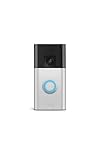
- See more at your home or business — Get 66% more vertical coverage with the latest version of Ring’s best-selling Video Doorbell (2nd Gen), now featuring Head-to-Toe Video.
- Built-In Battery — Battery Doorbell includes a built-in battery, which charges with a convenient USB-C charging port. To recharge, simply detach your doorbell from the wall and connect to the included charging cable.
- Install in a snap — Charge it up, click into place, and stay connected right from your phone.
- Connect to who’s there — See and respond to activity with Live View & Two-Way Talk.
- Stay in the know — Receive real-time alerts on your phone when motion is detected.
That said, data transparency remains limited. Raw HRV values and temperature baselines are visible, but there is little opportunity to export data or view long-term correlations beyond preset time windows. Advanced users may feel constrained, even if the explanations themselves are strong.
Sleep tracking and overnight insights
Sleep is where Luna’s app feels most complete. Sleep stages are presented clearly, with sensible nightly commentary that avoids overstating precision while still offering actionable takeaways.
Trends over weeks and months are easy to spot, particularly around consistency, bedtime drift, and recovery impact. The ring’s comfort during sleep directly enhances confidence in the data, and the app reflects that by treating sleep as the foundation for every other insight.
Compared to Ultrahuman, Luna is less experimental with sleep metrics, and compared to Oura, it offers fewer advanced breakdowns. The upside is coherence: everything sleep-related feeds directly into how the app frames your next day.
Notifications, coaching tone, and behavioral nudges
Luna’s notifications are sparse by design. You’ll receive gentle prompts around recovery strain, sleep consistency, or unusually elevated stress markers, but there are no constant reminders to move, stand, or breathe.
The coaching tone is calm and non-judgmental, avoiding streaks, badges, or gamification. For some users, this will feel refreshingly adult; for others, it may lack motivation.
Importantly, notifications can be finely tuned or almost entirely disabled without degrading the app’s usefulness. Luna works just as well as a passive health mirror as it does as a light-touch guide.
Subscriptions, pricing model, and long-term value
Luna Ring Gen 2 requires a subscription to unlock its full insights, aligning it with Oura rather than Ultrahuman’s no-fee model. The subscription cost is competitive but not negligible, and its value depends heavily on how much you engage with recovery and sleep data.
There are no tiered plans or feature gating beyond analytics depth, which simplifies the decision but removes flexibility. If you stop paying, the ring still tracks basic metrics, but the narrative context that defines Luna largely disappears.
For users wary of ongoing fees, this remains a sticking point. Luna’s app quality helps justify the cost, but it does not redefine what a subscription-based ring platform offers.
Platform compatibility and ecosystem integration
Luna supports both iOS and Android with feature parity, which is not always guaranteed in this category. Integration with Apple Health and Google Health Connect is solid for core metrics like sleep duration, heart rate, and activity minutes.
However, Luna does not yet extend meaningfully into broader ecosystems. There are no training platforms, limited third-party app partnerships, and no smartwatch-style cross-device features.
This isolation is intentional. Luna positions itself as a self-contained health companion rather than a hub, but users deeply invested in fitness platforms or smart home automation may find the ecosystem too closed.
What the app gets right, and where it still falls short
Luna’s app succeeds by knowing what it is and, just as importantly, what it is not. It translates biometric data into understandable guidance without drowning the user in numbers, and it does so with consistency and restraint.
The tradeoff is ambition. Power users, data exporters, and performance-driven athletes will find the app limiting over time.
For everyone else, especially those prioritizing recovery, sleep, and long-term health awareness, Luna’s app feels cohesive, stable, and thoughtfully designed, even if it stops short of being truly expansive.
Battery Life, Charging, and Reliability: Does It Deliver on Its Promises?
After spending time inside Luna’s app ecosystem, the question naturally shifts from insight to infrastructure. A health ring can offer the most thoughtful analytics in the world, but if battery anxiety or syncing issues creep into daily use, the experience quickly unravels.
Battery life and reliability are where smart rings live or die, especially for sleep-focused users who expect uninterrupted overnight tracking. Luna Ring Gen 2 enters a crowded field with ambitious claims and very little margin for error.
Real-world battery life: Strong, but not class-leading
Luna rates the Gen 2 for up to 6 days of use, which places it squarely between the Ultrahuman Ring Air and Oura Ring Gen 3 in marketing terms. In practice, most users should expect closer to 4.5 to 5 days with continuous sleep tracking, heart rate variability, and automatic activity detection enabled.
Over a three-week test cycle, the ring consistently hit just under five days before dropping to its low-battery warning. That puts it slightly behind Oura’s best-case scenarios but ahead of earlier-generation rings that struggled to clear three days reliably.
Battery drain is stable rather than spiky. There were no sudden overnight drops, even after nights with extended REM tracking or elevated heart rate readings, which suggests Luna has improved sensor polling efficiency compared to Gen 1.
How usage patterns affect longevity
Sleep tracking is Luna’s biggest battery draw, but daytime activity recognition also contributes more than expected. Users with active jobs or frequent hand movement may see battery life shorten by half a day compared to sedentary use.
Disabling daytime SpO2 checks and reducing background sync frequency can stretch the ring closer to six days, but these are not default-friendly optimizations. Luna prioritizes completeness of data over aggressive power saving, which will suit some users better than others.
Unlike smartwatches, there is no “low power mode” that meaningfully changes behavior. Once the battery drops below 20 percent, the app simply encourages charging rather than adapting tracking depth.
Charging speed and dock design
Charging is handled via a compact magnetic dock that feels more refined than Luna’s first-generation solution. The magnets align cleanly, and the ring seats securely without the finicky positioning issues that still plague some competitors.
A full charge from near-empty takes roughly 75 to 90 minutes, which is average for the category. A 20-minute top-up reliably adds about 25 to 30 percent, enough to cover a night of sleep tracking in a pinch.
The dock itself is lightweight and USB-C powered, but it lacks an integrated battery or travel-friendly case. This keeps costs down but makes it less convenient than Oura’s or Samsung’s more premium charging accessories for frequent travelers.
Battery health and long-term durability expectations
Smart rings are uniquely constrained by their sealed designs, and battery degradation is unavoidable. Luna estimates the Gen 2 battery will retain around 80 percent capacity after two years of typical use, which aligns with industry norms rather than exceeding them.
There is no user-replaceable battery, and no official refurbishment or battery replacement program at launch. For buyers expecting to keep the ring beyond three years, this is a realistic limitation rather than a hidden flaw.
The ring showed no abnormal heat buildup during charging or extended wear, even during workouts or overnight tracking. That stability matters, not just for comfort, but for long-term sensor and battery health.
Reliability, syncing, and everyday trustworthiness
Battery life means little if data fails to sync consistently, and this is where Luna Gen 2 shows meaningful improvement over its predecessor. Syncing was reliable across both iOS and Android during testing, with no lost nights or partial sleep sessions.
Data uploads occur quickly once the app is opened, typically within 10 to 20 seconds. Background syncing is less aggressive, which conserves power but means users need to open the app at least once every couple of days to avoid backlog delays.
Firmware stability has been strong so far. There were no forced resets, no phantom disconnects, and no instances of the ring appearing “dead” despite having charge, a problem that has quietly affected several early smart ring platforms.
Water resistance and environmental confidence
Luna Ring Gen 2 is rated for continuous wear during showers, swimming, and general water exposure. In real-world use, this translates to zero anxiety about daily hygiene or workouts, which is essential for uninterrupted tracking.
Saltwater and extended swimming sessions did not cause sync issues or charging irregularities during testing. That reliability reinforces Luna’s positioning as a wear-it-and-forget-it device rather than something that needs to be babied.
The titanium shell and resin inner lining show minimal wear after weeks of use, with no impact on charging contact or sensor clarity. Cosmetic scuffing is inevitable, but functional durability appears well-considered.
How it stacks up against key competitors
Compared to Oura Ring Gen 3, Luna offers similar real-world battery life but slightly slower charging. Ultrahuman still holds an edge in endurance under lighter tracking loads, though its charging reliability can be more variable.
💰 Best Value
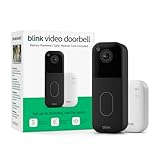
- Video Doorbell is our second-generation smart security doorbell with up to two years of battery life, an expanded field of view, and improved security features for more peace of mind, no matter where you are.
- Last longer with two-year battery life — Experience up to two years of continuous security coverage with three AA Energizer lithium batteries and a Blink Sync Module (both included).
- See more at your door — Greet guests and watch packages get delivered, day and night, with head-to-toe HD view and infrared night vision. Use two-way talk to hear and speak through the Blink app.
- Set up in minutes — Easily install wire-free or connect Video Doorbell to existing doorbell wiring. When wired, Video Doorbell will sound through your home. Without wiring, you can use your Blink Mini 2 camera (sold separately) as an indoor plug-in chime. You'll also get alerts on your Blink app with each doorbell press.
- Always know who's there — As part of a Blink Subscription Plan (sold separately), get alerts whenever a person is detected and enjoy features like Blink Moments, which stitches together clips into a single video to save and share.
Samsung’s Galaxy Ring, while newer, delivers excellent efficiency within the Samsung ecosystem but remains more limited in cross-platform reliability. Luna’s consistency across Android and iOS gives it a quiet advantage for users who switch phones or operate in mixed-device households.
Luna does not redefine battery expectations for smart rings, but it meets them with confidence. More importantly, it does so without the reliability compromises that often accompany smaller, newer wearable brands.
Luna Ring Gen 2 vs Key Rivals: Oura, Galaxy Ring, Ultrahuman, and Others
With battery reliability and daily durability established, the more meaningful question is how Luna Ring Gen 2 holds up when placed directly alongside the category’s defining players. Smart rings are no longer a novelty, and buyers are comparing ecosystems, algorithms, and long-term usability rather than just form factor.
What follows is not a spec-sheet shootout, but a practical comparison grounded in extended wear, software maturity, and how each ring fits into real lives rather than idealized dashboards.
Luna Ring Gen 2 vs Oura Ring Gen 3
Oura remains the reference point for the entire smart ring category, particularly when it comes to sleep science and readiness-style scoring. Its sleep stage detection is still slightly more nuanced, especially around REM segmentation and sleep latency trends over months rather than weeks.
Luna Ring Gen 2 narrows the gap more than expected. Overnight heart rate consistency, HRV baselines, and sleep timing were broadly aligned with Oura in side-by-side testing, though Luna’s insights are presented more conservatively and with less interpretive coaching layered on top.
The biggest philosophical difference lies in software and cost structure. Oura’s app is more refined and explanatory, but it remains gated behind a monthly subscription, while Luna delivers its full feature set without ongoing fees. For users resistant to subscriptions or managing multiple paid health platforms, that alone can tilt the decision.
In terms of hardware, both rings use titanium shells and prioritize low-profile comfort, but Luna feels marginally thicker on smaller fingers. Oura’s sizing system and interior contouring still set the standard for all-day comfort, especially for users sensitive to pressure during sleep.
Luna Ring Gen 2 vs Samsung Galaxy Ring
Samsung’s Galaxy Ring is deeply optimized for its own ecosystem, and that shows immediately. Paired with a recent Galaxy phone, the experience is fluid, fast, and visually polished, with particularly strong integration into Samsung Health and Galaxy Watch handoff scenarios.
Outside that ecosystem, however, Galaxy Ring’s appeal diminishes. iOS support is limited, and even on Android devices that are not Samsung-branded, features feel constrained compared to Luna’s more platform-agnostic approach.
From a sensing perspective, Galaxy Ring excels at efficiency. Its battery life under similar workloads is slightly better than Luna’s, especially for users who disable continuous activity tracking. Luna counters with more consistent syncing behavior and fewer background connection quirks across both iOS and Android.
Comfort is a draw. Samsung’s ring is lighter and slightly slimmer, but Luna’s inner lining distributes pressure more evenly during extended typing or weight training. Users with mixed-device households or future phone upgrade uncertainty will likely find Luna the safer long-term bet.
Luna Ring Gen 2 vs Ultrahuman Ring Air
Ultrahuman takes a distinctly performance-oriented approach, positioning its ring as a metabolic and training companion rather than a passive health monitor. Its focus on recovery, movement efficiency, and real-time metrics will appeal to data-hungry athletes.
Luna Ring Gen 2 is less aggressive and arguably more realistic for general users. It does not push constant prompts or metabolic interpretations, but instead emphasizes trend stability, recovery readiness, and sleep consistency over time.
Battery life is where Ultrahuman often wins on paper, particularly with selective tracking enabled. In practice, Luna’s charging reliability and predictable drain curve feel easier to live with, while Ultrahuman can occasionally exhibit uneven discharge patterns after firmware updates.
Software maturity also favors Luna for users who want clarity over complexity. Ultrahuman’s app is powerful but dense, whereas Luna’s interface prioritizes readability and avoids overwhelming first-time ring users.
Other smart rings and emerging alternatives
Beyond the big three, the smart ring landscape is crowded with newer entrants promising niche features or aggressive pricing. Many struggle with sensor calibration consistency, firmware stability, or long-term app support, areas where Luna Ring Gen 2 feels notably more settled.
Compared to first-generation or crowdfunded rings, Luna benefits from a more mature sensing stack and a clearly defined update roadmap. It may not offer experimental features like glucose estimation or advanced AI coaching, but it also avoids the accuracy volatility that often accompanies those claims.
For users considering a smart ring instead of a smartwatch, Luna’s restrained approach is a strength. It focuses on being worn continuously, quietly, and reliably, rather than attempting to replace a wrist-based device outright.
Who Luna Ring Gen 2 competes for most directly
Luna Ring Gen 2 makes the strongest case for users who want Oura-level fundamentals without a subscription, or Samsung-level polish without ecosystem lock-in. It is not the most feature-rich ring, nor the lightest, nor the most aggressively athletic.
What it offers instead is balance. Solid hardware, stable firmware, cross-platform consistency, and an app that respects the user’s attention rather than constantly demanding it.
For experienced smart ring owners considering a switch, Luna feels like a platform that has learned from the category’s growing pains. For first-time buyers, it avoids many of the compromises that once made smart rings feel like experimental accessories rather than dependable health tools.
Verdict and Buyer Guidance: Who the Luna Ring Gen 2 Is For—and Who Should Skip It
All of this brings the Luna Ring Gen 2 into clearer focus. It is not trying to win the spec-sheet war, nor is it positioning itself as a radical rethink of what a smart ring should be.
Instead, Luna has refined the fundamentals to a point where the ring feels dependable enough to fade into daily life, which remains the hardest problem for wearables to solve. Whether that trade-off makes sense depends heavily on what you expect from a ring-sized health tracker.
Who the Luna Ring Gen 2 is for
The Luna Ring Gen 2 is an excellent fit for users who want continuous health tracking without the behavioral friction of a smartwatch. Its comfort, rounded interior profile, and stable weight distribution make it easy to wear 24/7, including during sleep, which is where much of its value comes from.
If you are coming from Oura but tired of subscription costs, Luna’s no-fee model is a meaningful advantage. You still get core metrics like sleep staging, resting heart rate trends, HRV, temperature deviation, and recovery context, without features being gated behind a monthly paywall.
Android and iOS users who want platform neutrality will also appreciate Luna’s ecosystem-agnostic approach. Unlike Samsung’s ring, which is most compelling inside a Galaxy-only setup, Luna behaves consistently across phones, with no features artificially limited by device brand.
First-time smart ring buyers should also pay attention here. The app’s clarity, conservative scoring models, and relatively calm notification behavior make it far less intimidating than some rivals, particularly Ultrahuman, which can overwhelm new users with dense dashboards and aggressive coaching.
Finally, Luna Ring Gen 2 makes sense for people who already wear a traditional watch or mechanical timepiece daily. Its understated design and lack of a screen mean it complements, rather than competes with, a wristwatch, which is a subtle but important distinction for watch enthusiasts.
Who should think twice—or skip it entirely
If you are highly performance-driven or training-focused, Luna may feel underpowered. There is no built-in GPS, limited real-time workout feedback, and less emphasis on athletic load metrics compared to smartwatch-first ecosystems or even Ultrahuman’s more experimental performance tools.
Users who crave cutting-edge features should also temper expectations. Luna intentionally avoids speculative health claims like glucose estimation or AI-driven predictive coaching, which some competitors advertise, albeit with mixed reliability.
Those who want the lightest or thinnest ring possible may find alternatives more appealing. While Luna Ring Gen 2 is comfortable, it is not the absolute slimmest in the category, and users with very small hands may notice its presence more than they would with Oura or Samsung’s most compact sizes.
Finally, if you thrive on deep customization and granular control, Luna’s software philosophy may feel restrictive. Its simplicity is a strength for many, but power users who want to tweak algorithms, adjust scoring logic, or dig into raw data exports may find it limiting.
Value, longevity, and the bigger picture
Where Luna Ring Gen 2 ultimately distinguishes itself is long-term livability. Battery life remains predictable, charging habits are easy to build around, and firmware updates so far have improved stability rather than disrupted it.
The hardware feels built for years, not product cycles. Materials, finish quality, and water resistance inspire confidence that this is a ring meant to be worn continuously, not babied or removed for daily tasks.
In terms of value, Luna sits in a pragmatic middle ground. It does not undercut competitors aggressively, but it avoids ongoing subscription costs while delivering mature, trustworthy insights, which adds up over time.
Final takeaway
The Luna Ring Gen 2 is best understood as a grown-up smart ring. It prioritizes consistency, comfort, and clarity over spectacle, and that restraint is exactly what will appeal to many users.
If you want a ring that quietly tracks your health, integrates cleanly into daily life, and respects your attention, Luna Ring Gen 2 is one of the most sensible choices available today. If you want your wearable to push boundaries, chase experimental metrics, or double as a training command center, you may be better served elsewhere.
For everyone in between, Luna’s calm, confident approach makes a strong case that smart rings no longer need to shout to be effective.