Outdated Drivers Are Slowing You Down
One free scan finds every outdated or missing driver and matches the right update for your exact hardware.Free scan · exact hardware matchPC Slower Than It Used to Be?
A free scan shows the junk files, broken settings and background clutter dragging Windows down - then fixes them in one click.Free scan · Windows 10 & 11Oppo’s Watch 3 and Watch 3 Pro aren’t iterative updates aimed at filling a product cycle gap. They’re a clear statement about where Oppo thinks premium Android smartwatches should go next, especially in a market increasingly dominated by safe, familiar shapes and conservative upgrades.
At a glance, the headline is the aggressively curved display, but the real story is how Oppo is blending hardware ambition, dual-chip architecture, and a distinctly Chinese-first software strategy to create something that doesn’t simply chase the Apple Watch or Galaxy Watch playbook. This launch matters because it shows Oppo trying to define its own lane rather than compete spec-for-spec on someone else’s terms.
If you’re weighing Android smartwatch options and wondering whether there’s anything genuinely different emerging beyond Samsung’s ecosystem, this is where the Watch 3 series enters the conversation.
Two Models, One Design Philosophy
The Oppo Watch 3 series consists of the standard Watch 3 and the larger, more premium Watch 3 Pro. Both share the same core identity: a rectangular case softened by deep edge curvature that flows seamlessly into the glass, creating a near bezel-less look from most angles.
#1 Best Overall

- 24/7 Health Tracking: Watch 3 Pro can monitor heart rate, blood oxygen (SpO₂), stress levels in real time with an advanced 4-channel sensor for improved accuracy during activity and rest. This health tracker smartwatch can offer advanced sleep tracking helps analyze naps, recovery, and sleep quality for better daily wellness insights.
- 130+ Sports Modes: The sports smartwatch supports 130+ exercise modes with GOMORE-powered performance analysis, 7-type motion recognition, and precision activity tracking to help monitor workouts, training load, recovery, and daily movement more accurately. Active Score (MET-based fitness tracking), precision step counting, and smart health guidance help support a healthier lifestyle.
- Smart Everyday Convenience: Stay connected with the bluetooth smartwatch featuring dual high-performance MEMS microphones, a built-in speaker, and AI-based noise reduction trained on over 100,000 voice samples for clearer calls. Make and receive calls directly from your wrist, sync up to 30 contacts for quick access, control music playback, and send quick replies while working, commuting, cooking, or exercising without constantly checking your phone.
- 13-Day Battery Life: Enjoy up to 13 days of battery life on the smartwatch with just 2.5 hours charging time for daily use. Designed for work, workouts, travel, and busy schedules, CMF Watch 3 Pro delivers reliable power for music playback, quick replies, calls, and everyday activity tracking without frequent charging interruptions.
- AMOLED Display & Smart Lifestyle Sync: Featuring a vibrant AMOLED display, this smartwatch for Android and iPhone delivers clear visibility for health data, messages, and workouts indoors or outdoors. Seamlessly sync with Apple Health, Google Fit, and Strava to manage fitness tracking, wellness insights, and daily activity data in one connected ecosystem.
The Watch 3 Pro pushes this design further with a larger LTPO AMOLED panel that curves dramatically on all sides, prioritizing visual immersion over strict symmetry. Oppo is clearly betting that comfort and perceived luxury come from smooth transitions and organic lines rather than sharp industrial edges, setting it apart from the flatter, more utilitarian Galaxy Watch and the rigid geometry of Apple’s design language.
Case materials and finishing lean modern rather than flashy, with polished metal frames, understated color options, and a focus on how the watch sits on the wrist over long periods rather than how it looks in a product render.
Why the Curved Display Actually Matters
Curvature here isn’t just aesthetic. The flexible AMOLED panel allows Oppo to reduce visible borders, making the interface feel larger without increasing overall case footprint. In daily use, this means more readable notifications, more expressive watch faces, and smoother gesture interactions at the edges of the screen.
On the Pro model especially, the curvature helps the watch hug the wrist more naturally, improving comfort during sleep tracking and all-day wear. It also subtly improves touch accuracy for swipes from the edge, something flat rectangular displays often struggle with when paired with thick bezels or raised frames.
Recommended Free Tools
This approach positions Oppo’s design closer to a piece of modern consumer electronics than a traditional watch, which may appeal strongly to users who prioritize screen quality and visual polish over classic watch proportions.
Dual-Chip Architecture and Battery Strategy
Under the hood, Oppo continues to lean into its dual-engine approach, pairing a modern Snapdragon wearable platform with a secondary low-power co-processor. The idea is simple but effective: full smartwatch performance when you need it, and dramatically reduced power draw when you don’t.
In practical terms, the Watch 3 series aims to deliver multi-day battery life in smart mode, with the Pro model stretching further thanks to its larger chassis. There’s also an extended power-saving mode that retains core health tracking, notifications, and timekeeping while pushing longevity closer to what fitness-focused watches offer.
This is a meaningful differentiator in a segment where Wear OS devices still struggle to escape the one-to-two-day battery expectation, especially when compared to Apple Watch’s daily charging routine.
Software, Ecosystem, and Compatibility Realities
The Oppo Watch 3 series runs a hybrid software experience combining Wear OS with Oppo’s own ColorOS for Watch layer, optimized heavily for the Chinese market. That brings deep integration with Oppo smartphones, smooth animations, and strong local app support, but it also introduces questions around global usability.
Outside China, app availability, voice services, and payments may be limited or inconsistent depending on region. Android phone compatibility is central to the experience, and iPhone users should not expect parity or official support.
This makes the Watch 3 series especially compelling for Android users already invested in Oppo’s ecosystem, while positioning it more as a regional flagship than a universal alternative to Samsung or Apple at launch.
Health, Fitness, and Everyday Wearability
Oppo positions the Watch 3 as a holistic lifestyle smartwatch rather than a hardcore sports instrument. You get comprehensive heart rate tracking, SpO2 monitoring, sleep analysis, stress metrics, and multi-sport tracking aimed at everyday fitness rather than elite training.
Do these 3 things before closing this tab:
1Fix the driver behind crashes, sound loss and screen glitches2Clear out junk files and repair common Windows errors3Scan for outdated or missing drivers - takes under a minuteComfort is clearly prioritized, with lightweight construction, curved ergonomics, and strap options designed for all-day wear rather than aggressive athletic styling. Water resistance and durability are tuned for real-world use like workouts, rain, and travel, rather than extreme outdoor scenarios.
For most users, this strikes a balance between health insight and convenience without demanding the compromises that ultra-sport watches often require.
How It Fits Into the Bigger Smartwatch Picture
Conceptually, the Oppo Watch 3 Pro sits somewhere between a Galaxy Watch and an Apple Watch Ultra-lite experience, focusing on screen immersion and battery efficiency rather than raw ecosystem dominance. It doesn’t try to out-Apple Apple, nor does it mirror Samsung’s circular heritage.
Instead, Oppo is testing whether design-led differentiation, paired with strong hardware fundamentals, is enough to win over Android users who feel underserved by conservative smartwatch updates. Availability and global software support will ultimately determine how far this strategy travels, but as a product statement, the Watch 3 series is one of the more confident smartwatch launches in recent years.
What’s actually slowing this PC down?
Pick the symptom - the matching free tool is one click away.
The ‘Serious Curves’ Design: LTPO Displays, Case Geometry, and Wrist Presence
If the broader Watch 3 strategy is about carving out space between Apple and Samsung, the hardware design is where Oppo makes its loudest statement. The Watch 3 and Watch 3 Pro lean heavily into curvature—not as a stylistic flourish, but as a core functional idea that shapes how the watch looks, feels, and behaves on the wrist.
This is not a flat slab smartwatch trying to look futuristic. It’s a deliberately sculpted object that uses screen technology, case geometry, and ergonomics to sell immersion and comfort as primary features.
LTPO Displays That Emphasize Depth and Efficiency
Both models use curved LTPO AMOLED displays, and Oppo clearly treats the panel as the hero component. The glass curves into the case on multiple edges, visually shrinking the bezel and giving the interface a floating, almost liquid quality when watch faces animate or notifications slide in.
LTPO isn’t just here for spec-sheet bragging rights. Its variable refresh rate allows the Watch 3 series to drop down to extremely low refresh states for always-on display modes, then ramp up smoothly during interaction, which directly supports Oppo’s battery life claims without compromising perceived smoothness.
Free tools Windows power users keep installed
One-click scans. No signup required.
In daily use terms, this means the screen feels alive when you need it and invisible when you don’t. It’s closer to the Apple Watch’s display philosophy than Samsung’s traditionally flatter circular approach, but with more aggressive curvature that prioritizes visual drama.
Case Geometry: Square, But Softened
The Watch 3 series sticks with Oppo’s rounded-square case, but the execution is more refined than earlier generations. The corners are heavily radiused, the sides subtly bowed, and the transition from glass to metal is designed to disappear under your fingers.
The Pro model pushes this further with a slightly thicker profile and a more pronounced curvature, giving it greater wrist presence without tipping into bulk. It feels intentional rather than oversized, clearly aimed at users who want their smartwatch to read as a premium object, not a discreet tracker.
Material choices reinforce this positioning. The cases use polished metal finishes that catch light differently across the curves, making the watch feel more like a piece of industrial design than a generic tech accessory.
The Tool Desk
Outbyte Driver Updater FREEScan for outdated or missing drivers - takes under a minuteDriver Scan →Outbyte PC Repair FREERepair Windows errors before they cause bigger problemsFix Now →How It Actually Wears on the Wrist
Curves only matter if they translate into comfort, and this is where Oppo’s approach largely pays off. The arched case back and flowing lugs allow the watch to sit low and stable, even on smaller wrists, reducing the top-heavy feeling that square smartwatches sometimes suffer from.
Strap integration is clean and functional, with soft materials that complement the watch’s lifestyle-first positioning. This isn’t trying to be a rugged adventure watch, and Oppo wisely avoids aggressive textures or oversized strap hardware that would clash with the design language.
The result is a watch that feels comfortable enough for sleep tracking and all-day wear, yet visually substantial enough to avoid feeling disposable or toy-like.
Design as Differentiation in a Conservative Market
In a market where many Android smartwatches have settled into safe, incremental updates, the Watch 3’s curves are a calculated risk. Oppo is betting that immersion and tactility can matter as much as ecosystem scale, especially for Android users who want something that feels distinct from Samsung’s rotating-bezel legacy.
What’s actually slowing this PC down?
Pick the symptom - the matching free tool is one click away.
This design-first approach won’t appeal to everyone, particularly fans of traditional round watch aesthetics. But for users drawn to screen-forward interaction, gesture-driven navigation, and a strong sense of modernity, the Watch 3 series stands out immediately on the wrist and in a crowded lineup.
Oppo Watch 3 vs Watch 3 Pro: Sizes, Materials, and Wearability Differences
After establishing the Watch 3 series as a design-forward departure from conservative smartwatch norms, the real differentiation comes down to how Oppo splits the range. The Watch 3 and Watch 3 Pro are not simply size variants; they are tuned for different wrists, different expectations of luxury, and subtly different usage patterns.
Rank #2
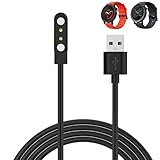
- Wide Application: Fits CMF by Nothing Smart Watch Pro 1 / Pro 2 / Watch 3 Pro / Realme TechLife Watch / Oppo Watch Free / Ticwatch GTH / Colorfit QUBE / Dizo Watch 2 / DW2118 / TAGG NEO / Dafit bsw005
- Fast & Stable: Through experimental testing, it delivers stable and fast charging
- 3.9 ft Long Cord: Sufficient length supports broader application
- Packaging Contents: 1 Pack replacement cable, black
Case Sizes and Wrist Presence
The standard Oppo Watch 3 is the more compact and approachable of the two, designed to suit a wider range of wrist sizes without sacrificing screen impact. Its footprint feels closer to the mainstream Apple Watch sweet spot, making it easier to recommend for smaller wrists or users upgrading from fitness bands.
The Watch 3 Pro scales everything up. The case is larger, thicker, and more assertive, with the curved glass extending further into the sides to create a stronger wraparound effect. On the wrist, it reads as a statement device, closer in spirit to Samsung’s Galaxy Watch Pro than a minimalist daily tracker.
Windows Errors? Fix Them Before They Spread
Repair common Windows errors and clear accumulated junk for a smoother, more stable PC - no reinstall needed.Free scan · no reinstallOutdated Drivers Are Slowing You Down
One free scan finds every outdated or missing driver and matches the right update for your exact hardware.Free scan · exact hardware matchMaterials and Case Finishing
Material choice is where Oppo draws a clear line between the two models. The Watch 3 uses a polished metal case that balances durability with everyday comfort, keeping weight manageable for all-day wear and sleep tracking.
The Watch 3 Pro steps into more premium territory, pairing its metal chassis with sapphire crystal protection. This immediately changes how the watch feels in use, adding scratch resistance and a denser, more luxurious hand feel that aligns with its higher-end positioning.
Finishing also differs subtly. The Pro’s surfaces catch light more dramatically across the curved edges, reinforcing the sense that this is as much an object of design as it is a piece of technology.
Thickness, Weight, and Comfort Trade-offs
Those premium materials and larger dimensions come with trade-offs. The Watch 3 sits lower on the wrist and feels less noticeable during long days or overnight wear, which will matter to users who prioritise continuous health tracking.
The Watch 3 Pro is heavier and more present, though Oppo mitigates this with a well-contoured case back and carefully shaped lugs. It never feels clumsy, but it is a watch you are always aware of, particularly on slimmer wrists.
Straps, Fit, and Everyday Wearability
Both models use integrated strap systems that flow naturally from the case, maintaining the sculpted aesthetic Oppo is clearly proud of. Strap materials lean towards soft-touch silicone and leather-style options rather than rugged sports bands, reinforcing the lifestyle focus.
On the Watch 3, this results in a watch that disappears under a cuff and stays comfortable during exercise or sleep. On the Watch 3 Pro, the same strap philosophy helps balance the larger case, preventing it from feeling top-heavy despite the added mass.
Choosing Between Watch 3 and Watch 3 Pro
The decision ultimately comes down to priorities rather than features alone. The Watch 3 is better suited to users who want Oppo’s curved design language in a lighter, more versatile form that works across fitness, notifications, and sleep tracking.
Free tools Windows power users keep installed
One-click scans. No signup required.
The Watch 3 Pro is for those who want their smartwatch to read as a premium object first and a wearable computer second. Its size, materials, and wrist presence make it a closer conceptual rival to flagship Android wearables, offering a more luxurious alternative to the functional familiarity of Samsung and Apple’s designs.
Display Tech Deep Dive: LTPO AMOLED, Edge Curvature, and Always-On Efficiency
If the case design sets the emotional tone of the Watch 3 family, the display is where Oppo’s ambitions become unmistakably technical. Both models lean heavily on advanced panel tech to justify those dramatic curves, while also addressing one of the biggest pain points in modern smartwatches: battery drain from always-on displays.
LTPO AMOLED: Variable Refresh Where It Actually Matters
At the heart of both the Watch 3 and Watch 3 Pro is an LTPO AMOLED panel, a step beyond conventional OLED found on mid-tier wearables. LTPO allows the display to dynamically adjust its refresh rate depending on what’s happening on screen, scaling down aggressively when the watch face is static.
In practical terms, this means the refresh rate can drop to extremely low levels during always-on mode, conserving power without sacrificing legibility. When you raise your wrist or start scrolling through tiles, the panel ramps back up instantly, keeping animations fluid and touch interactions responsive.
This places Oppo firmly in the same technical conversation as the Apple Watch and Samsung’s Galaxy Watch flagships, rather than the more basic AMOLED implementations still common on value-focused Wear OS devices.
Edge Curvature: Design Statement With Real Trade-offs
The defining visual feature of the Watch 3 lineup is the curved glass that rolls into the case, particularly pronounced on the Pro. This is not a flat panel with cosmetic rounding; the curvature is functional and continuous, shaping how content appears at the edges.
On the Watch 3 Pro especially, notifications and watch faces seem to spill over the sides, creating a sense of depth that flat displays struggle to replicate. It reinforces the idea that Oppo is designing a single object rather than a screen dropped into a housing.
There are compromises. Edge curvature slightly reduces the usable flat display area, and touch accuracy near the edges can feel more sensitive, particularly during workouts or quick swipes. Oppo’s software compensates reasonably well, but this is a design-first choice that prioritises visual impact over pure utilitarianism.
The Tool Desk
Outbyte PC Repair FREERepair Windows errors before they cause bigger problemsFix Now →Outbyte Driver Updater FREEScan for outdated or missing drivers - takes under a minuteDriver Scan →Brightness, Clarity, and Outdoor Legibility
Oppo hasn’t positioned the Watch 3 or Pro as rugged outdoor tools, but brightness levels are more than sufficient for everyday visibility. Indoors, the AMOLED panels deliver deep blacks and punchy colours that make watch faces and widgets pop, especially against dark UI themes.
Outdoors, the combination of high peak brightness and curved glass helps diffuse reflections rather than amplify them. It’s not quite on the level of Apple’s latest ultra-bright panels, but it comfortably matches Samsung’s Galaxy Watch line for real-world readability during walks, workouts, and navigation checks.
Text clarity also benefits from Oppo’s choice of pixel density, which keeps complications and small fonts crisp without pushing power consumption into diminishing returns.
Always-On Display: Efficiency Over Gimmicks
Always-on display is where LTPO pays dividends, and Oppo’s implementation is refreshingly restrained. Rather than pushing animated or overly stylised AOD faces, the Watch 3 series focuses on clean, legible designs that minimise pixel refresh.
Quick wins for a faster PC:
Fix the driver behind crashes, sound loss and screen glitchesFind Drivers →Repair Windows errors before they cause bigger problemsFix Now →Scan for outdated or missing drivers - takes under a minuteDriver Scan →On the Watch 3, this helps maintain its reputation as the better option for overnight wear and all-day health tracking. On the Watch 3 Pro, it offsets the larger display and higher visual ambition, preventing the premium screen from becoming a battery liability.
In daily use, the always-on mode feels genuinely usable rather than something you reluctantly disable to survive the day. That’s a subtle but important distinction, especially for users coming from older Wear OS watches where AOD often felt like a luxury feature with a penalty attached.
Software Meets Hardware: Wear OS and Oppo’s Visual Layer
The curved displays also influence how Oppo layers its software atop Wear OS. UI elements are deliberately kept away from the extreme edges, while transitions and animations are tuned to accentuate the curvature rather than fight it.
This results in a visual experience that feels more cohesive than many third-party Wear OS skins. Oppo’s design language works with the panel’s strengths, using contrast and spacing to avoid clutter while letting the hardware do some of the aesthetic heavy lifting.
For users deciding between the Watch 3 and Watch 3 Pro, the display experience is less about raw specs and more about feel. The Watch 3 delivers the same core technology in a more restrained form, while the Pro leans fully into the curved AMOLED as a statement of intent, one that prioritises immersion and design presence alongside efficiency.
Software Strategy: Dual-Engine OS, Wear OS Integration, and App Ecosystem Reality
The curved hardware sets the tone, but it’s Oppo’s software strategy that ultimately defines how the Watch 3 and Watch 3 Pro behave once the novelty wears off. Rather than relying solely on Wear OS, Oppo continues to pursue a dual-engine approach that prioritises efficiency without completely abandoning Google’s smartwatch ecosystem.
Dual-Engine OS: Why Oppo Still Won’t Go All-In on Wear OS
At the heart of both watches is Oppo’s familiar dual-engine setup, pairing Wear OS with a lightweight real-time operating system that takes over during low-power states. When you’re checking time, tracking sleep, monitoring heart rate, or using always-on display, the watch quietly runs on the secondary RTOS instead of full Wear OS.
This handoff is invisible in daily use, but it has real consequences for battery life. It’s a big reason the Watch 3 series can credibly offer multi-day endurance in mixed use, something many Wear OS rivals still struggle to achieve without aggressive compromises.
Rank #3
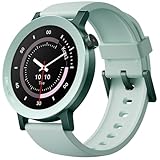
- 24/7 Health Tracking: Watch 3 Pro can monitor heart rate, blood oxygen (SpO₂), stress levels in real time with an advanced 4-channel sensor for improved accuracy during activity and rest. This health tracker smartwatch can offer advanced sleep tracking helps analyze naps, recovery, and sleep quality for better daily wellness insights.
- 130+ Sports Modes: The sports smartwatch supports 130+ exercise modes with GOMORE-powered performance analysis, 7-type motion recognition, and precision activity tracking to help monitor workouts, training load, recovery, and daily movement more accurately. Active Score (MET-based fitness tracking), precision step counting, and smart health guidance help support a healthier lifestyle.
- Smart Everyday Convenience: Stay connected with the bluetooth smartwatch featuring dual high-performance MEMS microphones, a built-in speaker, and AI-based noise reduction trained on over 100,000 voice samples for clearer calls. Make and receive calls directly from your wrist, sync up to 30 contacts for quick access, control music playback, and send quick replies while working, commuting, cooking, or exercising without constantly checking your phone.
- 13-Day Battery Life: Enjoy up to 13 days of battery life on the smartwatch with just 2.5 hours charging time for daily use. Designed for work, workouts, travel, and busy schedules, CMF Watch 3 Pro delivers reliable power for music playback, quick replies, calls, and everyday activity tracking without frequent charging interruptions.
- AMOLED Display & Smart Lifestyle Sync: Featuring a vibrant AMOLED display, this smartwatch for Android and iPhone delivers clear visibility for health data, messages, and workouts indoors or outdoors. Seamlessly sync with Apple Health, Google Fit, and Strava to manage fitness tracking, wellness insights, and daily activity data in one connected ecosystem.
The approach isn’t new, but Oppo’s execution feels more mature here. Transitions between systems are faster, notifications don’t feel delayed, and background health tracking continues smoothly even when the main OS is effectively asleep.
Wear OS Integration: Familiar, but Heavily Curated
When the watch does wake into full Wear OS, the experience is recognisably Google-powered but unmistakably Oppo-shaped. Core services like Google Assistant, Maps, and Play Store support are present, but Oppo deliberately curates what runs persistently in the background.
This results in a cleaner interface and fewer surprise battery drains, but it also means power users may notice limitations compared to Samsung’s more open Wear OS implementation. Oppo clearly prioritises predictability and endurance over maximal flexibility.
Navigation, quick settings, and app switching all benefit from the curved display discussed earlier, with swipe gestures feeling more natural than on flat-panel Wear OS watches. It’s a reminder that Oppo designed software and hardware in parallel rather than forcing Wear OS to adapt after the fact.
Do these 3 things before closing this tab:
1Clear out junk files and repair common Windows errors2Fix the driver behind crashes, sound loss and screen glitches3Repair Windows errors before they cause bigger problemsHealth, Fitness, and Background Tracking Priorities
Oppo’s own health suite remains front and centre, handling heart rate, SpO₂, sleep stages, stress tracking, and workout data largely outside of Wear OS itself. This separation is intentional, allowing core health functions to run continuously without waking the heavier OS layer.
For everyday users, this means reliable overnight tracking and consistent daytime metrics without micromanaging settings. The Watch 3 in particular benefits here, reinforcing its positioning as the more comfortable, always-on companion rather than a tech showcase.
Fitness tracking is broad rather than niche-focused, with an emphasis on walking, running, gym sessions, and guided workouts. Serious athletes may still prefer Garmin or Polar ecosystems, but for mainstream Android users, Oppo’s balance of accuracy and battery efficiency will feel immediately practical.
App Ecosystem Reality: Wear OS Potential vs Actual Usage
In theory, Wear OS opens the door to a rich third-party app ecosystem. In practice, the reality remains mixed, and Oppo’s dual-engine philosophy subtly acknowledges that most users rely on a small handful of apps most of the time.
Essential apps like Spotify, Google Wallet, Maps, and messaging clients work as expected, and the Play Store experience is smooth. Beyond that, the long tail of Wear OS apps still suffers from inconsistent updates and limited optimisation for curved displays.
Oppo’s strategy seems to assume that the smartwatch is primarily a companion, not a wrist-mounted phone. By focusing on core functions and tightly controlling background behaviour, the Watch 3 series avoids many of the frustrations that have historically plagued Wear OS devices.
Compatibility, Regional Limits, and Global Expectations
Compatibility is firmly Android-first, with no iOS support and a clear preference for Oppo and OnePlus phones when it comes to setup smoothness and feature parity. Notifications, call handling, and health syncing work well across most modern Android devices, but some deeper integrations remain brand-ecosystem perks.
Global availability remains the biggest unanswered question. Oppo’s software approach makes sense in markets where Google services are fully supported, but regional variations could shape how appealing the Watch 3 series feels outside China.
Recommended Free Tools
For buyers weighing this against a Galaxy Watch or even an Apple Watch via ecosystem envy, Oppo’s software story is less about chasing platform dominance and more about disciplined restraint. The Watch 3 and Watch 3 Pro don’t try to do everything on your wrist, and that clarity of intent may be their most underrated software feature.
Performance and Battery Life: Snapdragon + Apollo Chips and Real-World Endurance
Oppo’s disciplined software philosophy carries directly into how the Watch 3 and Watch 3 Pro are powered. Rather than chasing raw performance numbers, Oppo leans on a dual-chip architecture designed to separate everyday smartwatch responsiveness from background efficiency, and it shows in daily use.
Snapdragon W-Series Meets Apollo Co-Processor
At the heart of both watches is Qualcomm’s Snapdragon W-series platform, paired with Oppo’s Apollo low-power co-processor. The Snapdragon chip handles Wear OS apps, animations, voice interactions, and anything that feels “smartphone-like” on the wrist.
The Apollo chip quietly takes over for health tracking, timekeeping, notifications, and always-on display duties when full Wear OS power isn’t needed. This handoff happens invisibly, but it’s the key reason the Watch 3 series feels responsive without constantly draining the battery.
Everyday Performance: Smooth Where It Counts
In real-world use, performance feels confidently fast rather than aggressively flashy. App launches are quick, scrolling is smooth even on the curved AMOLED panels, and system navigation avoids the micro-stutters that older Wear OS watches became known for.
The curved display adds some complexity for UI rendering, but Oppo’s interface feels well-optimised, with touch targets placed intelligently to avoid edge mis-taps. This is especially noticeable when replying to messages, swiping through widgets, or using the rotating crown-style control for precise navigation.
Battery Life That Reflects How People Actually Use Smartwatches
Oppo quotes multi-day battery life figures that depend heavily on usage mode, but the underlying reality is more important than the headline numbers. In standard smart mode, with notifications, health tracking, occasional GPS workouts, and an always-on display enabled selectively, both models are designed to comfortably last several days rather than barely surviving 24 hours.
Switching to Oppo’s power saver mode dramatically extends endurance by relying almost entirely on the Apollo chip. In this state, the watches behave more like advanced fitness trackers, keeping core health metrics and notifications active while shelving heavier apps.
Watch 3 vs Watch 3 Pro: Capacity and Expectations
The Watch 3 Pro benefits from its larger titanium case and thicker profile by housing a bigger battery. That translates into more breathing room for GPS-heavy workouts, longer days away from a charger, and less anxiety when using features like navigation or calls directly from the wrist.
The standard Watch 3 is slimmer and lighter, and while it doesn’t match the Pro’s endurance ceiling, it still outpaces many traditional Wear OS rivals in typical mixed use. The trade-off is clear: comfort and discretion versus outright longevity.
Charging Speed and Daily Practicality
Fast charging rounds out the experience in a way that reinforces Oppo’s pragmatic approach. Short top-ups can meaningfully extend daily use, making it easier to live with multi-day charging rather than nightly routines.
Taken together, the Snapdragon and Apollo pairing feels less like a spec-sheet flex and more like a philosophical choice. Oppo isn’t trying to turn the Watch 3 series into miniature phones; it’s optimising them to be reliable companions that stay fast when you need them and invisible when you don’t.
What’s actually slowing this PC down?
Pick the symptom - the matching free tool is one click away.
Health, Fitness, and Sensors: What Oppo Is Prioritising This Generation
The dual-chip strategy that underpins battery life also shapes Oppo’s thinking around health and fitness. Rather than chasing novelty sensors, the Watch 3 generation focuses on reliability, continuous tracking, and metrics that remain active even when the watch slips into low-power modes.
This is less about flashy checklists and more about making health data something you can trust day to day, whether you’re training deliberately or just wearing the watch as part of your routine.
Heart Rate, SpO₂, and All-Day Tracking Without the Gaps
Both the Watch 3 and Watch 3 Pro use upgraded optical heart rate sensors designed for consistent readings across a wider range of skin tones and wrist sizes. Oppo is clearly prioritising signal stability over headline sampling rates, which matters more for resting heart rate trends and recovery insights.
Blood oxygen tracking is available for spot checks and overnight monitoring, with an emphasis on sleep-based SpO₂ rather than constant daytime polling. That choice aligns with the battery philosophy: meaningful health insights without draining the watch just to log numbers you’ll rarely review.
Windows Errors? Fix Them Before They Spread
Repair common Windows errors and clear accumulated junk for a smoother, more stable PC - no reinstall needed.Free scan · no reinstallCrashes, No Sound, or Screen Glitches?
Random freezes, missing sound and display glitches usually trace back to one bad driver. Find and replace yours safely.Free scan · under a minuteSleep Tracking That Goes Beyond Bedtime and Wake Time
Sleep remains a central pillar of Oppo’s health platform, and the Watch 3 series builds on this with more granular stage detection and breathing analysis overnight. The watches track sleep duration, light and deep phases, REM cycles, and disruptions, presenting the data in a way that feels more diagnostic than decorative.
What stands out is how seamlessly sleep tracking carries over into power saver mode. Even when the Snapdragon chip is sidelined, the Apollo system keeps overnight metrics running, which makes wearing the watch to bed feel less like a compromise and more like a default.
Rank #4

- Safe and Fast Wireless Watch Charging: Our wireless charger provides a safer and faster charging mode, which can be fully charged in about 3 hours. For a better charging experience, please remove the watch shell and use a 5V 1A adapter or an original adapter.
- Extensive Compatibility: Our wireless charger is compatible with the Watch series, such as for Watch 2 42mm, Watch 2 46mm, Watch 3, and Watch 3 Pro. It’s designed to provide a seamless charging experience for your device.
- Advanced Security: With over current, over voltage, short circuit, and over temperatureprotection, our charger ensures the safety of your device battery from overcharging. It’s designed to provide a secure charging experience for your peace of mind.
- Portable Design: This 3.3ft charging cable for OPPO Watch is convenient to carry, especially when traveling, and is suitable for use as a backup charger for your watch. It’s a handy accessory for any Watch user.
- Good Workmanship: Fine workmanship makes this USB charging dock cable for Oppo Watch durable, not easy to damage, and greatly extends the service life. It’s built to last and provide a reliable charging solution for your device.
Fitness Modes and GPS: Consistency Over Excess
Oppo supports a wide range of workout modes, covering the usual mix of indoor training, outdoor running, cycling, swimming, and gym-based activities. GPS tracking is handled confidently, particularly on the Watch 3 Pro, where the larger battery allows for longer sessions without anxiety about making it home with charge left.
Rather than overwhelming users with niche sports, Oppo focuses on accurate distance, pace, and heart rate data for common activities. For most users, that translates into cleaner workout summaries and fewer moments where the data feels questionable.
The Tool Desk
Outbyte PC Repair FREEClear out junk files and repair common Windows errorsFree Scan →Outbyte Driver Updater FREEScan for outdated or missing drivers - takes under a minuteDriver Scan →Watch 3 Pro’s Hardware Advantage for Active Users
The Watch 3 Pro’s titanium case isn’t just about durability or aesthetics; it also plays into fitness comfort and sensor stability. The added mass helps the watch sit more securely on the wrist during high-movement workouts, improving heart rate accuracy during intervals and outdoor runs.
Its thicker profile also allows for better thermal management during extended GPS use, which can matter during long summer sessions. It’s a subtle advantage, but one that active users will notice over time.
Daily Health Metrics and Lifestyle Monitoring
Beyond workouts, Oppo continues to lean into everyday wellness metrics like stress estimation, activity reminders, and guided breathing exercises. These features are integrated gently rather than aggressively, nudging users toward healthier habits without turning the watch into a nagging coach.
Step tracking, calorie estimates, and active time all feed into a broader picture of daily movement, with Oppo clearly aiming to keep these metrics consistent even when battery-saving features are engaged. The watch doesn’t stop being a health device just because you’ve asked it to last longer.
Recommended Free Tools
Software Integration and Health Data Ecosystem
Health data is funnelled through Oppo’s companion app, which acts as the central hub for trends, historical comparisons, and goal tracking. While Wear OS handles app-level fitness integrations, Oppo’s own health layer remains responsible for core metrics and long-term analysis.
This separation helps explain Oppo’s priorities. The Watch 3 series treats health tracking as foundational system behaviour rather than something bolted on through third-party apps, reinforcing the idea that these watches are meant to be worn continuously, not just during workouts.
Independent reader supportYour contribution helps us test, update, and keep practical guides available for everyone.How the Watch 3 Series Stacks Up Against Galaxy Watch and Apple Watch
With health tracking and software now clearly positioned as always-on foundations rather than optional features, the Oppo Watch 3 series naturally invites comparison with the two reference points in the mainstream smartwatch world: Samsung’s Galaxy Watch line on Android, and Apple Watch on iOS. This is where Oppo’s curved hardware and dual-chip philosophy become more than design talking points.
Rather than trying to mirror either rival directly, the Watch 3 and Watch 3 Pro carve out a middle ground that blends premium materials, endurance-focused engineering, and a looser interpretation of what a Wear OS watch can be.
Design Philosophy: Curves vs Circles vs Squared-Off Precision
The most immediate difference is visual. Oppo’s aggressively curved display and case flow prioritise wrist-hugging ergonomics in a way that neither the mostly circular Galaxy Watch nor the flat-edged Apple Watch fully replicate.
Samsung’s circular design leans into traditional watch familiarity, but it also limits screen real estate and interaction zones at the edges. Apple’s squared-off design maximises usable display area and app density, but can feel slab-like on smaller wrists during long wear.
Oppo’s approach sits between those extremes. The curved glass softens the rectangular footprint, improves swipe gestures from the edges, and helps the watch feel slimmer than its actual thickness suggests. In daily wear, this translates into fewer pressure points and a more organic fit, especially during sleep tracking or extended workouts.
Materials, Case Construction, and Wearability
The Watch 3 Pro’s titanium case immediately positions it closer to higher-end Galaxy Watch models like the Galaxy Watch 5 Pro, rather than standard aluminium wearables. Titanium offers a better strength-to-weight ratio than steel while resisting corrosion from sweat and salt, making it better suited to continuous wear.
Do these 3 things before closing this tab:
1Fix the driver behind crashes, sound loss and screen glitches2Repair Windows errors before they cause bigger problems3Scan for outdated or missing drivers - takes under a minuteApple counters with aluminium for affordability and stainless steel or titanium for its premium tiers, but those options come with a sharp price increase. Oppo’s use of titanium at this level signals a push toward value-focused premium rather than luxury upsell.
Strap comfort and attachment are also worth noting. Oppo’s proprietary lug system doesn’t match Apple’s vast strap ecosystem or Samsung’s standardised quick-release pins, but it does allow the case to maintain its seamless curvature. The trade-off is fewer third-party strap options at launch, though comfort out of the box is strong.
Software Experience: Wear OS with Fewer Compromises
On paper, both Oppo and Samsung run Wear OS, but the experience differs meaningfully. Samsung’s One UI Watch heavily reshapes the interface and prioritises Samsung Health, while Oppo keeps Wear OS closer to its native behaviour with a lighter visual layer.
This results in smoother transitions, faster-feeling interactions, and fewer duplicated apps. Oppo’s dual-chip system allows the watch to drop into a low-power RTOS mode without feeling “cut off,” something Galaxy Watch users still notice when power-saving modes aggressively restrict functionality.
Apple Watch remains the gold standard for UI polish and third-party app optimisation, but it does so within a locked ecosystem. Oppo’s Watch 3 series cannot match Apple’s app depth, yet it offers more flexibility for Android users who don’t want a Samsung-centric experience.
Health and Fitness Tracking: Accuracy vs Ecosystem Depth
In core metrics like heart rate, sleep stages, SpO2, and workout tracking, Oppo is now competing on consistency rather than novelty. Real-world data stability is closer to Galaxy Watch than earlier Oppo models, especially during interval training and outdoor GPS sessions.
Samsung benefits from deeper historical insights and better body composition analysis, while Apple leads in medical-grade features like ECG availability and regulatory approvals across regions. Oppo’s strength lies in how quietly its health tracking operates in the background without draining battery or demanding constant interaction.
For users who value passive, always-on monitoring over advanced medical alerts, the Watch 3 series feels purpose-built rather than overloaded.
Free tools Windows power users keep installed
One-click scans. No signup required.
Battery Life and Daily Practicality
Battery endurance remains one of Oppo’s strongest differentiators. Where Apple Watch still requires daily charging and Galaxy Watch often struggles past two days with heavy use, the Watch 3 Pro’s thicker chassis and dual-processor setup enable noticeably longer real-world longevity.
This matters less as a headline number and more in behaviour. You’re less likely to disable tracking features, skip sleep monitoring, or ration GPS usage. The watch adapts to your day instead of forcing you to adapt to it.
For users who travel, train frequently, or simply dislike nightly charging rituals, this advantage compounds quickly.
Compatibility, Lock-In, and Who Each Watch Is Really For
Apple Watch remains unmatched if you’re fully invested in the iPhone ecosystem. Its tight integration with iOS, iMessage, and Apple Health makes it an obvious choice for Apple users, but a non-starter for everyone else.
Quick wins for a faster PC:
Fix the driver behind crashes, sound loss and screen glitchesFind Drivers →Repair Windows errors before they cause bigger problemsFix Now →Samsung’s Galaxy Watch is best suited to Samsung phone owners who want seamless device-to-device integration, especially with features like camera control, phone settings sync, and Samsung-exclusive health tools.
Oppo’s Watch 3 series targets Android users who want a premium-feeling smartwatch without ecosystem lock-in. It’s for those who care about hardware refinement, battery sanity, and comfort just as much as app counts or brand allegiance.
In that sense, Oppo isn’t trying to dethrone Apple or out-Samsung Samsung. It’s offering a third option that prioritises continuous wear and long-term usability, anchored by a curved design that actually changes how the watch feels on your wrist day after day.
Who These Watches Are Really For: Android Users, Design-Led Buyers, and Oppo Fans
Seen in the context of battery behaviour, curved ergonomics, and Oppo’s restrained software philosophy, the Watch 3 and Watch 3 Pro make most sense when you stop viewing them as spec-sheet competitors and start viewing them as long-term wear objects. These are watches designed to stay on your wrist, not just impress during setup.
Best Value

- Product name: charging cable
- Line length: connection 100CM split 80CM (optional)
- Charging method: contact magnetic charging
They won’t appeal to everyone equally, and that’s by design.
Android Users Who Want Freedom Without Fragmentation
First and foremost, the Watch 3 series is for Android users who don’t want their smartwatch experience dictated by a single phone brand. Unlike Samsung’s Galaxy Watch, which increasingly reserves its best features for Galaxy phones, Oppo’s approach is notably agnostic within the Android ecosystem.
Pairing is straightforward, core features aren’t arbitrarily locked away, and daily usability doesn’t change depending on which Android handset you own. For Pixel, OnePlus, Xiaomi, or Oppo phone users, that flexibility matters more than another exclusive tile or assistant trick.
It’s a pragmatic alternative for anyone who wants a premium-feeling Android watch without buying into Samsung’s walled garden by default.
What’s actually slowing this PC down?
Pick the symptom - the matching free tool is one click away.
Design-Led Buyers Who Care About Wrist Feel, Not Just Screens
The curved chassis isn’t a styling flourish here; it’s the foundation of the entire wearing experience. Both models sit closer to the wrist than most flat-backed competitors, distributing weight more evenly and reducing pressure points during long wear.
The Watch 3 Pro, in particular, benefits from this with its larger case and thicker body. Despite its size, it avoids the top-heavy sensation common to many large smartwatches, especially during sleep tracking or extended workouts.
If you’ve ever abandoned a smartwatch because it felt intrusive, bulky, or uncomfortable after a full day, Oppo’s ergonomics-first approach will resonate immediately.
Users Who Prioritise Passive Health Tracking Over Constant Prompts
These watches are well suited to people who want health data collected quietly in the background. Heart rate, sleep stages, SpO₂, and activity metrics run continuously without demanding frequent user interaction or aggressive notifications.
There’s less emphasis on pushing alerts, badges, or behavioural nudges, and more emphasis on consistency and long-term trend tracking. Combined with stronger battery endurance, that philosophy encourages users to leave features enabled rather than micromanage settings.
It’s a subtle but important distinction for users who see their smartwatch as a tool, not a coach shouting from their wrist.
Oppo Ecosystem Loyalists and Buyers Already Trusting the Brand
For existing Oppo phone users, the Watch 3 series feels like a natural extension rather than an add-on accessory. Design language, system behaviour, and companion app logic all align closely with Oppo’s broader hardware philosophy.
That cohesion shows in small details: how quickly the watch wakes, how health data is surfaced without clutter, and how the UI avoids visual noise despite a rich feature set. It’s less about wow moments and more about daily polish.
If you’ve had positive experiences with Oppo phones, earbuds, or tablets, the Watch 3 lineup fits neatly into that ecosystem without demanding blind brand loyalty.
Who Should Probably Look Elsewhere
If you’re deeply invested in Apple’s ecosystem, nothing here will pull you away from the Apple Watch’s unmatched iOS integration. Similarly, users who rely heavily on Samsung-exclusive health features or device controls will still find the Galaxy Watch more tightly woven into their daily routines.
The Watch 3 series also isn’t chasing cutting-edge medical-grade features or experimental software tricks. Its strength lies in balance, not bravado.
Ultimately, Oppo’s latest watches are for buyers who value comfort over novelty, endurance over daily charging, and design that improves real-world wear rather than just looking good in renders. They’re not trying to be everything to everyone, but for the right Android user, they make a compelling and refreshingly focused case.
Free tools Windows power users keep installed
One-click scans. No signup required.
Pricing, Availability, and Global Outlook: China Launch Today, International Questions
All of that careful balance between comfort, battery life, and restrained software ultimately leads to a practical question: how much do these watches cost, and where can you actually buy one.
For now, Oppo’s answers are clear for China, and deliberately vague everywhere else.
China Pricing: Aggressive Without Being Budget
The Oppo Watch 3 launches in China today with a starting price of CNY 1,599, which roughly converts to around US$230 before taxes and regional adjustments. That base model positions it squarely against mid-tier Galaxy Watch variants rather than entry-level fitness watches.
The Oppo Watch 3 Pro steps up to CNY 1,999, or about US$290, reflecting its larger curved display, premium materials, and more ambitious battery design. In Oppo’s domestic market, that pricing lands comfortably below Apple Watch equivalents while undercutting similarly specced Wear OS competitors.
It’s a familiar Oppo strategy: not racing to the bottom, but offering hardware confidence and everyday usability at a price that feels measured rather than aspirational.
What You Get for the Money
At these price points, the Watch 3 series delivers AMOLED panels with pronounced curvature, solid aluminum construction, and straps designed for all-day wear rather than quick demo impressions. Battery endurance is a key part of the value proposition, particularly in smart mode, where real-world multi-day use becomes achievable without disabling core features.
Health tracking, sleep analysis, and fitness monitoring are broad rather than extreme, focusing on consistency and comfort rather than niche metrics. That aligns neatly with the earlier design philosophy: fewer reasons to take the watch off, fewer compromises in daily routines.
In terms of value, Oppo isn’t selling headline-grabbing specs in isolation. It’s selling a watch you can actually live with, at a price that doesn’t punish you for wanting something well-finished.
PC Slower Than It Used to Be?
A free scan shows the junk files, broken settings and background clutter dragging Windows down - then fixes them in one click.Free scan · Windows 10 & 11Crashes, No Sound, or Screen Glitches?
Random freezes, missing sound and display glitches usually trace back to one bad driver. Find and replace yours safely.Free scan · under a minuteAvailability: China First, as Expected
Both watches are available in China starting today through Oppo’s official channels and major retail partners. Multiple case sizes, finishes, and strap options are offered at launch, reinforcing the idea that these are lifestyle devices, not single-configuration tech products.
As with previous Oppo wearables, initial availability is tightly controlled domestically. That allows Oppo to fine-tune software performance, health algorithms, and user feedback before broader distribution.
For buyers outside China, that means patience—or importing—with all the usual caveats around language support, payments, and region-locked services.
The Global Question: If, When, and In What Form
Oppo has not confirmed international pricing or release dates for the Watch 3 or Watch 3 Pro. That uncertainty isn’t new; past Oppo watches have seen staggered rollouts, regional rebrands, or limited availability depending on market priorities.
Recommended Free Tools
A key variable will be software. Whether international models run the same dual-OS setup or shift more fully toward Wear OS will influence compatibility, app support, and Google service integration. That decision alone could reshape how competitive the Watch 3 series feels against Samsung and Pixel watches outside China.
There’s also the question of positioning. In regions where Oppo is still building ecosystem trust, pricing may need to stay aggressive to win mindshare against more familiar smartwatch brands.
How This Could Land Internationally
If Oppo brings the Watch 3 lineup to Europe or other Android-heavy markets with full Google service support and comparable pricing, it could quietly become one of the most balanced alternatives to Samsung’s Galaxy Watch. The curved display, strong battery life, and restrained software approach offer a clear point of difference in a category often dominated by spec-chasing.
However, without a clear global roadmap, the Watch 3 series remains a strong domestic play first and a potential international disruptor second. That limits its immediate relevance for global buyers, even as it showcases where Oppo believes smartwatches should be heading.
For now, the Oppo Watch 3 and Watch 3 Pro stand as confident, well-judged releases that make complete sense in their home market. Whether they become global contenders—or remain a glimpse of what could be—depends entirely on Oppo’s next move.
Quick Recap
Product prices and availability are accurate as of the date/time indicated and are subject to change. Any price and availability information displayed on Amazon at the time of purchase will apply.