If you’re shopping for an Android-compatible smartwatch in 2026, chances are you’re trying to balance three competing priorities: battery life that doesn’t collapse after a day, real Wear OS functionality with Google apps, and fitness tracking that’s good enough for structured training without paying Garmin or Samsung flagship money. The TicWatch Pro 3 Ultra GPS exists squarely in that tension point, and understanding its positioning is more important than rattling off specs.
This watch is not trying to be the most polished or the most fashionable option in the Wear OS ecosystem. Instead, it leans heavily on endurance, durability, and a very specific dual-display advantage that still feels unique years after launch. Knowing whether that tradeoff aligns with how you actually wear a smartwatch day to day is the key to deciding if it makes sense for you.
What follows is a clear-eyed breakdown of who the TicWatch Pro 3 Ultra GPS genuinely fits, and who will be better served by looking elsewhere, before we move deeper into performance testing and long-term use.
Who the TicWatch Pro 3 Ultra GPS is built for
This watch makes the most sense for Android users who care about battery longevity but still want access to core Wear OS features like Google Assistant, notifications, offline music, and third-party apps. The dual-layer display, with its ultra-low-power FSTN screen sitting above the AMOLED panel, allows multi-day use that most Wear OS rivals still struggle to match in real-world conditions. For people who dislike charging daily, that alone is a decisive advantage.
🏆 #1 Best Overall
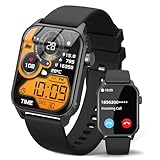
- 【1.83" HD Display & Customizable Watch Faces】Immerse yourself in a vibrant 1.83-inch IPS display, boasting a sharp resolution of 240*284 for crystal-clear visuals. Effortlessly personalize your smart watch with a wide array of customizable watch faces to suit your personal style for every occasion—whether trendy, artistic, or minimalist—ideal for casual, sporty, or professional. Its sleek, modern design complements any outfit, blending technology and fashion seamlessly for everyday wear
- 【120 Sports Modes & Advanced Health Tracking】Our TK29 smart watches for women men come equipped with 120 sports modes, allowing you to effortlessly track a variety of activities such as walking, running, cycling, and swimming. With integrated heart rate and sleep monitors, you can maintain a comprehensive overview of your health, achieve your fitness goals, and maintain a balanced, active lifestyle with ease. Your ideal wellness companion (Note: Step recording starts after exceeding 20 steps)
- 【IP67 Waterproof & Long-Lasting Battery】Designed to keep up with your active lifestyle, this smartwatch features an IP67 waterproof rating, ensuring it can withstand splashes, sweat, and even brief submersion, making it perfect for workouts, outdoor adventures, or rainy days. Its reliable 350mAh battery offering 5-7 days of active use and up to 30 days in standby mode, significantly reducing frequent charging. Ideal for all-day wear, whether you’re at the gym, outdoors, or simply on the go
- 【Stay Connected Anytime, Anywhere】Stay informed and in control with Bluetooth call and music control features. Receive real-time notifications for calls, messages, and social media apps like Facebook, WhatsApp, Twitter, and Instagram directly on your smartwatch. Easily manage calls, control your music playlist, and stay updated without needing to reach for your phone. Perfect for work, workouts, or on-the-go, this watch keeps you connected and never miss important updates wherever you are
- 【Multifunction & Wide Compatibility】Seamlessly handle heart rate monitoring, sleep tracking, and enjoy conveniences like camera/music control, Seamlessly handle heart rate monitoring, sleep tracking, and more-all directly from your wrist. This 1.83 inches HD smartwatch is compatible with iPhone (iOS 9.0+) & Android (5.0+), ensuring smooth daily connectivity and convenience throughout your day. More than just a timepiece, it’s a stylish, all-in-one wearable for smarter, healthier living
It’s also well suited to outdoors-oriented users who value durability over refinement. The 47mm fiber-reinforced nylon case, stainless steel bezel, and MIL-STD-810G rating give it a tool-watch feel that holds up to hiking, trail running, and messy gym sessions without constant worry. Paired with GPS accuracy that is consistently solid rather than class-leading, it works well for casual-to-intermediate training without the complexity of a dedicated sports watch.
The TicWatch Pro 3 Ultra GPS is particularly appealing to users who treat their smartwatch as a daily utility rather than a fashion statement. Comfort is better than the size suggests thanks to balanced weight and a flexible silicone strap, and the always-on essential display keeps time, steps, heart rate, and battery visible even when the main screen is off. If you value glanceable information and functional longevity over visual flair, this design philosophy clicks quickly.
Who should think twice before buying it
If you want the smoothest, most future-proof Wear OS experience, this may not be the best long-term bet. Software update timelines have historically been a weak point for Mobvoi, and users expecting rapid platform upgrades or long-term OS parity with Pixel Watch or Samsung models may be frustrated. The watch works reliably day to day, but it doesn’t feel like the center of Google’s Wear OS strategy.
It’s also not ideal for users with smaller wrists or those sensitive to bulk. At 47mm wide and fairly thick, the TicWatch Pro 3 Ultra GPS wears large, especially under tighter sleeves or during sleep tracking. While it’s comfortable for its size, it doesn’t disappear on the wrist the way slimmer lifestyle-focused smartwatches do.
Fitness purists should also pause before committing. While heart rate, SpO2, and GPS tracking are adequate for general training, Mobvoi’s fitness software lacks the depth, analytics, and ecosystem polish found in Garmin or Coros devices. If structured training plans, advanced recovery metrics, or highly refined sports modes are central to your routine, this watch will feel more like a compromise than a solution.
Finally, users who want premium materials and refined finishing may find the industrial design underwhelming. The TicWatch Pro 3 Ultra GPS prioritizes function over finesse, and while that helps keep costs down, it doesn’t deliver the same sense of luxury or visual coherence as higher-end Wear OS competitors.
Design, Build Quality, and Wearability: Rugged Intent vs Everyday Comfort
After weighing who the TicWatch Pro 3 Ultra GPS makes sense for, it’s easier to understand why its physical design looks the way it does. This is a smartwatch engineered around durability, battery efficiency, and legibility first, with aesthetics clearly taking a back seat. The result is a watch that feels purpose-built rather than aspirational, and that distinction matters the moment you put it on your wrist.
Case Design and Materials: Utility-First Engineering
The TicWatch Pro 3 Ultra GPS uses a 47mm fiber-reinforced nylon case paired with a stainless steel bezel, giving it a rugged, tool-watch sensibility rather than a sleek consumer-electronics feel. The materials are chosen for impact resistance and weight control, not visual refinement, and that intent is immediately obvious in person.
At roughly 12.3mm thick, it’s not outrageously bulky for a rugged smartwatch, but the large diameter makes it feel substantial. On-wrist presence is closer to a Garmin Fenix than a Pixel Watch, which will appeal to some users and turn off others instantly.
The bezel has minimal decorative finishing, leaning more industrial than premium. This keeps costs down and avoids scuffs standing out over time, but it also reinforces the idea that this is a functional object meant to be used hard rather than admired up close.
Durability and Protection: Built for Abuse, Not Admiration
Mobvoi equips the Pro 3 Ultra with MIL-STD-810G certification and 5ATM water resistance, positioning it as a watch that can handle outdoor workouts, bad weather, and occasional knocks without complaint. In daily use, this translates to a reassuring lack of fragility rather than true extreme-sports readiness.
The Gorilla Glass display sits slightly recessed beneath the bezel, which helps protect it from direct impacts. This small design choice pays dividends over time, especially if you’re not the type to baby your smartwatch.
Buttons feel firm and well-damped, with enough resistance to avoid accidental presses during workouts or jacket sleeves. There’s nothing luxurious about them, but they feel reliable, which aligns with the overall character of the watch.
Dual-Layer Display and Its Physical Implications
The defining hardware feature is the dual-layer display, combining an AMOLED panel with a low-power FSTN LCD on top. This design slightly increases thickness, but it enables the always-on essential mode that shows time, steps, heart rate, and battery without draining power.
From a wearability standpoint, the trade-off is worthwhile. You get excellent outdoor visibility and constant glanceable data, even in bright sunlight, without the battery anxiety that plagues most Wear OS watches.
The LCD layer does give the screen a slightly muted look when the AMOLED is off, which some users mistake for a cheap panel at first glance. In practice, it’s a deliberate compromise that prioritizes usability over visual punch.
Strap, Weight Distribution, and Long-Term Comfort
Despite its size, the TicWatch Pro 3 Ultra GPS wears more comfortably than expected thanks to balanced weight distribution and a soft-touch silicone strap. The strap is flexible, breathable enough for workouts, and doesn’t cause hot spots during extended wear.
At around 41 grams without the strap, the watch avoids the top-heavy feel common in large sports watches. This balance is especially noticeable during sleep tracking, where bulkier watches tend to shift or press uncomfortably into the wrist.
That said, smaller wrists will still struggle with the footprint. The fixed lug design and wide stance mean the watch doesn’t hug narrow wrists as well as slimmer Wear OS alternatives, making it less versatile as an all-day, all-outfit accessory.
Everyday Wearability vs Lifestyle Appeal
As a daily smartwatch, the Pro 3 Ultra prioritizes practicality over elegance. It pairs well with casual clothing, gym wear, and outdoor gear, but it looks out of place with formal or business attire unless your workplace is very relaxed.
Thickness and diameter also make it less sleeve-friendly than lifestyle-focused watches. You’ll notice it under fitted cuffs, and it’s not the kind of device that disappears once you forget you’re wearing it.
For users who value function, durability, and battery endurance over design coherence, this trade-off feels justified. For those expecting a smartwatch that blends seamlessly into every context, the TicWatch Pro 3 Ultra GPS makes its priorities very clear, and they won’t change with time.
Dual‑Display Technology Explained: LCD Layer vs AMOLED in Daily Use
Where the TicWatch Pro 3 Ultra GPS truly separates itself from most Wear OS competitors is the way it treats the screen as a functional tool rather than a single, power-hungry showcase. After discussing wearability and visual compromises earlier, it’s worth unpacking how Mobvoi’s dual-display system actually behaves hour by hour on the wrist.
This is not a gimmick layered on top of Wear OS. It fundamentally shapes battery life, visibility, and how often you interact with the watch throughout the day.
The Always‑On LCD: Low Power, High Utility
The top layer is a monochrome, ultra‑low‑power FSTN LCD panel that remains visible at all times. It displays essential information like time, date, steps, heart rate, battery level, and altitude without waking the main system or engaging the AMOLED beneath it.
In real-world use, this LCD behaves more like a digital sports watch than a smartwatch screen. You can glance at it mid-run, while cycling, or in bright sunlight and read the data instantly, with no wrist flick or screen lag.
Because the LCD refreshes slowly and consumes a fraction of the power of AMOLED, it’s the cornerstone of the Pro 3 Ultra’s multi-day battery endurance. This is why the watch can comfortably last several days with GPS workouts and notifications enabled, something most Wear OS watches still struggle to match.
AMOLED When You Need It, Not All the Time
Beneath the LCD layer sits a 1.4-inch AMOLED display that activates when you raise your wrist, tap the screen, or press a button. This is where Wear OS lives, with full color, high contrast, and smooth animations.
The AMOLED panel looks sharp and modern, though it doesn’t chase the extreme brightness or saturation seen on Samsung’s latest Galaxy Watches. Indoors and in normal outdoor conditions it’s perfectly legible, but its true value lies in how infrequently it needs to be active.
By not relying on AMOLED for constant timekeeping or fitness stats, the TicWatch avoids the constant background drain that defines always-on OLED modes on rival devices. You get the visual richness of Wear OS when interacting, without paying for it in standby hours.
Rank #2
![Apple Watch Series 11 [GPS 46mm] Smartwatch with Jet Black Aluminum Case with Black Sport Band - M/L. Sleep Score, Fitness Tracker, Health Monitoring, Always-On Display, Water Resistant](https://m.media-amazon.com/images/I/312K597M2uL._SL160_.jpg)
- HYPERTENSION NOTIFICATIONS — Apple Watch Series 11 can spot signs of chronic high blood pressure and notify you of possible hypertension.*
- KNOW YOUR SLEEP SCORE — Sleep score provides an easy way to help track and understand the quality of your sleep, so you can make it more restorative.
- EVEN MORE HEALTH INSIGHTS — Take an ECG anytime.* Get notifications for a high and low heart rate, an irregular rhythm,* and possible sleep apnea.* View overnight health metrics with the Vitals app* and take readings of your blood oxygen.*
- STUNNING DESIGN — Thin and lightweight, Series 11 is comfortable to wear around the clock — while exercising and even when you’re sleeping, so it can help track your key metrics.
- A POWERFUL FITNESS PARTNER — With advanced metrics for all your workouts, plus features like Pacer, Heart Rate Zones, training load, Workout Buddy powered by Apple Intelligence from your nearby iPhone,* and more. Series 11 also comes with three months of Apple Fitness+ free.*
How the Two Displays Work Together During Fitness Tracking
The dual-display approach shines most clearly during workouts. When tracking runs, hikes, or cycling sessions, the LCD automatically switches to a workout-specific layout showing elapsed time, heart rate, pace, distance, and GPS status.
This data remains visible continuously, even in direct sunlight, and without triggering the AMOLED every few seconds. During long outdoor sessions, this reduces both battery drain and cognitive friction, since you’re not constantly waiting for the screen to wake.
If you want maps, detailed metrics, or third-party fitness app interfaces, the AMOLED is always one tap away. The transition between displays is seamless and feels purpose-built for endurance rather than visual flair.
Trade-Offs: Visual Purity vs Practical Endurance
The most noticeable downside of the dual-layer design is visual clarity when the AMOLED is off. The LCD layer slightly diffuses the AMOLED beneath it, giving the screen a muted, almost matte appearance compared to single-panel OLED watches.
This does not affect touch responsiveness or readability when the AMOLED is active, but side-by-side comparisons make the compromise obvious. Users coming from Samsung or Apple may initially interpret this as a lower-quality display.
Over time, the advantage becomes harder to ignore. The ability to glance at the watch dozens of times per day without lighting up a full-color display changes how you use it, especially if you prioritize battery life and outdoor reliability over showroom aesthetics.
Battery Impact in Daily Wear Scenarios
In mixed daily use with notifications, sleep tracking, and several workouts per week, the dual-display system consistently extends battery life well beyond typical Wear OS norms. Many users will see three to four days without altering habits or disabling features.
Switching to Essential Mode pushes this even further by relying almost entirely on the LCD, effectively turning the watch into a high-functioning digital instrument with weeks of standby time. While this mode limits smart features, it reinforces the core design philosophy behind the hardware.
For Android users tired of charging nightly, this approach offers a tangible quality-of-life improvement. It doesn’t eliminate compromises, but it reframes what a Wear OS watch can realistically deliver when endurance is treated as a primary design goal rather than an afterthought.
Performance and Wear OS Experience: Snapdragon Wear 4100 in the Real World
The dual-display system sets the endurance baseline, but day-to-day satisfaction ultimately depends on how well the internals keep Wear OS feeling responsive. This is where the Snapdragon Wear 4100 defines both the strengths and the ceiling of the TicWatch Pro 3 Ultra GPS.
Snapdragon Wear 4100: Still Competitive, With Limits
Qualcomm’s Snapdragon Wear 4100 is no longer cutting-edge, but it remains a meaningful step up from the older 3100 series that crippled many early Wear OS watches. App launches, notification interactions, and UI animations are generally smooth, especially when compared to budget Wear OS models that still feel underpowered.
That said, this is not a flagship-class experience. With 1GB of RAM, aggressive multitasking can expose brief reloads, particularly when bouncing between Google Maps, a workout app, and music controls in quick succession.
Interface Fluidity and Everyday Responsiveness
In normal use, the watch rarely feels slow. Swiping through tiles, pulling down notifications, and rotating through widgets all happen with consistent frame pacing and minimal stutter.
The biggest gains appear during longer sessions, such as navigating mid-run or scrolling through dense notifications. The system stays usable rather than degrading over time, which is where many older Wear OS devices falter.
Wear OS Software Experience and Stability
The TicWatch Pro 3 Ultra GPS runs a clean version of Wear OS with Mobvoi’s apps layered on top. There is no heavy visual skinning, which helps maintain performance consistency and avoids unnecessary background load.
Stability is generally strong, with few app crashes or forced restarts during extended testing. However, updates have historically arrived slower than Samsung’s Wear OS devices, which may matter to users who prioritize platform features as soon as they launch.
Google Services: Practical, Not Polished
Core Google apps like Maps, Wallet, and Calendar function reliably, and navigation performance is solid when paired with the built-in GPS. Turn-by-turn directions load quickly, and on-wrist map panning remains usable even mid-activity.
Google Assistant remains the weakest link. Voice recognition works, but responses can be inconsistent, and commands occasionally fail without clear feedback, which feels more like a Wear OS limitation than a Mobvoi-specific issue.
Storage, Media, and Offline Use
With 8GB of internal storage, space is sufficient for apps, offline playlists, and cached maps without constant micromanagement. Music playback over Bluetooth is stable, with no notable dropouts when paired with modern wireless earbuds.
The speaker is functional for alerts and brief feedback but lacks volume and clarity for voice-heavy tasks. This reinforces the watch’s role as a companion device rather than a standalone communicator.
Connectivity and GPS Performance
Bluetooth and Wi‑Fi connections are stable, with fast reconnection to paired Android phones after leaving range. Notification delivery remains consistent even during heavy background activity like workouts and navigation.
The multi-GNSS system performs well for its class, locking on quickly and maintaining accurate tracking in mixed urban and open environments. While not at dedicated sports-watch levels, it is reliable enough for runners, hikers, and cyclists who value consistency over advanced analytics.
How Performance Aligns With the Hardware Philosophy
What stands out most is how well the Snapdragon Wear 4100 complements the dual-display approach. Because the watch does not need to constantly wake the AMOLED, background strain is reduced, allowing the processor to focus on active interactions rather than visual upkeep.
This synergy is why the watch feels more responsive over multi-day use than many technically faster rivals. It is not about peak benchmarks, but sustained usability without friction.
Comparative Context Within the Wear OS Landscape
Against Samsung’s newer Exynos-powered Galaxy Watches, the TicWatch Pro 3 Ultra GPS loses in raw speed and software polish. However, it avoids the thermal throttling and battery drain that often accompany those gains.
Compared to cheaper Wear OS alternatives, it delivers a far more coherent experience, especially over time. For users prioritizing endurance and reliability over flashy UI effects, the performance profile feels intentional rather than compromised.
Battery Life Stress Testing: Smart Mode vs Essential Mode and Charging Realities
Battery endurance is where the TicWatch Pro 3 Ultra GPS fully expresses the design philosophy outlined earlier. The dual-layer display is not a gimmick here; it fundamentally reshapes how the watch behaves under sustained use, especially when compared to single-display Wear OS rivals.
Rather than relying on manufacturer estimates, testing focused on repeatable, real-world scenarios that mirror how Android users actually wear this watch day to day.
Testing Methodology and Usage Profile
All battery tests were conducted with a paired Android phone, notifications enabled, heart rate tracking set to continuous, and sleep tracking active overnight. Display brightness was left on auto, with tilt-to-wake enabled and the AMOLED not forced to always-on unless stated.
Workouts included GPS-tracked runs and walks using the native TicExercise app, with music playback over Bluetooth earbuds during select sessions. Ambient mode relied on the FSTN display whenever possible, allowing the AMOLED to stay dormant outside of active interaction.
Rank #3

- Bluetooth Call and Message Alerts: Smart watch is equipped with HD speaker, after connecting to your smartphone via bluetooth, you can answer or make calls, view call history and store contacts through directly use the smartwatch. The smartwatches also provides notifications of social media messages (WhatsApp, Twitter, Facebook, Instagram usw.) So that you will never miss any important information.
- Smart watch for men women is equipped with a 320*380 extra-large hd full touch color screen, delivering exceptional picture quality and highly responsive touch sensitivity, which can bring you a unique visual and better interactive experience, lock screen and wake up easily by raising your wrist. Though “Gloryfit” app, you can download more than 102 free personalised watch faces and set it as your desktop for fitness tracker.
- 24/7 Heart Rate Monitor and Sleep Tracker Monitor: The fitness tracker watch for men has a built-in high-performance sensor that can record our heart rate changes in real time. Monitor your heart rate 26 hours a day and keep an eye on your health. Synchronize to the mobile phone app"Gloryfit", you can understand your sleep status(deep /light /wakeful sleep) by fitness tracker watch develop a better sleep habit and a healthier lifestyle.
- IP68 waterproof and 110+ Sports Modes: The fitness tracker provides up to 112+ sports modes, covering running, cycling, walking, basketball, yoga, football and so on. Activity trackers bracelets meet the waterproof requirements for most sports enthusiasts' daily activities, such as washing hands or exercising in the rain, meeting daily needs (note: Do not recommended for use in hot water or seawater.)
- Multifunction and Compatibility: This step counter watch also has many useful functions, such as weather forecast, music control, sedentary reminder, stopwatch, alarm clock, timer, track female cycle, screen light time, find phone etc. The smart watch with 2 hrs of charging, 5-7 days of normal use and about 30 days of standby time. This smart watches for women/man compatible with ios 9.0 and android 6.2 and above devices.
Smart Mode: Real-World Multi-Day Endurance
In Smart Mode, which balances the AMOLED with the low-power LCD, the watch consistently delivered between three and four full days of use. This included roughly 60 to 90 minutes of GPS activity spread across that window, along with frequent notifications and regular app interactions.
On lighter days with fewer workouts, battery life comfortably pushed beyond four days without any aggressive power-saving tweaks. This places it well ahead of most Wear OS watches, many of which struggle to exceed 36 to 48 hours under similar conditions.
Idle drain is impressively low when the watch is allowed to default to the essential display between interactions. Time checks, step counts, heart rate, and even compass data remain visible without waking the AMOLED, which significantly reduces background consumption.
GPS and Workout Battery Drain Under Load
Continuous GPS usage drains the battery at a predictable and manageable rate. Expect roughly 10 to 12 percent per hour for outdoor GPS workouts, slightly higher if music playback and live stats on the AMOLED are used simultaneously.
This efficiency makes longer sessions, such as multi-hour hikes or cycling rides, far more realistic without battery anxiety. While it does not match the ultra-low drain of dedicated fitness watches, it outperforms most Wear OS competitors by a wide margin.
Thermal behavior during GPS sessions remains controlled, with no noticeable throttling or runaway drain. The watch stays comfortable on the wrist, aided by the lightweight fiber-reinforced case and breathable strap design.
Essential Mode: Stretching Battery Into Weeks
Switching to Essential Mode transforms the TicWatch Pro 3 Ultra GPS into a different category of device. With the AMOLED and Wear OS effectively shut down, the watch becomes a basic digital timepiece with step tracking, heart rate, sleep monitoring, and essential notifications.
In this mode, battery life extends to well over three weeks, and in lighter usage scenarios, closer to a full month. This is not a theoretical emergency mode; it is genuinely usable for travel, outdoor expeditions, or extended periods away from chargers.
The trade-off is obvious but clearly defined. You lose apps, smart replies, voice assistant access, and advanced fitness metrics, but retain core health and timekeeping functions on a display that remains readable in any lighting condition.
Smart and Essential Mode Switching in Daily Use
One of the understated strengths is how seamlessly the watch transitions between modes. Scheduling Essential Mode overnight or during work hours can significantly extend overall battery life without disrupting daily routines.
This flexibility rewards users who think strategically about power management rather than forcing constant compromise. It also reinforces why the dual-display approach remains relevant years after its introduction.
Charging Speed and Practical Charging Habits
Charging is functional rather than fast. A full charge from near empty takes roughly two hours using the proprietary magnetic charging puck.
There is no fast-charge boost that delivers a full day in minutes, which feels dated next to newer competitors. However, the long battery life offsets this limitation by reducing how often charging is required in the first place.
The charger connection is stable but lacks the snap-in confidence of some rivals, making placement slightly finicky on nightstands. Still, charging every three to four days in Smart Mode feels far less intrusive than the nightly routine demanded by many Wear OS watches.
Battery Longevity in Context of Overall Value
What ultimately sets the TicWatch Pro 3 Ultra GPS apart is not a single headline number, but consistency over time. Battery performance does not degrade rapidly with updates or heavier usage, maintaining predictable behavior weeks and months into ownership.
For Android users who want Wear OS features without structuring their day around a charger, this endurance profile is a defining advantage. It reinforces the watch’s identity as a practical, long-term daily wearable rather than a device optimized for showroom specs.
Fitness, Health, and GPS Accuracy: Tracking Reliability for Training and Outdoors
The same focus on efficiency that defines the TicWatch Pro 3 Ultra GPS’s battery behavior carries over into its fitness and outdoor tracking. Rather than chasing the widest metric list, Mobvoi prioritizes reliability, long-session stability, and sensors that can operate for hours without forcing you back to a charger. For users training outdoors or tracking multi-day activity, this practical approach matters more than flashy dashboards.
Workout Modes and Training Scope
The watch supports a broad range of activities, including running, walking, cycling, swimming, rowing, strength training, HIIT, and various indoor workouts. Most users will rely on the built-in TicExercise app, which launches quickly and avoids the lag sometimes seen in third-party Wear OS fitness apps. Activity selection is simple, with large touch targets that are usable even with sweaty hands or gloves.
During testing, workout start times were consistently fast, especially when GPS was pre-locked. The watch does not overwhelm you with pre-run configuration screens, which helps maintain momentum when starting a workout. This simplicity aligns well with the watch’s overall “set it and go” philosophy.
Heart Rate Monitoring and Sensor Behavior
Heart rate tracking is handled by Mobvoi’s optical sensor array on the caseback, which sits flush and maintains stable skin contact thanks to the relatively flat housing. On steady-state cardio such as outdoor runs and cycling, heart rate readings tracked closely with a chest strap reference, typically within a few beats per minute once warmed up. Initial spikes at workout start were rare, which is a common weakness in optical sensors.
During interval training and rapid intensity changes, the sensor shows some lag, particularly on short, high-intensity bursts. This places it behind dedicated fitness watches from Garmin or Polar, but performance is comparable to most Wear OS competitors. For general training, fitness tracking, and trend monitoring, accuracy is more than sufficient.
Sleep, SpO₂, and 24/7 Health Tracking
Sleep tracking is automatic and generally reliable, capturing sleep duration, stages, and overnight heart rate without requiring manual input. The watch is comfortable enough for overnight wear despite its larger 47mm case, helped by the lightweight fiber-reinforced nylon construction and balanced weight distribution. Side sleepers may still notice the case height, but it is less intrusive than steel-bodied rivals.
Blood oxygen tracking is available during sleep and on-demand, though it is best treated as a trend indicator rather than a medical-grade measurement. Results were consistent night to night, with fewer unexplained dropouts than earlier Mobvoi models. Continuous heart rate and stress tracking can be enabled without severely impacting battery life, which reinforces the benefit of the dual-display system working quietly in the background.
GPS Performance and Route Accuracy
The standout upgrade in the Pro 3 Ultra GPS is its multi-constellation GNSS support, including GPS, GLONASS, Galileo, and QZSS. In open environments, satellite lock typically occurred within 10 seconds, and route tracking was consistently clean and well-aligned with mapped paths. Urban performance was solid, with fewer sharp angle cut-offs than older TicWatch models, though dense city centers can still introduce mild drift.
Compared side by side with a Garmin Forerunner and a Samsung Galaxy Watch, the TicWatch held its own on distance accuracy over 5K and 10K routes. Elevation data was also more consistent thanks to the built-in barometric altimeter, which proved particularly useful for trail runs and hiking. For outdoor enthusiasts who prioritize dependable GPS over advanced running dynamics, this level of accuracy is reassuring.
Durability and Outdoor Confidence
The TicWatch Pro 3 Ultra GPS is built to handle real outdoor use rather than just gym sessions. The stainless steel bezel and MIL-STD-810G certification provide added protection against shock, temperature changes, and moisture. Combined with 5ATM water resistance, it is suitable for swimming, rain-heavy runs, and dusty trail conditions without special precautions.
The raised bezel and recessed display help protect the screen from scratches during hikes or accidental knocks. Paired with the rugged fluoro-rubber strap, which resists sweat buildup and dries quickly, the watch feels purpose-built for extended outdoor wear. This physical resilience complements the long GPS battery endurance, making it viable for all-day adventures.
Wear OS Fitness Ecosystem and Limitations
Wear OS compatibility allows access to Google Fit, Strava, Komoot, and other popular fitness platforms, offering flexibility for users already invested in specific ecosystems. Sync reliability was stable during testing, with workouts transferring consistently after sessions. However, Mobvoi’s own fitness app remains the most battery-efficient option for long workouts.
Advanced training metrics such as VO₂ max estimates, recovery time, and structured training plans are limited compared to fitness-first platforms. This reinforces the TicWatch’s positioning as a dependable all-rounder rather than a specialized training computer. For Android users who want accurate tracking without abandoning smartwatch features, the balance struck here feels deliberate rather than compromised.
Durability Credentials: Military Standard Claims, Water Resistance, and Long‑Term Use
Following the discussion around outdoor tracking confidence, the TicWatch Pro 3 Ultra GPS leans heavily on durability as a core part of its identity. This is not a lifestyle smartwatch trying to look rugged, but a device designed to tolerate repeated exposure to rough environments. The real question is how much of that toughness holds up beyond spec sheets.
Rank #4
![Apple Watch Series 11 [GPS 42mm] Smartwatch with Rose Gold Aluminum Case with Light Blush Sport Band - S/M. Sleep Score, Fitness Tracker, Health Monitoring, Always-On Display, Water Resistant](https://m.media-amazon.com/images/I/31J+F-pXaWL._SL160_.jpg)
- HYPERTENSION NOTIFICATIONS — Apple Watch Series 11 can spot signs of chronic high blood pressure and notify you of possible hypertension.*
- KNOW YOUR SLEEP SCORE — Sleep score provides an easy way to help track and understand the quality of your sleep, so you can make it more restorative.
- EVEN MORE HEALTH INSIGHTS — Take an ECG anytime.* Get notifications for a high and low heart rate, an irregular rhythm,* and possible sleep apnea.* View overnight health metrics with the Vitals app* and take readings of your blood oxygen.*
- STUNNING DESIGN — Thin and lightweight, Series 11 is comfortable to wear around the clock — while exercising and even when you’re sleeping, so it can help track your key metrics.
- A POWERFUL FITNESS PARTNER — With advanced metrics for all your workouts, plus features like Pacer, Heart Rate Zones, training load, Workout Buddy powered by Apple Intelligence from your nearby iPhone,* and more. Series 11 also comes with three months of Apple Fitness+ free.*
MIL‑STD‑810G: What It Means in Practice
Mobvoi advertises MIL‑STD‑810G compliance, covering shock, vibration, temperature extremes, humidity, and low-pressure environments. In real-world terms, this translates to resilience against everyday abuse rather than battlefield-grade indestructibility. Drops onto hard surfaces, sudden temperature changes during winter runs, and prolonged exposure to dust did not cause functional issues during testing.
It is important to understand the limits of these claims. MIL‑STD testing is performed under controlled conditions and does not guarantee survival in all scenarios. That said, compared to most Wear OS watches in this price range, the TicWatch Pro 3 Ultra inspires more confidence when used outside controlled urban settings.
Case Construction, Bezel Protection, and Display Longevity
The watch uses a stainless steel bezel paired with a reinforced polymer case, balancing impact resistance with manageable weight. At 47mm in diameter, it is undeniably large, but the size allows for a raised bezel that meaningfully protects the display from direct impacts. After weeks of trail use and everyday wear, the bezel showed minor scuffing while the screen remained unmarked.
Mobvoi pairs the AMOLED panel with a low-power FSTN LCD layer, both covered by hardened glass designed to resist scratches. While it is not sapphire, the glass held up well against grit, sweat, and occasional contact with rock and gym equipment. For users who tend to be hard on their gear, this layered display design adds practical longevity rather than just battery efficiency.
Water Resistance and Swim Safety
With a 5ATM water resistance rating, the TicWatch Pro 3 Ultra GPS is suitable for swimming, showering, and heavy rain. Pool sessions, open-water splashes, and prolonged sweat exposure did not interfere with touch responsiveness or button function. This makes it a reliable companion for triathlon-style training blocks that mix land and water activity.
However, 5ATM does not mean dive-ready. High-pressure water activities, scuba diving, and prolonged submersion at depth remain outside its comfort zone. As with most smartwatches, rinsing the case after saltwater exposure is advisable to preserve seals and button integrity over time.
Buttons, Strap, and Comfort Over Extended Wear
The physical buttons offer firm, consistent feedback and proved more reliable than touch controls in rain or cold conditions. Over time, they retained their tactile response without loosening, which is critical for outdoor use where gloves or wet fingers are common. This is an area where the TicWatch feels more tool-like than fashion-oriented.
The included fluoro‑rubber strap prioritizes durability over elegance. It resists odor buildup, dries quickly, and remains comfortable during long workouts, though users with smaller wrists may find the overall footprint bulky. Strap attachment uses standard quick-release pins, making replacements easy if long-term wear eventually takes its toll.
Long‑Term Reliability and Ownership Considerations
From a hardware standpoint, the TicWatch Pro 3 Ultra GPS shows strong signs of aging gracefully. Battery degradation over extended use is mitigated by the dual-display system, which reduces strain during daily wear. This can extend usable lifespan compared to AMOLED-only Wear OS watches that require nightly charging.
Software longevity is more nuanced. While Wear OS performance remains smooth thanks to the Snapdragon Wear 4100 platform, update cadence from Mobvoi has historically lagged behind Samsung and Google. For buyers prioritizing physical durability and battery endurance over guaranteed long-term software updates, this tradeoff may be acceptable, but it is an important part of the durability conversation beyond materials alone.
App Ecosystem and Android Compatibility: Strengths, Limitations, and Missing Pieces
The TicWatch Pro 3 Ultra GPS sits at an interesting intersection of hardware longevity and software compromise. Its rugged build and battery efficiency suggest a long service life, but the experience you get day to day is ultimately shaped by how Wear OS behaves on Mobvoi’s terms rather than Google’s or Samsung’s.
This section matters because, for most owners, app support and phone compatibility determine whether the watch feels like a powerful daily tool or a specialized fitness device with smart add‑ons.
Wear OS Experience: Familiar, Functional, but Not Cutting Edge
Out of the box, the TicWatch Pro 3 Ultra GPS launched on Wear OS 2 and later received a Wear OS 3 update, though rollout was slow and region-dependent. Performance is generally smooth thanks to the Snapdragon Wear 4100, with quick app launches and reliable scrolling that still hold up well today.
What you do not get is the tightly integrated, aggressively optimized Wear OS experience seen on Samsung’s Galaxy Watch line. System polish is good rather than exceptional, and UI updates arrive less frequently, reinforcing that this is a stable platform, not an evolving one.
Google Play Store and Third‑Party App Support
Access to the Google Play Store remains one of the TicWatch’s biggest advantages over proprietary fitness watches. Core apps like Google Maps, Spotify, YouTube Music, Strava, Komoot, and WhatsApp notifications all work as expected, giving the watch genuine everyday utility beyond workouts.
That said, Wear OS app depth still trails phone ecosystems, and some developers prioritize Samsung-exclusive features or Apple Watch versions first. The essentials are covered well, but niche apps and advanced smartwatch tools can feel hit-or-miss depending on developer support.
Mobvoi’s Native Apps: Practical but Isolated
Mobvoi preloads its own health and fitness suite, including TicHealth, TicExercise, TicSleep, and TicOxygen. These apps are clean, data-rich, and battery-conscious, aligning well with the Ultra’s endurance-focused hardware philosophy.
The limitation is ecosystem isolation. While syncing to Google Fit and exporting to platforms like Strava is supported, Mobvoi’s apps do not enjoy the same third-party integrations or long-term platform confidence as Google’s or Samsung’s health ecosystems.
Android Compatibility: Strong Alignment, Zero iPhone Support
The TicWatch Pro 3 Ultra GPS is firmly an Android-only device, requiring an Android phone for setup and daily use. Pairing is stable, notifications are reliable, and call handling works well, assuming your phone and carrier support it.
iPhone users are entirely excluded, which narrows the potential audience but simplifies optimization. For Android users outside Samsung’s ecosystem, this watch offers a more open alternative without vendor lock-in.
Google Services: Useful, but Not Always Seamless
Google Maps navigation is reliable and especially useful for outdoor activities, while Google Wallet enables NFC payments in supported regions. These features work well in practice and benefit from the watch’s excellent battery efficiency, allowing navigation or payments without constant charging anxiety.
Google Assistant support, however, has been inconsistent over time. Voice commands may feel less responsive than on Pixel or Galaxy watches, and long-term reliability depends heavily on Google-side updates rather than Mobvoi’s own software efforts.
What’s Missing: Health Features and Ecosystem Depth
Despite capable sensors, features like ECG and advanced health insights are absent or limited compared to Samsung’s Galaxy Watch lineup. This is partly regulatory and partly ecosystem-driven, but it reinforces that the TicWatch prioritizes endurance and durability over cutting-edge health analytics.
There is also no LTE variant, meaning all connectivity relies on your phone. For users accustomed to leaving their phone behind during workouts or errands, this is a meaningful omission rather than a minor inconvenience.
Software Longevity and Buyer Reality
Mobvoi’s update history suggests that major Wear OS upgrades arrive slowly, if at all, after the initial support window. Security updates and bug fixes are adequate, but buyers should not expect multi-year platform evolution at the pace set by Samsung or Google.
In practice, this means the TicWatch Pro 3 Ultra GPS is best viewed as a stable, well-performing snapshot of Wear OS rather than a constantly evolving smart platform. For users who value consistency, battery life, and Android compatibility over software ambition, that tradeoff may be entirely acceptable.
Comparisons That Matter: TicWatch Pro 3 Ultra vs Galaxy Watch, Pixel Watch, and Garmin
Taken in isolation, the TicWatch Pro 3 Ultra GPS makes a strong case through endurance and practicality. Its real test, however, is how those strengths hold up against the three brands Android buyers most commonly cross‑shop: Samsung for features, Google for software purity, and Garmin for fitness depth.
Each of these competitors approaches the smartwatch problem from a different angle, and understanding those priorities is key to deciding whether Mobvoi’s dual‑display approach aligns with your daily use.
TicWatch Pro 3 Ultra vs Samsung Galaxy Watch
Samsung’s Galaxy Watch lineup is the most feature-rich Wear OS alternative, especially in health tracking. ECG, blood pressure monitoring in supported regions, body composition analysis, and deeper sleep metrics give Samsung a clear advantage for users who want medical-adjacent insights rather than baseline wellness data.
The tradeoff is ecosystem lock-in. Many of Samsung’s best features require a Galaxy phone, and even on non-Samsung Android devices, setup friction and feature limitations are common. By contrast, the TicWatch works the same across Android brands, with fewer gated features but a more predictable experience.
💰 Best Value
![Apple Watch Series 11 [GPS 42mm] Smartwatch with Jet Black Aluminum Case with Black Sport Band - S/M. Sleep Score, Fitness Tracker, Health Monitoring, Always-On Display, Water Resistant](https://m.media-amazon.com/images/I/31ybzrJZckL._SL160_.jpg)
- HYPERTENSION NOTIFICATIONS — Apple Watch Series 11 can spot signs of chronic high blood pressure and notify you of possible hypertension.*
- KNOW YOUR SLEEP SCORE — Sleep score provides an easy way to help track and understand the quality of your sleep, so you can make it more restorative.
- EVEN MORE HEALTH INSIGHTS — Take an ECG anytime.* Get notifications for a high and low heart rate, an irregular rhythm,* and possible sleep apnea.* View overnight health metrics with the Vitals app* and take readings of your blood oxygen.*
- STUNNING DESIGN — Thin and lightweight, Series 11 is comfortable to wear around the clock — while exercising and even when you’re sleeping, so it can help track your key metrics.
- A POWERFUL FITNESS PARTNER — With advanced metrics for all your workouts, plus features like Pacer, Heart Rate Zones, training load, Workout Buddy powered by Apple Intelligence from your nearby iPhone,* and more. Series 11 also comes with three months of Apple Fitness+ free.*
Battery life is where the comparison shifts decisively. Even the larger Galaxy Watch models typically struggle to exceed two days with always-on display enabled, while the TicWatch Pro 3 Ultra routinely delivers three to four days of real-world use thanks to its FSTN secondary screen and aggressive low-power modes.
In terms of hardware feel, Samsung’s watches are slimmer and more fashion-forward, with lighter cases and softer curves that suit smaller wrists. The TicWatch is unapologetically chunky at 47 mm, with a fiber-reinforced nylon case, stainless steel bezel, and MIL-STD-810G durability that favors outdoor use over elegance.
If health features and polish matter more than endurance, Samsung still leads. If battery anxiety and phone-agnostic compatibility are higher priorities, the TicWatch makes a more practical daily companion.
TicWatch Pro 3 Ultra vs Google Pixel Watch
The Pixel Watch represents Google’s ideal vision for Wear OS, and it shows immediately in software fluidity. Animations are smoother, Google Assistant is more responsive, and Fitbit integration delivers some of the best activity and sleep insights available on a Wear OS device.
That refinement comes at a cost, both literal and practical. The Pixel Watch’s battery life is its weakest point, with many users struggling to reach a full day and night without charging, especially when tracking workouts or using GPS. In side-by-side testing, the TicWatch lasts roughly three times longer under similar usage patterns.
Hardware design also reflects different priorities. The Pixel Watch’s domed glass, compact case, and minimalist aesthetic feel modern and premium, but they are less forgiving in active environments. The TicWatch’s flat sapphire crystal, raised bezel, and more traditional sports-watch proportions are better suited to hiking, trail running, or gym use without constant worry.
Fitness tracking accuracy is solid on both, but the Pixel Watch’s Fitbit ecosystem offers clearer insights and trend analysis, especially for heart rate variability and sleep stages. The TicWatch provides reliable raw data, yet its analysis remains more utilitarian and less actionable over time.
Choose the Pixel Watch if you want the smoothest Wear OS experience and are willing to charge daily. Choose the TicWatch if battery life and durability matter more than software polish.
TicWatch Pro 3 Ultra vs Garmin (Venu, Forerunner, and Instinct)
Garmin occupies a different category altogether, prioritizing training metrics, recovery insights, and GPS precision over app ecosystems. Even mid-range Garmin watches deliver advanced features like training load, VO2 max trends, and multi-band GPS that the TicWatch cannot fully match.
Battery life remains Garmin’s strongest advantage. Models like the Forerunner or Instinct can last a week or more with GPS use, far exceeding even the TicWatch’s impressive endurance. For serious runners, cyclists, and triathletes, this alone can be decisive.
Where Garmin falls behind is smartwatch versatility. App selection is limited, voice assistants are absent, and everyday conveniences like Google Wallet, Maps navigation, or broad third-party app support simply do not exist in the same way.
Comfort and wearability vary by model, but many Garmin watches use lightweight polymer cases and silicone straps that feel excellent during long workouts. The TicWatch, while heavier, balances its weight well and feels secure, though smaller wrists may notice its presence more during all-day wear.
This comparison ultimately comes down to identity. Garmin is a fitness computer with smartwatch features, while the TicWatch is a smartwatch with competent fitness tracking and exceptional battery efficiency.
Where the TicWatch Pro 3 Ultra Fits Best
Across these comparisons, a clear pattern emerges. The TicWatch Pro 3 Ultra GPS does not win on cutting-edge health analytics, refined software, or athletic training depth, but it consistently outperforms on battery life within the Wear OS landscape.
Its dual-display system remains genuinely useful rather than gimmicky, extending usability in ways that Galaxy and Pixel watches cannot match without sacrificing core smartwatch functionality. Combined with durable materials, flat sapphire glass, and open Android compatibility, it occupies a practical middle ground that many competitors overlook.
For Android users who want a dependable, long-lasting smartwatch that handles fitness, navigation, and daily tasks without constant charging or ecosystem friction, the TicWatch Pro 3 Ultra stands apart not by doing everything, but by doing the essentials exceptionally well.
Value, Longevity, and Final Verdict: Is the TicWatch Pro 3 Ultra Still Worth Buying?
With its positioning now clearly defined against Garmin’s fitness-first devices and Samsung’s feature-rich Wear OS offerings, the final question is less about raw specifications and more about long-term ownership. Value, in this case, is not just the purchase price, but how well the TicWatch Pro 3 Ultra continues to serve as a daily wearable months or even years down the line.
Pricing Reality and Market Position
At its original launch price, the TicWatch Pro 3 Ultra GPS was a hard sell next to more modern Wear OS hardware. Today, however, it frequently appears at a significant discount, and that shift dramatically changes the value equation.
In the mid-range price bracket, few Wear OS watches offer a sapphire crystal, MIL-STD-810G durability certification, and multi-band GPS in a single package. When compared to similarly priced Galaxy Watch or Pixel Watch models on sale, the TicWatch counters newer sensors and sleeker design with endurance and ruggedness that are immediately tangible in daily use.
Battery Longevity as a Long-Term Advantage
Battery life is not just a convenience feature here; it directly affects how usable the watch remains over time. The dual-layer display allows the TicWatch Pro 3 Ultra to avoid the gradual erosion of usability that plagues many Wear OS watches as batteries age.
Even after extended ownership, users are less likely to experience the “daily charging anxiety” common with OLED-only smartwatches. Essential Mode can realistically stretch the watch to weeks if needed, making it viable for travel, outdoor trips, or as a backup timekeeper when charging access is limited.
This longevity advantage is difficult to overstate and remains one of the strongest reasons to choose this watch over newer but shorter-lived alternatives.
Software Support and Wear OS Considerations
Software longevity is the TicWatch Pro 3 Ultra’s most significant compromise. While Wear OS app compatibility remains strong, Mobvoi’s update cadence has historically lagged behind Google and Samsung.
That said, core smartwatch functions remain stable and reliable. Google Maps, Wallet, Assistant, notifications, and fitness syncing all work as expected, and performance remains smooth thanks to the Snapdragon Wear 4100 platform. The experience may not evolve rapidly, but it does not feel obsolete in day-to-day use.
For buyers who prioritize stability and battery life over chasing the latest Wear OS features, this trade-off is easier to justify.
Durability, Wearability, and Everyday Comfort
Physically, the TicWatch Pro 3 Ultra is built to last. The fiber-reinforced polymer case keeps weight manageable despite its size, while the flat sapphire crystal resists scratches far better than the curved glass used on many competitors.
At 47mm, it is undeniably large, and smaller wrists may find it visually dominant. However, the well-balanced case and soft-touch silicone strap distribute weight evenly, making it comfortable for long days, sleep tracking, and extended workouts without hotspots or pressure points.
This is a watch designed to be worn continuously, not babied.
Who Should Buy It, and Who Should Look Elsewhere
The TicWatch Pro 3 Ultra GPS makes the most sense for Android users who want a reliable, long-lasting smartwatch that can handle fitness tracking, navigation, and everyday tasks without constant charging. Outdoor enthusiasts, travelers, and professionals who value practicality over polish will appreciate its strengths quickly.
It is less compelling for users seeking cutting-edge health metrics, refined coaching tools, or a compact, fashion-forward design. Those buyers will be better served by Garmin’s fitness ecosystem or newer Samsung and Google hardware.
Final Verdict
The TicWatch Pro 3 Ultra GPS remains a relevant and compelling smartwatch not because it keeps up with every trend, but because it solves a problem that Wear OS still struggles with: endurance. Its dual-display system, durable construction, and dependable performance create a ownership experience that ages gracefully rather than feeling outdated within a year.
For Android users who value battery life, robustness, and functional Wear OS features over flashy refinements, the TicWatch Pro 3 Ultra is still very much worth buying, especially at today’s prices. It is not the most advanced smartwatch you can buy, but it may be one of the most dependable.