If you’ve ever looked at your Apple Watch rings at the end of a hard training day and thought “this still doesn’t tell me if I should push or rest tomorrow,” you’re already circling the core promise Whoop built its reputation on. Whoop doesn’t just log workouts or sleep duration; it translates raw physiological signals into daily guidance about how much stress you’ve accumulated, how well you’ve recovered, and how ready your body is for more.
This section breaks down what Whoop is actually measuring under the hood, why those concepts matter more than steps or calories for serious training, and where Apple Watch’s native experience stops short. Understanding this is critical before comparing apps, because third‑party Apple Watch tools aren’t inventing new data; they’re interpreting Apple’s sensors in a Whoop‑like way, with varying levels of rigor and transparency.
Strain: quantifying total cardiovascular load, not just workouts
Whoop’s Strain score is designed to represent the total cardiovascular stress placed on your body across an entire day, not just during logged workouts. It’s primarily driven by heart rate relative to your personal baseline, accumulating load minute by minute as your heart rate rises and stays elevated, whether that’s during intervals, a long run, manual labor, or even a stressful day on your feet.
The key distinction is that strain is individualized and continuous. A 45‑minute workout at 160 bpm doesn’t mean the same thing to a well‑trained endurance athlete as it does to a beginner, and Whoop’s model accounts for that by learning your heart rate response over time and scaling strain logarithmically rather than linearly.
🏆 #1 Best Overall
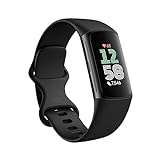
- Find your way seamlessly during runs or rides with turn-by-turn directions from Google Maps on Fitbit Charge 6[7, 8]; and when you need a snack break on the go, just tap to pay with Google Wallet[8, 9]
Apple Watch absolutely tracks heart rate and intensity, but natively it frames effort through Activity rings, calories, and workout summaries. There is no built‑in concept of cumulative daily physiological strain that blends workouts and non‑work stress into a single, adaptive score, which is why third‑party apps step in to reinterpret the same heart rate data.
Recovery: using HRV trends to estimate readiness, not performance
Recovery is the metric most people associate with Whoop, and it’s also the most misunderstood. Whoop’s Recovery score is largely driven by heart rate variability, resting heart rate, and sleep consistency compared against your own rolling baseline, producing a daily readiness signal rather than a measure of fitness or toughness.
High HRV relative to your norm, a stable or lowered resting heart rate, and adequate sleep push recovery up. Suppressed HRV, elevated resting heart rate, illness, alcohol, or accumulated fatigue pull it down, even if yesterday’s workout “felt fine.”
Apple Watch records HRV, but it does so opportunistically throughout the day and presents it as a raw value in Apple Health, not as a decision‑ready signal. There is no native readiness or recovery score, no automatic context around trends, and no guidance on how today’s physiology should influence training, which is exactly the gap Whoop fills and apps attempt to bridge.
Sleep: focusing on physiological quality, not just time in bed
Whoop treats sleep as a foundational recovery input, not a lifestyle stat. Beyond sleep duration and stages, it emphasizes sleep consistency, disturbances, respiratory rate, and overnight heart rate behavior to judge how effectively your body recovered, not simply whether you hit eight hours.
A shorter but uninterrupted night with stable overnight heart rate can score better than a longer night with frequent awakenings. That philosophy aligns with endurance and strength training realities, where sleep quality often matters more than headline duration.
Apple Watch’s native sleep tracking has improved dramatically, especially with automatic detection and stage breakdowns, but it remains descriptive rather than interpretive. You’re shown what happened, not how that sleep should influence today’s training load or recovery expectations.
Why Apple Watch doesn’t natively offer this experience
Apple Watch is built as a general‑purpose health and lifestyle device, not a single‑minded training companion. Apple prioritizes accuracy, privacy, and broad accessibility over prescriptive coaching, which is why it exposes high‑quality raw metrics through Apple Health rather than collapsing them into readiness or strain scores that could be misinterpreted or misused.
Battery life also shapes this design choice. Whoop is a lightweight, screenless band optimized for continuous data capture and multi‑day wear, while Apple Watch balances sensors, a bright display, apps, and notifications, making aggressive 24/7 physiological modeling more challenging without trade‑offs.
The result is that Apple Watch provides excellent inputs but minimal synthesis. The apps covered next attempt to layer Whoop‑style interpretation on top of Apple’s data, each making different compromises around accuracy, transparency, battery impact, and how closely they replicate the feel of a dedicated recovery platform.
Can Apple Watch Replicate Whoop? Hardware Strengths, Sensor Limits and Battery Trade-Offs
If Apple Watch already captures most of the same physiological signals as Whoop, the real question becomes less about data availability and more about whether the hardware is optimized to support Whoop‑style interpretation around the clock. This is where Apple Watch both impresses and imposes constraints, depending on how you train, sleep, and tolerate compromises in daily usability.
Sensor parity: Apple Watch is not the weak link
From a pure sensing perspective, modern Apple Watch models are remarkably well equipped. Continuous optical heart rate, high‑resolution HRV sampling, blood oxygen trends, respiratory rate, wrist temperature deviation, accelerometry, and barometric data form a physiological dataset that rivals or exceeds Whoop’s raw inputs.
In some areas, Apple Watch actually has the edge. ECG hardware enables higher‑fidelity beat‑to‑beat data during spot measurements, GPS adds contextual training load that Whoop infers indirectly, and skin temperature deviation offers an extra recovery‑relevant signal that many apps now incorporate.
Where Whoop differentiates is not the sensor list but how relentlessly it samples and normalizes those signals. Apple Watch can collect comparable data, but it does so opportunistically, balancing accuracy, wrist comfort, and battery life rather than committing fully to uninterrupted physiological surveillance.
Form factor and wearability: screen versus single purpose
Whoop’s slim, fabric‑backed band is designed to disappear on the wrist. No screen, minimal thickness, and soft materials make 24/7 wear almost frictionless, particularly overnight or during contact sports.
Apple Watch is physically larger and heavier, with a rigid case, exposed glass, and a more complex strap system. Even the lighter aluminum models with sport bands are noticeably more present on the wrist, and that presence matters when you’re sleeping nightly or wearing it through hard training blocks.
Comfort is not just subjective; it affects compliance. Missed nights, loosened straps, or taking the watch off to charge all create gaps that recovery algorithms must work around. Whoop’s design minimizes those gaps by design, while Apple Watch asks the user to manage them.
Sampling behavior and data continuity
Whoop samples heart rate and HRV continuously at high frequency, especially overnight, and builds its recovery model on tightly controlled nocturnal baselines. Apple Watch captures frequent heart rate data, but HRV is sampled in shorter windows, often clustered around sleep and periods of rest.
Third‑party apps can work within these constraints, but they cannot force Apple Watch to behave like a screenless band. Recovery scores derived from Apple Watch data are therefore more model‑dependent, relying on trend smoothing and multi‑day averages rather than dense overnight capture alone.
In practice, this means Apple Watch recovery metrics tend to be directionally accurate rather than surgically precise. They are excellent for identifying fatigue accumulation, illness signals, or under‑recovery patterns, but less reliable for fine‑grained day‑to‑day readiness swings.
Battery life: the defining trade‑off
Battery life is the single biggest reason Apple Watch cannot fully mirror the Whoop experience without compromise. Most models realistically deliver 24 to 36 hours with sleep tracking, workouts, and notifications enabled, which makes daily charging non‑negotiable.
Whoop’s multi‑day battery and on‑wrist charging eliminate this friction entirely. You never have to choose between wearing the device overnight and having enough power for the next day’s training, which preserves data continuity and simplifies the recovery narrative.
Apple Watch users must be intentional. Charging routines often happen during showers, desk time, or early evening, and missed charging windows directly affect sleep and recovery tracking. Apps can only interpret the data they receive, and battery anxiety becomes part of the recovery equation.
Strain modeling: Apple Watch’s hidden advantage
Where Apple Watch quietly excels is in external load measurement. GPS, pace, elevation, power (with compatible accessories), and structured workout support give Apple Watch a more nuanced picture of training stress than Whoop’s heart‑rate‑centric strain model.
Whoop’s strain score is elegant and consistent across sports, but it abstracts away mechanical load. Apple Watch‑based apps can combine cardiovascular strain with distance, intensity, and duration to produce training load estimates that endurance athletes often find more actionable.
This strength depends heavily on app quality. Apple does not provide a native strain metric, so interpretation varies widely between platforms, with some leaning toward Whoop‑like simplicity and others offering deeper training stress balance frameworks.
Sleep tracking: accuracy versus philosophy
Apple Watch’s sleep detection and staging accuracy is strong, particularly in recent generations, and raw sleep metrics are reliable enough for serious analysis. The limitation is not sensing sleep, but contextualizing it within recovery.
Whoop treats sleep as a performance tool, penalizing inconsistency and disturbances even when duration looks good. Apple Watch leaves that interpretation to apps, which may or may not adopt the same philosophy.
As a result, two apps using identical Apple Health sleep data can produce very different readiness outcomes. This flexibility is powerful, but it also places more responsibility on the user to choose a model that aligns with their training reality.
Can apps truly bridge the gap?
The short answer is that Apple Watch can approximate the Whoop experience, but it cannot fully replicate it at the hardware level. Apps can deliver convincing strain, recovery, and sleep insights, but they do so on top of a device designed for versatility rather than physiological singularity.
For many athletes, that trade‑off is worth it. You gain a full smartwatch, richer training context, and freedom from another subscription device, at the cost of tighter battery management and slightly less continuous recovery resolution.
Understanding these constraints is essential before choosing an app. The closer an app pushes Apple Watch toward Whoop‑style behavior, the more it must navigate battery drain, sampling limitations, and user compliance, and those compromises shape every recovery score you see.
Strain on Apple Watch: Best Apps for Training Load, Cardio Stress and Daily Exertion
If recovery is the long game, strain is the daily decision engine. This is where Whoop users live day to day, watching their strain score climb in response to workouts, steps, stress, and incidental movement.
Apple Watch does not expose a single, native “strain” number, so every app here is effectively interpreting heart rate, HRV, workout intensity, and duration through its own physiological lens. The result is not one Whoop replacement, but several competing philosophies of what exertion actually means.
What “strain” means on Apple Watch (and why it varies)
On Whoop, strain is driven by cardiovascular load relative to your baseline, accumulating across the entire day with an upper ceiling of 21. It is intentionally simple, designed to answer one question: how hard did today tax your system?
Apple Watch provides the raw ingredients, continuous heart rate, VO₂ max estimates, workout energy, and HRV samples, but leaves interpretation open-ended. Some apps weight structured workouts heavily, others let daily movement quietly add up, and a few barely acknowledge non-exercise activity at all.
This is why two apps can read the same workout and produce very different strain scores. Understanding which model aligns with your training style matters more than chasing a specific number.
Athlytic: the closest Whoop-style strain clone
Athlytic is the most overtly Whoop-inspired strain system available on Apple Watch today. It assigns a daily exertion score based on heart rate intensity, duration, and cumulative cardiovascular load across workouts and background activity.
The strain curve feels familiar if you have used Whoop, rising quickly during high-intensity intervals and tapering more slowly during steady-state work. Long walks, busy days, and standing hours also contribute, though not as aggressively as structured training.
Where Athlytic excels is integration. Strain, recovery, sleep, and readiness live in one coherent dashboard, with Apple Health data flowing cleanly in the background. The downside is battery sensitivity, as Athlytic encourages frequent heart rate sampling and background processing, particularly on older Apple Watch models.
For users explicitly trying to recreate the Whoop experience without another wearable, Athlytic is the most recognizable translation, but it does demand tighter charging discipline.
Training Today: cardio stress without lifestyle noise
Training Today takes a more conservative, endurance-sport-first approach. Its core metric is not strain, but cardiac stress derived from HRV and resting heart rate trends.
Rank #2

- Inspire 3 is the tracker that helps you find your energy, do what you love and feel your best. All you have to do is wear it.Operating temperature: 0° to 40°C
- Move more: Daily Readiness Score(1), Active Zone Minutes, all-day activity tracking and 24/7 heart rate, 20+ exercise modes, automatic exercise tracking and reminders to move
- Stress less: always-on wellness tracking, daily Stress Management Score, mindfulness sessions, relax breathing sessions, irregular heart rhythm notifications(2), SpO2(3), menstrual health tracking, resting heart rate and high/low heart rate notifications
- Sleep better: automatic sleep tracking, personalized Sleep Profile(1), daily detailed Sleep Score, smart wake vibrating alarm, sleep mode
- Comfortably connected day and night: calls, texts & smartphone app notifications(4), color touchscreen with customizable clock faces, super lightweight and water resistant to 50 meters, up to 10 day battery life(5)
Workouts drive the score almost entirely, while daily movement outside training sessions contributes little. This makes Training Today particularly appealing to runners, cyclists, and triathletes who want a clean separation between training load and general activity.
The interface is minimal and fast, with excellent Apple Watch performance and negligible battery impact. However, if you expect strain to rise simply because you had an active day, this model will feel underwhelming.
Training Today works best when paired with an external training plan, where the app acts as a readiness gate rather than a lifestyle tracker.
Gentler Streak: effort with guardrails
Gentler Streak reframes strain as effort relative to a personal “optimal zone.” Instead of encouraging you to push strain higher, it focuses on keeping exertion within adaptive bounds that evolve over time.
The app tracks workout intensity, duration, and frequency, then visualizes effort as part of a streak-based system that discourages spikes. This is less Whoop-like in presentation, but philosophically aligned with long-term recovery and injury prevention.
Gentler Streak is particularly strong for recreational athletes, strength trainers, and mixed-modality users who want guidance without gamified overload. It also has one of the most polished Apple Watch interfaces, with smooth animations and low battery overhead.
If your training goal is consistency rather than maximization, Gentler’s interpretation of strain may feel more sustainable than Whoop’s aggressive accumulation model.
Superset: modern training load with coaching context
Superset is a newer entrant that blends training load, readiness, and coaching-style feedback into a clean, modern interface. Its strain-like metric emphasizes workout intensity and density, with less emphasis on passive daily activity.
What sets Superset apart is context. Load is framed against recent history and upcoming recommendations, rather than as a standalone score to chase. Strength training is handled more intelligently than in most Apple Watch apps, avoiding inflated strain from short, high-heart-rate lifts.
Battery impact is moderate, and Apple Health syncing is reliable, though some features remain iPhone-centric. Superset is best suited to users who want strain interpreted through a coaching lens rather than a scoreboard.
Which strain model fits your training reality?
If you want a near-Whoop analog where strain accumulates across your entire day, Athlytic comes closest, with the trade-off of higher battery and denser data. If your priority is cardiovascular readiness for endurance training, Training Today’s narrower focus may actually be more actionable.
Gentler Streak suits athletes who value guardrails over gamification, while Superset offers a modern, coach-like interpretation of training load that feels less reactive and more planned.
None of these apps are objectively “right.” They are lenses applied to the same Apple Watch data, and strain is only useful when its logic matches how you train, recover, and live.
The Apple Watch can absolutely quantify exertion. The harder part is choosing which definition of strain you want to live by every day.
Recovery Scores on Apple Watch: HRV, Resting Heart Rate and Readiness Apps Compared
If strain answers “how hard did you push,” recovery is the counterweight that decides whether today should be about adaptation or restraint. This is where the Apple Watch’s raw metrics matter most, because every recovery score is essentially an interpretation layer applied to the same physiological signals.
Unlike Whoop, Apple does not surface a single, system-level recovery score. Instead, HRV, resting heart rate, sleep duration, sleep consistency, and sometimes respiratory rate live separately in Apple Health, leaving third-party apps to stitch them together into something actionable.
The foundation: what Apple Watch actually measures overnight
Apple Watch recovery apps rely heavily on overnight heart rate variability, typically calculated using the SDNN method from short, opportunistic samples during sleep. This is less continuous than Whoop’s approach, but still meaningful when averaged across multiple nights.
Resting heart rate is more stable and less sensitive day to day, but trends here often anchor readiness algorithms. A rising RHR paired with suppressed HRV is usually interpreted as fatigue, illness, or under-recovery.
Sleep duration and consistency act as modifiers rather than primary drivers. Most apps penalize short or fragmented sleep, but none can fully assess sleep stages with the same confidence as EEG-based systems, so recovery scores should be read as directional, not diagnostic.
Athlytic: the closest thing to Whoop’s recovery score
Athlytic applies the most literal Whoop-style readiness model on Apple Watch. It blends HRV, resting heart rate, sleep duration, and recent strain into a single percentage-based recovery score that updates daily.
The strength here is familiarity. If you’ve used Whoop before, Athlytic’s logic will feel immediately recognizable, including green-yellow-red readiness framing and clear daily guidance tied to training intensity.
The trade-off is sensitivity. Because Apple Watch HRV sampling is spottier, Athlytic can feel jumpy day to day, especially for users with inconsistent sleep schedules. Battery impact is higher than average due to background processing, and the app rewards users who sleep with their watch consistently and maintain stable routines.
Training Today: narrow, conservative, and HRV-first
Training Today takes a deliberately minimalist approach. Its readiness score is driven almost entirely by HRV deviation from your personal baseline, with minimal influence from sleep duration or prior training load.
This makes it exceptionally stable. Instead of reacting to a single bad night, Training Today smooths trends over time, which endurance athletes often prefer for long-term planning.
The downside is context. Strength training, life stress, and accumulated fatigue are underweighted, so the score can feel optimistic on days when your legs or nervous system clearly say otherwise. As a pure cardiovascular readiness gauge, however, it is one of the cleanest implementations on Apple Watch.
Gentler Streak: recovery as permission, not performance
Gentler Streak does not present recovery as a numeric score to optimize. Instead, it frames readiness through guidance zones that reflect how prepared your body appears to be for stress.
HRV and resting heart rate are used quietly in the background, influencing recommendations rather than dominating the interface. Poor sleep or elevated fatigue nudges the app toward rest or lighter activity without triggering alarmist warnings.
This approach trades precision for sustainability. Users coming from Whoop may miss a clear readiness percentage, but for long-term consistency and mental comfort, Gentler’s recovery logic often feels more humane and easier to live with.
AutoSleep and the sleep-first recovery model
AutoSleep approaches recovery from the opposite direction, prioritizing sleep quality, duration, and consistency over cardiovascular metrics. Its readiness-style insights are derived primarily from sleep debt, sleep efficiency, and overnight heart rate trends.
HRV is present but de-emphasized, which can be useful for users whose HRV data is noisy or inconsistent. The app excels at long-term sleep behavior change rather than day-to-day training decisions.
As a Whoop replacement, AutoSleep is incomplete on its own. It works best when paired with a strain-focused app, acting as the sleep authority rather than a full recovery engine.
Superset’s readiness layer: integrated, not dominant
Superset includes readiness as part of a broader coaching narrative rather than a headline score. HRV, resting heart rate, and recent load all feed into how it frames upcoming sessions and suggested intensity.
This makes recovery feel contextual instead of absolute. A “lower readiness” day doesn’t automatically mean rest, but it may reshape how Superset interprets your next workout.
The limitation is transparency. Users who want to see exactly how HRV or RHR influenced today’s readiness may find the abstraction frustrating. For athletes who trust coaching cues over raw metrics, it’s a compelling middle ground.
Where Apple Watch recovery still falls short of Whoop
Even with the best apps, Apple Watch recovery is constrained by data collection. HRV sampling is less frequent, skin temperature is not yet fully integrated into third-party readiness models, and blood oxygen trends are rarely used meaningfully.
There is also no single recovery truth. Different apps can produce dramatically different readiness signals from the same night of sleep, which puts more responsibility on the user to understand the logic behind each score.
That said, Apple Watch recovery can be good enough, especially when trends are prioritized over daily numbers. The key is choosing a readiness philosophy that aligns with how you train, how you handle stress, and how much psychological weight you want a score to carry each morning.
Sleep Tracking the Whoop Way: Apple Watch Sleep Apps That Go Beyond Time-in-Bed
If recovery scores are the headline, sleep is the raw material underneath them. Whoop’s advantage has always been its ability to turn a night’s physiology into a narrative about readiness, debt, and long-term behavior, not just hours slept.
Apple Watch can approach that experience, but only if you move beyond Apple’s native sleep charts and choose apps that interpret overnight data with intent. The difference is not whether sleep stages are detected, but whether those stages are connected to heart rate, HRV, consistency, and prior load in a way that changes how you train tomorrow.
What “Whoop-style” sleep analysis actually means
Whoop does not obsess over perfect sleep staging. Its core insight is sleep performance versus sleep need, calculated from recent strain, recovery, and baseline behavior.
To replicate that on Apple Watch, an app needs to do three things well. It must estimate sleep debt, contextualize overnight cardiovascular signals, and present trends clearly enough that a single bad night does not derail your decision-making.
Most Apple Watch sleep apps only achieve one of these. A few come close to all three.
Rank #3

- 【BUILT-IN GPS SMART WATCH – GO FURTHER, FREER, SMARTER】No phone? No problem. This fitness watch for women, featuring the latest 2025 technology, includes an advanced professional-grade GPS chip that precisely tracks every route, distance, pace (real-time & average), and calorie burned—completely phone-free. Whether you're chasing new personal records or exploring off the beaten path, your full journey is automatically mapped and synced in the app. Train smarter. Move with purpose. Own your progress. Own your journey.
- 【BLUETOOTH 5.3 CALLS & SMART NOTIFICATIONS】Stay effortlessly connected with this smart watch for men and women, featuring dual Bluetooth modes (BT 3.0 + BLE 5.3) and a premium microphone for crystal-clear calls right from your wrist—perfect for driving, workouts, or busy days. Receive instant alerts for calls, texts, and popular social apps like WhatsApp and Facebook. Just raise your wrist to view notifications and never miss an important moment.
- 【100+ SPORT MODES & IP68 WATERPROOF & DUSTPROOF】This sport watch is a versatile activity and fitness tracker with 100+ modes including running, cycling, yoga, and more. It features quick-access buttons and automatic running/cycling detection to start workouts instantly. Accurately track heart rate, calories, distance, pace, and more. Set daily goals on your fitness tracker watch and stay motivated with achievement badges. With IP68 waterproof and dustproof rating, it resists rain and sweat for any challenge. Not suitable for showering, swimming, or sauna.
- 【24/7 HEALTH ASSISTANT & SMART REMINDERS】This health watch continuously monitors heart rate, blood oxygen, and stress levels for comprehensive wellness tracking. Sleep monitoring includes deep, light, REM sleep, and naps to give you a full picture of your rest. Stay on track with smart reminders for sedentary breaks, hydration, medication, and hand washing. Women can also monitor menstrual health. Includes guided breathing exercises to help you relax. Your ultimate health watch with event reminders for a healthier life.
- 【ULTRA HD DISPLAY, LIGHTWEIGHT & CUSTOMIZABLE DIALS】This stylish wrist watch features a 1.27-inch (32mm) 360×360 ultra HD color display with a 1.69-inch (43mm) dial, offering vivid details and responsive touch. Its minimalist design fits both business and casual looks. Switch freely among built-in designer dials or create your own DIY watch face using photos, colors, and styles to showcase your unique personality. Perfect as a cool digital watch and fashion wrist watch.
AutoSleep: the closest match to Whoop’s sleep philosophy
AutoSleep remains the strongest Whoop-style sleep engine on Apple Watch. Its emphasis on sleep efficiency, sleep debt, and long-term consistency mirrors how Whoop treats sleep as a performance behavior rather than a nightly scorecard.
Overnight heart rate trends and HRV are used quietly rather than dramatically. That restraint matters because Apple Watch HRV sampling during sleep is sparse compared to Whoop’s continuous capture, and AutoSleep avoids overinterpreting noisy data.
In daily use, AutoSleep rewards regular bedtimes, sufficient duration, and efficient sleep rather than chasing perfect stage breakdowns. For athletes who care more about how sleep affects training capacity than whether REM was perfectly measured, this approach feels familiar and credible.
The downside is immediacy. AutoSleep excels at trend insight but is less decisive on day-to-day readiness, which is why it pairs best with a strain-focused or readiness app rather than standing alone.
Pillow: sleep stages and physiology, but less training context
Pillow takes a more traditional sleep science approach. It leans heavily into stage visualization, overnight heart rate patterns, and audio-based sleep disruption tracking.
From a comfort and usability standpoint, it works well with Apple Watch’s form factor. The Watch’s lightweight aluminum or titanium cases and soft sport bands make overnight wear unobtrusive, and Pillow’s interface is optimized for quick morning review rather than deep analysis.
Where Pillow falls short of a Whoop-style experience is integration with training load. It tells you how you slept, but not what that sleep means for today’s workout or cumulative strain. As a diagnostic sleep tool it is strong, but it stops short of becoming a recovery authority.
SleepWatch: habit-focused sleep scoring over physiology
SleepWatch sits closer to behavioral coaching than athletic recovery. Its scoring system emphasizes consistency, duration, and sleep routine adherence more than cardiovascular metrics.
This makes it useful for users who struggle with sleep hygiene or irregular schedules. The feedback loop is simple and psychologically supportive, which can drive real improvements in time-in-bed and bedtime regularity.
From a Whoop comparison standpoint, SleepWatch lacks depth. HRV and resting heart rate are present but not central, and there is little connection between sleep performance and physical strain. It works better as a lifestyle sleep coach than as part of a training ecosystem.
Apple’s native sleep tracking: accurate enough, but unfinished
Apple’s built-in sleep tracking has improved dramatically. Sleep stage detection is now reliable, and overnight heart rate and respiratory rate data are clean and consistent.
What Apple still does not do is interpretation. There is no concept of sleep need, no rolling debt, and no explanation of how last night’s sleep should influence training intensity or recovery expectations.
As a data source, Apple Health is excellent. As a sleep coach or recovery engine, it remains intentionally neutral, leaving third-party apps to provide meaning.
Battery life, comfort, and the reality of overnight wear
Unlike Whoop, Apple Watch must balance sleep tracking with daily charging. Most users will need to adopt a split-charge routine, typically topping up before bed or during morning routines.
Comfort matters more than materials here. Smaller case sizes, lighter aluminum models, and soft sport or woven bands are far more sleep-friendly than stainless steel cases or metal bracelets. This is one area where Apple Watch can feel less purpose-built than Whoop, especially for restless sleepers.
That said, once a routine is established, overnight compliance is rarely the limiting factor. Interpretation, not data capture, is where the real gap remains.
How close Apple Watch sleep can get to Whoop
With AutoSleep as the foundation, Apple Watch can match Whoop’s long-term sleep insight surprisingly well. Trends in efficiency, debt, and consistency are clear, actionable, and trustworthy when viewed over weeks rather than nights.
What it still lacks is a unified sleep-to-strain feedback loop. Whoop’s sleep score directly reshapes your daily strain target, while Apple Watch relies on the user or a secondary app to connect those dots.
For disciplined athletes who understand their own patterns, this modular approach can actually be a strength. For those who want a single authority to dictate recovery decisions, sleep remains the area where Apple Watch most clearly reveals its multi-app nature.
The Best ‘Whoop-Style’ App Combos: Minimalist Setup vs Power-User Stack
Once you accept that Apple Watch needs interpretation layered on top, the question becomes how much structure you actually want. Some users want a single daily readiness signal and clear guardrails, while others want to interrogate the data from multiple angles and make their own calls.
Both approaches can work. The difference is not accuracy, but cognitive load, subscription cost, and how closely the experience mirrors Whoop’s single-score philosophy.
The Minimalist Setup: One lens for recovery, one for sleep
If your goal is to get as close as possible to Whoop’s daily readiness flow without turning your watch into a dashboard project, the minimalist setup is the most convincing option.
The cleanest pairing remains AutoSleep for sleep analysis and Athlytic for recovery and strain-style guidance. AutoSleep handles overnight interpretation, while Athlytic pulls HRV, resting heart rate, and training load into a single daily readiness score.
This combination works because the apps do not fight for control. AutoSleep focuses entirely on sleep quality, debt, and consistency, while Athlytic treats sleep as one input among many when shaping your day’s readiness.
Athlytic’s recovery score is the closest Apple Watch analogue to Whoop’s Recovery percentage. It uses overnight HRV, resting heart rate trends, and recent training stress to color-code your day as green, yellow, or red, with suggested exertion ranges that feel familiar to Whoop users.
Strain, however, is where the abstraction begins. Athlytic estimates exertion using heart rate zones and time-under-load rather than a proprietary rolling strain model, and its scale resets daily instead of accumulating over weeks. The result is directionally useful but less emotionally persuasive than Whoop’s ever-present strain target.
For most intermediate athletes, that trade-off is acceptable. You get a single app telling you whether today is a push day or a hold-back day, without having to reconcile competing metrics.
Battery impact is manageable. AutoSleep runs passively, and Athlytic relies on Apple Health pulls rather than continuous background tracking. Overnight wear with a lightweight aluminum case and fabric or sport band is realistic, provided you maintain a predictable charging window.
This setup suits runners, gym-focused users, and general fitness enthusiasts who train four to six days per week and want guidance without surrendering agency. It feels like Whoop with the volume turned down.
The Power-User Stack: Modular strain, nuanced recovery, deeper context
For athletes who enjoy interrogation rather than instruction, a modular stack can surpass Whoop in depth, even if it never matches its simplicity.
A common power-user foundation starts with AutoSleep for sleep, Training Today or HRV4Training for recovery status, and either Gentler Streak or Athlytic for strain and training load visualization.
Training Today focuses almost exclusively on HRV-based readiness. Its daily score is blunt, fast, and refreshingly opinionated, often diverging from how you feel in a way that sparks reflection rather than compliance. It works best for experienced users who understand HRV noise and trends.
HRV4Training adds another layer by contextualizing HRV against subjective inputs like perceived fatigue and soreness. It is less automated and demands discipline, but its long-term trend analysis is among the most robust available on Apple platforms.
For strain, Gentler Streak offers a very different philosophy from Whoop. Instead of pushing toward a daily target, it visualizes an adaptive fitness path, highlighting when you are underloading, overreaching, or maintaining productive stress. It is less aggressive but arguably more sustainable for multi-sport or aging athletes.
Athlytic can still sit in this stack as the aggregator, even if you do not fully trust its readiness score. Used this way, it becomes a visual index of recent training load, VO2 max trends, and cardiovascular stress rather than a decision engine.
The downside is obvious. You will see conflicting signals. One app may say you are primed, another may advise restraint, and none will resolve that tension for you. This is not a flaw, but it requires confidence and experience to interpret.
Battery life and comfort matter more here because you are extracting maximum value from overnight HRV and continuous heart rate data. Smaller case sizes, lighter materials, and breathable bands are not optional if you want consistent sleep compliance.
This stack suits endurance athletes, strength athletes in structured cycles, and data-literate users who enjoyed Whoop’s raw metrics more than its coaching voice. It feels less like Whoop and more like having a physiology lab on your wrist.
Choosing between simplicity and sovereignty
The closer you want Apple Watch to feel like Whoop, the more you should bias toward fewer apps and a single daily score. The more you want to understand why your body behaves the way it does, the more fragmentation you can tolerate.
Neither approach fixes Apple Watch’s lack of a native sleep-to-strain feedback loop. What they do offer is choice, transparency, and the ability to evolve your setup as your training matures.
Whoop tells you what today means. Apple Watch, with the right apps, shows you why.
Apple Watch vs Whoop: Accuracy, Consistency and Real-World Training Use
At this point, the question is no longer whether Apple Watch can approximate Whoop’s metrics, but how reliably it can do so day after day. The answer depends less on raw sensor capability and more on consistency, wear habits, and how third-party apps interpret the same underlying data.
Rank #4

- 24H Accurate Heart Rate Monitoring: Go beyond basic tracking. Our watch automatically monitors your heart rate, blood oxygen (SpO2), and sleep patterns throughout the day and night. Gain deep insights into your body's trends and make informed decisions for a healthier lifestyle.
- Practical Sports Modes & Smart Activity Tracking: From running and swimming to yoga and hiking, track a wide range of activities with precision. It automatically records your steps, distance, calories burned, and duration, helping you analyze your performance and crush your fitness goals.
- 1-Week Battery Life & All-Day Wear: Say goodbye to daily charging. With an incredible up to 7-10 days of battery life on a single charge, you can wear it day and night for uninterrupted sleep tracking and worry-free travel. Stay connected to your data without the hassle.
- Comfortable to Wear & IP68 Waterproof: The lightweight, skin-friendly band is crafted for all-day comfort, even while you sleep. With IP68 waterproof, it withstands rain, sweat, It is not suitable for swimming or showering.
- Ease of Use and Personalized Insights via Powerful App: The display is bright and easy to read, even outdoors. Unlock the full potential of your watch. Sync with our dedicated app to view detailed health reports, customize watch faces, set sedentary reminders, and manage your preferences with ease.
Whoop succeeds by controlling every variable. Apple Watch succeeds by giving you better hardware and asking you to manage the system.
Sensor accuracy: hardware parity, different priorities
On pure sensor accuracy, modern Apple Watch models are at least on par with Whoop. Heart rate accuracy during steady-state endurance work is excellent, GPS-based pace and distance are significantly better, and Apple’s optical sensor performs well across a wider range of skin tones and temperatures.
Where Apple Watch pulls ahead is in motion-heavy activities. Running, hiking, team sports, and interval work benefit from Apple’s tighter integration between accelerometers, gyroscopes, and heart rate sampling.
Whoop’s advantage is not accuracy per se, but intent. Its sampling strategy is optimized for recovery modeling first and activity tracking second, whereas Apple Watch is designed to do everything reasonably well.
HRV and recovery consistency: the biggest gap
Recovery modeling lives or dies on HRV consistency. Whoop measures HRV during slow-wave sleep, at the same physiological window every night, with no user control and no competing interpretations.
Apple Watch measures HRV opportunistically. It captures values during sleep, during quiet moments, and occasionally during the day, then aggregates them inside Apple Health.
Apps like Athlytic, Training Today, and Gentler Streak attempt to normalize this by filtering for sleep-only or resting values, but the variability remains higher than Whoop’s by design.
In practice, this means Apple Watch recovery trends are directionally reliable over weeks, but noisier day to day. You should trust the slope, not the single score.
Sleep tracking: data depth versus narrative clarity
Apple Watch sleep staging is competitive with Whoop and often aligns well on total sleep time and sleep window. REM and deep sleep estimates track similarly across both platforms, though neither should be treated as clinically precise.
The difference is presentation. Whoop turns sleep into a performance input, immediately linking duration, disturbances, and respiratory rate to recovery.
Apple Watch treats sleep as a health domain. Third-party apps must pull from Apple Health and build that narrative themselves, which introduces interpretation differences and occasional contradictions.
If you value understanding sleep architecture and trends, Apple Watch excels. If you want sleep to automatically tell you how hard to train, Whoop remains cleaner.
Strain and training load: philosophy over math
Whoop’s strain score is internally consistent because it owns the definition. Every activity, every elevated heart rate minute, and every recovery interaction feeds a single model.
Apple Watch has no native strain concept. Apps estimate load using heart rate zones, TRIMP-style models, or rolling cardiovascular stress scores.
Gentler Streak emphasizes sustainability and cumulative stress. Athlytic leans toward acute versus chronic load. Training Today focuses almost entirely on readiness rather than exertion.
None perfectly replicate Whoop’s strain number, but together they often provide a more nuanced picture, especially for mixed training that includes strength work, mobility, and low-intensity volume.
Battery life, comfort, and compliance
This is where Whoop still holds a structural advantage. Multi-day battery life removes friction, and the lightweight fabric band encourages 24/7 wear without thought.
Apple Watch demands intention. Daily or near-daily charging, a bulkier case, and less breathable bands can reduce sleep compliance if you choose poorly.
Smaller case sizes, aluminum or titanium finishes, and soft nylon or fabric loop bands are not accessories here; they are performance tools. Miss nights, and your recovery data collapses.
Coaching versus interpretation
Whoop tells you what to do. Train hard, train light, or recover, with confidence and repetition.
Apple Watch apps show you why things are happening but rarely resolve the decision. You are expected to interpret HRV trends, sleep debt, load ratios, and subjective fatigue together.
For experienced athletes, this is empowering. For users seeking behavioral nudges and reduced cognitive load, it can feel unfinished.
Real-world training use: who each system actually serves
For endurance athletes with structured plans, Apple Watch plus the right apps can equal or exceed Whoop in actionable insight, particularly when pacing, terrain, and external load matter.
For strength athletes, Apple Watch is often superior due to better workout logging, heart rate recovery visibility, and integration with broader health metrics, even if strain modeling is less elegant.
For lifestyle athletes or those rebuilding consistency, Whoop’s closed loop remains easier to live with. Apple Watch demands engagement, curiosity, and tolerance for ambiguity.
The truth is not that one system is more accurate than the other. It is that Whoop prioritizes coherence, while Apple Watch prioritizes capability, and the gap between them is filled by how much responsibility you want to take for your training decisions.
Subscriptions, Costs and Long-Term Value: App-Based Apple Watch vs Whoop Membership
Once you accept the responsibility of interpretation that comes with Apple Watch–based recovery tracking, the next friction point is financial. This is where the philosophical split between Whoop and app-based Apple Watch setups becomes concrete.
Whoop sells simplicity as a service. Apple Watch sells optionality, but that optionality comes with line items.
Upfront hardware versus ongoing membership
Whoop’s pricing is straightforward but relentless. You do not buy the device in any meaningful sense; you commit to a membership that typically lands between $239 and $359 per year depending on term length, with the hardware bundled and replaced as needed.
Apple Watch is the opposite. The hardware cost is front-loaded, whether that is an aluminum Series model, a stainless case, or a titanium Ultra, but the watch remains functional even if you cancel every subscription tomorrow.
Over a three-year window, Whoop’s membership alone can exceed the cost of an Apple Watch Series model, before accounting for resale value or hardware reuse.
App subscriptions: modular, overlapping, and optional
Replicating the Whoop experience on Apple Watch almost always means stacking apps. A typical setup might include a recovery-focused app, a sleep specialist, and a training load or strain model.
Most of these apps live in the $20 to $80 per year range individually. Combined, a power-user stack can approach Whoop’s annual fee, but unlike Whoop, each subscription is optional, cancellable, and replaceable.
This modularity matters. If you decide sleep insights are sufficient and strain modeling is noise, you can cut costs immediately without losing the rest of your health data.
What you keep when you stop paying
Whoop’s value proposition is tightly coupled to its subscription. Cancel, and the device becomes inert, with historical data locked behind the paywall.
Apple Watch apps generally behave differently. Your raw data remains in Apple Health, accessible to other apps, exports, and future tools even if you unsubscribe.
This distinction grows in importance over time. Longitudinal HRV, resting heart rate, sleep consistency, and training history compound in value, and Apple’s ecosystem treats that history as yours, not leased.
Hidden costs: battery wear, accessories, and compliance tools
Apple Watch ownership does carry soft costs. Daily charging accelerates battery wear over years, and Apple’s battery replacement fees are real, especially for premium case materials.
Straps matter more here than with Whoop. Breathable nylon loops, fabric bands, or trail-style straps improve sleep compliance but add incremental cost if you experiment.
Whoop’s fabric band and multi-day battery eliminate most of these decisions, which is part of what users are paying for, even if it never appears on a receipt.
Long-term flexibility versus long-term coherence
Financially, Whoop rewards commitment. The longer you stay, the more its single fee feels justified by consistency, minimal friction, and predictable monthly cost.
Apple Watch rewards curiosity. New apps appear, old ones stagnate, algorithms improve, and your setup can evolve without replacing hardware or renegotiating a membership.
💰 Best Value

- 【Superb Visual Experience & Effortless Operation】Diving into the latest 1.58'' ultra high resolution display technology, every interaction on the fitness watch is a visual delight with vibrant colors and crisp clarity. Its always on display clock makes the time conveniently visible. Experience convenience like never before with the intuitive full touch controls and the side button, switch between apps, and customize settings with seamless precision.
- 【Comprehensive 24/7 Health Monitoring】The fitness watches for women and men packs 24/7 heart rate, 24/7 blood pressure and blood oxygen monitors. You could check those real-time health metrics anytime, anywhere on your wrist and view the data record in the App. The heart rate monitor watch also tracks different sleep stages for light and deep sleep,and the time when you wake up, helps you to get a better understanding of your sleep quality.
- 【120+ exercise modes & All-Day Activity Tracking】There are more than 120 exercise modes available in the activity trackers and smartwatches, covering almost all daily sports activities you can imagine, gives you new ways to train and advanced metrics for more information about your workout performance. The all-day activity tracking feature monitors your steps, distance, and calories burned all the day, so you can see how much progress you've made towards your fitness goals.
- 【Messages & Incoming Calls Notification】With this smart watch fitness trackers for iPhone and android phones, you can receive notifications for incoming calls and read messages directly from your wrist without taking out your phone. Never miss a beat, stay in touch with loved ones, and stay informed of important updates wherever you are.
- 【Essential Assistant for Daily Life】The fitness watches for women and men provide you with more features including drinking water and sedentary reminder, women's menstrual period reminder, breath training, real-time weather display, remote camera shooting, music control,timer, stopwatch, finding phone, alarm clock, making it a considerate life assistant. With the GPS connectivity, you could get a map of your workout route in the app for outdoor activity by connecting to your phone GPS.
The trade-off is that coherence is never guaranteed. You may spend time and money testing tools that never quite click, even if the total cost stays lower than Whoop over time.
Value depends on how much agency you want to retain
If you want recovery, strain, and sleep packaged as a closed system with one number to trust and one bill to remember, Whoop’s subscription makes economic sense despite its rigidity.
If you want control over how data is interpreted, how much you pay, and which insights earn a place in your training decisions, Apple Watch apps offer better long-term value, even if the path is less polished.
The cost difference is not just financial. It reflects how much ownership you want over your data, your decisions, and the evolution of your training system over years rather than seasons.
Who This Setup Works For (and Who Should Still Buy Whoop)
By this point, the dividing line should feel less about metrics and more about temperament. Both paths can surface strain, recovery, and sleep readiness, but they reward very different kinds of users over months and years.
This setup works best for Apple Watch owners who want insight without surrendering control
If you already wear an Apple Watch all day and only take it off to charge, an app-based recovery stack fits naturally into your routine. You are not asking the watch to become something else; you are asking it to interpret data it already captures.
This approach suits athletes who want to understand why a score moved, not just whether it is green or red. Apps that expose HRV baselines, sleep stage contributions, overnight heart rate drift, and training load trends let you interrogate the numbers rather than obey them.
It also works well for people whose training changes with seasons. Strength blocks, endurance phases, deload weeks, and travel-heavy months are easier to manage when you can switch emphasis between strain, sleep, or readiness apps without abandoning your hardware.
Ideal for users comfortable managing battery, straps, and software friction
Apple Watch recovery setups reward people who tolerate small inconveniences in exchange for flexibility. Daily charging, strap experimentation for sleep comfort, and occasional app churn are part of the deal.
If you already think about case size, weight, and strap materials in real-world wearability terms, this friction is manageable. A lighter aluminum or titanium case with a soft nylon loop often feels less intrusive overnight than steel on a link bracelet, and that choice directly affects sleep compliance.
Battery life remains the limiting factor. Users who can reliably fit in a 30–45 minute charge window each day will be fine; those who miss charges regularly will see data gaps that undermine recovery metrics faster than any algorithmic shortcoming.
Well suited to data owners, not score chasers
This path favors people who value longitudinal trends over daily absolutes. Apple Health’s persistence means HRV baselines, resting heart rate drift, and sleep regularity become more meaningful the longer you stay consistent, even if individual app scores differ slightly.
If you are comfortable reconciling two apps that interpret the same night differently, the system works. Over time, patterns matter more than the exact number, and experienced users learn which signals actually correlate with performance or fatigue in their own bodies.
This is especially valuable for older athletes or those returning from injury, where recovery capacity changes gradually and the ability to look back months or years is more useful than a single readiness dial.
Who should still buy Whoop: friction-averse athletes and compliance-first trainers
Whoop remains the better choice for people who want recovery metrics without operational overhead. No charging anxiety, no strap decisions beyond comfort, no app marketplace to evaluate, and no ambiguity about which score matters today.
Athletes in high-volume endurance training, team sports with unpredictable schedules, or physically demanding jobs often benefit from Whoop’s set-and-forget design. The multi-day battery and always-on wearability remove the weakest link in Apple Watch recovery setups: missed data.
Whoop also suits users who respond better to a single, authoritative readiness signal. If too much transparency leads to second-guessing or analysis paralysis, the platform’s curated simplicity can actually improve training adherence.
When Whoop’s closed system is a feature, not a limitation
There is value in coherence. Whoop’s strain, recovery, and sleep metrics are designed to reinforce each other, and that consistency reduces cognitive load over long stretches of training.
For users who want to outsource interpretation and focus on execution, that coherence often outweighs the cost. The subscription is not just paying for data, but for the removal of decision-making friction.
If your priority is consistency over customization, compliance over curiosity, and training guidance over data exploration, Whoop still earns its place, even in a world where Apple Watch apps have closed much of the gap.
Final Verdict: How Close an Apple Watch Can Really Get to the Whoop Experience
The answer, after living with both ecosystems, is nuanced rather than binary. An Apple Watch cannot fully replicate Whoop’s frictionless, always-on recovery model, but it can approximate the underlying insights surprisingly well if you are willing to engage with the system.
In practical terms, the Apple Watch becomes less of a single product and more of a platform. The quality of the Whoop-like experience depends on how intentionally you assemble strain, recovery, and sleep into a coherent workflow.
Where Apple Watch genuinely matches Whoop
On raw physiological data, the Apple Watch is not the limiting factor. Heart rate accuracy, HRV sampling during sleep, respiratory rate, blood oxygen trends, and long-term resting heart rate tracking are all strong enough to support serious recovery analysis.
With the right apps layered on top, daily strain scores based on cardiovascular load can align closely with Whoop’s strain trends. The same is true for recovery proxies derived from HRV baselines, sleep duration, and overnight heart rate behavior.
Sleep analysis is arguably where Apple Watch has closed the gap most decisively. When third-party sleep engines reinterpret Apple Health data with consistency, the difference becomes less about accuracy and more about presentation.
Where the Apple Watch experience diverges
The biggest divergence is not metrics, but continuity. Whoop’s multi-day battery and 24/7 wearability eliminate data gaps, while Apple Watch users must manage charging, especially if they want reliable overnight HRV and sleep data.
That operational friction matters more than many expect. Missed nights or partial data reduce confidence in recovery trends, and the system is less forgiving if you forget to wear the watch during low-intensity activities or naps.
There is also no single authoritative score on Apple Watch unless you deliberately choose one app and commit to it. For some users, that flexibility is empowering; for others, it undermines decisiveness.
The trade-off: coherence versus control
Whoop’s greatest strength is coherence. Strain feeds recovery, recovery reframes sleep, and the user is guided toward behavior without having to interpret competing signals.
Apple Watch flips that model. You gain transparency, historical depth, and customization, but you accept the burden of deciding which metrics actually matter to your training.
For analytically minded athletes, this control is a feature, not a flaw. You can prioritize HRV trends over daily scores, contextualize bad sleep with training load, and ignore noise when life intervenes.
Comfort, wearability, and real-world use
Physically, Apple Watch is still a watch. Case size, weight, materials, and strap choice influence whether you tolerate 24-hour wear, especially during sleep.
A lightweight aluminum case with a breathable sport loop or fabric strap comes closest to Whoop’s unobtrusive feel. Stainless steel cases, metal bracelets, or bulky protective shells tend to work against consistent overnight use.
Whoop remains easier to forget you are wearing, particularly for athletes sensitive to wrist bulk or those working physical jobs where knocks and sweat are constant.
Cost, subscriptions, and long-term value
Financially, the Apple Watch route often looks cheaper at first, especially if you already own the hardware. Over time, multiple app subscriptions can narrow that gap, but you retain the freedom to cancel, switch, or simplify.
Whoop’s value proposition is clearer and more rigid. You pay for an opinionated system that evolves without you needing to curate it, and for many athletes, that clarity justifies the recurring cost.
The Apple Watch offers better long-term data ownership and cross-platform utility beyond fitness. It remains a communication tool, safety device, and daily smartwatch even when training volume drops.
The honest bottom line
An Apple Watch can deliver Whoop-like insights, but it will never be Whoop. It requires more attention, more choices, and more tolerance for interpretation, but it rewards that effort with flexibility and depth.
If you want recovery awareness without surrendering control, the Apple Watch ecosystem is now mature enough to support serious training decisions. If you want recovery guidance without thinking about the system at all, Whoop still does that better than anyone.
For many athletes, the decision comes down to personality rather than physiology. The data is there on both sides; the question is whether you want a coach that speaks in one voice, or a toolkit that lets you listen more closely to your own.