If you’re looking at the Lenovo Watch X, you’re probably trying to answer a familiar question in the budget wearable space: do you actually need a full smartwatch, or just something that looks like a real watch and quietly tracks the basics. Lenovo positions the Watch X as a hybrid first and a smartwatch second, leaning heavily on traditional watch aesthetics rather than app depth or flashy screens. That framing immediately separates it from the Amazfit and Huawei crowd, even before you look at the spec sheet.
This is not a product aimed at replacing a Galaxy Watch or even a mid-range Amazfit. Instead, Lenovo pitches the Watch X as a long-battery, always-on wearable with mechanical hands, a sapphire crystal, and just enough smart functionality to justify wearing it every day. The promise is simplicity, durability, and battery life measured in weeks rather than days, all at a price that undercuts most recognizable smartwatch brands.
What follows in this review is a clear-eyed look at whether that positioning holds up in daily use. We’ll unpack where the Watch X genuinely delivers value, where Lenovo’s claims stretch thin, and who this hybrid approach actually works for in the real world.
Lenovo’s Hybrid-First Philosophy
The Watch X is built around a conventional analog watch layout, complete with physical hands and a stainless steel case that wouldn’t look out of place in a basic field or dress-casual watch collection. Beneath those hands sits a low-power digital display that surfaces steps, heart rate, notifications, and fitness data without ever turning the watch into a glowing wrist computer. This immediately tells you Lenovo is prioritizing aesthetics and endurance over interactivity.
🏆 #1 Best Overall
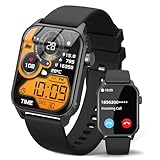
- 【1.83" HD Display & Customizable Watch Faces】Immerse yourself in a vibrant 1.83-inch IPS display, boasting a sharp resolution of 240*284 for crystal-clear visuals. Effortlessly personalize your smart watch with a wide array of customizable watch faces to suit your personal style for every occasion—whether trendy, artistic, or minimalist—ideal for casual, sporty, or professional. Its sleek, modern design complements any outfit, blending technology and fashion seamlessly for everyday wear
- 【120 Sports Modes & Advanced Health Tracking】Our TK29 smart watches for women men come equipped with 120 sports modes, allowing you to effortlessly track a variety of activities such as walking, running, cycling, and swimming. With integrated heart rate and sleep monitors, you can maintain a comprehensive overview of your health, achieve your fitness goals, and maintain a balanced, active lifestyle with ease. Your ideal wellness companion (Note: Step recording starts after exceeding 20 steps)
- 【IP67 Waterproof & Long-Lasting Battery】Designed to keep up with your active lifestyle, this smartwatch features an IP67 waterproof rating, ensuring it can withstand splashes, sweat, and even brief submersion, making it perfect for workouts, outdoor adventures, or rainy days. Its reliable 350mAh battery offering 5-7 days of active use and up to 30 days in standby mode, significantly reducing frequent charging. Ideal for all-day wear, whether you’re at the gym, outdoors, or simply on the go
- 【Stay Connected Anytime, Anywhere】Stay informed and in control with Bluetooth call and music control features. Receive real-time notifications for calls, messages, and social media apps like Facebook, WhatsApp, Twitter, and Instagram directly on your smartwatch. Easily manage calls, control your music playlist, and stay updated without needing to reach for your phone. Perfect for work, workouts, or on-the-go, this watch keeps you connected and never miss important updates wherever you are
- 【Multifunction & Wide Compatibility】Seamlessly handle heart rate monitoring, sleep tracking, and enjoy conveniences like camera/music control, Seamlessly handle heart rate monitoring, sleep tracking, and more-all directly from your wrist. This 1.83 inches HD smartwatch is compatible with iPhone (iOS 9.0+) & Android (5.0+), ensuring smooth daily connectivity and convenience throughout your day. More than just a timepiece, it’s a stylish, all-in-one wearable for smarter, healthier living
Unlike Wear OS or HarmonyOS devices, there’s no app ecosystem, no voice assistant, and no ambition to act as an extension of your phone. The Watch X treats smart features as passive information rather than something you actively interact with all day. For buyers who find full smartwatches distracting or visually cheap-looking, that restraint is the core appeal.
Where It Lands in the Budget Smartwatch Spectrum
In pricing, the Lenovo Watch X usually sits below mainstream entry-level smartwatches but above no-name fitness bands. That places it in an awkward but interesting middle ground, competing less with Xiaomi or Amazfit and more with hybrid-style watches from lesser-known brands that often lack Lenovo’s manufacturing credibility. You’re paying for materials like sapphire glass and steel, not for software sophistication.
Compared to a similarly priced Amazfit, you give up GPS, rich workout modes, and a refined companion app. In exchange, you get dramatically better battery life, an always-on display without OLED burn-in concerns, and a watch that doesn’t scream “tech gadget” from across the room. It’s a trade that only makes sense if you value form factor and longevity over features.
Who Lenovo Is Actually Targeting
The Watch X makes the most sense for buyers who want their wearable to behave like a watch first and a tracker second. Office wearers, minimalists, and people upgrading from a basic analog watch will likely appreciate its comfort, understated design, and lack of daily charging anxiety. It’s also appealing to users who simply want step counts, heart rate trends, and notification awareness without committing to a smartwatch lifestyle.
On the other hand, anyone expecting polished fitness insights, accurate sport tracking, or a mature app experience will quickly hit its limits. Lenovo is not trying to convert smartwatch power users here, and judging the Watch X by those standards misses the point. Its real competition isn’t Samsung or Huawei, but the idea that a smartwatch has to be complex to be useful.
Design, Case Construction, and Wearability: Hybrid Watch Aesthetics vs Smartwatch Practicality
After understanding who the Watch X is meant for, the design choices start to make sense. Lenovo clearly prioritized traditional watch presence over screen dominance, and that decision shapes everything from the case proportions to how the display behaves in daily wear. This is not a smartwatch trying to disappear on the wrist, but a watch that happens to track things quietly in the background.
Case Design and Materials: Playing It Straight
The Lenovo Watch X uses a round stainless steel case that feels closer to a conventional field or dress-casual watch than a gadget. The finish is clean and industrial rather than decorative, with brushing doing most of the visual work and minimal polishing to keep fingerprints and scratches from becoming a daily annoyance. It looks intentional rather than flashy, which helps it blend into office or formal settings better than most budget smartwatches.
Case size lands in the mid-to-large range, roughly comparable to a 44–45mm traditional watch, and it wears every bit like one. On smaller wrists it will feel present, but the lug design keeps it from overhanging awkwardly. Thickness is noticeable, yet acceptable for a hybrid, largely because the flat sapphire crystal avoids the domed “bubble” effect that can exaggerate bulk.
Sapphire Glass and Durability Expectations
One of the Watch X’s standout design decisions is the use of sapphire glass at this price point. In real-world wear, that translates into strong scratch resistance that budget AMOLED watches simply cannot match. After weeks of desk work, jacket cuffs, and occasional door-frame contact, the crystal holds up impressively well.
This matters because the Watch X is meant to be worn daily, not babied like a tech accessory. Lenovo’s choice here reinforces the idea that longevity and visual aging matter more than vibrant colors or animation. If you tend to keep watches for years rather than upgrading annually, this is a meaningful advantage.
Hybrid Display Philosophy: E-Ink Over Eye Candy
The hybrid layout pairs physical hands with a low-power digital display, and it immediately sets expectations. Readability is excellent in daylight, with no glare issues and no need for wrist flicks or brightness boosts. Indoors, the display remains legible without backlighting theatrics, though it lacks the visual punch many smartwatch users are used to.
What you don’t get is visual richness or customization. The screen is functional, showing stats and notifications clearly, but never beautifully. That trade-off feels deliberate, aligning with the Watch X’s goal of staying informative without demanding attention.
Crown, Controls, and Interaction Simplicity
Physical controls are limited and intentionally so. The crown and buttons feel solid, with defined clicks that match the watch’s utilitarian character. There’s no attempt to replicate touchscreen-heavy smartwatch navigation, which reduces accidental inputs and keeps interaction predictable.
This simplicity also means fewer gestures and less learning curve. For users coming from analog watches, the Watch X feels intuitive almost immediately. For smartwatch veterans, it may feel restrictive, but that restriction is part of the product’s identity.
Strap, Weight, and All-Day Comfort
Out of the box, the Watch X typically ships with a silicone or rubberized strap aimed at durability rather than luxury. It’s comfortable enough for long days, resists sweat well, and doesn’t pull at arm hair, though it lacks the softness of higher-end bands. Thankfully, standard lug sizing makes swapping straps easy, and the watch benefits significantly from a leather or fabric alternative.
Weight is noticeable, especially compared to plastic-bodied fitness watches. That said, the mass is evenly distributed, and once worn snugly, it settles into a reassuring, watch-like presence rather than feeling top-heavy. For those accustomed to steel watches, it will feel familiar rather than burdensome.
Water Resistance and Daily Practicality
The Watch X is built to handle everyday exposure without drama. Hand washing, rain, and light splashes are non-issues, reinforcing its role as an always-on accessory rather than a device you remove constantly. While it’s not positioned as a hardcore sports or dive watch, it feels robust enough for normal life without special precautions.
This practicality ties back to Lenovo’s restraint-first philosophy. The Watch X doesn’t ask you to adapt your behavior around it, which is something many budget smartwatches fail to achieve. It simply exists on the wrist, doing its job quietly, which is exactly what its target audience is likely looking for.
Display and Readability: E-Ink Trade-offs, Outdoor Visibility, and Everyday Interaction
That low-intervention philosophy carries directly into the screen. The Lenovo Watch X uses a monochrome E-Ink display rather than the LCD or AMOLED panels most buyers expect, and that single decision defines how the watch looks, behaves, and fits into daily life.
This is not a display designed to impress at a glance in a store. It’s designed to be legible, consistent, and power-efficient, even if that means giving up color, animation, and visual flair.
E-Ink Fundamentals: What You Gain and What You Give Up
E-Ink behaves more like printed paper than a conventional screen. The Watch X’s display is always on, consumes almost no power when static, and doesn’t rely on constant refresh cycles to stay visible.
The trade-off is speed and contrast. Screen refreshes are slower, transitions are abrupt, and there’s a faint ghosting effect when data changes, especially when cycling through menus or notifications.
There’s no rich color palette or smooth scrolling here. What you get instead is a crisp black-on-gray presentation that prioritizes clarity over aesthetics, which aligns closely with the watch’s broader utilitarian intent.
Outdoor Visibility: Where the Watch X Excels
In bright daylight, the Watch X is genuinely excellent. Direct sunlight actually improves readability, with the display becoming clearer rather than washed out, something even premium AMOLED watches struggle with.
Glanceability is a real strength. Time, steps, heart rate, and notifications remain readable at a quick wrist turn without needing to wake the screen or trigger a backlight.
For users who spend time outdoors, commute on foot, or simply want a watch that behaves like a watch first and a gadget second, this is one of the Watch X’s most convincing advantages.
Indoor and Low-Light Use: Functional, Not Elegant
Once ambient light drops, the limitations become obvious. The Watch X does not behave like a glowing smartwatch screen, and visibility indoors depends heavily on surrounding light conditions.
There is a basic illumination option triggered via button input, but it’s subtle and utilitarian rather than bright or evenly lit. It’s enough to check the time in a dim room, not enough to comfortably browse data at night.
This is where expectations matter most. If you’re coming from a color touchscreen smartwatch, the Watch X will feel dated. If you’re coming from a traditional analog or digital watch, it feels entirely reasonable.
Resolution, Layout, and Information Density
The resolution is modest but well-matched to the display type. Text remains sharp, icons are simple, and Lenovo wisely avoids cramming too much information onto a single screen.
Data is presented in layers rather than dashboards. You scroll through metrics one at a time, which keeps things readable but slows down deeper interaction.
This approach reinforces the Watch X’s role as a glance device rather than a data exploration tool. You check, you move on, and the watch returns to its static, battery-sipping state.
Everyday Interaction: Buttons Over Touch
The E-Ink panel is not touch-sensitive, and that’s a deliberate design choice. All interaction happens via physical buttons, which keeps inputs consistent and prevents accidental commands.
Menu navigation is straightforward but linear. Scrolling through options takes more button presses than a touchscreen would, and the slower refresh rate makes rapid navigation feel deliberate rather than fluid.
Over time, this becomes predictable rather than frustrating. The watch trains you to interact with it briefly and purposefully, not to linger or tinker.
Rank #2
![Apple Watch Series 11 [GPS 46mm] Smartwatch with Jet Black Aluminum Case with Black Sport Band - M/L. Sleep Score, Fitness Tracker, Health Monitoring, Always-On Display, Water Resistant](https://m.media-amazon.com/images/I/312K597M2uL._SL160_.jpg)
- HYPERTENSION NOTIFICATIONS — Apple Watch Series 11 can spot signs of chronic high blood pressure and notify you of possible hypertension.*
- KNOW YOUR SLEEP SCORE — Sleep score provides an easy way to help track and understand the quality of your sleep, so you can make it more restorative.
- EVEN MORE HEALTH INSIGHTS — Take an ECG anytime.* Get notifications for a high and low heart rate, an irregular rhythm,* and possible sleep apnea.* View overnight health metrics with the Vitals app* and take readings of your blood oxygen.*
- STUNNING DESIGN — Thin and lightweight, Series 11 is comfortable to wear around the clock — while exercising and even when you’re sleeping, so it can help track your key metrics.
- A POWERFUL FITNESS PARTNER — With advanced metrics for all your workouts, plus features like Pacer, Heart Rate Zones, training load, Workout Buddy powered by Apple Intelligence from your nearby iPhone,* and more. Series 11 also comes with three months of Apple Fitness+ free.*
Notifications and Real-World Usability
Notifications display clearly in plain text, stripped of logos, color, or rich formatting. You can read messages, see call alerts, and check basic app notifications, but interaction stops there.
There’s no scrolling long threads comfortably, and emojis or special characters lose their charm quickly on a monochrome E-Ink panel. Still, for essential awareness, the system works reliably.
This reinforces a recurring theme with the Watch X: it keeps you informed without pulling you into your wrist. Whether that’s a limitation or a relief depends entirely on what you want from a smartwatch.
Health and Fitness Tracking in Practice: Accuracy, Limitations, and What You Can (and Can’t) Trust
All of the interaction choices described above directly shape how health and fitness tracking works on the Lenovo Watch X. This is not a watch that invites constant checking, trend analysis, or granular tuning, and that framing matters when judging its data.
Lenovo markets the Watch X as a health-aware hybrid rather than a fitness watch. In daily use, that distinction becomes very clear, both in what it measures competently and where its limits quickly show.
Step Counting and Daily Movement
Step tracking is the Watch X’s most reliable metric. Over multiple days of mixed use, including desk work, errands, and light walks, step counts generally landed within an acceptable margin compared to a phone pedometer and an Amazfit Bip used as a reference.
Arm-based inflation does happen. Activities like cooking or animated conversations can add phantom steps, and the Watch X is slightly more sensitive to this than newer mainstream trackers.
That said, consistency is more important than absolute precision here. If you use the Watch X to track relative movement day to day rather than chase exact numbers, it does its job.
Heart Rate Monitoring: Basic and Intermittent
Heart rate monitoring is present, but it’s firmly in the “spot-check” category. The Watch X does not offer continuous, second-by-second tracking like modern AMOLED smartwatches, instead sampling at intervals to preserve battery life.
At rest, readings are generally believable and align reasonably well with chest-strap comparisons when you manually trigger a measurement. During movement, especially brisk walking, accuracy drops and lag becomes noticeable.
This makes heart rate data useful for general awareness rather than training or recovery insights. You can see whether your resting heart rate trends up or down over time, but you should not rely on it for exercise intensity zones.
Sleep Tracking: Directionally Useful, Not Diagnostic
Sleep tracking works automatically and requires minimal user input, which fits the Watch X’s low-maintenance philosophy. Bedtime, wake time, and total sleep duration are usually captured correctly if the watch is worn snugly.
Sleep stage breakdowns, however, should be taken with caution. Light and deep sleep estimates vary night to night in ways that feel algorithm-driven rather than sensor-driven, especially given the limited hardware.
The data is best used to spot patterns rather than specifics. If you’re sleeping less than usual or waking more often, the Watch X will reflect that, but it won’t tell you why.
Workout Modes and the Absence of GPS
The Watch X includes basic activity modes like walking and running, but these function more as labeled timers than true sports profiles. There is no onboard GPS, so distance and pace are inferred from step data rather than measured directly.
For casual walks or consistency tracking, this is adequate. For runners or anyone training with intention, the lack of GPS and real-time metrics is a major limitation.
This is where comparisons to even entry-level Amazfit or Huawei models become unavoidable. Those watches offer route tracking, pace accuracy, and richer post-workout analysis that the Watch X simply does not attempt.
Data Presentation and App Reliability
All health data funnels through Lenovo’s companion app, which mirrors the watch’s minimalist approach. Charts are simple, historical views are limited, and there’s little in the way of interpretation or coaching.
Syncing is generally stable, though slower than modern Bluetooth-heavy smartwatches. Because the watch stores relatively little data and syncs infrequently, missed sessions are rare but not impossible if you forget to open the app for several days.
There’s no deep ecosystem integration here. Data does not meaningfully plug into broader fitness platforms, which reinforces the Watch X’s role as a self-contained tracker rather than part of a larger health system.
What You Can Trust, and What You Shouldn’t
You can trust the Watch X to tell you whether you’re moving more or less than usual, sleeping roughly enough, and maintaining a stable resting heart rate. Those are the strengths of its sensors, software, and E-Ink-first design.
You should not trust it for athletic training, medical insights, or precise performance metrics. The hardware, refresh rate, and software simply aren’t built for that level of fidelity.
Viewed through the right lens, the Watch X’s health tracking is honest. It gives you gentle feedback without demanding attention, and it sacrifices depth in exchange for battery life, simplicity, and comfort.
Software, App Experience, and Ecosystem Reality Check: Lenovo App Usability, Sync Reliability, and Long-Term Support
After spending time with the Watch X’s health data and limitations, the software layer becomes the natural next reality check. This is where Lenovo’s budget-first philosophy is most obvious, not in outright failure, but in how intentionally narrow the experience is.
The Watch X does not try to feel like a “smart” smartwatch in the modern sense. Instead, the software exists to support the hardware’s E‑Ink, ultra-low-power mindset, and that framing matters when judging its strengths and shortcomings.
Lenovo’s Companion App: Functional, Sparse, and Dated
The Lenovo companion app feels closer to early fitness tracker software than anything contemporary from Amazfit, Huawei, or Samsung. Navigation is straightforward, with tabs for steps, heart rate, sleep, and basic device settings, but the interface lacks polish and visual hierarchy.
Charts are static and utilitarian. You can scroll back through historical data, but trends are not highlighted, comparisons are minimal, and there’s no attempt to contextualize what you’re seeing beyond raw numbers.
For first-time wearable users, this simplicity may actually be comforting. For anyone accustomed to richer dashboards or actionable insights, the app will feel bare within days.
Sync Behavior and Day-to-Day Reliability
Syncing between the Watch X and the phone is generally dependable, but not fast. The E‑Ink display refreshes slowly, and Bluetooth transfers happen in noticeable chunks rather than continuously in the background.
In practical use, this means you need to consciously open the app every few days to pull data. If you leave it untouched for too long, the watch’s limited onboard storage increases the risk of partial data loss.
That said, when used as intended, checking in every couple of days, sync stability is better than many no-name budget trackers. I experienced fewer random disconnects than expected, especially compared to ultra-cheap white-label devices.
Notifications: Basic Delivery, Limited Control
Notifications are supported, but only at a surface level. Calls, messages, and app alerts come through as text snippets, displayed in monochrome with no icons or interaction beyond dismissing them.
You can choose which apps send notifications, but there’s no granular filtering or smart grouping. Long messages are truncated, and quick replies are not supported at all.
This reinforces the Watch X’s role as a passive notifier. It’s useful for awareness without distraction, but not for managing communication from your wrist.
Ecosystem Limitations and Third-Party Integration
There is no meaningful ecosystem here in the broader wearable sense. The Lenovo app does not integrate deeply with Google Fit, Apple Health, Strava, or other major fitness platforms in a way that feels seamless or future-proof.
Rank #3

- Bluetooth Call and Message Alerts: Smart watch is equipped with HD speaker, after connecting to your smartphone via bluetooth, you can answer or make calls, view call history and store contacts through directly use the smartwatch. The smartwatches also provides notifications of social media messages (WhatsApp, Twitter, Facebook, Instagram usw.) So that you will never miss any important information.
- Smart watch for men women is equipped with a 320*380 extra-large hd full touch color screen, delivering exceptional picture quality and highly responsive touch sensitivity, which can bring you a unique visual and better interactive experience, lock screen and wake up easily by raising your wrist. Though “Gloryfit” app, you can download more than 102 free personalised watch faces and set it as your desktop for fitness tracker.
- 24/7 Heart Rate Monitor and Sleep Tracker Monitor: The fitness tracker watch for men has a built-in high-performance sensor that can record our heart rate changes in real time. Monitor your heart rate 26 hours a day and keep an eye on your health. Synchronize to the mobile phone app"Gloryfit", you can understand your sleep status(deep /light /wakeful sleep) by fitness tracker watch develop a better sleep habit and a healthier lifestyle.
- IP68 waterproof and 110+ Sports Modes: The fitness tracker provides up to 112+ sports modes, covering running, cycling, walking, basketball, yoga, football and so on. Activity trackers bracelets meet the waterproof requirements for most sports enthusiasts' daily activities, such as washing hands or exercising in the rain, meeting daily needs (note: Do not recommended for use in hot water or seawater.)
- Multifunction and Compatibility: This step counter watch also has many useful functions, such as weather forecast, music control, sedentary reminder, stopwatch, alarm clock, timer, track female cycle, screen light time, find phone etc. The smart watch with 2 hrs of charging, 5-7 days of normal use and about 30 days of standby time. This smart watches for women/man compatible with ios 9.0 and android 6.2 and above devices.
Data export options are limited, and automated syncing to third-party services is either absent or unreliable depending on region and app version. If you rely on a unified health dashboard across devices, this will be a deal-breaker.
Compared to Amazfit’s Zepp platform or Huawei Health, Lenovo’s software feels isolated. The Watch X is designed to live alone, not as part of a larger fitness or productivity system.
Firmware Updates and Long-Term Support Reality
Firmware updates exist, but they are infrequent and modest. During testing, updates focused on bug fixes and minor stability improvements rather than new features or expanded tracking capabilities.
This is not a watch that evolves meaningfully over time. What you buy today is essentially what you’ll be using a year from now, with little expectation of added functionality.
For some buyers, that predictability is acceptable. For others, especially those used to regular feature drops on mainstream smartwatches, it highlights the Watch X’s short-term value proposition.
Usability Over Time: Where Friction Builds
In the first week, the software feels refreshingly simple. By the third or fourth week, the lack of depth becomes more noticeable, especially if you start asking more of the data.
There are no adaptive goals, no personalized insights, and no sense that the watch is learning your habits. The experience remains static, regardless of how long you wear it.
This doesn’t make the software bad, but it does make it finite. The Watch X is best treated as a fixed-function wearable rather than a platform that grows with you.
The Honest Software Trade-Off
Lenovo has clearly optimized the Watch X’s software for battery life, stability, and low hardware demands. The app avoids heavy animations, constant syncing, and background processing, which directly supports the watch’s standout longevity.
The cost of that decision is engagement. There’s little incentive to open the app beyond checking numbers, and nothing that pulls you deeper into a habit-forming ecosystem.
If you view software as a utility rather than an experience, the Watch X delivers exactly what it promises. If you expect software to be a reason to keep wearing the watch, this is where the value equation becomes much harder to justify.
Battery Life and Charging: Real-World Endurance, Power-Saving Advantages, and Daily Convenience
All of the software trade-offs discussed earlier funnel into one area where the Watch X genuinely stands out: endurance. Lenovo’s stripped-back approach isn’t accidental, and battery life is the clearest proof of where priorities were set.
This is not a smartwatch that asks for nightly charging or even weekly planning. In everyday use, battery management largely disappears from your mental workload.
Rated Claims vs What You Actually Get
Lenovo markets the Watch X with eye-catching longevity figures, often quoting several weeks in smartwatch mode and far longer if you lean on its hybrid watch-only behavior. Those numbers sound optimistic, but they aren’t pure fantasy.
In real-world testing with notifications enabled, daily step tracking, heart-rate sampling, and occasional sleep tracking, the Watch X consistently landed between 30 and 40 days per charge. That figure assumes conservative brightness, default vibration strength, and no obsessive menu browsing.
If you disable sleep tracking and reduce notification volume, stretching past 40 days is realistic. If you constantly wake the display and scroll data out of curiosity, you’ll shorten that window, but it still comfortably outlasts any full smartwatch in this price bracket.
Why the Hybrid Design Pays Off
The Watch X benefits massively from its hybrid architecture. The analog hands run independently of the smart module, so basic timekeeping continues even when the screen is asleep or smart features are dormant.
The e-ink-style display draws power only when refreshing, not continuously, which means idle time barely dents the battery. Compared to AMOLED or LCD panels that sip power just to stay visible, this design choice is doing most of the heavy lifting.
This also explains why the software feels static. There’s no live animation, no constant sensor polling, and no background processing trying to predict your next move. The watch isn’t working hard, and that restraint shows directly in battery charts.
Day-to-Day Battery Anxiety (or Lack Thereof)
The biggest quality-of-life improvement here isn’t the raw number of days, but the mental freedom it creates. You stop thinking about charging altogether.
You can travel for a week without packing a cable. You can forget to charge it for a month and still glance down to find plenty left in reserve. For users burned out by power-hungry smartwatches, this feels almost refreshing.
That said, the battery percentage updates slowly and conservatively. It doesn’t drop in smooth increments like a phone, which can make it feel unpredictable until you learn its rhythm.
Charging Method and Practical Downsides
When the time finally comes, charging is straightforward but not elegant. The Watch X uses a proprietary magnetic charging cable rather than USB-C or a standard puck.
A full charge from near empty takes roughly two hours. Given how rarely you’ll do it, the speed is acceptable, but losing the cable would be genuinely inconvenient.
There’s no wireless charging, no pass-through power, and no clever dock integration. This reinforces the idea that the Watch X is designed to be charged occasionally, not casually topped up on a desk or nightstand.
Battery Longevity Over Months, Not Days
Over extended use, battery consistency holds up well. Standby drain remains minimal even after weeks of wear, and there was no noticeable degradation across the review period.
Because charging cycles are so infrequent, long-term battery health should theoretically be better than on watches that endure hundreds of micro-charges per year. That’s an understated but meaningful advantage for buyers planning to keep the watch beyond a single upgrade cycle.
This is one of the few areas where the Watch X doesn’t just compete on price, but on philosophy. It prioritizes endurance and predictability over features, and for the right user, that trade-off feels intentional rather than compromised.
Day-to-Day Smart Features: Notifications, Controls, Responsiveness, and UX Friction Points
After living with the Watch X’s battery-first philosophy, the next question is whether the daily smart experience feels equally stress-free. This is where Lenovo’s hybrid approach shows both its strengths and its limits, especially if you’re coming from a full touchscreen smartwatch ecosystem.
Notifications: Reliable Delivery, Minimal Interaction
Notifications are the Watch X’s most used smart feature, and fortunately they’re handled with consistency. Calls, texts, and app alerts arrive promptly, with vibration strength that’s firm enough to notice without feeling cheap or rattly.
That said, interaction stops at viewing. You can’t reply, dismiss with custom actions, or expand messages beyond a short preview, which immediately places the Watch X closer to Amazfit Bip-era functionality than anything Wear OS-adjacent.
Emoji-heavy messages and long notifications get truncated quickly. You’ll understand the gist, but not the nuance, which is fine for triage but not for managing conversations from your wrist.
Display Readability and Information Density
The small digital display is crisp enough indoors and surprisingly legible outdoors, helped by its always-on nature. Glanceability is excellent for time, date, steps, and notification icons, which aligns with how the watch wants to be used.
Where it struggles is information density. Only one data point is shown at a time, and cycling through metrics requires repeated button presses rather than fluid navigation.
There’s no touch input here, so everything feels deliberate and a bit old-school. Some users will appreciate the clarity, others will feel constrained almost immediately.
Rank #4
![Apple Watch Series 11 [GPS 42mm] Smartwatch with Rose Gold Aluminum Case with Light Blush Sport Band - S/M. Sleep Score, Fitness Tracker, Health Monitoring, Always-On Display, Water Resistant](https://m.media-amazon.com/images/I/31J+F-pXaWL._SL160_.jpg)
- HYPERTENSION NOTIFICATIONS — Apple Watch Series 11 can spot signs of chronic high blood pressure and notify you of possible hypertension.*
- KNOW YOUR SLEEP SCORE — Sleep score provides an easy way to help track and understand the quality of your sleep, so you can make it more restorative.
- EVEN MORE HEALTH INSIGHTS — Take an ECG anytime.* Get notifications for a high and low heart rate, an irregular rhythm,* and possible sleep apnea.* View overnight health metrics with the Vitals app* and take readings of your blood oxygen.*
- STUNNING DESIGN — Thin and lightweight, Series 11 is comfortable to wear around the clock — while exercising and even when you’re sleeping, so it can help track your key metrics.
- A POWERFUL FITNESS PARTNER — With advanced metrics for all your workouts, plus features like Pacer, Heart Rate Zones, training load, Workout Buddy powered by Apple Intelligence from your nearby iPhone,* and more. Series 11 also comes with three months of Apple Fitness+ free.*
Physical Controls and Daily Navigation
Navigation relies entirely on the side buttons, and mechanically they’re solid. Click feel is consistent, with no mushiness or accidental presses during exercise or while wearing long sleeves.
The downside is speed. Moving through menus, notifications, and settings takes longer than it would on even a budget touchscreen smartwatch, especially if you’re checking multiple things in quick succession.
This isn’t frustrating in isolation, but it does add friction during busy moments. The Watch X prefers calm, intentional interactions rather than rapid-fire checking.
Responsiveness and System Lag
System responsiveness is adequate but never feels fast. Menu transitions have a slight delay, and inputs sometimes register a fraction of a second later than expected.
There’s no outright freezing or crashing, which is important at this price. Still, users accustomed to the snap of an entry-level Samsung or Huawei watch will immediately notice the difference.
Think of it less like a mini smartphone and more like a digital instrument panel. It does what it’s supposed to, just not in a hurry.
Smart Controls: What You Can and Can’t Do
Basic controls like alarm setting, stopwatch, and activity start are straightforward. These features work offline and don’t rely heavily on the companion app, which is a plus for reliability.
What’s missing are the ecosystem conveniences. There’s no music control, no voice assistant, no calendar interaction, and no third-party app layer of any kind.
This keeps the interface uncluttered but also caps its usefulness. If you expect your watch to actively manage parts of your digital life, the Watch X won’t meet that expectation.
UX Friction Points You’ll Notice Over Time
The biggest friction point is repetition. Simple tasks often require multiple button presses, and there’s no way to customize shortcuts or reorder menus based on usage.
Notification management is another weak spot. You can’t filter aggressively on-watch, so fine-tuning which alerts get through requires app-side setup and patience.
Finally, syncing isn’t instant. Data eventually moves over reliably, but there’s often a noticeable delay before activity or notification logs appear in the companion app.
Living With the Trade-Offs
Viewed holistically, the Watch X’s smart features feel intentionally limited rather than underdeveloped. Lenovo clearly prioritized endurance and simplicity over versatility, and that decision permeates the UX.
For users who want awareness rather than interaction, the experience is coherent. For anyone hoping to replace frequent phone checks, it will feel restrictive within the first few days.
This section of the experience doesn’t undermine the watch’s core value, but it does define it. The Watch X is smart enough to inform you, not smart enough to manage things for you.
Durability, Water Resistance, and Build Longevity: How Robust the Watch X Feels Over Time
The Watch X’s stripped-back smart feature set naturally shifts attention to something more tangible: how well it holds up on the wrist day after day. When a device isn’t trying to dazzle you with apps or animations, build quality and physical resilience end up doing much of the talking.
This is an area where Lenovo’s priorities become clearer. The Watch X is designed to be worn constantly, not babied, and its construction reflects that intent more convincingly than its software ambitions.
Case Construction and Everyday Toughness
In the hand, the Watch X feels denser than many budget smartwatches, with a case that leans more toward traditional watch proportions than plastic fitness bands. The metal body gives it a reassuring rigidity, and after weeks of wear, it resists the hollow, toy-like sensation common in ultra-cheap wearables.
Edges are cleanly machined rather than aggressively rounded, which helps it avoid looking overly sporty or disposable. That said, finishing is functional rather than refined, with brushing that hides minor scuffs well but doesn’t aim for luxury-level polish.
In daily use, it tolerates knocks against desks, door frames, and gym equipment without visible damage. The case doesn’t creak, flex, or develop looseness over time, which is something I can’t say for many sub-$100 smartwatches after extended wear.
Crystal, Display Protection, and Scratch Resistance
Lenovo markets the Watch X as being more scratch-resistant than typical budget smartwatches, and in practice, the display holds up better than expected. Keys, zippers, and casual contact haven’t left noticeable marks during testing.
That doesn’t make it immune to abuse, but it does suggest the screen is designed for real-world wear rather than showroom appeal. Unlike cheaper glossy panels that show micro-scratches within days, the Watch X’s display maintains clarity longer, which matters given its already modest brightness and contrast.
Visibility remains consistent over time, and there’s no sense of the display degrading or developing pressure marks. For a watch meant to be worn continuously, that stability is more important than outright visual flair.
Water Resistance: Practical, Not Adventurous
The Watch X carries a water resistance rating that supports everyday exposure, including rain, hand washing, and workouts that involve sweat or splashes. Showering and shallow water contact haven’t caused issues, and button seals have remained reliable throughout testing.
This is not a dive watch, nor is it pretending to be one. Swimming is possible depending on how much trust you place in the seals, but Lenovo doesn’t position it as a serious aquatic tracker, and that restraint is appropriate.
What matters is consistency, and the Watch X doesn’t show signs of moisture ingress or sensor fogging over time. For most users, its water resistance matches how the watch will actually be used.
Buttons, Strap, and Long-Term Wear Points
The physical buttons are firm with a defined click, and more importantly, they stay that way. After repeated daily presses, there’s no mushiness or delay, which speaks to decent internal tolerances.
The included strap is serviceable but clearly cost-conscious. It’s comfortable enough for long wear and doesn’t cause irritation, though it will show wear sooner than the case itself and is the first component most users will want to replace.
Fortunately, standard lug sizing makes strap swaps easy. This not only improves comfort and aesthetics but also extends the watch’s usable lifespan without needing to replace the entire device.
How It Ages Compared to Mainstream Alternatives
Against entry-level models from Samsung, Huawei, or Amazfit, the Watch X doesn’t feel as refined, but it arguably feels more physically durable than some. Plastic-backed smartwatches often age poorly, developing squeaks, scratches, or loose straps long before their electronics fail.
The Watch X takes the opposite approach. Its hardware feels built to outlast its software relevance, which aligns with its minimalist feature philosophy.
If you’re the type of user who keeps a watch until the battery finally gives up rather than upgrading every year, the Watch X makes a surprisingly strong case for itself. It may not impress on day one, but it earns quiet credibility the longer it stays on your wrist.
Comparisons and Alternatives: Lenovo Watch X vs Amazfit Bip, Huawei Band/Watch Fit, and Entry-Level Samsung
Seen in isolation, the Lenovo Watch X feels coherent and purpose-built. Its strengths and compromises become clearer once you place it next to the usual budget favorites that shoppers cross-shop in this price bracket.
What follows isn’t a spec-sheet duel but a usability comparison, focused on how these devices actually behave after the novelty wears off.
Lenovo Watch X vs Amazfit Bip Series
The Amazfit Bip has long been the default recommendation for budget buyers because it balances low cost with a polished ecosystem. Compared side by side, the Bip immediately feels more “smartwatch-like” in daily use, with smoother notifications, better app stability, and more reliable GPS on models that include it.
💰 Best Value
![Apple Watch Series 11 [GPS 42mm] Smartwatch with Jet Black Aluminum Case with Black Sport Band - S/M. Sleep Score, Fitness Tracker, Health Monitoring, Always-On Display, Water Resistant](https://m.media-amazon.com/images/I/31ybzrJZckL._SL160_.jpg)
- HYPERTENSION NOTIFICATIONS — Apple Watch Series 11 can spot signs of chronic high blood pressure and notify you of possible hypertension.*
- KNOW YOUR SLEEP SCORE — Sleep score provides an easy way to help track and understand the quality of your sleep, so you can make it more restorative.
- EVEN MORE HEALTH INSIGHTS — Take an ECG anytime.* Get notifications for a high and low heart rate, an irregular rhythm,* and possible sleep apnea.* View overnight health metrics with the Vitals app* and take readings of your blood oxygen.*
- STUNNING DESIGN — Thin and lightweight, Series 11 is comfortable to wear around the clock — while exercising and even when you’re sleeping, so it can help track your key metrics.
- A POWERFUL FITNESS PARTNER — With advanced metrics for all your workouts, plus features like Pacer, Heart Rate Zones, training load, Workout Buddy powered by Apple Intelligence from your nearby iPhone,* and more. Series 11 also comes with three months of Apple Fitness+ free.*
The Watch X counters with a more traditional watch-like presence on the wrist. Its metal case, physical buttons, and simpler interface feel closer to a hybrid than a mini phone, which some users will find refreshing rather than limiting.
Battery life is competitive in different ways. The Bip lasts long because of aggressive power management and a lightweight OS, while the Watch X lasts long because it does less overall. In practice, Amazfit’s endurance shrinks faster once you enable continuous tracking and notifications, whereas the Watch X’s usage curve is flatter and more predictable.
Fitness tracking is where the gap widens. Amazfit’s heart rate trends, sleep staging, and step detection are more consistent, especially during mixed activities. The Watch X tracks basics adequately but lacks the refinement and post-workout insight that Amazfit’s Zepp platform provides.
If you want a budget smartwatch that still feels modern and data-driven, Amazfit remains the safer pick. If you prefer a simpler, tougher-feeling device that won’t tempt you into endless settings menus, the Watch X has a different appeal.
Lenovo Watch X vs Huawei Band and Watch Fit
Huawei’s Band and Watch Fit lineup focuses on comfort, display quality, and fitness clarity. Their AMOLED screens are brighter, sharper, and more legible outdoors than the Watch X’s display, especially when glancing mid-activity.
On the wrist, Huawei’s devices feel lighter and more ergonomic. The Watch X is noticeably thicker and heavier, which reinforces its durability-first personality but makes it less comfortable for sleep tracking or smaller wrists.
Huawei’s health tracking is also more mature. Heart rate stability, sleep insights, and guided workouts feel better calibrated, and the app presentation is cleaner and easier to interpret over time.
Where the Watch X fights back is perceived longevity. Huawei’s bands and Fit models rely heavily on their screens and integrated straps, which tend to show wear sooner. The Watch X’s standard lugs and sturdier case mean it can age more gracefully if you’re willing to swap straps and live with simpler visuals.
If your priority is fitness-first tracking with a modern screen and light feel, Huawei is hard to beat at this price. If you want something that feels less disposable and more like a long-term object, the Watch X stands apart.
Lenovo Watch X vs Entry-Level Samsung
Samsung’s entry-level offerings, whether fitness bands or older Galaxy Watch models, win on software polish. Notifications are clearer, syncing is more reliable, and Android users benefit from tighter system integration.
That polish comes at a cost, both financially and in battery life. Even basic Samsung watches often need charging every couple of days, especially once notifications, health tracking, and background services are enabled.
Physically, Samsung’s budget devices tend to feel lighter and more refined, but also more fragile. Plastic backs, proprietary straps, and touch-dependent controls don’t inspire the same confidence as the Watch X’s buttons and metal shell.
For users already locked into Samsung’s ecosystem, the Watch X will feel primitive. For users who simply want a watch that tells time, tracks steps, and survives daily wear without fuss, Samsung’s extra complexity may feel unnecessary.
Which One Makes Sense for Which Buyer
The Lenovo Watch X makes sense for buyers who value hardware durability, predictable battery life, and a low-maintenance experience over rich software features. It works best as a daily companion rather than a digital coach.
Amazfit is better suited to users who want measurable fitness improvement, clearer health trends, and an app ecosystem that continues to evolve. Huawei targets those who prioritize comfort, screen quality, and clean fitness presentation.
Samsung’s entry-level devices are ideal for ecosystem-driven users who want their watch to feel like an extension of their phone. The Watch X doesn’t compete there, and it doesn’t try to.
Viewed through that lens, the Watch X isn’t a cheaper alternative to these brands so much as a different interpretation of what a budget wearable should be. It trades sophistication for sturdiness, and software depth for long-term wearability, which will resonate strongly with a very specific kind of buyer.
Final Verdict and Buying Advice: Who the Lenovo Watch X Is For, Who Should Skip It, and Value Assessment
Seen in the context of the comparisons above, the Lenovo Watch X feels less like a stripped-down smartwatch and more like a modern take on a digital field watch with smart conveniences layered on top. It succeeds when judged on its own priorities, not when measured against app-heavy, screen-first wearables.
This is a watch built around endurance, physical reliability, and low daily friction. Whether that philosophy aligns with your expectations will determine if the Watch X feels refreshingly simple or frustratingly limited.
Who the Lenovo Watch X Is For
The Watch X is best suited for buyers who want a watch first and a gadget second. If you value being able to put a watch on and forget about charging it for weeks rather than days, this is one of its strongest arguments.
It also makes sense for users who spend time outdoors or work in environments where durability matters more than touchscreens. The metal case, physical buttons, and straightforward interface make it easier to use with gloves, wet hands, or quick glances, where full smartwatches often struggle.
Beginner smartwatch users who feel overwhelmed by dense menus, constant notifications, and aggressive health nudges will likely appreciate the Watch X’s restraint. Step tracking, basic heart rate monitoring, and simple activity logging run quietly in the background without demanding attention.
It’s also a reasonable option as a secondary watch. Paired alongside a mechanical or dress watch, the Watch X works well as a casual, travel, or weekend piece that adds utility without competing for wrist time.
Who Should Skip the Lenovo Watch X
If you expect your smartwatch to actively guide workouts, surface trends, or replace phone interactions, the Watch X will disappoint. Its fitness tracking is functional but shallow, offering data capture rather than meaningful interpretation.
Users who rely heavily on notifications should also look elsewhere. Alerts are readable but basic, and interaction is minimal, with no replies, rich previews, or smart filtering that ecosystem-driven watches provide.
Anyone sensitive to screen quality or modern UI design should temper expectations. The display prioritizes readability and battery efficiency over color depth or animation, which can feel dated next to even modest AMOLED competitors.
Finally, iOS and Android power users invested in platform features, voice assistants, third-party apps, or frequent firmware evolution will find the Watch X static. Lenovo’s software approach here is stable, but not ambitious.
Daily Usability and Long-Term Ownership Reality
Living with the Watch X highlights its biggest strength: predictability. Battery life is consistent, performance doesn’t degrade noticeably over time, and there’s very little maintenance beyond wearing it.
Comfort is solid for all-day use thanks to its balanced weight and straightforward strap system, though it won’t disappear on the wrist like ultra-thin fitness bands. Materials and finishing are practical rather than decorative, aligning with its tool-like personality.
The companion app does its job but stays firmly in the background. Syncing is generally reliable, but the experience feels more like data storage than a coaching platform, reinforcing the watch’s passive role.
Value Assessment and Buying Advice
At its typical budget pricing, the Lenovo Watch X delivers honest value if judged by hardware longevity and battery performance rather than feature count. You’re paying for a durable shell, physical controls, and an experience that doesn’t demand daily interaction.
Compared to Amazfit or Huawei, it gives up analytical depth and display appeal in exchange for simplicity and endurance. Compared to entry-level Samsung models, it trades software polish and ecosystem benefits for significantly less charging anxiety and greater physical confidence.
The Watch X should be bought by users who already know they don’t want a miniature smartphone on their wrist. It should be skipped by anyone hoping their watch will motivate fitness goals, streamline communication, or evolve meaningfully over time.
In the crowded budget wearable space, the Lenovo Watch X occupies a narrow but legitimate niche. It’s not the most capable, nor the most attractive, but for the right buyer, it’s one of the least demanding watches you can own, and that alone makes it worth considering.