The Tool Desk
Outbyte PC Repair FREEClear out junk files and repair common Windows errorsFree Scan →Outbyte Driver Updater FREEFix the driver behind crashes, sound loss and screen glitchesFind Drivers →Fitbit does not have one universal calibration control, but you can improve some readings by correcting your profile and wrist settings, wearing the device as intended, measuring stride length, and using GPS properly. Other discrepancies depend on the activity, movement, signal conditions, or the way a metric is estimated, so no setting guarantees exact agreement with another tracker.
Here are six practical ways to improve Fitbit readings, based on Google Health Help Center guidance. Menu labels may vary as the app changes.
1. Check your profile details and wrist setting
In the Google Health app, check that your height is correct and that the wrist setting matches the wrist where you actually wear the device. Fitbit uses height to estimate walking and running stride length, which affects step-derived distance.
The dominant-wrist setting reduces step sensitivity and may reduce overcounting when your arm moves while your body is still. The non-dominant setting increases sensitivity and may help reduce undercounting. Choose the setting that reflects your actual wear rather than changing it to chase a particular step total.
Quick wins for a faster PC:
Scan for outdated or missing drivers - takes under a minuteDriver Scan →Repair Windows errors before they cause bigger problemsFix Now →#1 Best Overall

- COMPLETE ALL-IN-ONE-BUNDLE: Includes Fitbit Charge 6 Black/Obsidian, rapid USB charger, and a premium microfiber cleaning cloth, – everything you need to start tracking in style.
2. Wear the device securely and consistently
Wear a wrist tracker on top of your wrist, fitted securely but not too tightly. Fit and placement can affect readings, and loose accessory styles may count steps differently. For workouts and sleep, Google recommends the classic band.
If you have a supported Fitbit Inspire and switch between wrist wear and a clip accessory, select the matching wrist or clip setting. Check compatibility for your exact model before using a clip; it is not a general-purpose accuracy fix.
3. Measure stride length for better distance estimates
Fitbit generally estimates distance from steps multiplied by stride length, while using GPS for tracked activities when available. If step-derived distance seems off, you can measure and enter walking and running stride lengths separately in Google Health settings.
Rank #2

- COMPLETE ALL-IN-ONE-BUNDLE: Includes Fitbit Charge 6 Black/Obsidian, rapid USB charger, and a premium microfiber cleaning cloth, – everything you need to start tracking in style.
- Measure a known distance on a level route.
- Walk naturally and count at least 20 steps over that distance.
- Divide the distance by the number of steps to get your average stride length.
- Enter the result as your walking stride length. Repeat at a comfortable running pace for a separate running value if needed.
Google says a GPS-tracked run at a comfortable pace for 10 minutes or more can also update stride length automatically.
Do these 3 things before closing this tab:
1Repair Windows errors before they cause bigger problems2Fix the driver behind crashes, sound loss and screen glitches3Clear out junk files and repair common Windows errors4. Use GPS deliberately for outdoor distance
GPS support differs by device: some models have built-in GPS, while others use phone GPS. Check the GPS type for your exact Fitbit, and make sure GPS is enabled for the exercise you are tracking.
- For built-in GPS, go outdoors and wait for the device to connect before starting the activity.
- For phone GPS, keep your phone nearby and use the relevant GPS-enabled exercise.
- Allow for signal problems near tall buildings or trees, which can delay or interrupt GPS.
- Sync regularly; Google notes that regular syncing can reduce GPS connection time.
Until GPS connects, some workouts may use steps to estimate distance. A GPS-mapped activity and a daily step-based distance estimate use different methods, so they may not match exactly.
Rank #3
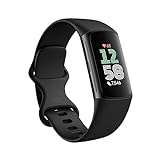
- Fitbit Charge 6 tracks key metrics from calories and Active Zone Minutes to Daily Readiness and sleep; move more with 40+ exercise modes, built-in GPS, all-day activity tracking, 24/7 heart rate, automatic exercising tracking, and more[1]
- See your heart rate in real time: Just link your Charge 6 to compatible exercise machines, like treadmills, ellipticals, and more[2]; and stay connected with YouTube Music controls[3]
- Tune into your body: Track your response to stress with a stress management score; learn about the quality of your sleep with a personalized nightly Sleep Score; and wake up more naturally with the Smart Wake alarm
- Run your routine with Google essentials: Find your way seamlessly during runs or rides with turn-by-turn directions from Google Maps on Fitbit Charge 6; and when you need a snack break on the go, just tap to pay with Google Wallet[1,4]
- Unlock more with Google Health Premium: With a premium membership, get personalized coaching that’s built with Gemini and adapts to your life[7]; get a 3-month trial at no cost to you[5] (Google Health Premium subscription sold separately)
5. Choose the right exercise mode and account for arm movement
Fitbit infers steps from motion using a three-axis accelerometer; it does not directly count each footfall. Arm movement while your body is still can add steps, while moving without a typical arm swing can affect the count in the other direction.
Start the relevant exercise mode when your device supports it. For activities such as cycling, selecting Bike can help prevent movement from being interpreted as steps. In some cases, the display may take about 10–15 continuous steps to catch up, according to the Google Health Help Center.
6. Interpret floor counts separately from steps and distance
On Fitbit devices with an altimeter, floors are estimated from pressure changes and steps. Google describes about 10 feet (3 meters) of ascent as one floor, but the count is not a literal tally of stair flights. Weather, gusts, doors, staircase height, and descending stairs can affect results; stationary stair machines do not count as floors.
Rank #4

- Fitbit Charge 6 tracks key metrics from calories and Active Zone Minutes to Daily Readiness and sleep; move more with 40+ exercise modes, built-in GPS, all-day activity tracking, 24/7 heart rate, automatic exercising tracking, and more[1]
- See your heart rate in real time: Just link your Charge 6 to compatible exercise machines, like treadmills, ellipticals, and more[2]; and stay connected with YouTube Music controls[3]
- Tune into your body: Track your response to stress with a stress management score; learn about the quality of your sleep with a personalized nightly Sleep Score; and wake up more naturally with the Smart Wake alarm
- Run your routine with Google essentials: Find your way seamlessly during runs or rides with turn-by-turn directions from Google Maps on Fitbit Charge 6; and when you need a snack break on the go, just tap to pay with Google Wallet[1,4]
- Unlock more with Google Health Premium: With a premium membership, get personalized coaching that’s built with Gemini and adapts to your life[7]; get a 3-month trial at no cost to you[5] (Google Health Premium subscription sold separately)
Adjusting stride length or step settings will not calibrate floor counts. Treat floors as a separate estimate with its own limitations.
Why is my Fitbit step count inaccurate?
Step counts are inferred from motion, so arm movement while stationary or limited arm movement while walking can affect the result. Check your wrist setting, fit, and whether you are using a clip or wrist-worn mode correctly.
Independent reader supportYour contribution helps us test, update, and keep practical guides available for everyone.How do I calibrate my Fitbit stride length?
Measure a known distance, count at least 20 steps, and divide the distance by the step count. Enter walking and running stride lengths separately in Google Health settings. A comfortable GPS-tracked run lasting 10 minutes or more can also update stride length automatically.
Best Value

- Fitbit Charge 6 tracks key metrics from calories and Active Zone Minutes to Daily Readiness and sleep; move more with 40+ exercise modes, built-in GPS, all-day activity tracking, 24/7 heart rate, automatic exercising tracking, and more[1]
- See your heart rate in real time: Just link your Charge 6 to compatible exercise machines, like treadmills, ellipticals, and more[2]; and stay connected with YouTube Music controls[3]
- Tune into your body: Track your response to stress with a stress management score; learn about the quality of your sleep with a personalized nightly Sleep Score; and wake up more naturally with the Smart Wake alarm
- Run your routine with Google essentials: Find your way seamlessly during runs or rides with turn-by-turn directions from Google Maps on Fitbit Charge 6; and when you need a snack break on the go, just tap to pay with Google Wallet[1,4]
- Unlock more with Google Health Premium: With a premium membership, get personalized coaching that’s built with Gemini and adapts to your life[7]; get a 3-month trial at no cost to you[5] (Google Health Premium subscription sold separately)
Why is my Fitbit distance wrong?
Distance may be based on steps multiplied by stride length or on GPS during a tracked activity. Check your profile and stride settings, and consider whether GPS connected and had a clear signal. These methods can produce different results.
Why does my Fitbit count steps when I’m driving?
Motion while your body is not walking can sometimes be interpreted as steps. Check that your dominant-wrist setting matches the wrist you wear the tracker on and that the device fits securely. The Google Health Help Center notes that wrist movement while the body is still can affect step counts.
How do I make Fitbit GPS more accurate?
Check your device’s GPS type and enable GPS for the exercise. For built-in GPS, go outdoors and wait for a connection before starting; for phone GPS, keep your phone nearby. Tall buildings and trees can interfere with the signal, and regular syncing can reduce connection time.
Quick Recap
Sources
- Google Health Help Center: How does my Fitbit device calculate my daily activity?
- Google Health Help Center: How accurate are Fitbit devices?
- Google Health Help Center: Use GPS on your Fitbit device or Pixel Watch
- Google Health Help Center: How to wear your Fitbit device
- Google Health Help Center: Track workouts with your Fitbit device and Google Pixel Watch
Product prices and availability are accurate as of the date/time indicated and are subject to change. Any price and availability information displayed on Amazon at the time of purchase will apply.