Recommended Free Tools
For more than a decade, health tracking has been synonymous with the wrist. Smartwatches and fitness bands taught consumers to expect step counts, heart rate charts, and sleep scores as part of everyday life, but they also exposed clear limits around comfort, battery life, and long-term adherence. Many people simply stop wearing wrist wearables once the novelty fades or the device becomes intrusive.
Hearing aids quietly solve many of those problems. They are worn all day, positioned close to the brain, and already trusted as medical devices rather than lifestyle gadgets. Starkey’s Omega AI hearing aids highlight why this category is emerging as a serious alternative to watches and rings for continuous health monitoring, especially for users who value subtlety, longevity, and clinically meaningful data.
What follows isn’t a gimmicky expansion of features for marketing’s sake. It’s a structural shift in how health sensing is embedded into devices people already rely on, pointing toward a future where the most powerful health wearables are the ones you forget you’re wearing.
All-day wear unlocks better health data
One of the biggest challenges with wrist-based trackers is inconsistent wear time. Watches come off for charging, comfort, work, or sleep, creating gaps that weaken long-term health insights. Hearing aids, by contrast, are typically worn from morning to night, delivering a much richer and more continuous stream of physiological and behavioral data.
#1 Best Overall
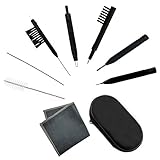
- Multi-functional Hearing Aid CleaningTools: It is suitable for hearing aids, earphones, ear molds, earplugs and other difficult to solve problems such as earwax accumulation, sound tube clogging, and battery dust. The magnet on the brush head is very easy to remove and insert the hearing aid battery, and can also be used to adjust the hearing aid volume And maintenance.
- Various styles:We have a total of 7 different cleaning brushes, enough quantity for your family to use in daily life
- Reusable: Our hearing aid cleaning brush is made of soft and lightweight nylon material, durable and reusable material, easy to clean, it will not scratch or damage the hearing aid during use, you can use it with confidence
- Easy to carry: equipped with a tool box, you can carry these hearing aid accessories for cleaning at any time, which is the key to good maintenance of hearing aids, avoiding frequent maintenance or replacement.
- Service Guarantee: We offer 30-day money-back service for any quality issues. Any dissatisfaction with the purchase within that period will be responded with a refund or a replacement. Please don’t hesitate to contact us if you have any question.
Starkey leverages this advantage with Omega AI by treating the hearing aid as a passive health sensor rather than an active fitness coach. Metrics like step count, daily movement patterns, and general activity levels are captured without asking the user to interact with a screen or remember to start a workout. Over weeks and months, that consistency matters far more than raw sensor count.
Proximity to the brain changes what can be measured
The ear is an underappreciated location for health sensing. Positioned near the brain and inner ear, hearing aids can infer balance, motion stability, and even subtle changes in gait with greater fidelity than wrist-based accelerometers. Starkey uses embedded motion sensors and AI models to analyze how users move through space, not just how many steps they take.
This is particularly relevant for older adults, where changes in balance or walking patterns can be early indicators of fall risk or cognitive decline. While smartwatches are increasingly adding fall detection, hearing aids like Omega AI are designed around these risks from the start, integrating alerts and long-term trend analysis into a medical context rather than a fitness one.
Health tracking without screens, subscriptions, or friction
Traditional wearables ask users to constantly check dashboards, close rings, and manage notifications. That works for enthusiasts, but it can be overwhelming or irrelevant for many hearing aid users. Omega AI takes a quieter approach, collecting data in the background and surfacing insights only when they matter.
Battery life plays a major role here. Hearing aids are engineered for multi-day endurance and predictable charging routines, not daily top-ups driven by power-hungry displays. The result is a health wearable that feels invisible in daily use, yet remains consistently active in a way most watches and rings struggle to match.
A bridge between consumer wearables and medical-grade devices
Smartwatches excel at breadth, tracking everything from workouts to ECGs, but they still sit firmly in the consumer electronics category. Hearing aids operate under stricter medical expectations, with clinical validation, professional fitting, and regulatory oversight baked into the product lifecycle. Omega AI sits at the intersection of those worlds.
By integrating health tracking into a device already prescribed and monitored by hearing professionals, Starkey signals a broader shift toward wearables that don’t just inform users, but actively support care pathways. This is less about competing with your smartwatch and more about redefining where serious, long-term health monitoring belongs as wearables move beyond the wrist.
What Is Starkey Omega AI? A New Kind of Smart Hearing Aid
Seen in that light, Omega AI isn’t simply a hearing aid with a few wellness extras bolted on. It is Starkey’s clearest statement yet that hearing aids can function as always-on health wearables, purpose-built for long-term monitoring rather than short bursts of engagement.
Where smartwatches and rings start with fitness and add health features over time, Omega AI begins with medical-grade hearing correction and quietly layers biometric intelligence into the same device people already rely on all day.
More than amplification: an AI-powered sensing platform
At its core, Omega AI is a premium, prescription hearing aid designed to improve speech clarity, reduce listening effort, and adapt to changing sound environments in real time. Starkey’s sound processing uses onboard AI to identify speech, background noise, and acoustic context, adjusting amplification without manual input.
What differentiates Omega AI is that those same processors and motion sensors are also used to understand how the wearer moves, stands, and lives. This is not cloud-only AI or post-processing after the fact; analysis happens continuously on the device, with data synced to Starkey’s ecosystem for longer-term trend tracking.
Health metrics tracked from the ear
Omega AI monitors far more than steps. Using embedded inertial sensors, it tracks daily activity levels, standing time, and movement patterns, building a baseline of how the wearer typically behaves.
PC Slower Than It Used to Be?
A free scan shows the junk files, broken settings and background clutter dragging Windows down - then fixes them in one click.Free scan · Windows 10 & 11Crashes, No Sound, or Screen Glitches?
Random freezes, missing sound and display glitches usually trace back to one bad driver. Find and replace yours safely.Free scan · under a minuteMore importantly, it assesses balance and gait stability, looking for subtle changes that may indicate increased fall risk. Because the hearing aids sit on the head rather than the wrist, they capture motion closer to the body’s center of mass, which can offer more meaningful insight into real-world stability than arm swing alone.
Omega AI also includes fall detection and alerts, automatically notifying designated contacts if a serious fall is detected. This shifts the device from passive tracker to active safety tool, especially for users who may not wear a smartwatch consistently at home.
Why hearing aids can track health differently than watches or rings
Smartwatches excel at short-term metrics like workouts, heart rate variability, and sleep staging, but they depend on screens, frequent charging, and user interaction. Rings improve comfort and battery life, yet still rely on daily engagement through apps and notifications.
Omega AI operates on a different assumption: the device will be worn for 12 to 16 hours a day, every day, because the user needs it to hear. That consistency is critical for detecting gradual changes in activity, balance, or routine that might be invisible in sporadic data.
Do these 3 things before closing this tab:
1Fix the driver behind crashes, sound loss and screen glitches2Repair Windows errors before they cause bigger problems3Scan for outdated or missing drivers - takes under a minuteBattery life supports this model. Omega AI is engineered around predictable, multi-day usage with overnight charging, not power-hungry displays or constant wireless streaming. The lack of a screen is a feature, not a limitation, reducing friction and cognitive load for users who don’t want another gadget demanding attention.
A medical-first software experience
Unlike consumer wearables that emphasize dashboards and personal goal-setting, Omega AI’s health data is designed to be interpreted within a clinical framework. Insights are surfaced through Starkey’s companion apps and professional tools, where hearing care specialists can review trends over time.
This enables conversations that go beyond hearing thresholds. A clinician can flag declining activity, increased instability, or behavioral changes that may warrant further evaluation, turning routine hearing checkups into broader health touchpoints.
For caregivers and family members, this approach adds another layer of reassurance. Alerts and long-term patterns matter more here than daily scores or streaks, reinforcing the idea that Omega AI is about continuity of care rather than self-optimization.
A signal of where serious wearables are heading
Omega AI represents a growing class of wearables that prioritize clinical relevance over novelty. By embedding health tracking into a regulated, professionally fitted device, Starkey is effectively bypassing many of the limitations that consumer wearables still struggle with.
This is not an attempt to replace smartwatches or rings, but to complement them with something deeper and quieter. As health monitoring moves beyond the wrist, Omega AI offers a glimpse of a future where the most important wearables are the ones users barely notice, yet depend on every day.
The Sensors Inside Your Ears: How Omega AI Tracks Health
That broader vision only works if the data itself is meaningful. Omega AI’s real innovation isn’t that it tracks health at all, but that it does so from inside the ear, a location that turns out to be surprisingly rich in physiological signal.
By combining multiple sensors into a device already worn all day, Starkey is extracting health insights without asking users to change habits or learn new behaviors. This is where hearing aids quietly diverge from watches and rings.
Recommended Free Tools
Motion sensors that understand how you move, not just how much
At the core of Omega AI’s health tracking is a multi-axis inertial sensor system, similar in concept to the accelerometers and gyroscopes found in smartwatches. The difference is placement: the sensors sit behind the ear, close to the head’s center of mass.
This positioning makes them especially sensitive to subtle changes in gait, posture, and balance. Small asymmetries in head movement, hesitations while walking, or increased variability in daily motion can be detected earlier than with wrist-based devices that mainly capture arm swing.
For older adults, this is particularly significant. Changes in balance or walking stability are often early indicators of fall risk, neurological issues, or general physical decline, long before a fall actually happens.
Activity tracking without “workout thinking”
Omega AI tracks overall activity levels throughout the day, including walking time, movement intensity, and periods of inactivity. Unlike fitness wearables, it does this without prompting workouts, rings to close, or goals to chase.
What’s actually slowing this PC down?
Pick the symptom - the matching free tool is one click away.
Because hearing aids are worn from morning to night, the data reflects true daily behavior rather than selective moments. A short walk to the kitchen, pacing during phone calls, or reduced movement on certain days all count, building a long-term behavioral baseline.
This approach is less about motivating exercise and more about identifying deviations from normal patterns. A gradual drop in activity over weeks can be more clinically meaningful than missing a step goal on a single day.
Fall detection and impact awareness
Omega AI includes fall detection capabilities, using rapid changes in motion followed by stillness to identify potential incidents. When a fall is suspected, the system can trigger alerts through connected smartphones, notifying caregivers or emergency contacts.
Again, sensor placement matters. Detecting head-level movement allows the system to distinguish between benign events, like sitting down quickly, and more dangerous impacts that involve loss of balance.
While smartwatches offer similar features, hearing aids benefit from being worn even at home, where many older users remove watches but keep their hearing aids in. That consistency increases the likelihood that a fall is actually detected.
Listening to the body through the ear canal
Beyond motion, Omega AI leverages the ear’s proximity to core physiological signals. The ear canal is a stable, low-motion environment with good blood flow, making it a promising site for biometric sensing.
Starkey has integrated sensors capable of estimating metrics such as physical engagement and, in some configurations, heart-rate-related signals. While these measurements are not positioned as medical diagnostics, they contribute to a broader picture of user well-being when viewed over time.
This contrasts with wrist-based optical sensors, which are more susceptible to movement artifacts, skin tone variability, and loose fit. Inside-the-ear sensing trades raw sampling frequency for consistency and comfort.
Rank #2

- [ 𝘼𝙇𝙇 𝙄𝙉 𝙊𝙉𝙀 𝘼𝙋𝙋𝙇𝙄𝘾𝘼𝙏𝙄𝙊𝙉 ] These hearing aid cleaning tools are most suit for hearing aids, apple air pods, earbuds, ear molds, earplugs, airpods ear buds or regular earphones cleaning, it can help your electronic device to be cleaner, be used to adjust the hearing aid volume And maintain the life of hearing aids
- [ 𝙁𝙐𝙇𝙇𝙔 𝙀𝙌𝙐𝙄𝙋𝙋𝙀𝘿, 𝙋𝙊𝙍𝙏𝘼𝘽𝙇𝙀 ] kit includes a compact case, complete with essential tools: a steel pick, vent cleaner, screwdriver, cleaning brush, vent brush tube tool, and microfiber cloth. These accessories cater to all your cleaning needs. No more concerns about cleaning your hearing aid on the go – our sleek case accommodates all tools while remaining durable, lightweight, and space-efficient for easy portability and travel
- [𝙂𝙄𝙁𝙏 𝙊𝙁 𝙇𝙊𝙑𝙀] Gift health and comfort on every occasion – Thanksgiving, Christmas, birthdays, Father's/Mother's Day, Senior Citizens Day, and retirements. Our hearing aid cleaning kit speaks volumes about your care
- [ 𝙈𝙊𝙍𝙀 𝙁𝙀𝘼𝙏𝙐𝙍𝙀𝙎 ] To remove tiny screws and insert the hearing aid battery, and can also be used to adjust the hearing aid volume And maintenance. 3 different cleaning brushes scrape away hard-to-reach wax to remove debris in the hearing aid vents. The microfiber cleaning Cloth cleans those hearing aid accessories
- [ 𝘾𝙐𝙎𝙏𝙊𝙈𝙀𝙍 𝙎𝘼𝙏𝙄𝙎𝙁𝘼𝘾𝙏𝙄𝙊𝙉 𝙂𝙐𝘼𝙍𝘼𝙉𝙏𝙀𝙀 ] We are pleased to solve your consultant and make. If you have any questions, we will solve your question as soon as possible
Why this data behaves differently from smartwatch metrics
Smartwatches and rings excel at short-term, high-resolution data: workouts, sleep stages, heart rate during exercise. Omega AI, by contrast, focuses on longitudinal trends captured passively over months and years.
There is no display demanding attention, no daily charging anxiety beyond overnight routines, and no behavioral nudging. The result is data that reflects how someone actually lives, not how they perform when prompted.
For clinicians, this difference is crucial. Long-term changes in movement, balance, or engagement often matter more than peak performance metrics, especially in aging populations.
A sensor strategy built around comfort and wearability
Packing sensors into a hearing aid only works if the device remains comfortable and unobtrusive. Omega AI’s hardware is engineered to maintain the same behind-the-ear ergonomics users expect, with lightweight housings, skin-safe materials, and secure fit options tailored by hearing professionals.
The Tool Desk
Outbyte PC Repair FREERepair Windows errors before they cause bigger problemsFix Now →Outbyte Driver Updater FREEFix the driver behind crashes, sound loss and screen glitchesFind Drivers →There are no hard edges, exposed electrodes, or bulky modules. Battery life is balanced to support continuous sensing without compromising all-day wear, reinforcing the idea that health tracking should disappear into the background.
This focus on real-world wearability is what allows Omega AI’s sensors to do their job consistently. In health tracking, the best sensor is often the one the user forgets they’re wearing.
From raw signals to clinically useful insights
Collecting data is only half the equation. Omega AI’s sensor outputs are processed using on-device algorithms and cloud-based analysis to identify patterns rather than raw numbers.
Instead of showing step counts or minute-by-minute graphs, the system looks for deviations from a user’s established baseline. Increased instability, reduced activity, or altered movement rhythms can then be surfaced to clinicians in a context that supports decision-making.
Quick wins for a faster PC:
Repair Windows errors before they cause bigger problemsFix Now →Fix the driver behind crashes, sound loss and screen glitchesFind Drivers →Clear out junk files and repair common Windows errorsFree Scan →This sensor-to-insight pipeline reflects Starkey’s medical-first philosophy. The goal isn’t to overwhelm users with data, but to give professionals better tools to understand how hearing, mobility, and overall health intersect in everyday life.
Health Metrics Explained: From Steps and Activity to Balance and Cognitive Signals
With the sensor foundation in place, Omega AI’s health tracking comes into focus not as a checklist of fitness stats, but as a layered picture of daily function. The emphasis is on how someone moves, how consistently they move, and how those patterns change over time.
Rather than competing head-on with smartwatches on flashy dashboards, Starkey is using the hearing aid’s unique position on the body to capture signals that are difficult to measure accurately from the wrist or finger.
Step counting and activity, rethought for all-day wear
At a basic level, Omega AI tracks steps and general activity using embedded inertial sensors. These measurements are comparable in accuracy to consumer wearables during normal walking, but the intent is different from a fitness tracker chasing daily goals.
Free tools Windows power users keep installed
One-click scans. No signup required.
Because hearing aids are worn from morning to night, activity data reflects full-day behavior, including slow movement, indoor walking, and short transitions that wrist-worn devices often miss. This is particularly relevant for older adults, where reduced step intensity or fewer transitions between rooms can be an early signal of declining mobility.
Instead of rewarding volume, the system focuses on trends such as sustained decreases in movement or changes in daily routines. That makes the data more clinically meaningful than a simple step tally.
Balance and fall-related motion patterns
Balance is where Omega AI begins to separate itself from mainstream wearables. Using multi-axis motion sensors positioned near the head, the system can detect subtle instability that wrist-based devices struggle to capture reliably.
Head movement provides a clearer proxy for postural control, especially during walking, turning, or standing from a seated position. Over time, the algorithms look for increased sway, hesitation, or asymmetry that may indicate a rising fall risk.
The Tool Desk
Outbyte PC Repair FREERepair Windows errors before they cause bigger problemsFix Now →Outbyte Driver Updater FREEScan for outdated or missing drivers - takes under a minuteDriver Scan →This doesn’t replace a clinical balance assessment, but it adds continuous context between appointments. For clinicians and caregivers, long-term balance trends can be more actionable than isolated fall alerts.
Activity consistency and gait quality over raw performance
Beyond how much someone moves is how they move. Omega AI analyzes cadence, rhythm, and variability to identify changes in gait quality rather than speed or athletic output.
Irregular gait patterns, shorter stride timing, or increased variability can emerge weeks or months before a noticeable mobility decline. Because the hearing aids are always worn in the same position, these measurements remain consistent day to day, improving longitudinal reliability.
This is a key advantage over rings or watches that may shift position, be removed frequently, or be worn inconsistently. Consistency, not sensor density, is what makes these metrics valuable.
Cognitive and engagement signals, not cognitive scores
Starkey is careful not to position Omega AI as a cognitive assessment tool. Instead, it looks at indirect signals associated with cognitive engagement, such as changes in activity patterns, movement initiation, and daily routine regularity.
A reduction in spontaneous movement, fewer transitions throughout the day, or altered rhythm can correlate with cognitive or neurological changes, especially when viewed alongside hearing performance data. These are signals, not diagnoses, designed to prompt earlier conversations rather than definitive conclusions.
This passive approach contrasts sharply with app-based cognitive tests that require active participation and can be influenced by mood, fatigue, or test familiarity.
How this compares to smartwatches and smart rings
Smartwatches excel at short-term metrics like heart rate trends, workouts, and notifications, but their effectiveness depends on user engagement and frequent charging. Smart rings improve comfort and sleep tracking, yet still rely on intermittent wear and limited motion context.
What’s actually slowing this PC down?
Pick the symptom - the matching free tool is one click away.
Omega AI occupies a different category. It sacrifices breadth of metrics for depth and continuity, prioritizing longitudinal insight over real-time feedback.
The absence of a screen is intentional. Without prompts or goals, the data reflects natural behavior, making it better suited for medical interpretation rather than self-optimization.
Why hearing aids are emerging as serious health wearables
By embedding health tracking into a device already accepted as medically necessary, Starkey sidesteps many of the adoption challenges faced by consumer wearables. Users don’t need to remember to put it on, interpret charts, or respond to alerts.
The result is a quiet shift toward medical-grade wearables that observe rather than instruct. Omega AI demonstrates how health monitoring can move beyond the wrist, capturing signals that are less about performance and more about function, stability, and long-term wellbeing.
Do these 3 things before closing this tab:
1Clear out junk files and repair common Windows errors2Scan for outdated or missing drivers - takes under a minute3Repair Windows errors before they cause bigger problemsIn that sense, the hearing aid becomes less a gadget and more an infrastructure layer for aging-in-place and preventative care, operating continuously without demanding attention.
How Accurate Is It? Hearing Aids vs Smartwatches and Smart Rings
Accuracy is the obvious next question once a hearing aid starts positioning itself as a health tracker. Omega AI doesn’t try to outgun smartwatches on sheer sensor count, but it benefits from something those devices rarely achieve: near-continuous, real-world wear in a stable anatomical position.
That distinction shapes what “accurate” really means in practice.
Sensor placement matters more than most people realize
Smartwatches and rings rely heavily on optical sensors at the wrist or finger, areas prone to motion artifacts, skin temperature changes, and fit variability. Loose straps, sweat, tattoos, or cold hands can all degrade heart rate and blood oxygen readings, especially during daily activities rather than workouts.
Omega AI’s inertial sensors sit behind the ear, one of the most mechanically stable locations on the body during normal movement. Head motion correlates strongly with gait, posture transitions, and balance, often more consistently than wrist swing, which can be exaggerated or suppressed by habits like carrying objects or using mobility aids.
For movement-derived metrics, that stability can translate into cleaner long-term data, even if the sensor suite itself is simpler.
Movement and gait: depth versus resolution
Modern smartwatches use high-sample-rate accelerometers and gyroscopes to capture workouts, steps, cadence, and even running power. They excel at short bursts of activity and structured exercise, where high temporal resolution matters.
Omega AI approaches movement differently. It focuses on detecting patterns over hours and days: how often someone initiates movement, how smoothly they transition between states, and whether their daily rhythm is becoming more constrained.
PC Slower Than It Used to Be?
A free scan shows the junk files, broken settings and background clutter dragging Windows down - then fixes them in one click.Free scan · Windows 10 & 11Outdated Drivers Are Slowing You Down
One free scan finds every outdated or missing driver and matches the right update for your exact hardware.Free scan · exact hardware matchRank #3
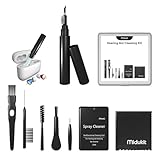
- CLEANS ALL MODERN HEARING AIDS - Compatible with rechargeable Bluetooth models (including charging cases), and also compatible with Oticon & Phonak. Safely removes earwax, dust, and debris from sensitive parts
- ALL-IN-ONE CLEANING TOOL - Features a precision pen, brush, spray, cloth for sound tubes, microphones, battery compartments, and even earbuds/ear molds. No more struggling with hard-to-reach spots
- REUSABLE & GENTLE - Soft nylon bristles and a magnetic tip (for battery handling) won’t scratch. Built to last for long-term hearing aid maintenance
- COMPACT & TRAVEL-READY - Stores neatly in a lightweight case - ideal for on-the-go cleaning at home or away
- HASSLE-FREE GUARANTEE - Backed by our 30-day money-back service. If you're not satisfied, we'll make it right - just contact our friendly customer support
This doesn’t make it “more precise” in the athletic sense, but it can be more sensitive to subtle functional decline that unfolds gradually rather than dramatically.
Heart rate and physiological metrics: a clear trade-off
Smartwatches and smart rings remain far ahead when it comes to cardiovascular metrics. Continuous heart rate tracking, heart rate variability, blood oxygen estimation, ECG spot checks, and sleep-stage modeling are firmly wrist- and finger-based domains.
Omega AI’s physiological tracking is narrower and more conservative. Where present, metrics are used as contextual signals rather than headline features, and Starkey has been careful not to position the device as a cardiovascular monitor.
If your priority is training load, recovery, or atrial fibrillation detection, a smartwatch or ring is still the more appropriate tool.
Recommended Free Tools
Consistency beats peak accuracy for longitudinal insight
Consumer wearables often produce highly accurate readings in controlled tests, yet real-world accuracy drops when wear becomes inconsistent. Devices left on the charger, removed for comfort, or forgotten overnight create gaps that complicate long-term interpretation.
Hearing aids don’t have that problem. Users typically wear them from morning to evening, day after day, with battery life measured in full waking hours rather than fractions of a day.
That consistency allows Omega AI to build baselines and detect deviations with fewer assumptions, even if individual data points are less granular than those from a flagship smartwatch.
Software interpretation: medical framing versus lifestyle analytics
Smartwatch platforms are designed for user-facing dashboards, trends, and goals. Their algorithms prioritize responsiveness, visual clarity, and motivational feedback, sometimes at the expense of clinical nuance.
Omega AI’s data is interpreted through a medical lens, with thresholds and trend analysis intended for audiologists, clinicians, or caregivers. The emphasis is on change over time rather than daily optimization, which reduces noise from normal variability.
This doesn’t inherently make the data more accurate, but it makes it more actionable in a healthcare context.
Where smart rings sit in the middle
Smart rings offer better comfort and sleep compliance than watches, and their finger-based sensors can outperform wrists for nocturnal heart rate and blood oxygen tracking. However, they still struggle with daytime movement context and are often removed during chores, exercise, or hand-intensive tasks.
Compared to Omega AI, rings provide richer physiological data but less continuity during waking hours. The choice becomes one of biological depth versus behavioral persistence.
For aging users in particular, that persistence can matter more than precision at any single moment.
Accuracy depends on the question you’re asking
If accuracy means detecting a missed workout, quantifying VO₂ max, or fine-tuning sleep stages, smartwatches and rings remain unmatched. If accuracy means reliably identifying changes in how someone moves, balances, and navigates daily life over months or years, Omega AI operates on more favorable terrain.
The hearing aid isn’t trying to replace wrist wearables; it’s measuring a different layer of health. And in that layer, accuracy is less about sensor sophistication and more about uninterrupted presence in the real world.
AI, On-Device Processing, and What Makes Omega ‘Medical-Grade’
What ultimately separates Omega AI from lifestyle wearables isn’t just where it’s worn, but how its intelligence is deployed. The system is designed less like a companion app chasing engagement, and more like an embedded medical device that happens to collect continuous behavioral data as a byproduct of daily life.
Free tools Windows power users keep installed
One-click scans. No signup required.
That distinction shows up most clearly in Starkey’s approach to AI, on-device processing, and regulatory positioning.
Edge AI: why Omega thinks locally instead of in the cloud
Omega AI relies heavily on on-device processing, meaning much of the signal analysis and classification happens directly inside the hearing aids rather than being streamed raw to a smartphone or cloud server. This reduces latency for hearing-related adjustments, but it also matters for health tracking.
Continuous motion data, head orientation, and acoustic context are filtered and interpreted locally before being summarized into clinically relevant metrics. Instead of logging every micro-movement like a smartwatch accelerometer might, Omega focuses on identifying patterns such as changes in gait stability, frequency of sedentary behavior, or deviations from a user’s long-term baseline.
For older adults, this approach minimizes false positives while preserving battery life, which remains competitive despite 24/7 wear expectations. The result is a system that can run all day without demanding constant charging or aggressive data syncing.
AI trained for classification, not motivation
Consumer wearables often use AI to drive nudges, goals, and gamified feedback. Omega AI’s models are trained for classification and trend detection rather than behavioral coaching.
Its algorithms prioritize recognizing states like walking versus standing, detecting falls, identifying prolonged inactivity, and monitoring consistency of daily routines. Over time, the AI becomes less interested in how active a user is today and more interested in whether their patterns are drifting compared to previous weeks or months.
This is a subtle but important shift. By anchoring analysis to longitudinal change rather than daily performance, Omega reduces sensitivity to outliers like a bad night’s sleep or an unusually busy afternoon.
What ‘medical-grade’ actually means here
The term medical-grade is often overused in consumer tech, but in Omega’s case it has a more concrete definition. These are FDA-regulated hearing aids first, and health trackers second.
Quick wins for a faster PC:
Fix the driver behind crashes, sound loss and screen glitchesFind Drivers →Repair Windows errors before they cause bigger problemsFix Now →That regulatory foundation shapes everything from sensor validation to data interpretation. Metrics such as step counts, activity levels, and fall detection aren’t presented as fitness achievements but as health indicators intended to support clinical conversations.
Equally important is what Omega doesn’t attempt. There’s no VO₂ max estimation, no calorie burn theatrics, and no speculative recovery scores. The system stays within domains where hearing-aid form factors, head-based motion sensing, and constant wear can deliver consistent signals over long periods.
Head-based sensing: an underrated advantage
Most wearables rely on wrist or finger movement as a proxy for whole-body motion. Omega’s sensors sit near the body’s center of balance, which gives it a unique vantage point for detecting gait irregularities, posture changes, and instability.
This positioning improves fall detection reliability and allows Starkey’s AI to assess balance confidence rather than just impact events. Subtle hesitations, asymmetrical movement, or reduced walking cadence can be flagged well before a dramatic fall occurs.
It’s not that head-based sensing is inherently more precise, but that it aligns better with the clinical questions Omega is designed to answer.
Privacy, persistence, and clinical trust
On-device processing also plays a role in privacy, which is especially critical for medical-adjacent wearables. By limiting raw data transmission and focusing on summarized trends, Omega reduces exposure without sacrificing usefulness.
For caregivers and clinicians, this builds trust in both the data and the device. The hearing aids don’t feel like surveillance tools; they function as passive observers that surface meaningful changes only when necessary.
This model reflects a broader shift in wearable health tech. Instead of chasing maximal data extraction, Omega AI prioritizes persistence, interpretability, and clinical relevance, qualities that matter far more in long-term health monitoring than flashy dashboards ever could.
Do these 3 things before closing this tab:
1Scan for outdated or missing drivers - takes under a minute2Clear out junk files and repair common Windows errors3Fix the driver behind crashes, sound loss and screen glitchesBattery Life, Wearability, and Daily Comfort Compared to Wrist Wearables
That emphasis on persistence naturally raises a practical question: how does Omega AI hold up when you live with it day in and day out? Battery longevity, physical comfort, and the psychological burden of wearing a device all determine whether long-term health tracking actually happens or quietly fails.
In this respect, hearing aids operate under very different constraints than watches or rings, and Starkey leans into those differences rather than fighting them.
Battery life shaped by necessity, not novelty
Omega AI hearing aids are designed to last a full waking day on a single charge, typically in the 20 to 24 hour range depending on streaming use, sensor activity, and environmental complexity. That figure may sound modest next to multi-day fitness bands, but it’s competitive with modern rechargeable hearing aids and aligns closely with real-world smartwatch endurance.
The key difference is predictability. Hearing-aid users already expect a daily charging routine, usually overnight in a bedside case, which means health tracking doesn’t introduce a new habit or failure point. There’s no anxiety about squeezing in a top-up before a workout or wondering whether sleep tracking will drain the battery before morning.
Quick wins for a faster PC:
Repair Windows errors before they cause bigger problemsFix Now →Scan for outdated or missing drivers - takes under a minuteDriver Scan →Rank #4

- Portable: This hearing aid cleaning kit includes a black storage bag for easy carrying and organization of tools, allowing you to clean your hearing aids anytime, anywhere, and develop a regular cleaning habit
- Simple Design: These hearing aid cleaning accessories feature a simple black design, are compact and lightweight, making them an ideal gift for loved ones
- Multi-functional: This hearing aid cleaning tool is versatile, not only for cleaning hearing aids but also for cleaning hard-to-reach parts such as headphones, earmolds, and earplugs, addressing issues like earwax buildup, blocked sound tubes, and battery dust. Three different cleaning brushes can scrape away hard-to-reach earwax and remove debris from hearing aid vents
- Tool Usage: This hearing aid cleaning kit includes different types of tools, each with different cleaning functions. It is recommended to clean your hearing aids regularly before bed or showering to allow sufficient ventilation time for the hearing aid components before wearing them again
- What You Get: You will receive a 12-piece hearing aid cleaning tool set. This includes 10 different sizes of multi-functional cleaning brushes and a screwdriver, a cleaning cloth, and a storage box. Our hearing aid cleaning kits, available in various sizes, cater to your needs for deep and quick cleaning. They also make wonderful gifts for family and friends, showcasing your care for your loved ones
Compared to wrist wearables that juggle bright displays, haptics, and app ecosystems, Omega’s power budget is tightly focused. Most of its energy goes into audio processing and low-power sensor fusion running continuously in the background, not intermittent bursts of high-performance computing.
Why constant wear changes the battery conversation
Smartwatches often advertise impressive battery figures, but those numbers assume periods of non-wear. Many users remove them at night due to bulk, strap discomfort, or charging needs, creating blind spots in health data exactly when long-term trends matter most.
Omega benefits from being a device people already wear from morning to evening as a medical necessity. That consistency allows Starkey to trade raw battery longevity for uninterrupted signal continuity during the hours that matter most for mobility, balance, and daily activity monitoring.
In practical terms, a device that lasts 24 hours but is worn every day is often more useful than one that lasts five days but spends half that time on a dresser.
Wearability: designed for invisibility, not interaction
Physically, Omega AI hearing aids are engineered to disappear. They sit behind or within the ear, distribute weight across the pinna, and avoid the pressure points that wrist straps, clasps, or metal cases can create over long periods.
There’s also a materials advantage. Medical-grade polymers, soft-touch finishes, and moisture-resistant coatings are chosen for skin tolerance and durability, not fashion trends. Sweat, temperature changes, and constant skin contact are expected operating conditions, not edge cases.
By contrast, even well-designed smartwatches introduce friction. Case thickness, lug-to-lug dimensions, strap materials, and clasp ergonomics all influence comfort, and even small annoyances become amplified when worn 12 to 18 hours a day.
The cognitive load of wearing a device
Comfort isn’t purely physical. Wrist wearables demand attention through notifications, reminders, and prompts, which can subtly shift a device from supportive to intrusive. For older adults or users managing cognitive load, this constant interaction can become a barrier rather than a benefit.
Omega avoids this by design. There’s no screen to check, no rings to close, and no sense of performance pressure. Health data collection happens passively, and insights are surfaced selectively through companion apps or caregiver portals rather than through constant on-body feedback.
This lower cognitive footprint is a meaningful differentiator. It allows the device to function as infrastructure rather than a gadget, something that quietly supports health without competing for attention.
Sleep, movement, and real-world comfort
Most users remove hearing aids during sleep, which means Omega doesn’t compete directly with sleep-tracking watches or rings. However, Starkey’s focus isn’t on sleep staging or overnight biometrics but on daytime mobility and fall risk, areas where consistent waking wear delivers more actionable value.
During movement, the head-mounted form factor also reduces mechanical noise. Wrist-based accelerometers must contend with arm swing variability, grip changes, and external impacts, while Omega’s placement provides a cleaner signal tied more closely to balance and gait.
What’s actually slowing this PC down?
Pick the symptom - the matching free tool is one click away.
Over weeks and months, this translates into fewer false positives, less data cleanup, and more reliable trend detection without sacrificing comfort.
Durability and maintenance in daily life
Omega AI hearing aids are built to survive daily exposure to sweat, rain, temperature shifts, and constant handling. Charging cases double as protective enclosures, and maintenance routines are already familiar to hearing-aid users.
Wrist wearables, especially those with premium finishes, often require more care. Scratches, strap wear, water ingress, and battery degradation can shorten useful lifespan or change how a device feels on the body over time.
For a health tracker intended to support multi-year monitoring, this kind of quiet durability matters more than headline specs.
Outdated Drivers Are Slowing You Down
One free scan finds every outdated or missing driver and matches the right update for your exact hardware.Free scan · exact hardware matchPC Slower Than It Used to Be?
A free scan shows the junk files, broken settings and background clutter dragging Windows down - then fixes them in one click.Free scan · Windows 10 & 11Reframing comfort as adherence
Ultimately, the comparison isn’t about which device is more advanced, but which one people will actually wear consistently. Omega’s greatest advantage over wrist wearables isn’t its sensor suite or AI models, but its alignment with an existing, medically motivated behavior.
When health tracking is embedded into something a user already relies on and trusts, adherence becomes the default rather than a goal. That shift, from optional gadget to essential companion, is what allows Omega AI to deliver meaningful health insights without asking users to change how they live.
Independent reader supportYour contribution helps us test, update, and keep practical guides available for everyone.The Starkey App Ecosystem: Health Insights, Alerts, and Caregiver Features
If Omega AI’s hardware makes adherence effortless, the Starkey app is where that passive data becomes meaningful. Rather than mimicking the dashboard density of a smartwatch app, Starkey’s software is designed around interpretation, context, and long-term patterns that matter to hearing-aid users and their support networks.
The result is less about closing rings and more about understanding how daily movement, listening environments, and overall activity intersect with health and independence.
Free tools Windows power users keep installed
One-click scans. No signup required.
Health metrics designed for everyday wear
At the core of the app is a health view built around steps, activity minutes, standing time, and movement intensity, all captured during normal waking hours. Because Omega sits on the head, these metrics emphasize balance, gait consistency, and real-world mobility rather than arm-driven motion.
Unlike wrist wearables that often overcount activity during hand movement, Starkey’s algorithms filter for whole-body motion. Over time, this produces cleaner trend lines that are particularly useful for spotting gradual declines in activity or changes in movement confidence.
The app also surfaces usage-based insights, such as how long the hearing aids are worn each day and in which environments. This ties hearing performance directly to lifestyle patterns, something watches and rings simply can’t contextualize.
Fall detection and proactive alerts
Fall detection is where Starkey’s app ecosystem most clearly departs from consumer fitness wearables. Omega continuously monitors head movement and orientation changes, allowing it to distinguish between normal daily motion and sudden, high-risk events.
When a potential fall is detected, the app can automatically alert designated contacts if the user doesn’t respond within a set timeframe. Alerts include time and location data, reducing ambiguity for caregivers or family members responding remotely.
Crucially, these alerts are not positioned as emergency-only features. The system is designed to reduce false alarms through trend awareness, learning what normal looks like for each individual rather than relying on static thresholds.
Caregiver connectivity without constant supervision
Starkey’s caregiver features are baked directly into the app, not bolted on as a premium afterthought. With permission, family members or care partners can receive summaries of activity levels, hearing-aid usage, and safety alerts without needing access to granular personal data.
This strikes a careful balance between independence and oversight. Caregivers can spot changes in routine or reduced activity early, while users retain control over what is shared and when.
For adult children supporting aging parents, this kind of passive visibility is often more valuable than real-time tracking. It enables informed conversations rather than reactive interventions.
Comparing the software experience to watches and rings
Compared to smartwatch apps, Starkey’s interface is calmer and more focused. There are no competitive streaks, social challenges, or performance scores, which aligns with the medically oriented role Omega plays in daily life.
Rings and watches often excel at overnight data like sleep staging or heart rate variability. Starkey largely avoids this territory, instead doubling down on daytime safety, mobility, and consistency, areas where hearing aids are worn longest and most reliably.
Battery life and charging routines also reflect this philosophy. Because Omega is already charged daily as a hearing aid, the app doesn’t need aggressive power-saving compromises that can limit sensor sampling on wrist devices.
Recommended Free Tools
A signal of where medical wearables are headed
What the Starkey app ultimately represents is a shift away from single-device health tracking toward embedded, purpose-driven ecosystems. By anchoring health insights to a medically necessary device, Starkey removes the friction that often undermines long-term wearable use.
This approach doesn’t replace watches or rings, but it reframes their role. Omega AI shows that some of the most impactful health data doesn’t need a screen on the wrist, just the right sensors, the right placement, and software that prioritizes real-world outcomes over novelty.
For users who already depend on hearing aids, the app turns a familiar daily tool into a quiet health companion, one that watches for risks, tracks meaningful change, and keeps caregivers informed without ever feeling like another gadget to manage.
Who Omega AI Is Really For: Older Adults, Active Users, and Care Networks
Understanding Omega AI’s appeal means looking past the headline feature list and focusing on how it fits into real lives. This isn’t a general-purpose wearable trying to replace a smartwatch, but a medically anchored device that happens to collect health data because it’s already worn all day.
The Tool Desk
Outbyte Driver Updater FREEScan for outdated or missing drivers - takes under a minuteDriver Scan →Outbyte PC Repair FREERepair Windows errors before they cause bigger problemsFix Now →Best Value

- ★Quantity: We offer a 4-pack, which not only includes 32 filters but also comes with a complimentary brush.
- ★Compatible with hearing aids from well-known brands like Phonak, Resound, Widex, Unitron, Jungle Care, and more.
- ★Simple to Use: Just utilize the included applicator to attach the filter to your hearing aid, preventing wax buildup and extending the lifespan of your hearing aids!
- ★Purpose: These guards serve to keep earwax, dust, grease, and moisture from obstructing your hearing aids.
- ★Important Note: Do not use the wax guard if you have a medical condition such as a perforated eardrum, or if you are using any ointments.
That distinction shapes who benefits most, and why the experience feels different from wrist- or finger-based trackers.
Older adults who want safety without lifestyle disruption
Omega AI is most compelling for older adults who already need hearing support and don’t want another device to learn, charge, or remember to wear. Because the sensors are built into a behind-the-ear form factor that’s worn for 12 to 16 hours a day, activity and safety tracking happens passively, without behavior change.
Fall detection is the clearest example. Unlike watches that rely heavily on arm movement patterns, Omega AI can infer a fall from head-level motion, orientation changes, and abrupt movement stops, which can be more reliable in real-world scenarios like slow collapses or seated falls.
Daily step counts, activity levels, and engagement trends also matter more here than performance metrics. The system looks for deviations from personal baselines, such as fewer steps, shorter wear time, or reduced movement across days, which can signal illness, fatigue, or cognitive decline earlier than a single alarming event.
Windows Errors? Fix Them Before They Spread
Repair common Windows errors and clear accumulated junk for a smoother, more stable PC - no reinstall needed.Free scan · no reinstallOutdated Drivers Are Slowing You Down
One free scan finds every outdated or missing driver and matches the right update for your exact hardware.Free scan · exact hardware matchActive users who don’t identify as “patients”
There’s a growing group of users who are mobile, socially engaged, and physically active, but still rely on hearing aids in work or outdoor settings. For them, Omega AI acts as a background health layer rather than a primary fitness tool.
Step tracking and activity monitoring won’t replace a Garmin or Apple Watch for workouts, but they do provide continuity on days when a watch isn’t worn. Because hearing aids are rarely removed during daytime activity, the data can actually be more consistent across errands, walks, and social outings.
Environmental awareness features also matter to this group. Omega AI’s sensors and AI processing help adapt sound profiles based on movement and surroundings, which indirectly supports safety by reducing cognitive load in busy environments. Less listening effort often translates into better balance, more confident movement, and longer periods of activity.
Care networks that need context, not constant alerts
For caregivers, clinicians, and family members, Omega AI’s value lies in pattern recognition rather than real-time surveillance. Shared data focuses on trends, such as declining activity, inconsistent device use, or repeated near-fall events, instead of flooding dashboards with moment-to-moment metrics.
What’s actually slowing this PC down?
Pick the symptom - the matching free tool is one click away.
This approach respects autonomy while still providing actionable insight. A drop in daily steps over several weeks can prompt a check-in, while changes in wear time may signal discomfort, illness, or early cognitive challenges that would otherwise go unnoticed.
Compared to watch-based health sharing, which often requires the user to remember to wear and charge another device, Omega AI benefits from its medical necessity. The hearing aid stays on because it’s needed, which makes the health data more reliable for long-term oversight.
Why it’s less compelling for quantified-self enthusiasts
Omega AI is not designed for users obsessed with VO2 max, heart rate variability, or sleep staging graphs. It doesn’t aim to compete with rings or watches that specialize in overnight physiology or athletic performance.
The health metrics here are practical and situational: movement consistency, falls, engagement, and safety. For users who enjoy deep analytics and daily scorecards, Omega AI may feel intentionally restrained.
That restraint is the point. By narrowing its focus, Starkey avoids turning a medical device into a distraction, and instead reinforces its role as a dependable, always-on companion that quietly supports health without demanding attention.
A clearer decision framework for buyers and families
Omega AI makes the most sense when hearing support is already a given and health tracking is a secondary but meaningful benefit. It’s strongest for users who value independence, for families who want reassurance without intrusion, and for care teams looking for longitudinal insight rather than snapshots.
If a smartwatch is about performance and engagement, Omega AI is about continuity and presence. It works best when worn daily, trusted implicitly, and allowed to fade into the background, where its health insights accumulate quietly and, over time, become genuinely useful.
What This Signals for the Future of Wearables Beyond the Wrist
Taken together, Omega AI’s restrained approach to health tracking points to a quiet but meaningful shift in how wearables are evolving. Instead of asking users to adopt yet another device, Starkey is embedding sensing into something that already has a daily purpose, reframing health data as a byproduct of living rather than a task to manage.
This is where wearables beyond the wrist begin to make more sense, especially for aging populations and long-term care scenarios. The future isn’t necessarily about more sensors or flashier dashboards, but about better placement, higher compliance, and data that reflects real life over months and years.
From lifestyle gadgets to medical-adjacent infrastructure
Smartwatches and rings are still fundamentally lifestyle devices. Even with FDA-cleared features, they remain optional, removable, and easy to abandon when charging fatigue or notification overload sets in.
Hearing aids like Omega AI operate differently. They are prescribed, fitted, and worn because they address a core sensory need, which makes their health data more continuous and less biased by user behavior. That reliability is critical if wearables are going to play a serious role in preventative health and aging-in-place strategies.
Over time, this positions hearing aids closer to medical infrastructure than consumer electronics. They become trusted endpoints for longitudinal monitoring, not just accessories competing for wrist space.
Why the ear is emerging as a powerful sensing location
The ear is an underappreciated real estate for health tracking. It offers stable positioning, consistent skin contact, and proximity to the head, which is valuable for motion analysis, fall detection, and contextual awareness.
Omega AI leverages this by focusing on metrics the ear can capture well: movement patterns, head orientation, wear time, and sudden changes indicative of a fall. It avoids chasing signals better suited to optical wrist sensors, like continuous heart rate or blood oxygen, and instead doubles down on data it can measure reliably.
As sensor miniaturization improves, the ear may also become more relevant for future cognitive and neurological insights, areas where wrist-based wearables struggle to offer meaningful signal.
A different philosophy of user experience
Where watches emphasize engagement, streaks, and daily feedback loops, Omega AI reflects a philosophy of intentional quiet. The software experience prioritizes summaries, trends, and alerts only when something deviates from baseline.
Do these 3 things before closing this tab:
1Scan for outdated or missing drivers - takes under a minute2Clear out junk files and repair common Windows errors3Fix the driver behind crashes, sound loss and screen glitchesThis matters because constant feedback can be counterproductive for users managing chronic conditions or age-related decline. By reducing cognitive load, Starkey’s approach respects attention as a limited resource, especially for older adults.
It also reframes success. A good day isn’t one with perfect numbers, but one where the device fades away and simply works.
Implications for caregivers, clinicians, and families
The long-term value of wearables like Omega AI is less about individual metrics and more about shared visibility. Passive data collection allows caregivers and clinicians to spot changes early, without relying on self-reporting or sporadic check-ins.
This creates a new layer of trust. Families gain reassurance without surveillance, and users retain independence without feeling monitored. That balance is difficult to achieve with traditional consumer wearables, which often require active participation and interpretation.
As healthcare systems move toward remote monitoring and outcome-based care, devices that naturally integrate into daily life will be easier to scale and sustain.
The broader shift beyond the wrist
Omega AI is part of a larger pattern that includes smart rings, connected insoles, posture-tracking garments, and other purpose-built form factors. The common thread is not novelty, but relevance: sensors placed where they make the most sense for the job.
This shift challenges the idea that one device can do everything. Instead, it favors specialized wearables that do a few things well, with higher comfort, longer battery life, and better real-world adherence.
In that context, Starkey’s hearing aids aren’t trying to replace a smartwatch. They’re showing what happens when health tracking is designed around necessity rather than motivation.
Quick wins for a faster PC:
Fix the driver behind crashes, sound loss and screen glitchesFind Drivers →Repair Windows errors before they cause bigger problemsFix Now →Scan for outdated or missing drivers - takes under a minuteDriver Scan →Why this matters now
As populations age and healthcare costs rise, the industry is being pushed to rethink what effective wearables look like. Omega AI suggests that the next phase won’t be driven by more data, but by better data collected in smarter ways.
For users, it means health insights that feel supportive rather than demanding. For the industry, it signals a future where wearables earn their place not through features, but through presence.
If the wrist was the gateway to mainstream health tracking, devices like Omega AI hint at what comes next: wearables that don’t ask to be worn, because they already are.
Quick Recap
Product prices and availability are accurate as of the date/time indicated and are subject to change. Any price and availability information displayed on Amazon at the time of purchase will apply.
Free tools Windows power users keep installed
One-click scans. No signup required.