Quick wins for a faster PC:
Scan for outdated or missing drivers - takes under a minuteDriver Scan →Clear out junk files and repair common Windows errorsFree Scan →Fix the driver behind crashes, sound loss and screen glitchesFind Drivers →The Grand Seiko 44GS 4420-9000 is a vintage reference tied to a landmark in Grand Seiko design: the 44GS, introduced in 1967, established the visual language known as the Grand Seiko Style. One auction-catalogued example, dated circa 1968, had a hand-wound 4420B movement and a 37 mm stainless-steel case; those details describe that specimen, not necessarily every surviving watch bearing the reference.
What is the Grand Seiko 44GS 4420-9000?
It is a vintage Grand Seiko reference within the 44GS model line. The distinction matters: the 44GS is historically significant as the model that established the Grand Seiko Style, while 4420-9000 identifies a particular reference whose documented details come here from a past auction catalogue.
| # | Preview | Product | Price | |
|---|---|---|---|---|
| 1 |
|
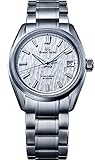
Grand Seiko Stainless Steel 40mm White Birch Dial Series 9 Watch SLGH005 | $9,300.00 | Buy on Amazon |
Phillips’ Hong Kong Watch Auction XX catalogue describes one 4420-9000 as circa 1968. For that watch, the listing specifies a hand-wound calibre 4420B with 27 jewels, a stainless-steel case measuring 37 mm in diameter, and signed case, dial, movement, and buckle. It also lists a crocodile strap. These are catalogue details for one example, not a complete factory specification sheet or proof of the configuration, originality, or condition of another watch. Phillips’ catalogue record.
Why is the 44GS important?
Seiko Museum Ginza dates the 44GS to 1967 and describes it as “A significant model as the first rendition of the ‘The Grand Seiko Style’ exterior design.” Grand Seiko’s history likewise says the model established a design language that continues to inform the brand. Seiko Museum Ginza’s 44GS collection entry · Grand Seiko’s 44GS history.
Recommended Free Tools
#1 Best Overall
- See-through case back
- Date display
- Screw-down crown
- 40mm Diameter
- Weight 178.0 g
The movement and manufacturing history are part of the model’s significance too. Grand Seiko states that the 44GS was a manual-winding watch with a five-beat movement, adjusted to the highest accuracy of its time, and that it was the first Grand Seiko model manufactured by Daini Seikosha. Those are the manufacturer’s historical descriptions; they do not establish a performance measurement for a particular surviving watch today.
What defines the Grand Seiko Style?
The design aims for a crisp, high-contrast play of light and shadow. Grand Seiko’s account describes flat surfaces finished to be distortion-free, sharp ridgelines, two-dimensional curves, multifaceted hands and indexes, inward-sloping case sides, a partially recessed crown, and a mirror-polished bezel. Zaratsu polishing is identified by the brand as part of the surface treatment behind that visual effect. Grand Seiko’s design account of the 44GS.
The museum’s summary emphasizes the transition from a plane into a secondary curve and a fine mirror finish. On a vintage watch, those characteristics also make case condition especially visible: softened edges or uneven planes can alter the intended light play. The design description explains the original intent, however; it does not certify that any particular surviving case remains unpolished or retains factory geometry.
Independent reader supportYour contribution helps us test, update, and keep practical guides available for everyone.What should you check when considering a vintage 4420-9000?
Evaluate the actual watch rather than relying on the reference name or a past catalogue entry. Useful checks include:
The Tool Desk
Outbyte Driver Updater FREEFix the driver behind crashes, sound loss and screen glitchesFind Drivers →Outbyte PC Repair FREEClear out junk files and repair common Windows errorsFree Scan →- Case shape and finish: inspect whether the flat planes and ridgelines remain distinct and whether polishing appears even. A loupe can help examine visible details, but it cannot authenticate the watch or establish movement health.
- Movement and service records: ask for documentation of service and have a qualified vintage-watch specialist assess operation and condition. The sources cited here do not establish a service interval or the condition of any watch currently offered.
- Dial, hands, crown, and signed components: compare the individual watch’s components and condition with the seller’s description and any available documentation. The signed components noted by Phillips apply to its catalogued specimen only.
- Provenance and completeness: review available ownership history and accompanying records without assuming that missing paperwork proves a watch is inauthentic.
- Price evidence: compare the asking price with recent sales of genuinely comparable examples, accounting for condition, originality, and documentation.
Phillips’ past catalogue is a research reference for the exact model and reference, not evidence of current availability or a current fair market value. The sources available here do not establish a present price range, a water-resistance rating, complete production variations, or parts availability. Those questions require current sales evidence and a specialist’s inspection of the specific watch.
Quick Recap
Product prices and availability are accurate as of the date/time indicated and are subject to change. Any price and availability information displayed on Amazon at the time of purchase will apply.