Quick wins for a faster PC:
Scan for outdated or missing drivers - takes under a minuteDriver Scan →Repair Windows errors before they cause bigger problemsFix Now →Some links on this page are affiliate links: if you buy through them we may earn a commission, at no extra cost to you.
Usually, yes—but only when the watch is made with solid, nickel-free titanium throughout the parts that touch your skin. Titanium is light, corrosion resistant and generally well tolerated, making it a sensible choice for daily wear and for many people with nickel sensitivity. The word “titanium” on a dial or product page is not enough, however. A titanium-colored coating, stainless-steel caseback, nickel-plated component, clasp, screw, strap, sweat or trapped soap can still trigger irritation. Check the complete material list and treat any rash as a reason to stop wearing the watch until you know its cause.
What does “hypoallergenic” mean for a titanium watch?
“Hypoallergenic” means lower likelihood of causing an allergic reaction, not an absolute guarantee that a watch cannot irritate anyone. The American Academy of Dermatology (AAD) identifies nickel as a common cause of allergic contact dermatitis and lists watches among common nickel-exposure items. It estimates that more than 18% of people in North America are allergic to nickel, although that figure is not a watch-specific reaction rate.
As an Amazon Associate I earn from qualifying purchases.
Outdated Drivers Are Slowing You Down
One free scan finds every outdated or missing driver and matches the right update for your exact hardware.Free scan · exact hardware matchPC Slower Than It Used to Be?
A free scan shows the junk files, broken settings and background clutter dragging Windows down - then fixes them in one click.Free scan · Windows 10 & 11Titanium is broadly biocompatible and is widely used as an alternative to nickel, chromium and cobalt. A 2023 clinical review notes that titanium allergy is possible but uncommon. A person with a history of metal allergies may still need a dermatologist’s evaluation or patch testing rather than relying on a marketing label.
Why is titanium usually gentler on sensitive skin?
When it is solid and nickel-free, titanium avoids the nickel exposure that causes most watch-related metal allergies. It also has practical properties that help with daily comfort:
Popular on Amazon
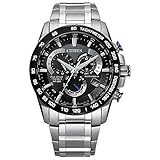
- With bold design and superior accuracy, Citizen Atomic Timekeeping watches synchronize to an atomic clock with a margin of error of just one second in 100,000 years.
- An Eco-Friendly Evolution: Citizen launches first Titanium Watch in 1970. More than 50-year-old evolution of innovative timepieces crafted from proprietary space-age material.
- Benefits of Super Titanium: Lightweight for Better Comfort, Scratch Resistant, Gentle on Skin, and Rust Resistant. Five times harder and 40% lighter than stainless steel.
- 1/5 Second Chronograph Measures up to 60 Minutes, 12/24 Hour Time, Date, Anti-Reflective Sapphire Crystal
- Sustainably powered by any light, with our Eco-Drive technology this watch never needs a battery. 200 Meter Water Resistant and 5 Year Limited Warranty
- Low weight: Citizen Watch UK says its Super Titanium is approximately 40% lighter than stainless steel. That is a manufacturer figure for its treated material, not a universal value for every titanium grade or design.
- Corrosion resistance: Citizen says Super Titanium is more corrosion resistant, including around salt water. This claim applies to that treated product and should not be assumed for every alloy or finish.
- Surface durability: Citizen reports that its Duratect hardening makes Super Titanium more than five times harder than stainless steel. Hardness is a material or surface measurement; it does not mean the watch is scratch-proof.
- Comfort in long wear: Lower mass can reduce the pulling and pressure that make a bracelet feel uncomfortable during work, exercise or sleep.
These advantages make titanium attractive for daily use, but they do not prove that a particular watch is allergy-safe. The assembly and the skin-contact surfaces determine your actual exposure.
Can I wear a titanium watch every day if I have a nickel allergy?
Often, yes, provided the manufacturer confirms that the case, caseback, crown, clasp, screws, bracelet and any other skin-contact parts are nickel-free titanium or another material you tolerate. Do not assume that a titanium case makes the entire watch nickel-free. A stainless-steel back or clasp can sit directly against your wrist, and a plated component may expose a different metal as its finish wears.
The Contact Dermatitis review specifically cautions that products sold as “100% titanium” or “pure titanium” can still have nickel plating or non-titanium screws and pads. It also discusses beta-titanium alloys and nickel-containing Nitinol, so the exact alloy and the complete construction matter more than the headline material.
What to ask the manufacturer or retailer
- Request the exact materials for the case, caseback, crown, pushers, clasp, bracelet links, screws and pins.
- Ask whether any component is stainless steel, Nitinol or another alloy that may contain nickel.
- Confirm whether the finish is a coating over another metal rather than solid titanium.
- Look for a specific nickel-free statement, not only the word “hypoallergenic.”
- Check the current model specification, because case, bracelet and strap options can differ within one watch family.
If the seller cannot identify the metal touching your skin, consider that uncertainty a risk—especially if you have reacted to watches before.
Is solid titanium safer than titanium-coated stainless steel?
For a nickel-sensitive wearer, solid titanium with documented nickel-free construction is generally the safer starting point. Titanium-coated stainless steel may look and feel like titanium while leaving stainless steel underneath; if the coating is thin, damaged or absent on the caseback and clasp, nickel exposure remains possible.
| Construction or claim | What it tells you | What it does not tell you |
|---|---|---|
| Solid titanium case and bracelet | Lower likelihood of nickel exposure when the alloy is documented as nickel-free | Whether the caseback, clasp, pins or screws are also titanium |
| Titanium-coated or titanium-colored steel | Only that a surface has a titanium layer or appearance | Which substrate is underneath or how the coating behaves after wear |
| “Hypoallergenic” label | A general lower-allergen marketing claim | A guarantee against titanium, nickel or irritant dermatitis |
| Nickel-free documentation | Direct evidence about nickel in the specified parts | Whether sweat, friction, soap or another material will irritate your skin |
| Leather, cloth or plastic band | Alternative to a metal bracelet for nickel avoidance | Whether its buckle, spring bars or lining contain metal or irritating dyes |
Can colored or hardened titanium finishes cause a reaction?
Black, gold and other colored watches commonly use PVD, DLC or another surface treatment. A coating can change the metal your skin contacts, but it can also wear through at edges, on the clasp or against a desk. Ask what lies beneath the finish and whether the caseback and clasp receive the same treatment. A hardened surface may improve scratch resistance without changing the alloy’s allergy profile.
Recommended Free Tools
Citizen says its surface treatment reduces the risk of adverse skin reactions, while also warning that Super Titanium does not prevent reactions to all metal allergies. That qualification is important: a branded treatment is not evidence that every wearer will tolerate every part of the watch.
Is titanium better than stainless steel for sensitive skin?
Titanium is often the better choice when your main concern is nickel exposure and low weight, but stainless steel is not one single material. Different grades and components can have different compositions, and a stainless-steel watch with a documented nickel-safe construction may work well for some people. Compare the actual skin-contact parts rather than judging by the case label alone.
| Factor | Solid, documented titanium | Stainless steel |
|---|---|---|
| Nickel-allergy risk | Usually lower when the alloy and all contact parts are nickel-free | Depends on grade, plating and the specific caseback, clasp and bracelet |
| Weight | Citizen reports Super Titanium is approximately 40% lighter than stainless steel | Reference material for that comparison |
| Corrosion | Strong resistance; Citizen specifically claims an advantage for Super Titanium around salt water | Varies by grade and maintenance |
| Scratch resistance | Citizen reports Duratect Super Titanium is more than five times harder than stainless steel | Depends on grade and any hardening treatment |
| Daily comfort | Lower mass can reduce wrist fatigue; bracelet fit still matters | Heavier feel can be preferred by some wearers |
| Evidence to check | Alloy, coating and every metal component | Grade, plating and every metal component |
There is no independent, watch-specific prevalence figure showing how often titanium watches cause reactions. Avoid claims that any material is “allergy-proof.”
Also popular on Amazon

- Titanium-Tone Design: Blue dial pairs with a 40mm titanium-color case and an adjustable green strap fitting up to an 8-inch wrist
- Adjustable Fabric Strap: An adjustable fabric band fits comfortably up to an 8-inch wrist circumference for a secure, personalized feel
- Indiglo Backlight: A push of the button illuminates the dial and luminous hands in the dark, day or night, rain or shine
- All-Weather Durability: A mineral glass crystal and water resistance to 50 meters keep this field watch ready for daily wear
- Built to Last: A Timex watch is designed for durability and everyday reliability; every piece reflects our commitment to quality without compromise
How should I choose a titanium watch for daily wear?
1. Start with the parts that touch your wrist
Prioritize the caseback, bracelet or strap underside, clasp and spring bars. A titanium case with a steel back can defeat the reason you chose titanium. If the watch has a metal bracelet, inspect the clasp because it can cover a large area and remain damp after washing.
Quick wins for a faster PC:
Scan for outdated or missing drivers - takes under a minuteDriver Scan →Clear out junk files and repair common Windows errorsFree Scan →2. Separate the watch head from the band
If the case is suitable but the bracelet causes redness, test a leather, cloth or plastic band. The AAD specifically suggests leather, cloth or plastic watchbands for people avoiding nickel. Check the replacement band’s buckle, keeper, spring bars and lining as carefully as the original bracelet.
3. Prefer clear specifications over color names
“Titanium gray,” “titanium finish” and similar wording can describe appearance rather than composition. Look for the alloy designation, a nickel-free statement and a parts list. If only the case is identified, treat the rest as unknown until the maker confirms it.
4. Consider your environment
Daily wear during exercise, swimming or hot weather increases sweat, salt and friction. Titanium’s corrosion resistance helps, but it does not prevent irritation from moisture, soap or a tight band. A watch that is comfortable in a dry office may need different care during workouts.
How do I wear and clean a titanium watch safely every day?
Withings says its watches are designed to be worn safely day and night and recommends habits that also reduce irritation risk for other watches. Use this routine:
What’s actually slowing this PC down?
Pick the symptom - the matching free tool is one click away.
- Fit the band comfortably. It should not pinch or leave a deep mark. A little movement allows air to reach the skin.
- Clean away residue. Rinse or wipe sweat, soap, sunscreen and moisturizer from the caseback and band according to the watch maker’s water-resistance instructions.
- Dry the wrist and watch. Pay attention after exercise, showering or swimming. Do not trap damp fabric or moisture beneath the case.
- Give your skin breaks. Remove the watch periodically so the area can breathe, particularly overnight if the skin is already irritated.
- Inspect high-wear points. Look at clasp edges, coating damage, bracelet gaps and the caseback for roughness that can increase friction.
- Replace contaminated or damaged bands. A band that holds sweat, detergent or skin products can irritate even when the watch metal is well tolerated.
Follow the manufacturer’s water-resistance limits; corrosion resistance does not make every crown, seal or strap suitable for prolonged immersion.
Independent reader supportYour contribution helps us test, update, and keep practical guides available for everyone.What should I do if a titanium watch gives me a rash?
Stop wearing it rather than trying to push through the reaction. A red or itchy patch can be allergic contact dermatitis, but trapped moisture, friction, soap and sweat can cause irritant dermatitis that looks similar. The rash alone cannot identify titanium as the allergen.
- Wash the area gently and keep it dry.
- Set the watch and band aside until the skin has recovered and the cause is clearer.
- Record where the rash appears: under the caseback, around the clasp, along the bracelet or only beneath a colored finish.
- Do not resume wearing it simply because the rash improves; ask a dermatologist or the manufacturer to investigate the materials.
The AAD recommends medical evaluation when a rash persists, blisters, becomes infected or keeps returning. A dermatologist can consider patch testing for nickel or other contact allergens before you buy another watch.
How meaningful are manufacturer allergy and biocompatibility tests?
Testing is useful only within its stated scope. Withings says its watches were submitted to ISO 3160 artificial-perspiration testing and ISO 10993 biocompatibility testing. Those results describe the tested Withings products and conditions; they cannot be generalized to every titanium watch, alloy, coating or replacement band.
Do these 3 things before closing this tab:
1Fix the driver behind crashes, sound loss and screen glitches2Clear out junk files and repair common Windows errors3Scan for outdated or missing drivers - takes under a minuteAlso popular on Amazon

- 3 Hand, Date
- Silver-Tone Stainless Steel
- Sapphire Crystal
- 100 Meter Water Resistant and 5 Year Limited Warranty
Ask what product was tested, which skin-contact materials were included, which standard and test conditions were used, and whether the current model is unchanged. A test report is stronger evidence than an unqualified “hypoallergenic” badge, but it still cannot predict every individual’s response.
Who should avoid assuming a titanium watch will be trouble-free?
Take extra care if you have a confirmed nickel allergy, a history of reactions to jewelry, eczema, unexplained rashes or a previous reaction to titanium-containing medical or dental devices. Titanium allergy is uncommon, yet the 2023 clinical review says people with prior allergy histories may warrant specialist evaluation.
If you have no allergy history, a documented solid-titanium watch may be a comfortable daily option, but introduce it sensibly: wear it for short periods, keep the skin dry and monitor pressure points. Stop at the first sign of persistent irritation instead of changing several products at once, which makes the trigger harder to identify.
What is the practical verdict?
A titanium watch is usually suitable for daily wear and often a good choice for nickel-sensitive skin when it uses solid, documented nickel-free titanium in every relevant component. Its lightness, corrosion resistance and—on treated products—enhanced hardness support all-day comfort. The deciding evidence is the complete construction, not the word “titanium” or “hypoallergenic” on its own.
Outdated Drivers Are Slowing You Down
One free scan finds every outdated or missing driver and matches the right update for your exact hardware.Free scan · exact hardware matchWindows Errors? Fix Them Before They Spread
Repair common Windows errors and clear accumulated junk for a smoother, more stable PC - no reinstall needed.Free scan · no reinstallFrequently Asked Questions
Can titanium watches turn skin green?
Green discoloration usually comes from copper-containing metal, cosmetics or residue transferring to the skin rather than from elemental titanium itself. Check the caseback, clasp and coating for another alloy, and stop wearing the watch if discoloration appears with itching or inflammation.
Are titanium watch buckles and spring bars nickel-free?
Not necessarily. Buckles, pins and spring bars are often specified separately from the case and may be stainless steel or another alloy, so request their material details before relying on a titanium case for nickel avoidance.
Can I test a titanium watch at home before wearing it all day?
A short, supervised wear period can reveal pressure or moisture problems, but it cannot reliably rule out allergic contact dermatitis. Formal patch testing through a dermatologist is more informative when you have a history of metal reactions.
Does a titanium watch need special cleaning compared with steel?
The cleaning need is driven more by the band, coating and water-resistance rating than by titanium itself. Wipe away sweat, soap and lotion, dry the caseback and follow the maker’s instructions for rinsing or immersion.
Free tools Windows power users keep installed
One-click scans. No signup required.

