Do these 3 things before closing this tab:
1Repair Windows errors before they cause bigger problems2Fix the driver behind crashes, sound loss and screen glitches3Clear out junk files and repair common Windows errorsFive costly watch-collecting pitfalls are easy to avoid: buying before asking enough questions, trusting a seller’s authenticity claim without evidence, overlooking condition and mismatched parts, assuming every watch has the same care needs, and misjudging water resistance or neglecting records. These are practical lessons for new and developing collectors—not verified accounts of one author’s personal history.
1. Buying before doing enough homework
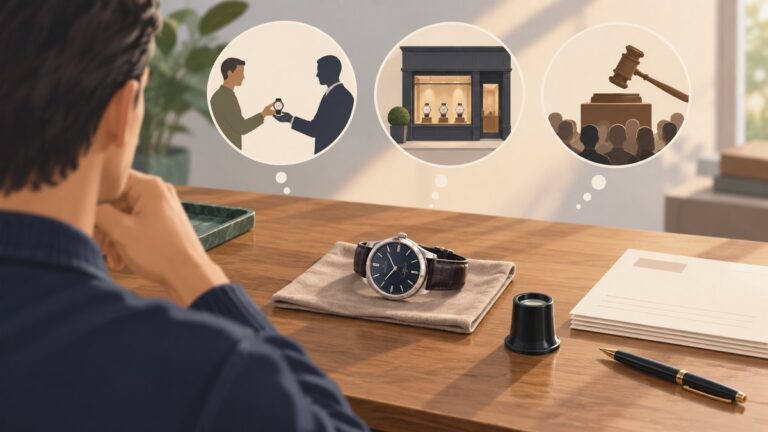
Especially with vintage and pre-owned watches, a listing is only the start of the evaluation. Before paying, ask about the watch and the seller, then compare the answers with the listing. Hodinkee’s vintage-buying guidance recommends asking questions before a purchase; if important details are missing or contradictory, pause or walk away rather than treating uncertainty as a bargain.


Questions to ask before committing
- What is known about the watch’s ownership and provenance?
- What condition issues are present, and have any parts been replaced?
- When was it last serviced, and is there documentation?
- What exactly is included in the sale, and what is the seller’s return policy?
Use the answers to assess the seller as well as the watch. A low price does not compensate for details you cannot verify or a seller who will not address reasonable questions.
2. Treating a listing or seller claim as proof of authenticity
A confident description, attractive photographs, or a seller’s assurance is not the same as reliable authenticity evidence. For a new Rolex, Rolex advises buying from an Official Rolex Retailer, which warrants the watch’s authenticity. That is specific brand guidance for new Rolex purchases; it does not authenticate every pre-owned Rolex listing or watches from other brands. See Rolex’s buying guidance.
What’s actually slowing this PC down?
Pick the symptom - the matching free tool is one click away.
For other purchases, assess the seller’s credibility and the available documentation, and consider an independent specialist’s assessment when the stakes justify it. Do not assume that a box, papers, or a listing’s wording alone settles the question.
3. Ignoring condition, originality, and parts consistency
A watch can look convincing in photographs while having condition problems or components that do not belong together. The Watch Museum’s collecting guide describes “Frankenwatches”—watches assembled from parts of different watches—and recommends checking whether components fit together in period, style, manufacturer, and quality. Its examples concern pocket watches, but the consistency check is also a useful caution when assessing a vintage wristwatch.
Inspect the watch as a whole
- Compare the case, dial, hands, and movement for consistency with the model and one another.
- Ask whether components have been refinished, replaced, or repaired, and request clear photographs or documentation.
- Ask about the watch’s condition and service history; treat an undocumented service claim as unverified.
Originality is not the only measure of a good purchase, and a replaced part is not automatically a reason to reject a watch. The important point is to know what you are buying, understand the trade-off, and make sure the price and intended use reflect it.
4. Assuming servicing and care are simple or uniform
Service intervals are not one-size-fits-all. Rolex recommends servicing approximately every 10 years, depending on the model and real-life use. Patek Philippe recommends service every eight to ten years for its quartz and mechanical watches. These are separate brand recommendations, not a universal schedule for every watch. Check the instructions for the exact model and consult an authorized or suitably qualified service provider when needed: Rolex service guidance and Patek Philippe service guidance.
Quick wins for a faster PC:
Repair Windows errors before they cause bigger problemsFix Now →Scan for outdated or missing drivers - takes under a minuteDriver Scan →Rank #3

- Book - a man and his watch: iconic watches and stories from the men who wore them
- Language: english
- Binding: hardcover
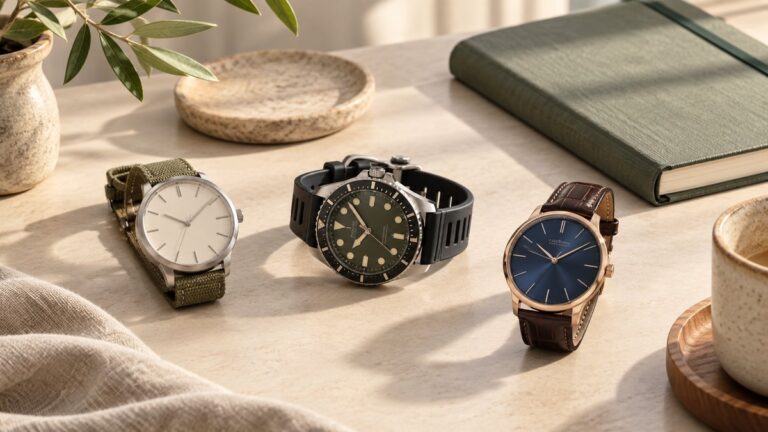
Care also depends on the watch. Patek Philippe advises avoiding shocks, prolonged vibration, extreme temperature changes, and magnetic fields. Follow the manufacturer’s instructions for your own model instead of assuming that the care needs of one watch apply to the rest of a collection.
Independent reader supportYour contribution helps us test, update, and keep practical guides available for everyone.5. Overestimating water resistance and neglecting collection records
Water resistance is a specification to match to an activity, not a blanket promise that a watch is safe in water. Jewelers of America maps 10 ATM to swimming and snorkeling and 20 ATM to snorkeling and scuba diving in its water-resistance guidance. Those category guidelines do not override a particular watch’s instructions or condition. Check the model’s guidance, and do not assume an older watch remains water-resistant just because it has a rating.
Records become increasingly useful as a collection grows. The Watch Museum guide recommends keeping a current inventory with photographs and valuations, using clean, closed storage, and considering specialist insurance for a significant collection. For watches, keep purchase and service documents alongside clear photographs and current valuations. A clean, closed storage case can help organize watches; it is not a substitute for following the care instructions for each one.
Quick Recap
Best Value
Product prices and availability are accurate as of the date/time indicated and are subject to change. Any price and availability information displayed on Amazon at the time of purchase will apply.