Some links on this page are affiliate links: if you buy through them we may earn a commission, at no extra cost to you.
The reliable approach is layered security: keep the watch in a fire-rated, insurance-appropriate safe that is bolted to the building, hide the safe sensibly, and pair it with locked entry points, a monitored alarm, visible cameras and motion lighting. Ask your insurer for its exact safe, installation, alarm and documentation requirements before buying or fitting anything. For an exceptionally valuable watch, a safety-deposit vault removes the item from the home’s burglary risk altogether. Keep photographs, serial numbers, purchase records and valuation evidence, and treat any tracker as a recovery aid—not as a theft-prevention device or a reason to confront a thief.
What is the safest way to store a luxury watch at home?
Use a properly rated safe that is anchored to the structure of the building and concealed from casual discovery, then reinforce it with physical, electronic and procedural controls. A safe that can be carried away, an alarm that is not set, or an unlocked window leaves a major gap.
As an Amazon Associate I earn from qualifying purchases.
Do these 3 things before closing this tab:
1Scan for outdated or missing drivers - takes under a minute2Repair Windows errors before they cause bigger problems3Fix the driver behind crashes, sound loss and screen glitchesStart with the insurer’s written requirements
Insurance conditions vary by policy, country and the value of the item. Before selecting a safe or alarm, ask the insurer to confirm in writing:
- The required cash-security rating for the watch’s insured value.
- Whether a fire rating is mandatory and which standard or certification is accepted.
- How the safe must be anchored, including acceptable wall, floor and fixing materials.
- Whether an alarm is required, which standard applies, and whether professional monitoring is necessary.
- Whether keys, codes or override devices must be removed from the home when it is unattended.
- What valuation, receipts, photographs and other evidence must be retained.
Do not assume that a safe advertised as “high security” will satisfy your policy. Obtain the insurer’s acceptance before installation, and keep the correspondence with the policy documents.
Popular on Amazon

- FIREPROOF: The safe is UL Classified to endure 1 hour at 1700°F and keep interior temperatures safe for irreplaceable documents, valuables, DVDs, and USBs
- WATERPROOF: The home safe is ETL Verified for 24 hours of protection in water up to 8 inches deep offering peace of mind in the event of a flood
- MAXIMUM SECURITY: Combination safe features 4 live-locking bolts, steel construction, pry-resistant hinge bar, shelf, and bolt-down hardware
- FALL RESISTANT: The safe box is ETL verified to withstand a 15-foot fall during a fire and remain closed
- MEASUREMENTS: Exterior:16.3 inch W x 19.3 inch D x 17.8 inch H; Interior: 12.6 inch W x 11.9 inch D x 13.8 inch H; Large 1.23 cubic foot capacity; Weights: 86 pounds
Choose a fire-rated, insurance-rated safe
A fire rating protects the watch and its records during a fire; it does not describe resistance to burglary. The burglary rating, locking system, door construction and tested attack resistance are separate considerations. Match the safe’s certified cash rating to the insurer’s requirement rather than selecting by brand, weight or appearance alone.
The Metropolitan Police advises that people with high-value items such as jewellery and watches may want to use a safe, and specifically says: “Should you opt for a safe in your home, ensure it is fire rated.” That guidance is a baseline, not a substitute for your insurer’s wording.
The Tool Desk
Outbyte PC Repair FREEClear out junk files and repair common Windows errorsFree Scan →Outbyte Driver Updater FREEScan for outdated or missing drivers - takes under a minuteDriver Scan →Anchor the safe to the building
Have the safe professionally fixed through the manufacturer’s specified points into concrete, masonry or structural timber. Follow the installation instructions exactly; an otherwise suitable safe can fail an insurance condition if it is installed incorrectly. An unanchored or lightly attached cabinet may simply be removed and opened elsewhere.
Conceal the safe from visitors and from views through windows. Avoid putting it in the main bedroom: police crime-prevention guidance identifies bedrooms as common search locations for burglars. Concealment should supplement, not replace, certified resistance and anchoring.
Should I use a home safe or a safety-deposit vault?
A hidden, anchored home safe is practical for regular access, while an off-site vault provides the strongest reduction in home-burglary exposure. The right choice depends on how often you wear the watch, its value, your local risk and the vault’s access and insurance terms.
| Storage option | Effect on theft risk | Main trade-off | Best use |
|---|---|---|---|
| Hidden, anchored home safe | Reduces casual access and makes removal of the safe harder | Requires the correct rating, professional installation and insurer compliance | Regular home storage when the insurer accepts the setup |
| Safety-deposit vault | Removes the watch from the home’s burglary risk | Access is less immediate; availability, cost and insurance treatment vary | Exceptional value, long absences or high local burglary risk |
| Watch box, drawer or portable lockbox | Offers little deterrence and is easy to remove | Convenient but weak against a determined burglar | Temporary use only, never the primary control |
Ask the vault provider and your insurer who covers the watch while it is stored, during transit and when it is outside the vault. A vault arrangement can change access, declaration and claims conditions, so get those terms in writing rather than assuming your household policy follows the watch automatically.
Quick wins for a faster PC:
Repair Windows errors before they cause bigger problemsFix Now →Fix the driver behind crashes, sound loss and screen glitchesFind Drivers →Clear out junk files and repair common Windows errorsFree Scan →How do I build layers around the safe?
Use overlapping measures so that one failure does not expose the watch. Physical delay, detection, evidence and a response plan each solve a different problem.
Also popular on Amazon

- Fireproof safe is UL Classified to endure 1 hour at 1700°F and keep interior temperatures safe for irreplaceable documents, valuables, DVDs, and USBs; ETL Verified to withstand a 15 foot fall during a fire and remain closed
- Waterproof safe is ETL Verified for 24 hours of protection in water up to 8 inches deep offering peace of mind in the event of a flood
- Set your own digital combination fire safe with secondary locking key for strong security; digital combination safe features four live-locking bolts, steel construction, pry-resistant hinge bar, locking drawer, interior light, and bolt down hardware
- Exterior: 16.3 in. W x 19.3 in. D x 17.8 in. H; door requires 14.75 in. of clearance to fully open; Interior: 12.6 in. W x 11.9 in. D x 13.8 in. H; large 1.23 cubic foot capacity; weighs 86.69 pounds
- For optimal performance, SentrySafe recommends the use of four high-quality, name branded, alkaline AAA batteries with an expiration date of 8-10 years from the current year.
Harden doors, windows and outbuildings
- Lock every external door and window whenever the home is unattended, including upper-floor openings that can be reached from a roof, balcony or extension.
- Keep house, garage and outbuilding keys out of sight and away from letterboxes or windows.
- Secure internal access from an attached garage and lock garden sheds or other buildings that contain ladders or tools.
- Trim vegetation that gives an intruder cover near doors, windows, gates and the safe room.
No alarm or camera compensates for an unlocked entry point. Make the locking routine part of leaving the house, not an occasional extra.
Add a monitored burglar alarm
A monitored system sends an event to a professional monitoring service that can follow the agreed escalation procedure. An unmonitored system may only sound locally or send a notification to your phone, so it can be missed when you are asleep, travelling or out of coverage. Ask the insurer which standard, installer accreditation and monitoring response it accepts.
Fit contacts to external doors and accessible windows, and consider detection on the route to the safe. Set the alarm every time the property is left unattended, including short trips. Pen Underwriting’s EHH Household Endorsement Library, dated 26 January 2023, gives an example of wording that requires approved locks and alarms, full use while the home is unattended, and maintenance by an SSAIB- or NSI-member company. That is one insurer’s wording, not a universal rule.
Do these 3 things before closing this tab:
1Repair Windows errors before they cause bigger problems2Fix the driver behind crashes, sound loss and screen glitches3Clear out junk files and repair common Windows errorsUse cameras and a video doorbell for evidence
Place visible cameras or a doorbell camera to cover approaches, gates and likely entry points. A camera near the safe area can document movement inside, provided its placement respects privacy and local recording laws. Cameras improve evidence and may deter opportunistic intrusion, but they do not physically delay a burglar and should not be treated as a replacement for a safe or alarm.
Check that recordings are retained long enough for you to discover an incident, and that the system continues to record during a power or internet interruption if your insurer or installer requires that capability. Export relevant footage promptly after an incident and preserve the original files.
Light the approaches and concealment points
Motion-activated exterior lighting makes movement more visible and removes dark approaches around doors, gates and the side of the house. Aim lights to illuminate access routes without shining into neighbours’ windows or creating glare that blinds your own cameras. Lighting is a deterrent and visibility aid; it is not a substitute for locked doors, an anchored safe or a set alarm.
What records should I keep for a luxury watch?
Make an itemised record before a loss occurs and update it when the watch is serviced, modified or revalued. Good records help police identify the watch and give the insurer evidence for a claim.
Also popular on Amazon
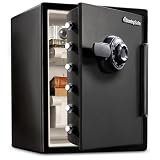
- FIREPROOF: Safe is UL Classified to endure 1 hour at 1700°F and keep interior temperatures safe for irreplaceable documents, valuables, DVDs, and USBs; ETL Verified to withstand a 15-foot fall during a fire and remain closed
- WATERPROOF: Safe is ETL Verified for 24 hours of protection in water up to 8 inches deep offering peace of mind in the event of a flood
- COLOR: The fireproof file box for documents has a black exterior finish
- FIXED COMBO: The home safe has a preset dial combination for strong security
- DURABILITY: The combination safe features six live-locking bolts, steel construction, pry-resistant hinge bar, tray, drawer, and bolt-down hardware
Photograph identifying details
Take clear, well-lit photographs of the dial, caseback, clasp, crown, bracelet and any distinctive marks or scratches. Include the watch from several angles and retain the original, unedited files. Store copies away from the watch, such as in encrypted cloud storage and an offline backup.
Record ownership and value
- Make, model and reference number.
- Serial number and any movement or case numbers shown on documentation.
- Purchase receipt, invoice and proof of payment.
- Current valuation evidence and the date it was obtained.
- Service records, certificates, box and papers, and details of aftermarket changes.
Keep the documents somewhere burglars are unlikely to find them, and do not leave the only copy inside the safe with the watch. Tell the insurer when the value changes or when a policy limit may be exceeded.
Understand high-value item thresholds
Pen Underwriting’s jewellery-and-watch endorsement includes an example threshold of £5,000 for an individual item, according to its 26 January 2023 EHH Household Endorsement Library. The threshold is policy-specific and does not establish a market-wide rule. Your own wording may use a different amount, require a formal valuation, or impose separate security conditions.
What should I do before leaving the house or going on holiday?
Use a repeatable departure routine that covers the watch, the building and the information you disclose publicly.
Recommended Free Tools
- Put the watch in the anchored safe and lock the door. Do not leave it in a watch box, drawer or portable case.
- Check that the safe door is fully secured and that keys, codes and override devices are stored as your insurer requires.
- Lock every external door and window, including garage and outbuilding access.
- Set the monitored alarm and confirm that the system reports a normal armed state.
- Check that cameras, the doorbell and exterior lights have power and are positioned correctly.
- Use interior light timers and arrange for a trusted person to check the property during a longer absence.
- Avoid posting travel dates or photographs that reveal the home is empty.
For a long vacancy, an exceptionally valuable watch or a location with a high burglary risk, moving the watch to a safety-deposit vault removes the item from the home rather than merely increasing the number of barriers around it.
Can a tracker protect or recover a stolen watch?
A Bluetooth tracker may help locate a watch after theft, but it cannot stop the theft, defeat a safe attack or replace insurance-compliant security. Conceal the tracker in a way that does not damage the watch and keep its account, battery and alert settings current.
If the tracker reports a location, do not go there or confront anyone. South Australia Police Neighbourhood Watch gives the direct warning: “Never try to retrieve a stolen possession yourself if you track its location.” Report the theft promptly, provide the police with the tracker information and let officers handle any recovery. Give the insurer the crime reference and the records that establish identity and value.
Also popular on Amazon
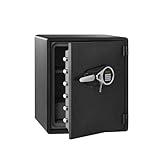
- Fireproof safe 60 min to 1700°F (926.7°c) fire tested by Intertek for up to one hour to keep the interiortemperature safe for irreplaceable documents
- 24 hours of protection inwater up to 8 inches deep, no water enter in, tested by Intertek
- Preset digital dial combination lock for strong security; 6 live-locking bolts and pry-resistant dead bolts
- Heavy-duty steel construction with interior light and bolt-down hardware; Removable shelf and drawer for optimized storage space
- Product Dimensions: 2.13 cubic feet; 24''H x 20.87''W x 19''D
How should I compare security options?
Compare every measure against the same practical criteria instead of treating a product label as a guarantee.
| Criterion | Questions to ask |
|---|---|
| Resistance to removal | Is the safe anchored to concrete, masonry or structural timber using the manufacturer’s method? |
| Burglary and fire rating | Does the certification and rating match the insurer’s written requirement? |
| Detection speed | Will a door contact, motion detector or camera identify entry quickly enough to trigger a response? |
| Monitoring response | Does an event reach a professional monitoring service, or only a local sounder or phone? |
| Evidence quality | Will the system produce identifiable images and retain them for the period you need? |
| Installation quality | Is the installer accredited where the policy requires it, and will maintenance be documented? |
| Daily usability | Can everyone who needs access lock the watch away and arm the system consistently? |
These criteria expose common weak links: an expensive safe on a removable floor, a camera pointed at the wrong approach, an alarm that is routinely left unset, or a tracker mistaken for prevention. No electronic layer makes up for a physical or procedural failure.
What are the most common mistakes?
- Buying by weight alone: a heavy safe can still be unsuitable if its certified rating, fire protection or anchoring method does not meet the policy.
- Leaving the safe portable: a burglar may remove the entire container and attack it elsewhere.
- Putting the safe in the obvious bedroom location: bedrooms are commonly searched, according to police crime-prevention guidance.
- Keeping keys with the watch: some policies require safe keys to be removed when the home is unattended.
- Installing an alarm but not using it: example policy wording can require full use while the property is empty.
- Relying on a phone alert: an unmonitored notification may be missed or delayed.
- Failing to document value: photographs and serial numbers are far easier to create before a loss than reconstruct afterward.
- Announcing travel publicly: posts can reveal when the property is vacant.
- Attempting self-recovery: a tracker location is information for police, not an invitation to confront a suspect.
What is the practical decision for most owners?
For regular home wear, use a concealed, fire-rated and insurance-rated safe professionally anchored to the building, then maintain locked entry points, a monitored alarm, visible camera coverage, motion lighting and an up-to-date evidence file. Confirm every requirement with the insurer before installation. For a watch whose value or emotional importance makes any home exposure unacceptable, use an appropriately insured safety-deposit vault during long absences or whenever immediate access is not needed.
Frequently Asked Questions
Does a fire rating alone make a safe acceptable to an insurer?
No. Fire protection addresses heat and smoke, while the insurer may separately require a burglary or cash rating, approved locks, anchoring, alarm standards and documented installation. Ask for written acceptance of the complete arrangement before relying on the policy.
Is a watch automatically covered in a safety-deposit vault?
Not necessarily. Vault access, provider liability and your household policy can treat stored valuables differently, so confirm who insures the watch in storage and during transport, and retain that confirmation with the valuation records.
What should I give police after a watch theft?
Provide the make, reference and serial numbers, distinctive photographs, purchase and valuation documents, the time window, alarm or camera information and any tracker location. Preserve original video files and avoid contacting anyone identified by the tracker.
Can I recover a watch myself if a tracker shows its location?
Do not attempt a personal recovery. Share the live or recent location with police, follow their instructions and let them manage contact or retrieval; a tracker signal does not establish that the location is safe or that the person there is the thief.




