For most people, the Fitbit Charge 6 is the best traditional fitness tracker for 2026. It combines a compact wristband design, built-in and connected GPS, sleep and activity tracking, a useful screen, more than 40 exercise modes, and up to seven days of advertised battery life. It is not the right choice for everyone, however: runners may prefer the longer battery and broader training tools of the Garmin vívoactive 6, iPhone owners may value the Apple Watch SE 3’s smartwatch features, and people focused mainly on sleep or recovery may prefer Oura Ring 5 or WHOOP 5.0.
This guide treats the category as a set of different tools rather than a contest to find one universally most accurate wearable. Your phone, need for on-device GPS, tolerance for charging, preferred form factor, and willingness to pay for a membership matter as much as the sensor list.
This article contains commercial recommendations. If you buy through an approved retailer link, WatchRanker may earn a commission at no additional cost to you. Prices, stock, regional features, and membership terms can change, so check the current listing before buying.
Best fitness trackers for 2026 at a glance
| Tracker | Best for | Main strengths | Advertised battery | Main trade-off | Subscription note |
|---|---|---|---|---|---|
| Fitbit Charge 6 | Most people | Compact design, built-in GPS, sleep and activity tracking, ECG in supported countries | Up to 7 days; about 5 hours with continuous built-in GPS | Less capable for serious training than a dedicated GPS watch | Core tracking works without making Fitbit Premium the central product, but some coaching and advanced content may require paid services |
| Garmin vívoactive 6 | Runners, cyclists, hikers, and battery-conscious athletes | Long battery life, GPS workout recording, sports profiles, Body Battery, training ecosystem | Up to 11 days in smartwatch mode; up to 21 hours in GPS-only mode | Bulkier and more smartwatch-like than a simple band | Its core fitness and training experience is less dependent on a recurring membership |
| Apple Watch SE 3 | iPhone owners wanting a smartwatch | Apps, notifications, safety features, health notifications, sleep stages and sleep score | Up to 18 hours normally; up to 32 hours in Low Power Mode | Frequent charging makes uninterrupted sleep tracking harder | Apple’s main wearable experience does not depend on a WHOOP- or Oura-style membership, though individual apps may charge separately |
| Samsung Galaxy Fit3 | Budget-conscious Galaxy users | Lightweight body, AMOLED display, activity and sleep tracking, Galaxy integrations | Not stated in the supplied specifications | Some features are Galaxy-phone-specific | Check the current Samsung feature and compatibility list before purchase |
| Google Fitbit Air | People who want a simple screenless tracker | Low-friction 24/7 tracking, up to a week of battery, personalized coaching option | Up to 7 days | No display and not a replacement for a GPS running watch or full smartwatch | Google Health Premium is central to its personalized coaching offering |
| Oura Ring 5 | Discreet sleep and recovery tracking | Ring form factor, sleep and temperature-related trends, more than 50 health metrics | Approximately 6–9 days, depending on size and use | Not designed around live workout metrics or an on-device display | Oura Membership is required for personalized insights and newer software features |
| WHOOP 5.0 | Serious recovery and training analysis | Screenless 24/7 wear, recovery, cardiovascular strain, sleep, and coaching insights | Up to 14 days | No screen, step-count display, or ordinary smartwatch utilities | Membership is fundamental; standard WHOOP 5.0 does not have the ECG or Blood Pressure Insights features of WHOOP MG |
Battery figures in this table are manufacturer estimates under stated conditions, not standardized laboratory results. GPS, display settings, music, cellular use, and sensor configuration can reduce real-world endurance.
1. Fitbit Charge 6: best traditional fitness tracker for most people
The Fitbit Charge 6 is the most balanced recommendation if you want a conventional fitness band rather than a full smartwatch. It has a compact screen for checking progress and notifications, activity and sleep tracking, heart-rate features, more than 40 exercise modes, connected GPS, and built-in GPS for outdoor workouts without relying entirely on your phone.
#1 Best Overall

- COMPLETE ALL-IN-ONE-BUNDLE: Includes Fitbit Charge 6 Black/Obsidian, rapid USB charger, and a premium microfiber cleaning cloth, – everything you need to start tracking in style.
Google lists up to seven days of battery life in general use. Continuous built-in GPS can reduce that to approximately five hours, and always-on display use can reduce endurance further. That makes the headline battery figure realistic only when the tracker is used in ordinary day-to-day mode rather than as a continuously recording GPS device.
What makes Charge 6 a strong default
- It works across the two major phone platforms: compatibility is listed for most phones running Android 11 or newer or iOS 16.4 or newer.
- It has useful workout independence: built-in GPS is more convenient for walks, runs, and rides when carrying a phone is undesirable.
- It covers the everyday basics well: steps, activity, heart rate, sleep, exercise sessions, and related trends are presented in a familiar band format.
- It includes higher-end health features: ECG functionality is available only in supported countries and regions, and SpO2 is an estimate intended for wellness use rather than medical diagnosis.
- It is easier to live with than a short-battery smartwatch: a week-long charging interval can make overnight tracking less of a chore.
Charge 6 is not the newest Fitbit hardware simply because it is the leading conventional recommendation. Google Fitbit Air is a newer screenless product in the researched 2026 market, but it targets a different buyer who does not want a display or traditional smartwatch-style functions.
Who should skip it?
Choose something else if structured training, long GPS sessions, detailed sport profiles, or multi-day outdoor battery life are your top priorities. Also skip it if you specifically dislike wrist devices or want a screenless recovery platform. Existing owners should check model compatibility before buying a replacement Fitbit Charge 6 band; bands and charging accessories are not automatically interchangeable across Fitbit generations.
What’s actually slowing this PC down?
Pick the symptom - the matching free tool is one click away.
2. Garmin vívoactive 6: best for battery life and broader fitness training
The Garmin vívoactive 6 is the better choice for people who run, cycle, hike, or train regularly and want a wearable built around GPS workouts rather than only everyday habit tracking. Garmin positions it as a health-and-fitness GPS smartwatch, so it is larger and more watch-like than the Charge 6, but that extra hardware supports a broader training experience.
Its standout advantage is endurance. Garmin lists up to 11 days in smartwatch mode, while the manual lists up to 21 hours in GPS-only mode and up to 17 hours with all satellite systems enabled. Those figures are materially stronger than the Apple Watch SE 3’s 18-hour normal-use estimate, although the two products are not identical in features or operating systems.
Why Garmin is the better athlete’s choice
- Dedicated GPS recording: it is designed for repeated outdoor workout recording rather than treating GPS as an occasional add-on.
- More training-oriented software: sports apps, workout tools, mobility workouts, sleep coaching, and Body Battery give it a wider fitness context.
- Less charging anxiety: the long smartwatch-mode estimate makes it easier to leave the watch on overnight and through several training sessions.
- A stronger upgrade path for active users: the Garmin ecosystem is a better fit when sport profiles and training history matter more than a large app marketplace.
The trade-off is that the vívoactive 6 is not a minimalist fitness band. If you mainly want steps, sleep, and occasional exercise tracking in the smallest possible package, Charge 6 or Fitbit Air is less watch-like. If you want Garmin’s battery and training strengths, the Garmin vívoactive 6 is the more natural purchase than a slim tracker.
3. Apple Watch SE 3: best for iPhone users who want smartwatch features
The Apple Watch SE 3 makes the most sense for an iPhone owner who wants fitness tracking as part of a broader smartwatch. It offers Apple’s app and notification ecosystem, safety features, and health alerts alongside exercise and sleep tools. It should not be treated as a cross-platform recommendation: Apple Watch is designed around the iPhone experience.
Outdated Drivers Are Slowing You Down
One free scan finds every outdated or missing driver and matches the right update for your exact hardware.Free scan · exact hardware matchPC Slower Than It Used to Be?
A free scan shows the junk files, broken settings and background clutter dragging Windows down - then fixes them in one click.Free scan · Windows 10 & 11Apple lists an S10 chip, an optical heart sensor, a temperature sensor, high- and low-heart-rate notifications, irregular-rhythm notifications, sleep stages, sleep score, and sleep-apnea notifications. Availability and regulatory treatment of health features can vary by region, so check what is enabled where you live.
The charging compromise
Apple lists up to 18 hours of normal use or up to 32 hours in Low Power Mode. That is adequate for a daily smartwatch routine, but it is much more charging-intensive than the week-long estimates of Charge 6 and Fitbit Air or the multi-day figures of Garmin, Oura, and WHOOP. If you want uninterrupted overnight tracking, you will need a charging routine that fits around sleep and exercise.
Choose Apple Watch SE 3 when notifications, apps, safety tools, and iPhone integration are more important than maximum battery life. Choose Garmin if long GPS sessions and training endurance matter more. Choose Charge 6 if you want a smaller, simpler tracker that works with either Android or iPhone.
Rank #2

- COMPLETE ALL-IN-ONE-BUNDLE: Includes Fitbit Charge 6 Black/Obsidian, rapid USB charger, and a premium microfiber cleaning cloth, – everything you need to start tracking in style.
4. Samsung Galaxy Fit3: best inexpensive tracker for compatible Galaxy users
The Samsung Galaxy Fit3 is a sensible low-cost option for someone who already owns a compatible Samsung Galaxy phone and wants a lightweight tracker with a large AMOLED display. Samsung’s specifications describe activity tracking, sleep monitoring, workout tracking, and integrations with Galaxy devices.
Quick wins for a faster PC:
Clear out junk files and repair common Windows errorsFree Scan →Fix the driver behind crashes, sound loss and screen glitchesFind Drivers →Repair Windows errors before they cause bigger problemsFix Now →The important qualification is compatibility. Some functions, including features such as the camera remote, depend on a compatible Galaxy smartphone and specified One UI software. The Fit3 should therefore not be described as equally feature-complete with every Android phone. Before purchasing, check the exact phone model and software requirements for the functions you care about.
Fit3 is best understood as a simple activity and sleep tracker, not a replacement for a GPS training watch or a feature-rich smartwatch. It is particularly attractive when price, light weight, and a clear screen matter more than advanced training analysis or platform flexibility.
5. Google Fitbit Air: best simple screenless tracker
Google Fitbit Air is aimed at people who want to wear a tracker continuously without a screen demanding attention. Google’s U.S. product page lists a starting price of $99.99, up to one week of battery life, 24/7 tracking, and personalized coaching through Google Health Premium. That price is a U.S. starting price and should be rechecked before publication or purchase because promotions, availability, and membership terms can change.
A screenless device can be a feature rather than a limitation. It removes the temptation to check notifications and keeps the hardware focused on passive tracking and app-based interpretation. It can suit someone building habits around activity, sleep, and general consistency.
Recommended Free Tools
Do not buy Fitbit Air expecting a conventional watch experience. It is not the obvious choice for live workout metrics, on-device GPS navigation, notifications, or apps. If you need to see pace while running or want to start and monitor workouts from your wrist, Charge 6 or Garmin vívoactive 6 is a better fit.
6. Oura Ring 5: best discreet sleep and recovery wearable
The Oura Ring 5 is the strongest choice here for readers who dislike wrist wearables and care more about sleep, recovery, and long-term trends than about watching live workout metrics. Oura describes Ring 5 as 40% smaller than Ring 4, with redesigned sensing architecture and 12 signal pathways.
Oura lists tracking for more than 50 health metrics, approximately six-to-nine days of battery life depending on ring size and usage, and water resistance to 100 meters. The ring form factor makes it discreet and suitable for all-day wear, but it also means there is no watch screen for checking pace, heart rate, or workout instructions in real time.
The membership and sizing issues matter
Oura Membership is not a minor optional extra. Oura requires it for personalized insights and newer software features, so the total cost of ownership includes both the ring and the ongoing service if you want the product’s most valuable interpretation layer. Exact membership pricing and terms can change by market.
Do these 3 things before closing this tab:
1Repair Windows errors before they cause bigger problems2Fix the driver behind crashes, sound loss and screen glitches3Clear out junk files and repair common Windows errorsRank #3
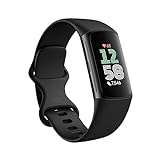
- Fitbit Charge 6 tracks key metrics from calories and Active Zone Minutes to Daily Readiness and sleep; move more with 40+ exercise modes, built-in GPS, all-day activity tracking, 24/7 heart rate, automatic exercising tracking, and more[1]
- See your heart rate in real time: Just link your Charge 6 to compatible exercise machines, like treadmills, ellipticals, and more[2]; and stay connected with YouTube Music controls[3]
- Tune into your body: Track your response to stress with a stress management score; learn about the quality of your sleep with a personalized nightly Sleep Score; and wake up more naturally with the Smart Wake alarm
- Run your routine with Google essentials: Find your way seamlessly during runs or rides with turn-by-turn directions from Google Maps on Fitbit Charge 6; and when you need a snack break on the go, just tap to pay with Google Wallet[1,4]
- Unlock more with Google Health Premium: With a premium membership, get personalized coaching that’s built with Gemini and adapts to your life[7]; get a 3-month trial at no cost to you[5] (Google Health Premium subscription sold separately)
Correct sizing is equally important. A ring that is too loose may affect comfort and sensor contact, while a ring that is too tight can become uncomfortable as fingers swell during sleep, heat, or exercise. Use Oura’s current sizing process before committing to a final size, and remember that ring sizing is not the same as ordinary jewelry sizing.
Choose Oura when sleep and recovery are the priority and you want to avoid a wrist device. Choose Garmin or Charge 6 when your main goal is visible workout data and GPS recording.
7. WHOOP 5.0: best for serious recovery and training analytics
WHOOP 5.0 is a screenless wearable for people who care about recovery, cardiovascular strain, sleep, coaching, and healthspan more than notifications or on-device metrics. Its product experience is built around continuous wear and an app that turns collected data into training and recovery guidance.
WHOOP lists up to 14 days of battery life and emphasizes 24/7 wear. The long battery interval is particularly useful for a screenless device whose value depends on consistent data collection. It is a better fit for serious trainees who are willing to organize their workouts around recovery insights than for someone who simply wants a step count and an alarm.
Free tools Windows power users keep installed
One-click scans. No signup required.
Do not confuse WHOOP 5.0 with WHOOP MG
Standard WHOOP 5.0 does not include ECG or Blood Pressure Insights. WHOOP’s support documentation identifies those features as requiring WHOOP MG hardware. Blood Pressure Insights is also not a medical device. Any comparison that assigns MG features to the standard WHOOP 5.0 is inaccurate.
Membership is central to the WHOOP proposition rather than a footnote. Factor the recurring cost into the purchase decision, especially if you are comparing it with a tracker whose core daily features are available without a comparable membership. WHOOP is worth considering when its recovery and strain model is exactly what you want; it is poor value if you mainly want a display, smartwatch utilities, or basic step tracking.
How to choose the right fitness tracker
1. Start with your phone
- iPhone: Apple Watch SE 3 is the most integrated smartwatch choice. Fitbit Charge 6 also supports iPhone, while Oura and WHOOP are platform-flexible through their companion apps.
- Android: Charge 6 works with most phones running Android 11 or newer, subject to Google Account and internet requirements. Garmin and the screenless platforms are also practical options.
- Samsung Galaxy: Galaxy Fit3 is most compelling when paired with a compatible Galaxy phone, because some integrations are not available in the same way on other Android devices.
Compatibility is more than whether an app can be installed. Check whether the phone supports the feature you want, whether an account is required, and whether the wearable can perform key tasks without the phone nearby.
2. Decide whether you need built-in GPS
Built-in GPS is useful for outdoor running, cycling, and walking when you do not want to carry a phone. Charge 6 and Garmin vívoactive 6 offer that capability in this shortlist. Connected GPS, by contrast, uses the phone to provide location data and is often sufficient for casual users who always carry their phone.
Fitbit Air is not the choice for someone shopping primarily for GPS workouts. Oura Ring 5 and WHOOP 5.0 are also not substitutes for a visible GPS sports watch if you need pace, distance, or route information during exercise.
Rank #4

- Fitbit Charge 6 tracks key metrics from calories and Active Zone Minutes to Daily Readiness and sleep; move more with 40+ exercise modes, built-in GPS, all-day activity tracking, 24/7 heart rate, automatic exercising tracking, and more[1]
- See your heart rate in real time: Just link your Charge 6 to compatible exercise machines, like treadmills, ellipticals, and more[2]; and stay connected with YouTube Music controls[3]
- Tune into your body: Track your response to stress with a stress management score; learn about the quality of your sleep with a personalized nightly Sleep Score; and wake up more naturally with the Smart Wake alarm
- Run your routine with Google essentials: Find your way seamlessly during runs or rides with turn-by-turn directions from Google Maps on Fitbit Charge 6; and when you need a snack break on the go, just tap to pay with Google Wallet[1,4]
- Unlock more with Google Health Premium: With a premium membership, get personalized coaching that’s built with Gemini and adapts to your life[7]; get a 3-month trial at no cost to you[5] (Google Health Premium subscription sold separately)
3. Be honest about your charging habits
A tracker that stays charged is more useful than a technically capable device that spends regular nights on a charger. Garmin’s up-to-11-day smartwatch estimate and WHOOP’s up-to-14-day estimate are attractive for continuous wear. Oura, Charge 6, and Fitbit Air sit around the week-long range. Apple Watch SE 3 requires a much more deliberate daily charging routine.
Do not compare only the largest number on each product page. GPS mode, always-on display use, music, cellular connectivity, and sensor settings can dramatically change endurance. If sleep data matters, consider when you will charge the device and whether the charging interval creates gaps.
4. Choose the form factor you will actually wear
| Form factor | Best for | What you give up |
|---|---|---|
| Screened wristband | Everyday activity, sleep, and occasional workouts | Usually fewer training and smartwatch features than a full watch |
| GPS fitness smartwatch | Runners, cyclists, hikers, and structured training | More size and weight than a slim band |
| Screenless wrist wearable | Low-distraction continuous tracking and app-led coaching | No live on-device metrics or ordinary smartwatch functions |
| Smart ring | Discreet sleep and recovery tracking | No wrist display and limited usefulness for live workout feedback |
Comfort, screen preference, and whether you want notifications are not cosmetic details. They determine how consistently the device will be worn.
5. Separate hardware price from total ownership cost
The purchase price is only part of the comparison. Google Fitbit Air promotes coaching through Google Health Premium. Oura Membership is required for personalized insights and newer software features. WHOOP is explicitly membership-led, so its recurring service is central to the product rather than an optional enhancement.
Before buying a subscription-based wearable, ask three questions: What data remains available if I stop paying? Will I still wear the hardware without the interpretation features? How much will the first year and subsequent years cost in my country? Exact prices, promotions, and terms are volatile and should be checked at the time of purchase.
6. Treat health features as helpful signals, not diagnoses
ECG, heart-rate alerts, SpO2, temperature trends, sleep-apnea notifications, irregular-rhythm alerts, and blood-pressure estimates can help you notice patterns or decide when to seek professional advice. They do not make a consumer wearable a universal medical instrument.
- Fitbit says its SpO2 estimates are not intended for medical purposes.
- Fitbit’s ECG app can help assess possible AFib or rhythm irregularity, but it is not equivalent to a clinical 12-lead ECG.
- WHOOP says Blood Pressure Insights is not a medical device, and the feature is associated with WHOOP MG rather than standard WHOOP 5.0.
- Apple’s health features have regional and regulatory limitations, so a feature listed for one market may not be available in another.
If you have symptoms, a concerning reading, or an existing medical condition, use appropriate clinical care rather than waiting for a wearable to confirm or dismiss a problem. Never change medication or treatment based only on a tracker notification.
Do these 3 things before closing this tab:
1Scan for outdated or missing drivers - takes under a minute2Clear out junk files and repair common Windows errors3Fix the driver behind crashes, sound loss and screen glitchesBattery life: what the numbers really mean
Manufacturer battery estimates are useful for planning but are not a controlled comparison. The following figures come from each brand’s stated conditions:
- Fitbit Charge 6: up to seven days in general use; approximately five hours with continuous built-in GPS.
- Google Fitbit Air: up to seven days.
- Garmin vívoactive 6: up to 11 days in smartwatch mode; up to 21 hours in GPS-only mode; up to 17 hours with all satellite systems enabled.
- Apple Watch SE 3: up to 18 hours in normal use; up to 32 hours in Low Power Mode.
- Oura Ring 5: approximately six-to-nine days depending on ring size and usage.
- WHOOP 5.0: up to 14 days.
Always-on displays, frequent GPS recording, music playback, cellular connectivity, notifications, and sensor settings can all reduce these figures. A runner should focus on GPS-session endurance; a sleep-focused buyer should focus on whether the device can be worn overnight and charged without creating regular tracking gaps.
Best Value

- Fitbit Charge 6 tracks key metrics from calories and Active Zone Minutes to Daily Readiness and sleep; move more with 40+ exercise modes, built-in GPS, all-day activity tracking, 24/7 heart rate, automatic exercising tracking, and more[1]
- See your heart rate in real time: Just link your Charge 6 to compatible exercise machines, like treadmills, ellipticals, and more[2]; and stay connected with YouTube Music controls[3]
- Tune into your body: Track your response to stress with a stress management score; learn about the quality of your sleep with a personalized nightly Sleep Score; and wake up more naturally with the Smart Wake alarm
- Run your routine with Google essentials: Find your way seamlessly during runs or rides with turn-by-turn directions from Google Maps on Fitbit Charge 6; and when you need a snack break on the go, just tap to pay with Google Wallet[1,4]
- Unlock more with Google Health Premium: With a premium membership, get personalized coaching that’s built with Gemini and adapts to your life[7]; get a 3-month trial at no cost to you[5] (Google Health Premium subscription sold separately)
What independent reviews agree—and disagree—about
There is no controlled head-to-head laboratory ranking that proves one of these devices is the best at everything. Reviewers weight battery life, app quality, training tools, price, comfort, and smartwatch features differently.
That is why the 2026 editorial signals are not identical. Women’s Health named Fitbit Charge 6 its best overall fitness tracker in a 2026 guide. WIRED selected Garmin vívoactive 6 as its top choice for most people while also recommending Fitbit Air and Oura Ring 5 for more specific users. Engadget continued to recommend Charge 6 and vívosmart 5 for different use cases. These recommendations are useful consensus signals, not laboratory proof that one sensor system is universally more accurate.
The Tool Desk
Outbyte PC Repair FREERepair Windows errors before they cause bigger problemsFix Now →Outbyte Driver Updater FREEFix the driver behind crashes, sound loss and screen glitchesFind Drivers →Accessories and ownership details worth checking
Accessories are easy to overlook when comparing trackers. A spare charger can prevent a missed night or workout, while a second band is useful for cleaning, travel, or replacing a worn strap. Buy model-specific accessories rather than assuming that a band or cable from an older generation will fit.
For existing owners, search for a replacement Fitbit Charge 6 band or a replacement Garmin vívoactive 6 band that explicitly names the model. A fitness tracker charging cable should likewise identify the exact device and charging connection. These small compatibility checks prevent the most common accessory-purchase mistake: buying a product that looks similar but does not physically fit.
Our final recommendations by user
- Choose Fitbit Charge 6 if you want the best all-around traditional tracker, use Android or iPhone, need built-in GPS, and prefer a compact screen with a relatively long charging interval.
- Choose Garmin vívoactive 6 if you run, cycle, hike, or train regularly and value GPS, sports profiles, and battery life more than a slim band.
- Choose Apple Watch SE 3 if you own an iPhone and want apps, notifications, safety features, and Apple health integration, while accepting frequent charging.
- Choose Samsung Galaxy Fit3 if you use a compatible Galaxy phone and want a lightweight AMOLED tracker at a simple, budget-oriented level.
- Choose Google Fitbit Air if you want screenless, low-friction habit tracking and are comfortable with Google Health Premium for personalized coaching.
- Choose Oura Ring 5 if you dislike wrist devices and prioritize sleep, recovery, and temperature-related trends over live workout information.
- Choose WHOOP 5.0 if serious recovery, strain, sleep, and coaching analytics matter more than a screen, step-count display, or smartwatch utilities—and you accept the membership model.
Frequently Asked Questions
Does the Fitbit Charge 6 have ECG?
Yes, the Fitbit Charge 6 includes ECG functionality in supported countries and regions. Availability is not universal, and the ECG app is not a replacement for a clinical 12-lead ECG or medical diagnosis.
Which fitness tracker has built-in GPS?
Fitbit Charge 6 and Garmin vívoactive 6 are the clearest choices in this guide for built-in GPS workout recording. Fitbit Air is a screenless habit tracker, while Oura Ring 5 and WHOOP 5.0 are not the obvious choices for live GPS workout metrics.
Do Oura Ring 5 and WHOOP 5.0 require subscriptions?
Oura Membership is required for personalized insights and newer software features. WHOOP’s membership is fundamental to its recovery and coaching experience. Factor the recurring cost into the total ownership price rather than comparing hardware prices alone.
Are fitness trackers waterproof?
Water resistance varies by model and should not automatically be described as waterproof. Oura lists Ring 5 as water-resistant to 100 meters. For every other device, check the manufacturer’s current water-resistance guidance before swimming, showering, or exposing it to salt water.
Can a fitness tracker replace medical care?
No. Wearable readings and notifications are useful signals, but consumer trackers are not universally accurate or medically diagnostic. SpO2 estimates, ECG results, sleep-apnea notifications, temperature trends, and blood-pressure features have specific limitations and may vary by region. Seek professional care for symptoms or concerning results.
What is the difference between WHOOP 5.0 and WHOOP MG?
Standard WHOOP 5.0 does not include ECG or Blood Pressure Insights. WHOOP’s documentation associates those features with WHOOP MG hardware, and Blood Pressure Insights is not a medical device.
The Bottom Line
For the broadest mix of everyday tracking, compact design, GPS, and battery life, buy Fitbit Charge 6. Move up to Garmin vívoactive 6 for serious training and longer GPS endurance, choose Apple Watch SE 3 for an iPhone-centered smartwatch, and consider Fitbit Air, Oura Ring 5, or WHOOP 5.0 only when their screenless or subscription-led approach matches how you actually want to track health and fitness.
Quick Recap
Product prices and availability are accurate as of the date/time indicated and are subject to change. Any price and availability information displayed on Amazon at the time of purchase will apply.