What’s actually slowing this PC down?
Pick the symptom - the matching free tool is one click away.
The Garmin vívoactive 6 is the best fitness tracker for most people in 2026: it has built-in GPS, works with iPhone and Android, supports more than 80 sports apps and is rated for up to 11 days in smartwatch mode. iPhone owners may prefer the Apple Watch Series 11, serious runners the Garmin Forerunner 970, and sleep-first buyers the Oura Ring 5.
Below are the strongest choices by use case, with compatibility restrictions, subscription costs and battery caveats. Prices and specifications in the comparison are from the manufacturers’ linked product information.
Best fitness trackers at a glance
| Tracker | Best for | Price | Battery claim | Important compatibility | Source |
|---|---|---|---|---|---|
| Garmin vívoactive 6 | Best overall | $299.99 | Up to 11 days | iPhone and Android | Garmin specifications |
| Apple Watch Series 11 | iPhone owners | From $399 | Daily charging is typical | iPhone 11 or later, iOS 26 or later | Apple Store and Apple compatibility requirements |
| Google Fitbit Air | Low-cost, screenless tracking | From $99.99 | Up to 7 days | Requires a phone and Google Health app | Google Store specifications |
| Fitbit Charge 6 | Traditional Fitbit band | Varies | Up to 7 days | Built-in GPS; Google Health app | Google Store specifications |
| Garmin Forerunner 970 | Serious runners and triathletes | Premium-priced | Up to 15 days | iPhone and Android | Garmin specifications |
| Apple Watch Ultra 3 | Outdoor-focused iPhone users | From $700 | Up to 42 hours | iPhone only | Apple technical specifications |
| Samsung Galaxy Watch8 | Samsung Galaxy owners | From $299.99 | Up to 30 hours with always-on display | Samsung Galaxy phone with Android 12 or later | Samsung product information |
| Oura Ring 5 | Sleep and recovery | Membership required for detailed insights | Typically 6–9 days | iPhone and Android | Oura announcement and membership pricing |
1. Garmin vívoactive 6: best fitness tracker overall
Why buy it: It combines broad appeal with few major compromises.
The vívoactive 6 costs $299.99 and is a strong middle ground between a basic activity band and a specialist sports watch. Garmin lists built-in GPS, iPhone and Android compatibility, and more than 80 sports apps. You can record a run or walk without carrying your phone.
#1 Best Overall

- Designed with a bright AMOLED display, get a more complete picture of your health, thanks to battery life of up to 11 days in smartwatch mode
- Body Battery energy monitoring helps you understand when you’re charged up or need to rest, with even more personalized insights based on sleep, naps, stress levels, workouts and more (data presented is intended to be a close estimation of metrics tracked)
- Get a sleep score and personalized sleep coaching for how much sleep you need — and get tips on how to improve it; key metrics such as HRV status help you better understand your health (data presented is intended to be a close estimation of metrics tracked)
- The smart wake alarm gently vibrates to wake you at the right optimal time
- Find new ways to keep your body moving with more than 80 built-in indoor and GPS sports apps, including walking, running, cycling, HIIT, mobility, swimming, golf and more
Garmin includes sleep score, Body Battery, HRV status, recovery time, Garmin Coach and PacePro. These provide casual exercisers with guidance without the extensive training interface of a Forerunner.
Garmin rates battery life at up to 11 days in smartwatch mode, up to 21 hours in GPS-only mode and up to 17 hours with all-systems GNSS. These are maximum figures, not a guarantee during repeated GPS workouts; an always-on display, frequent activity recording and other sensors reduce endurance.
Choose the vívoactive 6 for activity and sleep tracking, regular GPS workouts and long battery life. It is less suitable if you want the richest phone notifications, cellular calling or Garmin’s deepest running analytics.
2. Apple Watch Series 11: best for iPhone owners
Why buy it: It is the smoothest choice for people invested in the iPhone and Apple Health ecosystem.
The Apple Watch Series 11 starts at $399 and comes in 42mm and 46mm cases. Apple lists GPS, heart-rate zones, Pacer, Custom Workouts, sleep score and hypertension notifications with watchOS 26. Its health and workout data integrate with iPhone Health data.
Series 11 requires an iPhone 11 or later running iOS 26 or later; it cannot be paired with Android. Check this requirement before comparing prices or features.
Battery life is in a different class from Garmin’s. Series 11 is an approximately daily-charge device, particularly with GPS workouts, sleep tracking or an always-on display. This affects whether it will consistently capture overnight data.
Buy it for Apple integration, smartwatch features and a polished workout experience. Pick the Garmin vívoactive 6 if you want to charge less often or may switch from iPhone to Android.
Rank #2

- Designed with a bright AMOLED display, get a more complete picture of your health, thanks to battery life of up to 11 days in smartwatch mode
- Body Battery energy monitoring helps you understand when you’re charged up or need to rest, with even more personalized insights based on sleep, naps, stress levels, workouts and more (data presented is intended to be a close estimation of metrics tracked)
- Get a sleep score and personalized sleep coaching for how much sleep you need — and get tips on how to improve it; key metrics such as HRV status help you better understand your health (data presented is intended to be a close estimation of metrics tracked)
- The smart wake alarm gently vibrates to wake you at the right optimal time
- Find new ways to keep your body moving with more than 80 built-in indoor and GPS sports apps, including walking, running, cycling, HIIT, mobility, swimming, golf and more
3. Google Fitbit Air: best low-cost and screenless tracker
Why buy it: It is light, inexpensive and deliberately avoids becoming another smartwatch.
Google lists the Fitbit Air at $99.99, weighing 5.2g without its band and with no display. It tracks heart rate, steps, Active Zone Minutes, distance, calories, sleep, readiness, cardio load, HRV, breathing rate, SpO2 and skin-temperature variation. Its quoted battery life is up to seven days.
The lack of a screen is both its defining benefit and main drawback. There is nothing to distract you, but you cannot glance at pace, heart rate or workout duration on your wrist. Workout details and historical data are viewed in the Google Health app.
Do not buy the Air expecting an on-device GPS running watch. Google’s specifications do not list built-in GPS, so it depends on the phone-based experience for setup, syncing and review. The tracker stores seven days of detailed motion data and 30 days of daily totals, but is designed to sync through the phone.
Crashes, No Sound, or Screen Glitches?
Random freezes, missing sound and display glitches usually trace back to one bad driver. Find and replace yours safely.Free scan · under a minuteWindows Errors? Fix Them Before They Spread
Repair common Windows errors and clear accumulated junk for a smoother, more stable PC - no reinstall needed.Free scan · no reinstallConnect the Air to its charging cable before starting setup. You also need a Google account, Bluetooth Low Energy, internet access and phone location permissions. In Google Health, connected devices are accessed through Connections > [your device].
Base tracking does not require Google Health Premium. The paid tier adds Google Health Coach, Gemini-powered coaching, adaptive fitness plans, detailed sleep insights, proactive insights and a workout library. Coaching features are restricted to supported countries and to users over 18 who have a Fitbit or Pixel Watch device.
4. Fitbit Charge 6: best conventional Fitbit band
Why buy it: You want a screen, built-in GPS and Fitbit’s familiar band format without moving to a full smartwatch.
The Charge 6 remains available and has a color touchscreen, built-in GPS plus GLONASS, heart-rate tracking, ECG-compatible electrical sensors, Google Maps, Google Wallet and NFC. Google quotes up to seven days of battery life, but continuous built-in GPS reduces that estimate to up to five hours. An always-on display can bring battery life down to about three days.
Do these 3 things before closing this tab:
1Fix the driver behind crashes, sound loss and screen glitches2Clear out junk files and repair common Windows errors3Scan for outdated or missing drivers - takes under a minuteRank #3

- Designed with a bright, colorful AMOLED display, get a more complete picture of your health, thanks to battery life of up to 11 days in smartwatch mode (5 days display always-on)
- Body Battery energy monitoring helps you understand when you’re charged up or need to rest, with even more personalized insights based on sleep, naps, stress levels, workouts and more (data presented is intended to be a close estimation of metrics tracked)
- Get a sleep score and personalized sleep coaching for how much sleep you need — and get tips on how to improve plus key metrics such as HRV status to better understand your health (data presented is intended to be a close estimation of metrics tracked)
- Find new ways to keep your body moving with more than 30 built-in indoor and GPS sports apps, including walking, running, cycling, HIIT, swimming, golf and more
- Wheelchair mode tracks pushes — rather than steps — and includes push and handcycle activities with preloaded workouts for strength, cardio, HIIT, Pilates and yoga, challenges specific to wheelchair users and more (data presented is intended to be a close estimation of metrics tracked)
That GPS figure matters. The Charge 6 is a better choice than the Fitbit Air for phone-free route tracking, but it is not a multi-day GPS sports watch. Use it for occasional runs and walks, rather than expecting a week of continuous outdoor workouts.
The app transition changes the naming in current instructions. Fitbit began becoming the Google Health app on May 19, 2026. Its main sections are Today, Fitness, Sleep and Health. Older guides describing the Fitbit app as the only current experience are out of date.
The Charge 6 is rated water-resistant to 50 meters, not waterproof. Google warns that water resistance can decline with wear, damage, repair or disassembly. ECG, irregular-rhythm notifications and SpO2 estimates vary by region and are wellness features, not diagnoses.
5. Garmin Forerunner 970: best for serious runners and triathletes
Why buy it: You need training tools rather than just daily activity scores.
Recommended Free Tools
The Forerunner 970 is Garmin’s premium running and triathlon watch. Garmin lists built-in mapping, multi-band GPS, training readiness, training status, ECG, an LED flashlight and Garmin Pay. These make it substantially more capable for runners who plan workouts, race regularly or train across multiple sports.
Garmin quotes up to 15 days in smartwatch mode, up to 26 hours in GPS-only mode and up to 21 hours with all-systems multi-band GPS. The 15-day figure assumes default display settings and no timed activities; Garmin quotes up to eight days with the always-on display. Multi-band GPS is more demanding, so real training endurance will be lower than the headline smartwatch figure.
This is overkill for someone who mainly counts steps, tracks sleep and records occasional gym sessions. For structured running, triathlon training and navigation, the extra cost and complexity may be justified.
6. Apple Watch Ultra 3: best rugged Apple option
Why buy it: You want the Apple Watch platform with a larger outdoor focus and longer endurance.
Quick wins for a faster PC:
Clear out junk files and repair common Windows errorsFree Scan →Fix the driver behind crashes, sound loss and screen glitchesFind Drivers →Repair Windows errors before they cause bigger problemsFix Now →Rank #4
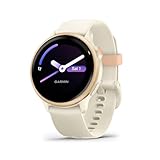
- Designed with a bright AMOLED display, get a more complete picture of your health, thanks to battery life of up to 11 days in smartwatch mode
- Body Battery energy monitoring helps you understand when you’re charged up or need to rest, with even more personalized insights based on sleep, naps, stress levels, workouts and more (data presented is intended to be a close estimation of metrics tracked)
- Get a sleep score and personalized sleep coaching for how much sleep you need — and get tips on how to improve it; key metrics such as HRV status help you better understand your health (data presented is intended to be a close estimation of metrics tracked)
- The smart wake alarm gently vibrates to wake you at the right optimal time
- Find new ways to keep your body moving with more than 80 built-in indoor and GPS sports apps, including walking, running, cycling, HIIT, mobility, swimming, golf and more
The Apple Watch Ultra 3 starts at $700 and uses a titanium case with sapphire crystal. Apple quotes up to 42 hours of normal use, up to 72 hours in Low Power Mode and up to 20 hours of continuous outdoor workout tracking in Low Power Mode with full GPS and heart-rate readings.
It is the Apple choice for long workouts, outdoor use and users who prefer a more substantial watch. It remains iPhone-only, so Android users should consider Garmin or Samsung instead.
Do not treat its health functions as medical diagnosis. Apple’s sleep-apnea and irregular-rhythm features have eligibility, age, region and software requirements, and availability is not universal.
7. Samsung Galaxy Watch8: best for Samsung Galaxy users
Why buy it: Samsung Health and Galaxy-phone integration matter more to you than cross-platform flexibility.
The Tool Desk
Outbyte Driver Updater FREEFix the driver behind crashes, sound loss and screen glitchesFind Drivers →Outbyte PC Repair FREEClear out junk files and repair common Windows errorsFree Scan →The Galaxy Watch8 starts at $299.99 before trade-in. Samsung lists Wear OS 6 and Samsung Health features including ECG, sleep-apnea detection, running coach and body-composition measurements. Supported models use dual-frequency GPS, which can improve location accuracy in difficult environments.
Samsung quotes up to 30 hours with the always-on display enabled. That makes it closer to a daily-charge smartwatch than a long-lasting Garmin. Samsung states that it works with Galaxy smartphones running Android 12 or later. Some health functions are unavailable on certain variants, so check the exact model and phone combination before buying.
Independent reader supportYour contribution helps us test, update, and keep practical guides available for everyone.8. Oura Ring 5: best discreet sleep and recovery tracker
Why buy it: Sleep, recovery and comfort matter more than seeing workout data on your wrist.
Introduced on May 28, 2026, the Oura Ring 5 is 6.09mm wide, 2.28mm thick and available in sizes 6 through 13. It works with iOS and Android and typically lasts six to nine days per charge. Its ring form is unobtrusive at night and suits people who dislike wearing a watch to bed.
Best Value

- Designed with a bright AMOLED display, get a more complete picture of your health, thanks to battery life of up to 11 days in smartwatch mode
- Body Battery energy monitoring helps you understand when you’re charged up or need to rest, with even more personalized insights based on sleep, naps, stress levels, workouts and more (data presented is intended to be a close estimation of metrics tracked)
- Get a sleep score and personalized sleep coaching for how much sleep you need — and get tips on how to improve it; key metrics such as HRV status help you better understand your health (data presented is intended to be a close estimation of metrics tracked)
- The smart wake alarm gently vibrates to wake you at the right optimal time
- Find new ways to keep your body moving with more than 80 built-in indoor and GPS sports apps, including walking, running, cycling, HIIT, mobility, swimming, golf and more
The major cost is membership. Oura Membership is $5.99 per month or $69.99 per year in the U.S. Without an active membership, you retain only the Readiness, Activity and Sleep daily scores, plus battery, profile, settings and Explore content. Detailed analysis and most advanced features are unavailable.
Oura Ring 5 can store up to three days of data without syncing, compared with up to seven days for Ring 4. If you are travelling off-grid, sync it daily. It is a recovery-focused wearable, not the best standalone device for mapping runs or displaying live workout metrics.
How to choose the right fitness tracker
- Check phone compatibility first. Apple Watch requires an iPhone. Galaxy Watch8 is designed around Samsung Galaxy phones. Garmin and Oura are safer cross-platform choices.
- Decide whether you need built-in GPS. The vívoactive 6, Charge 6, Forerunner 970, Apple Watch models and Galaxy Watch8 have GPS. The screenless Fitbit Air should be treated as phone-dependent.
- Set a realistic charging expectation. A quoted smartwatch-mode maximum is not the same as battery life during GPS workouts. GPS, always-on displays, cellular connections and SpO2 can cut endurance substantially.
- Separate tracking from medical advice. ECG, rhythm notifications, sleep-apnea detection and blood-pressure-related alerts have regional and eligibility limits. They do not replace a clinician or diagnosis.
- Price the subscription over the ownership period. Google Health Premium is optional for the Air’s base tracking. Oura’s detailed experience requires $69.99 per year in the U.S., so include that recurring cost in the comparison.
- Choose a form factor you will actually wear. A screenless band or ring may capture more sleep data if you dislike wearing a watch. A watch is better if you need live pace, heart rate, maps or notifications during exercise.
Which fitness tracker should you buy?
Buy the Garmin vívoactive 6 for the best balance of GPS, battery life, workout support and phone compatibility. Choose the Apple Watch Series 11 if you use an iPhone and want the strongest Apple experience. The Google Fitbit Air is the inexpensive, screenless option, while the Charge 6 is the better Fitbit for an on-device display and built-in GPS.
Runners and triathletes should move up to the Forerunner 970. Outdoor-focused iPhone owners should consider the Apple Watch Ultra 3, Samsung Galaxy owners the Galaxy Watch8, and sleep-first buyers the Oura Ring 5 only after accepting its membership cost.
FAQ
What is the best fitness tracker in 2026?
The Garmin vívoactive 6 is the best overall choice for most people because it works with iPhone and Android, has built-in GPS, supports more than 80 sports apps and is rated for up to 11 days in smartwatch mode, according to Garmin.
Is the Fitbit Air better than the Fitbit Charge 6?
They serve different users. The Fitbit Air is lighter, cheaper and screenless, but Google does not list built-in GPS for it. The Charge 6 has a color display and built-in GPS plus GLONASS, making it better for phone-free outdoor workouts.
Can an Apple Watch Series 11 work with Android?
No. The Apple Watch Series 11 requires an iPhone 11 or later running iOS 26 or later. Android users should consider a Garmin, Fitbit, Oura or compatible Samsung watch instead.
Do fitness trackers accurately diagnose health conditions?
No. Features such as ECG, irregular-rhythm notifications, sleep-apnea detection and hypertension notifications are wellness or screening tools with device, region and eligibility limits. They should not be treated as a medical diagnosis.
Free tools Windows power users keep installed
One-click scans. No signup required.
The Bottom Line
For most buyers, get the Garmin vívoactive 6. It offers a strong mix of battery life, built-in GPS, training features and cross-platform compatibility. The Apple Watch Series 11 is the better iPhone companion, the Fitbit Air is the simplest low-cost tracker, and the Forerunner 970 is the right upgrade for serious endurance training.
Quick Recap
Product prices and availability are accurate as of the date/time indicated and are subject to change. Any price and availability information displayed on Amazon at the time of purchase will apply.