What’s actually slowing this PC down?
Pick the symptom - the matching free tool is one click away.
Samsung’s smartwatch history is a story of strategic resets, not a straight march from one model to the next. From the camera-equipped Galaxy Gear in 2013, it moved through Android Wear and Tizen, returned to the Galaxy name in 2018, and adopted Google’s Wear OS again with the Galaxy Watch4 in 2021. The company’s July 8, 2024 retrospective is a useful first-party account of that evolution—but it is also Samsung’s own case for its design legacy. Here’s what changed, what endured, and what the lineup means for buyers in 2026.
What Samsung’s smartwatch retrospective covers
Samsung’s July 8, 2024 article, “Evolution of the Galaxy Watch Series: Reimagining the Watch,” is the third entry in its “Galaxy History” series. It traces the line from Galaxy Gear through the Galaxy Watch models available at the time, highlighting design milestones and Samsung’s account of its changing ambitions.
That makes it valuable for dates and first-party positioning, but it is not a neutral market history. Samsung naturally emphasizes continuity and innovation; the timeline also shows abandoned experiments, repeated software changes and practical compatibility breaks. A feature’s place in Samsung’s history does not by itself establish that it was first in the wider smartwatch market.
Samsung smartwatch timeline, 2013–2026
| Generation | Launch period | Platform or defining change |
|---|---|---|
| Galaxy Gear | September 2013 | Android-based software, calls and voice functions, notifications, and a built-in camera. |
| Gear 2 and Gear 2 Neo | February 2014 | Moved to Tizen and dropped “Galaxy” from the product name; the Neo omitted the camera. |
| Gear Live | June 2014 | Used Android Wear, making it a different software branch from Gear 2. |
| Gear S | November 2014 | Curved display and 3G connectivity that could work without a phone connection in supported circumstances. |
| Gear S2 | October 2015 | Circular design and rotating physical bezel. |
| Gear S3 | 2016 | More traditional styling, speaker, microphone, GPS and always-on display. |
| Gear Sport | 2017 | Fitness-oriented design and swimming-focused water resistance; last Gear-series smartwatch. |
| Galaxy Watch | 2018 | Returned the watch to the Galaxy brand while continuing with Tizen. |
| Galaxy Watch Active and Active2 | 2019 | Slimmer, fitness-oriented designs without a physical rotating bezel. |
| Galaxy Watch3 | 2020 | Rotating bezel returned. |
| Galaxy Watch4 and Watch4 Classic | 2021 | Shifted to Google’s Wear OS 3; the Classic retained a rotating bezel. |
| Galaxy Watch5 and Watch5 Pro | 2022 | Put more emphasis on battery capacity, especially in the Pro model. |
| Galaxy Watch6 and Watch6 Classic | 2023 | Classic model brought back the physical rotating bezel. |
| Galaxy Watch7 and Galaxy Watch Ultra | 2024 | Continued the mainstream line and added a premium, outdoor-oriented Ultra branch. |
| Galaxy Watch8 and Watch8 Classic | 2025 generation | Listed alongside Watch7 and Ultra in Samsung’s U.S. catalog as of August 2026. |
The early model dates and notable design milestones are drawn from Samsung’s retrospective; a contemporary account fills in platform changes and model details across the sequence. See Android Headlines’ timeline. The timeline is a product history, not a claim that each generation replaced every function of its predecessor.
Quick wins for a faster PC:
Clear out junk files and repair common Windows errorsFree Scan →Scan for outdated or missing drivers - takes under a minuteDriver Scan →#1 Best Overall

- WHY GALAXY WATCH8: Advanced health and sleep tracking features.* A lighter, more snug design for all day comfort.* Improved user interface.* Personal AI assistant for hands free help.⁴* 2-Year Warranty.
- SLEEP SMARTER. LIVE BETTER: Energize your days with a great night’s rest using Advanced Sleep Coaching¹ - improved with even more ways to keep your nights on track. Plus, Bedtime Guidance² helps you find your optimal bedtime.
- YOUR RUN, YOUR COACH: Step up your running routine with a Running Coach³ that analyzes your performance and gives you real-time feedback. Training for an event? Try specific programs built for 5Ks, marathons and more.
- NEW DESIGN. LIGHTWEIGHT FEEL: Maximize your days with a minimalist design. The sleek, thinner-than-ever silhouette makes Galaxy Watch8 look as good as it functions. With a snug fit and sporty style, it gives you readings without getting in your way.
- A PERSONAL ASSISTANT, RIGHT ON YOUR WRIST: Your Watch just became your personal assistant.⁴ Stay one step ahead of your day with a watch that helps you navigate your tasks and to-do lists.
The Gear years were a period of experimentation
Galaxy Gear: a phone companion with unusual ambitions
The original Galaxy Gear arrived in September 2013 as Samsung’s first major Galaxy-branded smartwatch. Contemporary coverage reported a 1.63-inch Super AMOLED display and a 1.9-megapixel camera. It also brought calls, voice input and phone notifications to the wrist. The camera is a memorable example of an idea that did not become a lasting part of the line.
Gear 2, Gear Live and Gear S: software and connectivity diverge
Samsung’s next watches did not follow one software path. Gear 2 moved to Tizen, while Gear Live used Android Wear. The Gear S then pushed toward greater independence: Samsung says its curved Super AMOLED display and 3G connectivity could let it operate without a smartphone connection in supported circumstances. That qualification matters—cellular use depended on the model, carrier, setup and region, rather than making every Gear S a phone replacement.
Gear S2 to Gear Sport: a more watch-like identity
The Gear S2 introduced the circular design and rotating bezel that became one of Samsung’s most recognizable watch controls. Gear S3 leaned further into traditional watch styling and added hardware such as GPS, a speaker and microphone. Gear Sport shifted the emphasis toward exercise and swimming; Samsung identifies it as the final smartwatch in the Gear series. These milestones are described in Samsung’s account.
Why the names changed
The names track changing positioning, but Samsung has not supplied one definitive explanation for every rebrand. “Galaxy Gear” tied the first watch directly to Samsung’s phone family. The Gear name separated the watch identity during the 2014–2017 period. In 2018, Galaxy Watch returned the product to the broader Galaxy family; subsequent names such as Active, Classic and Ultra distinguished different design or use-case branches.
Rank #2

- WHY GALAXY WATCH8 CLASSIC: Timeless design.* New lug system for easy band detachment & replacement.* Advanced health & sleep tracking features for total body wellness.* Improved user interface.* Personal AI assistant for hands free help.¹* 2-Yr Warranty
- BUILT TO PERFORM. DESIGNED TO IMPRESS: Show off your style with an iconic design that blends tradition with cutting-edge innovation.¹ A brighter screen makes everything easy to see, and a rotating bezel gives you access to your favorite apps
- YOUR EVERY COMMAND, RIGHT ON YOUR WRIST: Get a little extra help with day-to-day tasks. Galaxy Watch 8 Classic features a personal AI assistant¹ that helps you get things done hands-free. Simply speak the command and your Watch makes it happen
- UNLOCK THE SECRETS TO BETTER SLEEP: When you get good sleep, it feels like anything is possible. Start each day with more energy and better focus using Advanced Sleep Coaching² - improved with even more ways to help you sleep smarter
- QUICK UPDATES, AT A GLANCE: Get updates, select apps and more with Now Bar³,⁴ and an improved user experience. Now Bar conveniently puts the info you use the most - like weather, news and more - right on your main Watch screen
Branding and software were separate choices. The 2018 Galaxy Watch returned to the Galaxy name but retained Tizen. It was a strategic reset in how Samsung presented the watch, not an immediate change to Google’s platform. The Galaxy Watch name then continued through Watch3 and the later generations.
The rotating bezel: a control that survived product resets
Samsung introduced the rotating physical bezel on the circular Gear S2. Turning the ring let users move through the interface without covering the display with a finger. The Gear S3 continued the idea; the fitness-oriented Galaxy Watch Active and Active2 dropped the physical ring; and Galaxy Watch3 brought it back. It remained a defining feature of Classic models such as Watch4 Classic and Watch6 Classic. Samsung calls the S2 design the foundation of a hallmark of its Classic lineup—a first-party description, but one supported by the bezel’s repeated return.
- Physical rotating bezel: A ring around the screen that turns to navigate.
- Touch bezel or gesture controls: Interaction on or near the display; not a rotating ring.
- Fixed bezel: A stationary design element that may frame the screen but does not act as a control.
Do not assume that every Galaxy Watch has the physical mechanism. Samsung has used the Classic label for models where the traditional design and rotating bezel are central; standard models have taken other approaches.
From Tizen to Wear OS: the biggest software reset
Samsung’s smartwatch software history is more complicated than “Gear became Galaxy.” The first Galaxy Gear used Android-based software; Gear 2 moved to Tizen; Gear Live used Android Wear; most of the Gear line and the 2018 Galaxy Watch used Tizen; and the Galaxy Watch4 returned to Google’s platform, shipping with Wear OS 3 in 2021. Samsung and Google’s collaboration brought the watch line back into Google’s services and app ecosystem. Current models combine Wear OS with Samsung’s One UI Watch layer; Watch7 and the first Ultra shipped with Wear OS 5-based One UI 6 Watch, according to contemporary reporting.
The Tool Desk
Outbyte PC Repair FREEClear out junk files and repair common Windows errorsFree Scan →Outbyte Driver Updater FREEFix the driver behind crashes, sound loss and screen glitchesFind Drivers →Rank #3
![SAMSUNG Galaxy FIT 3 [2024] 1.6' AMOLED Display | 14 Days Battery Life | 100+ Watchfaces | 100+ Exercise Modes | International Model - (Gray)](https://m.media-amazon.com/images/I/31JyN7HkB8L._SL160_.jpg)
- Vibrant 1.6” AMOLED Display – Large, high-res screen with smooth touch for easy navigation
- 5ATM & IP68 Water Resistance – Swim-ready and dust-resistant for active lifestyles
- Up to 14 Days Battery Life – Powerful 208mAh battery for long-lasting performance
- 101+ Workout Modes with Auto Detection – Automatically tracks common workouts for seamless fitness tracking. Advanced Health Tracking – Includes sleep coaching, SpO2, heart rate, and snore detection
- International Model No Warranty in the US. ONLY compatible with Android devices. Samsung Pay - Not Supported. NOT compatible with iPhone or iOS devices.
The Wear OS change matters in daily use: newer watches have a different app and services path from older Tizen models. But platform changes also mean older watches are not interchangeable with newer ones, and their long-term app support should not be inferred from the current line. A Tizen watch may remain useful for basic functions, yet phone compatibility, app availability and software maintenance are distinct questions.
What the platform split means for compatibility
Samsung’s current U.S. support guidance says the Galaxy Watch4, Watch5, Watch6, Watch7, Watch Ultra and Watch FE depend on Google Play services and are not supported on iOS. Check the exact model against Samsung’s compatibility guidance before pairing or buying.
Older Gear models present a different problem: even a Samsung-branded watch may not work with every newer Galaxy phone. Samsung’s support material specifically flags some newer phones as incompatible with models including Gear Sport, Gear S2 Classic and Gear S3. Check the relevant Gear troubleshooting guidance and S25 compatibility page. Compatibility can depend on the watch, phone model, Android version, region and app requirements; “Samsung watch” is not a single compatibility category.
Independent reader supportYour contribution helps us test, update, and keep practical guides available for everyone.Health and fitness became central, but measurements are not diagnoses
Samsung’s watches moved from notifications, calls and experiments such as a wrist camera toward exercise recording, sleep tracking, heart-rate monitoring and broader wellness features. Fitness-focused models made water resistance and activity use more prominent; later Galaxy Watch generations put health sensors and Samsung Health closer to the center of the product.
Rank #4
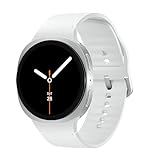
- WHY GALAXY WATCH8: Advanced health and sleep tracking features.* A lighter, more snug design for all day comfort.* Improved user interface.* Personal AI assistant for hands free help.⁴* 2-Year Warranty.
- SLEEP SMARTER. LIVE BETTER: Energize your days with a great night’s rest using Advanced Sleep Coaching¹ - improved with even more ways to keep your nights on track. Plus, Bedtime Guidance² helps you find your optimal bedtime.
- YOUR RUN, YOUR COACH: Step up your running routine with a Running Coach³ that analyzes your performance and gives you real-time feedback. Training for an event? Try specific programs built for 5Ks, marathons and more.
- NEW DESIGN. LIGHTWEIGHT FEEL: Maximize your days with a minimalist design. The sleek, thinner-than-ever silhouette makes Galaxy Watch8 look as good as it functions. With a snug fit and sporty style, it gives you readings without getting in your way.
- A PERSONAL ASSISTANT, RIGHT ON YOUR WRIST: Your Watch just became your personal assistant.⁴ Stay one step ahead of your day with a watch that helps you navigate your tasks and to-do lists.
These are consumer health-tracking features, not a basis for treating a watch as a diagnostic device. The availability and regulatory status of specific measurements can vary by country and software version. Fit, skin contact, activity and individual characteristics can also affect results. A particular health claim needs evidence for the feature and market in question.
Watch7 and the first Ultra expanded the range in 2024
Galaxy Watch7 continued Samsung’s mainstream line, while the first Galaxy Watch Ultra opened a more premium, rugged-oriented branch. That was a product-positioning change: Samsung was no longer presenting a single general-purpose watch as the answer for every buyer. Outdoor use, cellular connectivity, durability and battery priorities became more visible in the high end of the range. Those priorities do not establish that every user needs an Ultra, or that a rugged-oriented watch is automatically the better everyday choice.
Samsung’s U.S. lineup and list-price signals in 2026
As of August 2026, Samsung’s U.S. catalog lists the Galaxy Watch7, Watch8, Watch8 Classic and Galaxy Watch Ultra. The June 2026 U.S. MSRP document gives the following suggested prices; they are list-price signals, not guaranteed checkout or sale prices. Verify live availability and specifications on Samsung’s U.S. watch page.
| Model and configuration | U.S. suggested price |
|---|---|
| Galaxy Watch8, 40mm Bluetooth | $349.99 |
| Galaxy Watch8, 40mm LTE | $399.99 |
| Galaxy Watch8, 44mm Bluetooth | $379.99 |
| Galaxy Watch8, 44mm LTE | $429.99 |
| Galaxy Watch8 Classic, Bluetooth | $499.99 |
| Galaxy Watch8 Classic, LTE | $549.99 |
| Galaxy Watch Ultra, LTE | $649.99 |
| Galaxy Watch7, Bluetooth | $249.99–$279.99, depending on size |
| Galaxy Watch7, LTE | $299.99–$329.99, depending on size |
These U.S. suggested prices come from Samsung’s wearables MSRP document effective June 2026. LTE models may also require compatible carrier service and activation; check the carrier and regional requirements before choosing cellular.
Free tools Windows power users keep installed
One-click scans. No signup required.
Which direction makes sense for a buyer now?
- Watch8: Consider it for a current mainstream Samsung watch if you do not need a physical rotating bezel. Choose Bluetooth or LTE based on whether you want cellular service away from your phone.
- Watch8 Classic: The clearest fit if you specifically want traditional styling and a physical rotating bezel. Its higher listed price makes it less compelling if your priority is basic notifications or the lowest cost.
- Galaxy Watch Ultra: Consider it if the premium, LTE and outdoor-oriented positioning fits your use. It is a costly overbuy for many people who mainly want notifications, sleep tracking and ordinary workouts.
- Galaxy Watch7: Samsung still lists it at a lower suggested price than Watch8, making it a sensible value candidate if you do not require the newest generation or a Classic bezel.
- Used Gear S3 or Gear Sport: Better suited to collecting than to most new-watch purchases. Verify phone compatibility first; Samsung’s guidance lists limitations with some newer Galaxy phones.
For any model, match the choice to phone compatibility, wrist size, bezel preference, LTE need and budget. A newer generation is not automatically the right one, and a feature list alone cannot tell you how comfortable a watch will be or how often you will need to charge it.
Quick Recap
Product prices and availability are accurate as of the date/time indicated and are subject to change. Any price and availability information displayed on Amazon at the time of purchase will apply.