Recommended Free Tools
Build a watch collection around what you genuinely want from it: watches to wear, a design or era to explore, a particular maker to understand, or simply a mix that makes you happy. Choose a scope and budget that suit your life, research each specific watch before buying, and plan for its care. There is no single collecting strategy that suits everyone—and watches should not be treated as dependable investments.
How do you decide what kind of watch collection to build?
Start with the reason you want to collect. UBS’s 2022 Collectors Compass recommends letting a personal collecting purpose shape the goal and strategy. For watches, that purpose might be practical wearing, an interest in design or engineering, historical curiosity, enthusiasm for a maker, or a combination.


Turn that purpose into a useful filter: when considering a watch, ask whether it adds something you want to wear, learn about, or experience. A clear purpose can help you make deliberate choices, but it need not become a rigid rule. Your interests can change as you learn.
Should you focus on one brand, style, era, or function?
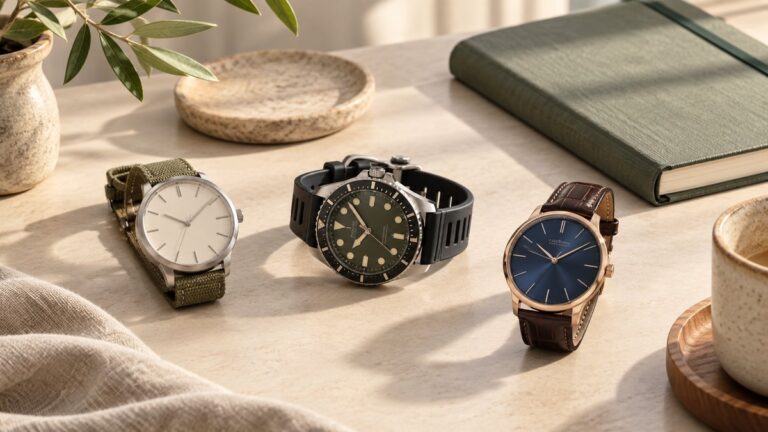
A collection can follow a theme or remain eclectic. A focus can make it easier to compare watches and deepen your knowledge; broad collecting leaves room for different designs and personal discoveries. Neither is inherently better. Hodinkee’s 2021 guide to collecting watches illustrates different ways to set a collecting direction, but its period-specific price examples are not current buying guidance.
Free tools Windows power users keep installed
One-click scans. No signup required.
- Maker or brand: Explore a manufacturer’s designs, history, or technical approach.
- Era or period: Compare how watch design and technology changed over time.
- Style: Collect around visual traits you enjoy, such as case shape or dial design.
- Function: Focus on watches designed for particular uses or complications.
- Personal mix: Choose each watch on its own merits without requiring a common theme.
Set practical limits alongside your scope. Decide how much you can spend without compromising other financial priorities, how many watches you can realistically wear and care for, and how quickly you want to buy. Include ownership costs in the budget rather than treating the purchase price as the full cost. Phillips advises patience, research, and prioritizing quality over buying quickly in its watch-collecting guide.
How do you assess a watch before buying it?
Research the particular watch and reference—not just the brand name or general model family. Compare its fit with your purpose, condition, originality, documentation, seller information, and total affordable cost. For vintage and pre-owned watches, Phillips particularly emphasizes condition and original parts. A famous name or an asking price does not by itself establish that a watch is right for your collection.
- Condition: Read the description closely and ask what is known about wear, repairs, and any damage. Seek clear photographs or an in-person inspection when possible.
- Originality: Find out whether components are original, replaced, refinished, or otherwise changed, and whether that matters to your collecting goals.
- Documentation and provenance: Review the records provided and distinguish documented facts from seller assertions.
- Seller transparency: Check whether the seller answers specific questions and explains the basis for claims about the watch.
- Ownership needs: Consider likely maintenance and whether the watch’s care requirements fit your budget and plans.
Ask for clarification when important details are missing. If you cannot establish a condition or originality detail that matters to you, treat that uncertainty as part of the decision rather than assuming the most favorable answer.
Where should you buy a watch?
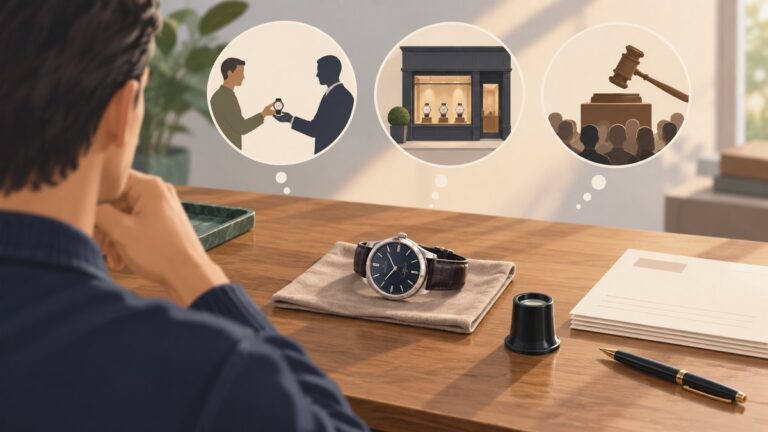
Possible routes include brand boutiques, specialist dealers, fairs, online platforms, and auctions. The right choice depends on the specific watch and sale: compare what you can inspect, how condition and originality are described, what authentication process is offered, and what protections and terms apply. UBS’s 2022 Collectors Compass notes that online-only platforms can broaden access and offer relative price transparency, while sight-unseen purchases make condition and originality harder to judge and can complicate dispute resolution. Protections vary by platform and transaction, so read the actual terms.
Quick wins for a faster PC:
Fix the driver behind crashes, sound loss and screen glitchesFind Drivers →Clear out junk files and repair common Windows errorsFree Scan →Rank #3
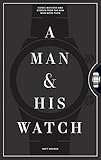
- Book - a man and his watch: iconic watches and stories from the men who wore them
- Language: english
- Binding: hardcover
Auctions can provide access to specialist inventory, but an auction house’s estimates and descriptions are not a substitute for your own assessment. Phillips offers collector guidance from an auction-house perspective, and Sotheby’s watch guide is another example of auction-house watch information. For any sale, verify the current listing, buyer’s terms, fees, inspection options, and return or dispute provisions before committing.
How should you document and care for a collection?
Keep a record for each watch: identifying details, purchase date and price, seller, condition at acquisition, paperwork, service records, and photographs. Store records separately from the watches so they remain useful if an item is lost or damaged. Documentation can also make it easier to track what you own and what care it has received.
Plan for appropriate storage, maintenance, and insurance as the collection warrants. Service needs depend on the particular watch; the available sources do not establish one service interval that applies to every model. Follow guidance appropriate to the watch rather than relying on a universal schedule. Insurance coverage and requirements depend on the policy, so review limits, valuation rules, exclusions, and documentation requirements for your location and circumstances.
A 2025 Jewelers Mutual survey reported that 83% of its surveyed watch owners owned multiple watches and more than 70% reported some form of watch insurance. The online survey was conducted in June 2025 among more than 1,500 U.S. adults aged 18 or older responsible for household insurance decisions; Jewelers Mutual commissioned it, so the results describe that U.S. sample, not watch owners worldwide. Details are in the publisher’s 2025 watch ownership survey.
Do these 3 things before closing this tab:
1Clear out junk files and repair common Windows errors2Scan for outdated or missing drivers - takes under a minute3Repair Windows errors before they cause bigger problemsBest Value
Are watches a reliable investment?
Do not build a collection on the assumption that its watches will appreciate. The cited collecting guides support research, personal purpose, and careful selection; they do not establish watches as a dependable investment or show that any one collecting strategy is most common worldwide. Buy a watch because it suits your collecting goals and because you can afford to own it, not because a resale outcome is guaranteed.
Quick Recap
Product prices and availability are accurate as of the date/time indicated and are subject to change. Any price and availability information displayed on Amazon at the time of purchase will apply.