Free tools Windows power users keep installed
One-click scans. No signup required.
The Fitbit Charge 6 remains a defensible pick for most people who want a standalone fitness tracker with built-in GPS, while the best choice depends on your phone, training needs and tolerance for frequent charging. This guide reflects devices tested for its January 2026 edition—not a fresh test of every tracker now available—so treat the picks as tested recommendations rather than a complete October 2026 market ranking.
The January edition’s last stated review note was January 23, 2026. Later 2026 roundups include newer models such as the Garmin Vivoactive 6, Fitbit Air, Oura Ring 5, Pixel Watch 4 and Garmin Cirqa; those devices were not tested for this guide. See the WIRED 2026 guide and TechRadar 2026 guide for those later roundups. Confirm current U.S. price and availability before buying.
We considered accuracy, battery life, comfort, software, training tools and value. Battery figures described as “up to” are manufacturer estimates; tested figures are identified separately.
Quick comparison
| Tracker | Best for | GPS | Battery | Phone support | Main catch |
|---|---|---|---|---|---|
| Fitbit Charge 6 | Most people | Built-in | Several days in testing | Android and iPhone | Some insights require Fitbit Premium |
| Apple Watch Series 11 | iPhone owners | Built-in | 43 hours in testing; Apple rates it for up to 24 hours | iPhone 11 or later, iOS 26 or later | Shorter battery than a band; iPhone-only |
| Samsung Galaxy Watch 8 | Android smartwatch users | Built-in | Up to 30 hours with always-on display, depending on model and use | Android; some features need a Samsung phone | Not compatible with iPhone |
| Fitbit Inspire 3 | Low-cost Fitbit tracking | Connected only | Up to eight days | Android and iPhone | Needs a phone for routes and pace |
| Garmin Lily 2 | Small wrists and style | Connected only | Up to five days in testing | Android and iPhone | No onboard GPS or altimeter |
| Garmin Venu Sq 2 | Practical Garmin smartwatch | Built-in | About eight days in testing | Android and iPhone | No floors-climbed tracking |
| Oura Ring 4 | Sleep and recovery | None | Varies by size and use | Android and iPhone | Most useful features require membership |
| Samsung Galaxy Fit3 | Basic Android tracking | None | About 7.5 days in testing | Android only | No built-in GPS; best with Samsung phones |
| Apple Watch SE 3 | Cheaper Apple Watch | Built-in | Varies by use | iPhone only | No ECG or blood-oxygen sensor |
| Garmin Vivoactive 5 | Music and wellness | Built-in | Up to 11 days | Android and iPhone | No altimeter or animated workouts |
| Polar Pacer Pro | Running | Built-in | About one week | Android and iPhone | Less smartwatch functionality |
| Fitbit Ace 3 | Children aged 6–12 | None | Varies by use | Child account and family setup | No heart-rate, GPS or location tracking |
Prices are not fixed here because U.S. retailer pricing, bundles and discontinued-stock discounts change frequently. Check current price and availability before ordering.
#1 Best Overall

- COMPLETE ALL-IN-ONE-BUNDLE: Includes Fitbit Charge 6 Black/Obsidian, rapid USB charger, and a premium microfiber cleaning cloth, – everything you need to start tracking in style.
Best fitness tracker for most people: Fitbit Charge 6
The Fitbit Charge 6 is the best balance of tracker features, size and price among the devices tested for this guide. It has a color AMOLED display, built-in GPS, 5ATM water resistance, ECG readings, EDA stress measurements and more than 40 exercise modes, according to Google’s Fitbit announcement. Google Maps, Google Wallet and YouTube Music controls make it more useful away from workouts than older Fitbit bands.
Built-in GPS lets the Charge 6 record a route without your phone, unlike the Inspire 3 and Garmin Lily 2. Fitbit requires a Google Account; compatible phones generally need Android 9 or later or iOS 15 or later. Some deeper sleep and health analysis is reserved for Fitbit Premium.
Buy it if: you want one compact device for steps, sleep, workouts and occasional GPS activities.
Skip it if: you want advanced running metrics, a full smartwatch or a tracker with no subscription upsell.
Quick wins for a faster PC:
Scan for outdated or missing drivers - takes under a minuteDriver Scan →Repair Windows errors before they cause bigger problemsFix Now →Fix the driver behind crashes, sound loss and screen glitchesFind Drivers →Best fitness tracker for iPhone: Apple Watch Series 11
The Apple Watch Series 11 is a capable choice for iPhone users who want fitness tracking plus notifications, apps, calls and safety features. It is not platform-neutral: Apple requires an iPhone 11 or later running iOS 26 or later, according to its compatibility information. Cellular versions support 5G.
Apple rates Series 11 for up to 24 hours of normal use. The January guide reported 43 hours in its own testing, but those figures use different conditions and should not be treated as equivalent. Expect to charge it more often than a conventional fitness band, especially with GPS, cellular service or the always-on display in use.
Buy it if: you already use an iPhone and want close integration with Apple’s health and fitness apps.
Skip it if: you want a week-long battery or do not own a compatible iPhone.
PC Slower Than It Used to Be?
A free scan shows the junk files, broken settings and background clutter dragging Windows down - then fixes them in one click.Free scan · Windows 10 & 11Crashes, No Sound, or Screen Glitches?
Random freezes, missing sound and display glitches usually trace back to one bad driver. Find and replace yours safely.Free scan · under a minuteRank #2

- COMPLETE ALL-IN-ONE-BUNDLE: Includes Fitbit Charge 6 Black/Obsidian, rapid USB charger, and a premium microfiber cleaning cloth, – everything you need to start tracking in style.
Best Android smartwatch: Samsung Galaxy Watch 8
The Samsung Galaxy Watch 8 is a full smartwatch with built-in GPS, health tools, apps and notifications. It has 5ATM water resistance and an IP68 rating. Samsung lists up to 30 hours with the always-on display enabled; actual endurance depends on model and use.
It supports Android phones, though Samsung’s product information specifies Galaxy smartphones running Android 12 or higher for some functionality. Several health and ecosystem features work best, or only work, with a Samsung phone.
Buy it if: you want a feature-rich watch and use a Samsung Galaxy phone.
Skip it if: you use an iPhone or your priority is minimum charging.
Do these 3 things before closing this tab:
1Clear out junk files and repair common Windows errors2Fix the driver behind crashes, sound loss and screen glitches3Repair Windows errors before they cause bigger problemsBest inexpensive Fitbit: Fitbit Inspire 3
The Fitbit Inspire 3 is a simple band for activity, sleep and overnight SpO2 tracking. Its AMOLED display is easy to read, and battery life is rated at up to eight days under Fitbit’s stated conditions.
There is no built-in GPS. For outdoor distance, pace and route data, the Inspire 3 relies on your phone’s GPS through connected GPS. That is fine for walks and casual runs, but inconvenient if you prefer to leave your phone at home. Some advanced metrics require a subscription.
Buy it if: you want inexpensive everyday tracking and do not mind carrying your phone outdoors.
Skip it if: you need independent GPS or detailed training analysis.
Rank #3
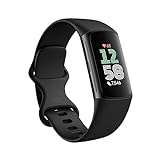
- Fitbit Charge 6 tracks key metrics from calories and Active Zone Minutes to Daily Readiness and sleep; move more with 40+ exercise modes, built-in GPS, all-day activity tracking, 24/7 heart rate, automatic exercising tracking, and more[1]
- See your heart rate in real time: Just link your Charge 6 to compatible exercise machines, like treadmills, ellipticals, and more[2]; and stay connected with YouTube Music controls[3]
- Tune into your body: Track your response to stress with a stress management score; learn about the quality of your sleep with a personalized nightly Sleep Score; and wake up more naturally with the Smart Wake alarm
- Run your routine with Google essentials: Find your way seamlessly during runs or rides with turn-by-turn directions from Google Maps on Fitbit Charge 6; and when you need a snack break on the go, just tap to pay with Google Wallet[1,4]
- Unlock more with Google Health Premium: With a premium membership, get personalized coaching that’s built with Gemini and adapts to your life[7]; get a 3-month trial at no cost to you[5] (Google Health Premium subscription sold separately)
Best stylish tracker for small wrists: Garmin Lily 2
The Garmin Lily 2 has a slim, jewelry-like design suited to smaller wrists and people who dislike the sporty appearance of most trackers. It works with Android and iPhone and lasted up to five days in testing.
It has no onboard GPS or barometric altimeter and cannot broadcast heart rate to exercise equipment. It is best understood as a stylish wellness tracker, not a miniature running watch.
Best practical Garmin smartwatch: Garmin Venu Sq 2
The Garmin Venu Sq 2 offers useful Garmin features without the price or complexity of a specialist sports watch. It has an AMOLED display, built-in GPS and Garmin Pay, and lasted roughly eight days in testing.
It does not track floors climbed or provide animated workout graphics. Those omissions matter if you want stair data or on-screen exercise demonstrations, but not for basic activity and GPS tracking.
What’s actually slowing this PC down?
Pick the symptom - the matching free tool is one click away.
Best finger-based tracker: Oura Ring 4
The Oura Ring 4 suits people who care more about sleep, recovery and passive health trends than live workout screens. It tracks activity, sleep, stress, blood oxygen, heart rate, HRV, respiratory rate and skin temperature, and offers cycle and pregnancy-related insights.
A ring can be comfortable overnight and less conspicuous than a watch, but it is not a replacement for a serious sports watch. Workout detail is less comprehensive than on wrist-based training devices, and most useful Oura analysis requires an ongoing membership.
Best entry-level Android band: Samsung Galaxy Fit3
The Samsung Galaxy Fit3 is an Android-only band supporting up to 100 workout types. It has no built-in GPS and lasted about 7.5 days in testing. Some functions work best, or only work, when paired with a Samsung phone.
It makes sense for Samsung owners who want a light band for steps, sleep and straightforward workouts. It is a poor match for iPhone users or anyone expecting independent route recording.
The Tool Desk
Outbyte Driver Updater FREEScan for outdated or missing drivers - takes under a minuteDriver Scan →Outbyte PC Repair FREERepair Windows errors before they cause bigger problemsFix Now →Rank #4

- Fitbit Charge 6 tracks key metrics from calories and Active Zone Minutes to Daily Readiness and sleep; move more with 40+ exercise modes, built-in GPS, all-day activity tracking, 24/7 heart rate, automatic exercising tracking, and more[1]
- See your heart rate in real time: Just link your Charge 6 to compatible exercise machines, like treadmills, ellipticals, and more[2]; and stay connected with YouTube Music controls[3]
- Tune into your body: Track your response to stress with a stress management score; learn about the quality of your sleep with a personalized nightly Sleep Score; and wake up more naturally with the Smart Wake alarm
- Run your routine with Google essentials: Find your way seamlessly during runs or rides with turn-by-turn directions from Google Maps on Fitbit Charge 6; and when you need a snack break on the go, just tap to pay with Google Wallet[1,4]
- Unlock more with Google Health Premium: With a premium membership, get personalized coaching that’s built with Gemini and adapts to your life[7]; get a 3-month trial at no cost to you[5] (Google Health Premium subscription sold separately)
Best budget Apple Watch: Apple Watch SE 3
The Apple Watch SE 3 is a lower-cost route into Apple’s watch platform, with a U.S. starting price of $249 listed in Apple’s January 2026 newsroom announcement. It is iPhone-only. In testing for this guide, it used the same processor as Series 11, supporting strong everyday responsiveness.
It omits several health sensors found on Series 11, including blood oxygen and ECG, and does not include water-depth or water-temperature sensors. Choose it for notifications, workouts and Apple integration rather than advanced health measurements.
Best Garmin for music and wellness: Garmin Vivoactive 5
The Garmin Vivoactive 5 combines built-in GPS with onboard music storage, nap detection and Garmin’s Body Battery feature. It works with Android and iPhone and can last up to 11 days, making it a strong option for people who want less charging without giving up standalone GPS.
It lacks a barometric altimeter and animated workout graphics. Garmin Connect’s core platform remains free, although Garmin also offers optional Connect+ features.
Best running tracker: Polar Pacer Pro
The Polar Pacer Pro is the specialist choice here. It includes built-in GPS, wrist-based running power, ascent and descent tracking, sleep and recovery metrics, Hill Splitter and Komoot route guidance. Battery life is roughly one week, and it works with Android, iPhone and Polar’s web platform.
It is less attractive if you want a large app ecosystem or smartwatch-first experience. For runners who value structured training and route information over payments and notifications, that trade-off is sensible.
Independent reader supportYour contribution helps us test, update, and keep practical guides available for everyone.Best tracker for children: Fitbit Ace 3
The Fitbit Ace 3 is designed for children aged 6–12 and records activity and sleep. It deliberately has no heart-rate monitoring, GPS or location tracking. Setup requires a Google family group and child account; see Google’s Fitbit setup instructions.
That limited sensor set suits families who want activity encouragement without turning the device into a location-monitoring tool. It should not be confused with a child-safety GPS watch.
Best Value

- Fitbit Charge 6 tracks key metrics from calories and Active Zone Minutes to Daily Readiness and sleep; move more with 40+ exercise modes, built-in GPS, all-day activity tracking, 24/7 heart rate, automatic exercising tracking, and more[1]
- See your heart rate in real time: Just link your Charge 6 to compatible exercise machines, like treadmills, ellipticals, and more[2]; and stay connected with YouTube Music controls[3]
- Tune into your body: Track your response to stress with a stress management score; learn about the quality of your sleep with a personalized nightly Sleep Score; and wake up more naturally with the Smart Wake alarm
- Run your routine with Google essentials: Find your way seamlessly during runs or rides with turn-by-turn directions from Google Maps on Fitbit Charge 6; and when you need a snack break on the go, just tap to pay with Google Wallet[1,4]
- Unlock more with Google Health Premium: With a premium membership, get personalized coaching that’s built with Gemini and adapts to your life[7]; get a 3-month trial at no cost to you[5] (Google Health Premium subscription sold separately)
How to choose the right tracker
- Check phone compatibility first. Apple Watch requires an iPhone. Galaxy Fit3 is Android-only, and Galaxy Watch 8’s best feature support is tied to Samsung phones.
- Decide whether you need built-in GPS. Built-in GPS records a route without a phone. Connected GPS uses the phone during the workout. Choose onboard GPS for phone-free running, cycling or hiking.
- Separate battery claims from test results. “Up to” figures are manufacturer estimates. GPS, cellular service, screen brightness and notifications can reduce battery life.
- Check subscription costs before buying. Fitbit and Oura put some or most detailed insights behind memberships. Garmin Connect’s core platform remains free, with optional paid additions.
- Do not equate water resistance with swim tracking. A 5ATM rating indicates resistance to water exposure; it does not guarantee that the tracker records swimming metrics.
- Set realistic expectations for heart rate. Wrist devices use optical sensors. Chest straps measure electrical activity closer to the heart and are generally a better choice for demanding training or precise interval work.
What we looked for in testing
We assessed comfort during everyday wear and sleep, battery performance, GPS behavior, heart-rate tracking, software quality, workout tools and overall value. Devices were worn for extended periods rather than judged from a single gym session, with activities such as running and cycling used to assess practical usefulness.
These recommendations reflect the devices tested for the January 25, 2026 version of the guide, whose last stated review note was January 23. The research desk’s August 8, 2026 review found newer models in later roundups, including the Garmin Vivoactive 6, Fitbit Air, Oura Ring 5, Pixel Watch 4 and Garmin Cirqa. They are not presented here as tested picks. For additional current-market context, consult the WIRED guide and TechRadar guide, and verify availability before purchase.
FAQ
Which fitness tracker is best overall in 2026?
Among the devices tested for this guide, the Fitbit Charge 6 is the strongest all-round standalone tracker for most people. It has built-in GPS, a color AMOLED display and more than 40 exercise modes, though some advanced insights require Fitbit Premium. Newer products in later 2026 roundups were not tested for this guide.
What is the best fitness tracker for an iPhone?
The Apple Watch Series 11 is a strong option for iPhone owners. It requires an iPhone 11 or later running iOS 26 or later and offers close integration with Apple’s health, workout and notification features.
Do fitness trackers need a subscription?
Not all do. Fitbit and Oura put some or most detailed insights behind memberships. Garmin’s core Connect platform remains free, though optional Connect+ features are available.
Is built-in GPS worth paying for?
It is useful if you run, cycle or hike without carrying your phone. Built-in GPS records routes independently; connected-GPS trackers need a phone during the workout for route, pace and distance data.
Are these the newest fitness trackers available in 2026?
No. This guide covers devices tested for its January 2026 edition. The research desk’s August 2026 dossier notes newer models in later roundups, including the Garmin Vivoactive 6, Fitbit Air, Oura Ring 5, Pixel Watch 4 and Garmin Cirqa; those devices were not tested for this guide.
The Bottom Line
The Fitbit Charge 6 remains a defensible recommendation for most buyers seeking a compact tracker with built-in GPS, but it is one tested pick from the January 2026 edition—not a fresh comparison of every later release. Choose the Apple Watch Series 11 for an iPhone-centered experience, the Samsung Galaxy Watch 8 for a Samsung-centered Android setup, the Oura Ring 4 for sleep and recovery, or the Polar Pacer Pro for running. Before buying, verify phone compatibility, current U.S. price, subscription costs and whether GPS is onboard or phone-dependent.
Recommended Free Tools
Quick Recap
Product prices and availability are accurate as of the date/time indicated and are subject to change. Any price and availability information displayed on Amazon at the time of purchase will apply.