What’s actually slowing this PC down?
Pick the symptom - the matching free tool is one click away.
Michael Stockton’s Fratello guide remains a strong introduction to buying affordable vintage Seiko watches—but it is a historical, selective guide rather than a current price list. The safest purchase is the complete, correctly identified watch whose originality, condition, and likely repair cost all make sense.
The short answer
Michael Stockton’s Fratello guide is a useful starting point for buying an affordable vintage Seiko, provided you treat it as a practical inspection guide—not a current price list or a complete catalog. Its original focus is mainly ordinary Seiko watches from roughly the mid-1960s through the mid-1970s, with selected sports watches and divers used as examples.
The most important lesson is simple: do not buy an old Seiko merely because it is running or because the dial looks attractive in one photograph. Identify the movement and complete case/model reference, check whether the parts belong together, distinguish attractive patina from damaging corrosion, and budget for service and replacement parts before deciding what the watch is worth.




Stockton’s article, TBT A Vintage Seiko Buyer’s Guide to Affordable Goodness, was published on September 20, 2018. Its reported purchase examples—generally around $25 to $125 before possible service—describe the market and the author’s experience at that time. They are not reliable 2026 buying targets.
Why ordinary vintage Seikos deserve attention
Vintage Seiko collecting is not limited to famous divers, chronographs, or rare high-end references. The regular Seiko range offers an unusually broad mix of case shapes, dial layouts, automatic movements, colors, and wearable sizes. That variety is the reason an apparently modest dress or sports watch can be more interesting than a modern watch designed only to imitate vintage styling.
#1 Best Overall
The 1960s and 1970s were especially productive decades for Seiko. The company identifies its 1959 Magic Lever as a proprietary bidirectional automatic-winding system. The 1963 Sportsmatic 5 established an important automatic day-date format, while the 1968 Seiko 5 Sports added a more robust sports orientation. In 1969, Seiko introduced the automatic Speedtimer with caliber 6139 and the Quartz Astron, the world’s first quartz wristwatch. These milestones provide useful context for the mechanical watches that collectors find in the same broad era.
Seiko’s own description of the traditional Seiko 5 formula lists five features: automatic winding, a day-date display at three o’clock, water resistance, a recessed crown at four o’clock, and a durable case and bracelet. The 1968 Seiko 5 Sports strengthened that concept with enhanced water resistance, a more resistant crystal, and luminous hands and markers. Those features do not make every surviving example a good purchase, but they explain why inexpensive-looking vintage Seikos can have genuine technical and design appeal.
Divers are a separate and often more expensive part of the story. Seiko identifies its 1965 diver as Japan’s first diver’s watch and documents later developments in 1968 and 1970, including higher water resistance, high-beat mechanical technology, and rugged case construction. A vintage Seiko diver can be compelling, but its bezel, case, dial, hands, and water-resistance history require more scrutiny than those of an ordinary three-hand watch.
What’s actually slowing this PC down?
Pick the symptom - the matching free tool is one click away.
How to decode a vintage Seiko reference
Many vintage Seiko references use an xxxx-yyyy structure:
- The first four digits generally identify the movement family.
- The second four digits generally identify the case or model design.
Representative movement families discussed in Stockton’s guide include 5126, 6106, 6119, 6619, and 7019. These are useful research starting points, not a complete catalog.
The movement number alone is not enough. One movement family may appear in dress watches, sports watches, and divers. Different markets could also use different four-digit case codes for similar-looking watches. Case backs may be interchanged, so the number engraved inside or on the back is evidence to verify, not automatic proof that the watch is original.
Before buying, compare the complete reference with clear photographs of the:
PC Slower Than It Used to Be?
A free scan shows the junk files, broken settings and background clutter dragging Windows down - then fixes them in one click.Free scan · Windows 10 & 11Crashes, No Sound, or Screen Glitches?
Random freezes, missing sound and display glitches usually trace back to one bad driver. Find and replace yours safely.Free scan · under a minuteRank #2
- case back and its markings;
- dial printing and layout;
- hand shapes, lengths, and lume;
- crown and its position;
- crystal profile;
- case finishing and edges;
- movement and visible caliber markings; and
- bezel, if the watch is a diver or sports model.
When browsing vintage Seiko watches, search and compare by the complete movement-and-case reference rather than by a movement number alone. Treat the seller’s title as a starting point, then use the photographs to test whether the claimed configuration makes sense.
A pre-purchase inspection checklist
1. Start with the movement
Ask for a movement photograph if the listing does not provide one. Confirm that the visible caliber appears consistent with the claimed reference and inspect for obvious rust, staining, missing parts, or signs of crude work. A movement that is ticking is not necessarily healthy or recently serviced. Conversely, a non-running three-hand watch may be serviceable, but only if the price leaves room for diagnosis, parts, labor, and the possibility of deeper damage.
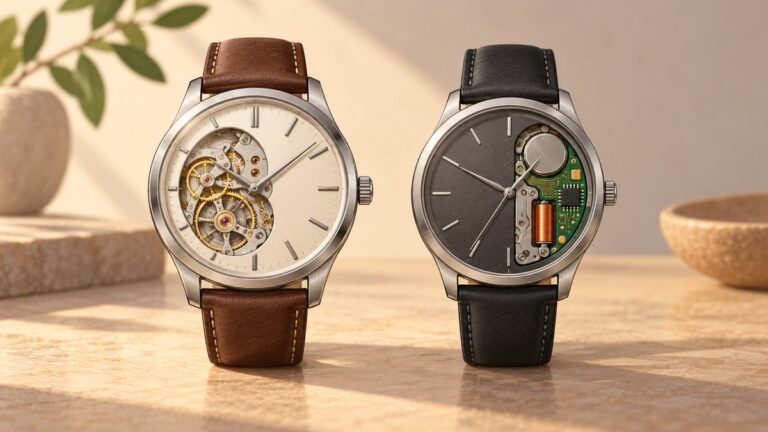
Seiko’s Magic Lever system is part of the reason many period automatics could wind efficiently from wrist motion. However, do not turn a general description of common Seiko automatics into a rule for every Seiko. Manual-wind watches, chronographs, divers, and market-specific or later variants can have different winding and operating requirements. Identify the movement before deciding how it should be wound or handled.
2. Examine the dial and hands together
Dial aging can be attractive, but it can also reveal moisture intrusion or prolonged neglect. Look for spotting, bubbling, severe discoloration, flaking, damaged lume, and corrosion around the dial feet or movement. Some collectors actively seek pronounced age-related patina—often described in collector language as wabi-sabi—while others prefer a cleaner appearance. Neither preference is wrong.
The more important question is whether the aging is stable and compatible with the watch’s originality and repair economics. A dial with pleasing color change is a different proposition from a dial or movement that has become a rust trap.
Pay particular attention to the hands. Incorrectly replaced hands are common and can be harder to overlook than ordinary scratches. Check their shape, length, finish, lume configuration, and whether they suit the dial and reference. Missing hands or visibly incorrect replacements may mean the watch is not in the configuration represented by the seller, and correct replacements can be difficult to source.
3. Inspect the case, crown, and crystal
Look for excessive polishing. Sharp factory edges, brushed and polished transitions, chamfers, and engravings can all be softened by aggressive refinishing. A polished case is not automatically unacceptable, but it should be priced and described honestly.
Confirm that the crown has the correct form and position for the model. A replacement crown may affect appearance, originality, and—on a watch that has actually been tested—sealing. Do not assume that an old Seiko remains water-resistant simply because the case back says “water resistant” or because the watch was originally designed for that purpose.
Crystal damage is normal in this market. Seiko used both Hardlex mineral glass and acrylic crystals, depending on the model and period. Scratches alone should not end an evaluation if the case, dial, hands, and movement are otherwise desirable. The correct replacement, however, must be identified from the complete model and case reference. A generic listing for a “Seiko crystal” does not establish compatibility.
If you buy a model-specific replacement crystal, confirm the exact case reference, crystal material, profile, dimensions, retaining method, and supplier’s part number first. A crystal that appears close in a photograph can still fit incorrectly or alter the watch’s appearance.
4. Treat diver bezels as functional parts
On a diver, a missing bezel is a major issue rather than a minor cosmetic omission. Check that the bezel is present, appropriate to the reference, and operates as intended. Internal rotating bezels deserve the same attention. A non-operating or incorrect bezel can be difficult and expensive to correct, and it changes both the watch’s function and its originality.
Do not buy a vintage diver as a swimming or diving instrument without professional inspection and pressure testing. Even an apparently clean case may have aged gaskets, a compromised crystal, or corrosion around the crown and case back.
Do these 3 things before closing this tab:
1Clear out junk files and repair common Windows errors2Scan for outdated or missing drivers - takes under a minute3Repair Windows errors before they cause bigger problems5. Evaluate the bracelet separately
Stockton places limited value on claims that a bracelet is “original.” Many old bracelets are stretched, flimsy, worn, or visually less appealing than a sensible replacement. Bracelet originality can matter for a rare or highly collectible reference, but it should not overshadow the condition and correctness of the watch itself.
A rustic leather strap or NATO-style strap can make a vintage Seiko wearable when the original bracelet is missing or poor. If you choose a replacement strap for your vintage Seiko, measure the lug width and check spring-bar clearance, end-link geometry, lug shape, and case thickness. An 18 mm, 19 mm, or 20 mm strap is not universally interchangeable across Seiko models.
Patina versus damage: a practical decision rule
| Finding | Usually means | Buying response |
|---|---|---|
| Light scratches on an acrylic or Hardlex crystal | Normal wear and a potentially straightforward replacement | Price the correct crystal and installation before deciding |
| Even dial discoloration with a clean movement | Possible acceptable patina | Buy only if you like the appearance and the price reflects it |
| Flaking lume, bubbling, or heavy spotting | Possible moisture or neglect | Inspect the movement and assess originality carefully |
| Rust on the movement or around key components | Potentially extensive repair | Assume more than a routine service may be needed |
| Incorrect or missing hands | Configuration and parts problem | Demand clear evidence and price replacement difficulty into the offer |
| Missing or frozen diver bezel | Functional and originality problem | Usually walk away unless the parts situation and price are compelling |
The right question is not “Is this patina good or bad?” It is “Would I still want this complete package after accounting for the parts, service, and appearance I will actually receive?”
Budget for service—even when the watch runs
A running vintage watch may be running fast, slow, weakly, or only temporarily. Old oils dry out, seals age, and a movement can continue operating while wear or contamination causes additional damage. Ask whether the seller has service documentation, what work was performed, and when. “Keeps time” is not the same as “recently serviced.”
The Tool Desk
Outbyte PC Repair FREERepair Windows errors before they cause bigger problemsFix Now →Outbyte Driver Updater FREEScan for outdated or missing drivers - takes under a minuteDriver Scan →A non-running watch is not automatically worthless, particularly if it has a desirable case, correct dial and hands, and a movement without severe corrosion. But it is also not automatically a bargain. Before buying, allow for:
- diagnosis and disassembly;
- cleaning, lubrication, and regulation;
- worn or missing movement parts;
- a replacement crystal, crown, hands, or bezel;
- case and bracelet work; and
- shipping, specialist labor, and the risk that restoration is incomplete or uneconomic.
Ordinary three-hand Seikos are generally a more forgiving entry point than vintage chronographs. Chronographs contain more parts and can be substantially more difficult to repair, especially when a movement-specific component is missing. Do not apply the optimistic repair assumptions of a simple three-hand watch to a chronograph.
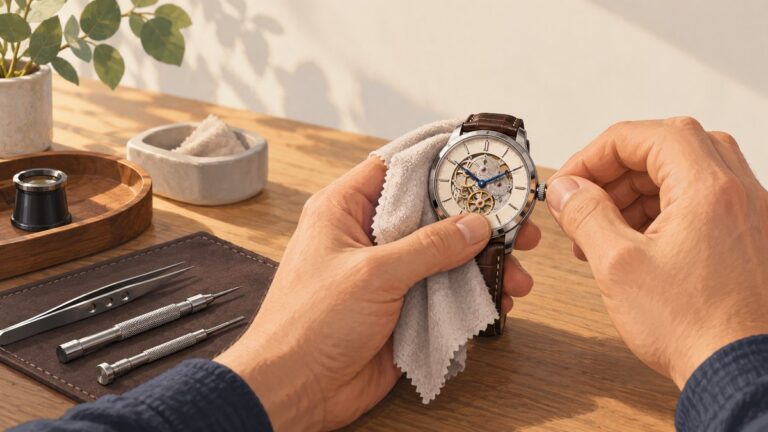
Basic inspection tools can help you photograph a movement, measure lug width, inspect a case, or handle a strap and spring bar. They do not make an inexpensive tool kit a substitute for a trained watchmaker, and opening a vintage case can damage the case back, gasket, movement, or dial if done carelessly.
How to compare two listings
- Identify both complete references. Reject listings that provide only a vague movement number when the seller could reasonably provide case-back and movement photographs.
- Compare the claimed configuration. Look for matching dial printing, hand style, crown, crystal, bezel, and case finishing.
- Grade the movement separately. “Running” is one data point; corrosion, service history, timekeeping, winding behavior, and parts availability matter more.
- Separate repairable wear from missing identity. A scratched crystal may be easy to solve. Incorrect hands or a missing diver bezel may be much harder.
- Calculate the all-in cost. Add likely service and parts, not just the listing price.
- Assess the seller. Clear photographs, accurate descriptions, return terms, and a credible service history can be worth more than a superficially cheaper listing.
- Choose the complete package. A modest watch with correct parts and a healthy movement can be a better purchase than a prettier watch assembled from mismatched components.
What makes a good first vintage Seiko?
For many buyers, a simple three-hand or day-date automatic is a sensible first project. It is easier to understand than a chronograph, often easier to wear than a large diver, and allows you to concentrate on reference identification, originality, and servicing. The 5126, 6106, 6119, 6619, and 7019 families mentioned in Stockton’s guide can be useful search terms, but each family contains multiple case and dial configurations.
A first purchase should ideally have:
- a readable complete reference;
- clear photographs of the movement and case back;
- correct-looking hands and dial layout;
- a case that has not been excessively polished;
- a crystal that is replaceable or acceptable as-is;
- no obvious movement corrosion; and
- a price that leaves room for professional service.
That does not mean the watch must be mint, fully original in every wearable component, or currently running. It means the compromises should be visible, understood, and priced honestly.
The 2018 price examples need context
Stockton’s original examples of buying vintage Seikos for roughly $25 to $125 were useful evidence of the guide’s affordable-goodness thesis in 2018. They should not be repeated as a promise or benchmark for 2026. Prices now vary by reference, originality, condition, service history, parts availability, seller, geography, and whether the watch is a sought-after diver or chronograph rather than an ordinary model.
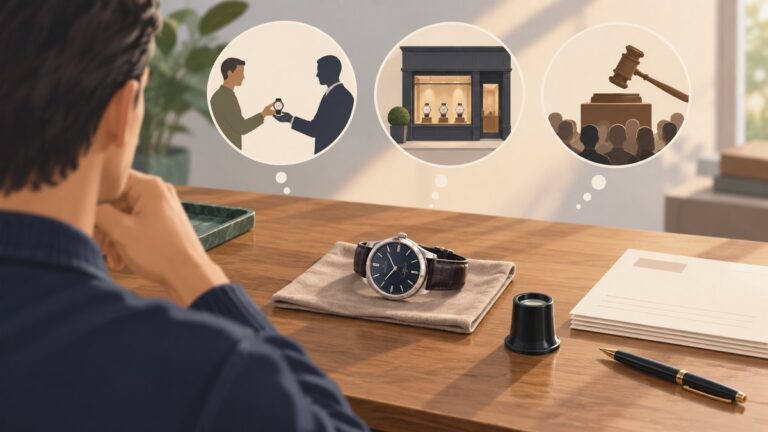
For a current purchase, compare completed or sold examples where available, not only optimistic active listings. Verify the seller’s description against photographs, ask questions before buying, and remember that a low purchase price can disappear quickly once service and missing parts are included.
Best Value

- By Hodinkee (Author)
- 300 Pages
- Over 100 Illustrations
- Rubberized Hardcover
- Imported
Final buying checklist
- Have I identified both the movement family and complete case/model reference?
- Do the case back, dial, hands, crown, crystal, bezel, and movement appear to belong together?
- Could the case back have been swapped?
- Is the visible aging attractive patina, or evidence of moisture and corrosion?
- Are the hands correct, complete, and properly luminous for the model?
- Is the case excessively polished?
- Is the crystal the correct type and profile, or can the correct replacement be sourced?
- Does a diver have the correct, operating bezel?
- Is the movement merely ticking, or is there credible service information?
- Have I budgeted for diagnosis, service, and parts?
- Does the strap or bracelet fit the actual lug width and case?
- Would I still want the watch if it needs more work than expected?
The durable value of Stockton’s guide is not the claim that every old Seiko is a bargain. It is the method: learn the reference system, inspect the complete watch, accept patina only when you genuinely like it and the movement is sound, and make the purchase decision on repair economics rather than a ticking seconds hand.
Recommended Free Tools
Frequently Asked Questions
Are vintage Seiko watches still available for $25 to $125?
No. Stockton’s original $25–$125 examples reflect his buying experience when the Fratello article was published on September 20, 2018. They should not be treated as current 2026 market prices.
Is a running vintage Seiko automatically a good buy?
Not necessarily. A running watch may still need a full service, while a non-running watch may be repairable. The movement’s corrosion, parts availability, service history, and the watch’s overall completeness matter more than whether it is ticking in a listing photo.
Does the number on a vintage Seiko case back prove the watch is original?
No. The common xxxx-yyyy format is useful, but movement families can appear in several case designs, market variants exist, and case backs can be interchanged. Verify the complete reference against the dial, hands, crown, crystal, case, and movement.
Can I fit any replacement Seiko crystal to a vintage Seiko?
Yes, but only if it is correctly matched to the exact reference. Confirm the case code, crystal type and profile, dimensions, retaining method, and supplier part number before ordering.
Quick wins for a faster PC:
Fix the driver behind crashes, sound loss and screen glitchesFind Drivers →Clear out junk files and repair common Windows errorsFree Scan →Scan for outdated or missing drivers - takes under a minuteDriver Scan →The Bottom Line
A good vintage Seiko purchase is a correctly identified, honestly represented watch whose condition and likely service needs make sense at the price. Start with the full reference, verify every visible component, treat corrosion and incorrect hands seriously, and regard 2018 prices as historical context—not 2026 guidance.